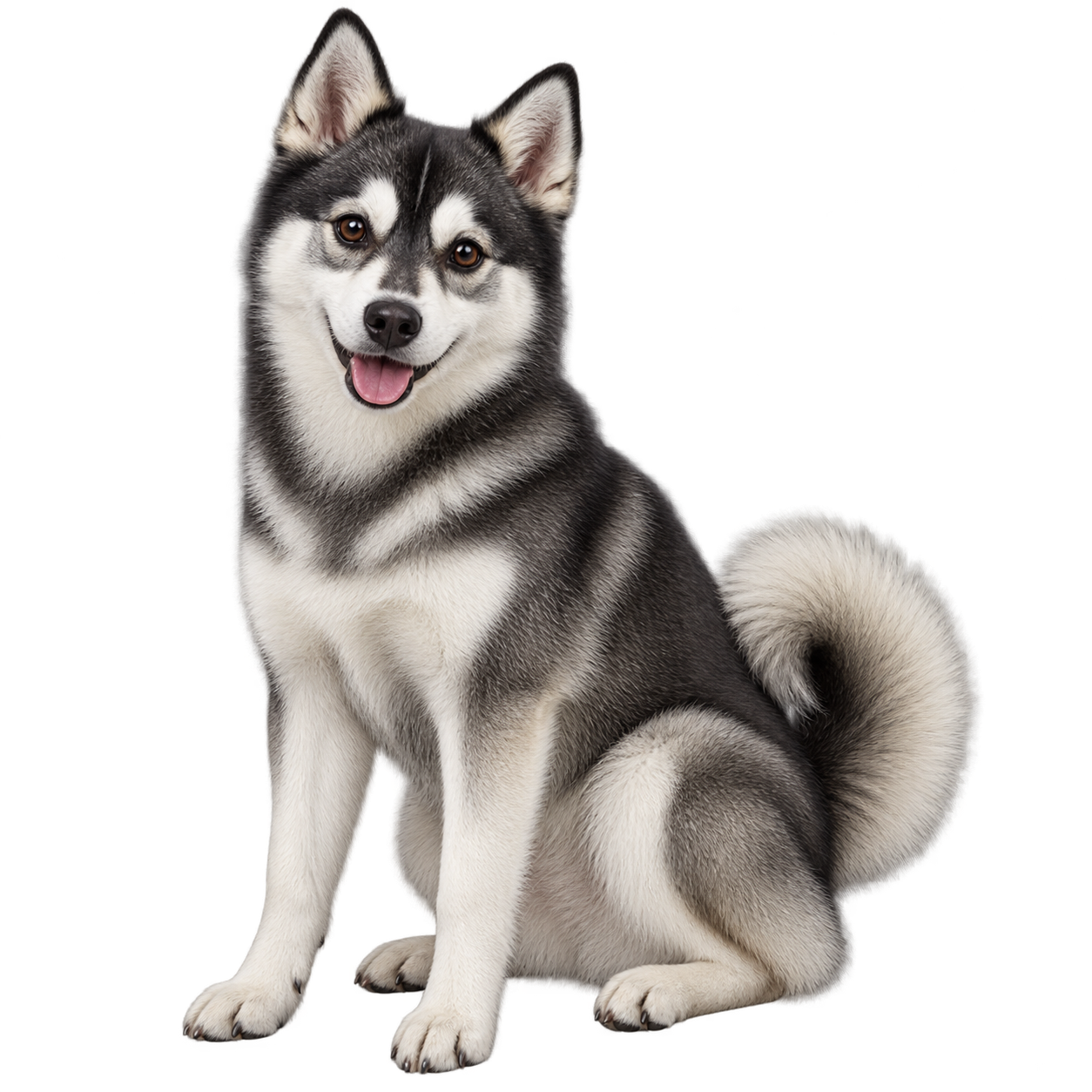
Alaskan Klee Kai
A compact northern companion combining high energy and intelligence with stranger reserve, vocal alerting, and seasonal shedding.
Open breed profile →Evidence-backed comparison
See where their everyday needs align, where they differ, and which practical trade-offs deserve a closer look.
A compact northern companion combining high energy and intelligence with stranger reserve, vocal alerting, and seasonal shedding.
Open breed profile →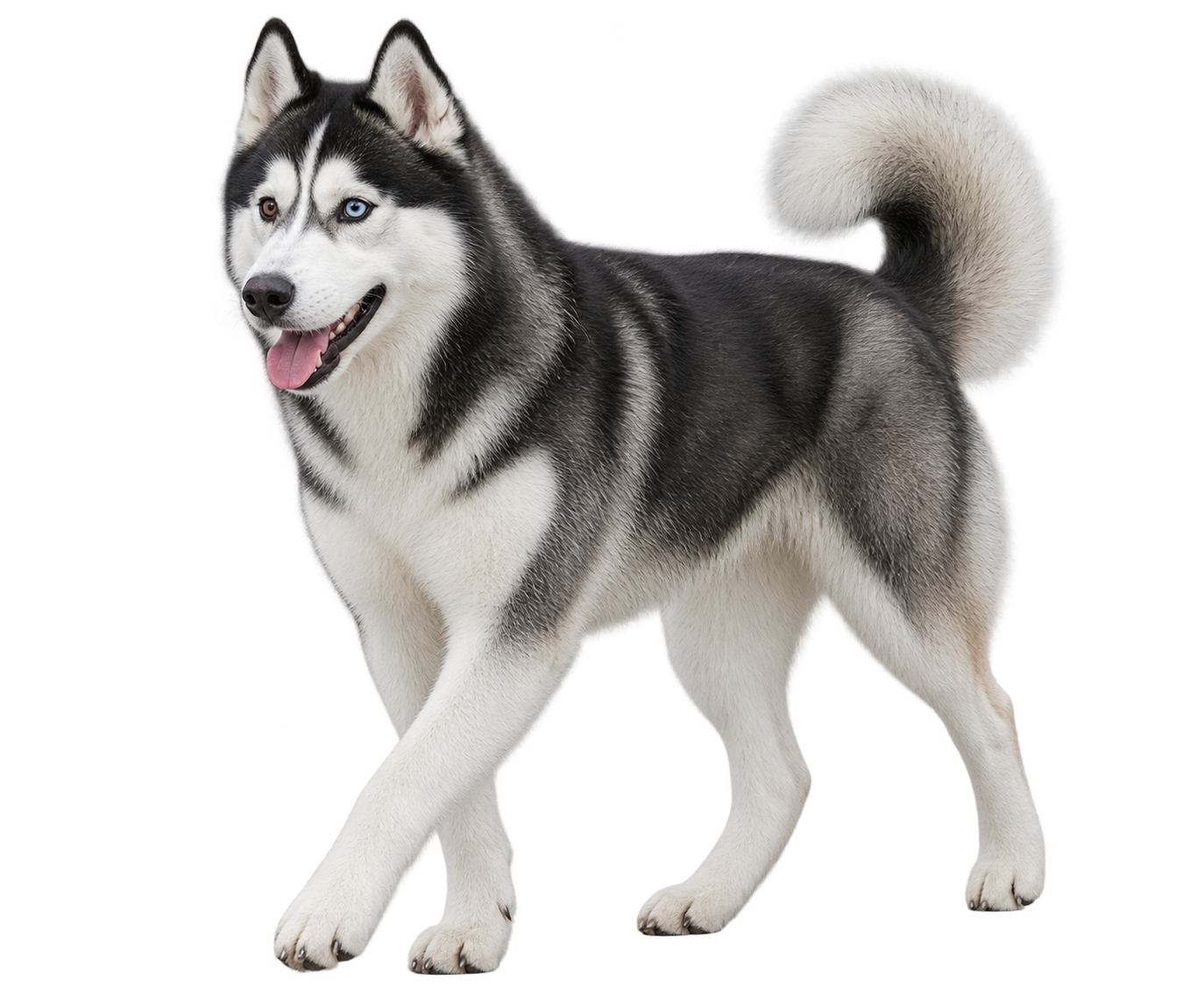
An energetic, independent sled dog with strong roaming instincts and heavy seasonal shedding.
Open breed profile →A practical first cut
These are breed-level tendencies, not a promise about an individual dog.
You want a much smaller northern companion and can provide substantial daily activity, patient socialization, secure management, and a plan for alert or expressive vocalization.
You want a larger, highly social endurance athlete and can provide vigorous exercise, company, secure containment, seasonal coat care, and management of strong pursuit behavior.
You need a quiet, low-shedding dog with modest exercise needs or cannot prevent roaming. Their difference in size does not remove the commitments associated with northern breeds.
The clearest contrasts
An energetic northern companion needs brisk daily activity and secure outlets.
Siberian Huskies are active athletic working dogs that need extensive regular physical exercise and purposeful activity.
Intelligence and engagement support learning when training is patient and rewarding.
Siberian Huskies are intelligent and willing workers, but effective training requires patience, consistency, and engaging methods.
Energy, reserve, voice, and containment needs create a meaningful management routine.
Siberian Huskies were bred to run and may take an opportunity to escape. Plan for reliable leash handling and secure containment rather than assuming dependable off-leash recall.
Close family attachment can coexist with reserve around unfamiliar people.
The official standard describes the Siberian Husky as friendly, gentle, alert, and outgoing rather than suspicious of strangers.
A dense double coat releases substantial hair, especially seasonally.
The dense double coat sheds heavily during seasonal coat changes and requires sustained removal of the old undercoat.
Common ground
Curiosity and alertness reward training games and varied problem-solving.
Regular training, shared activity, and working outlets are important for this intelligent, active breed.
Regular brushing is needed to manage the double coat and seasonal shedding.
Routine coat care is straightforward, but weekly brushing and intensive work during undercoat shedding are necessary.
Before you decide
Keep exploring
See how either breed compares with another realistic alternative.
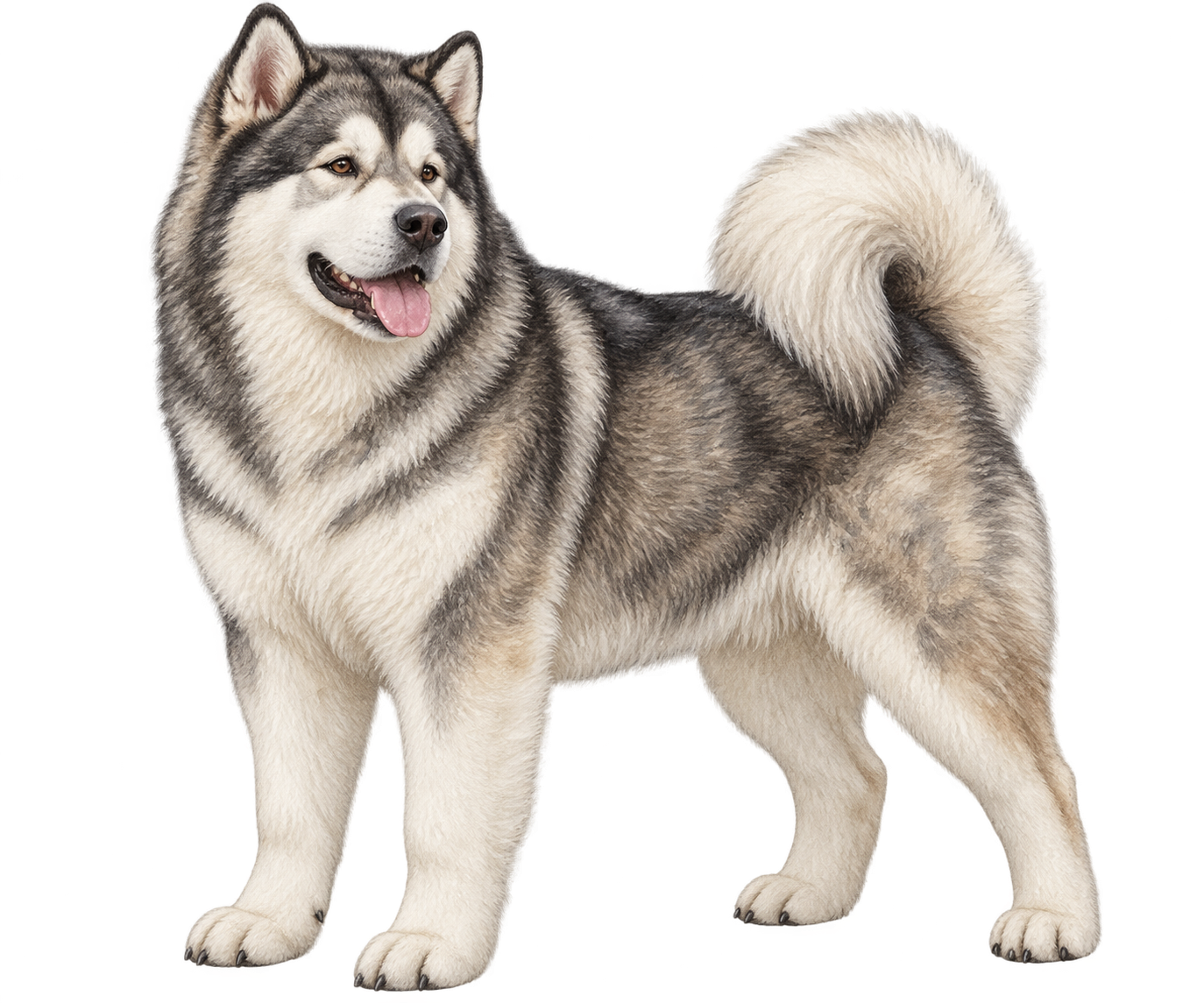 Alaskan Malamute vs Siberian HuskySled-dog exercise, independence, voice, and heavy coat care.Compare →
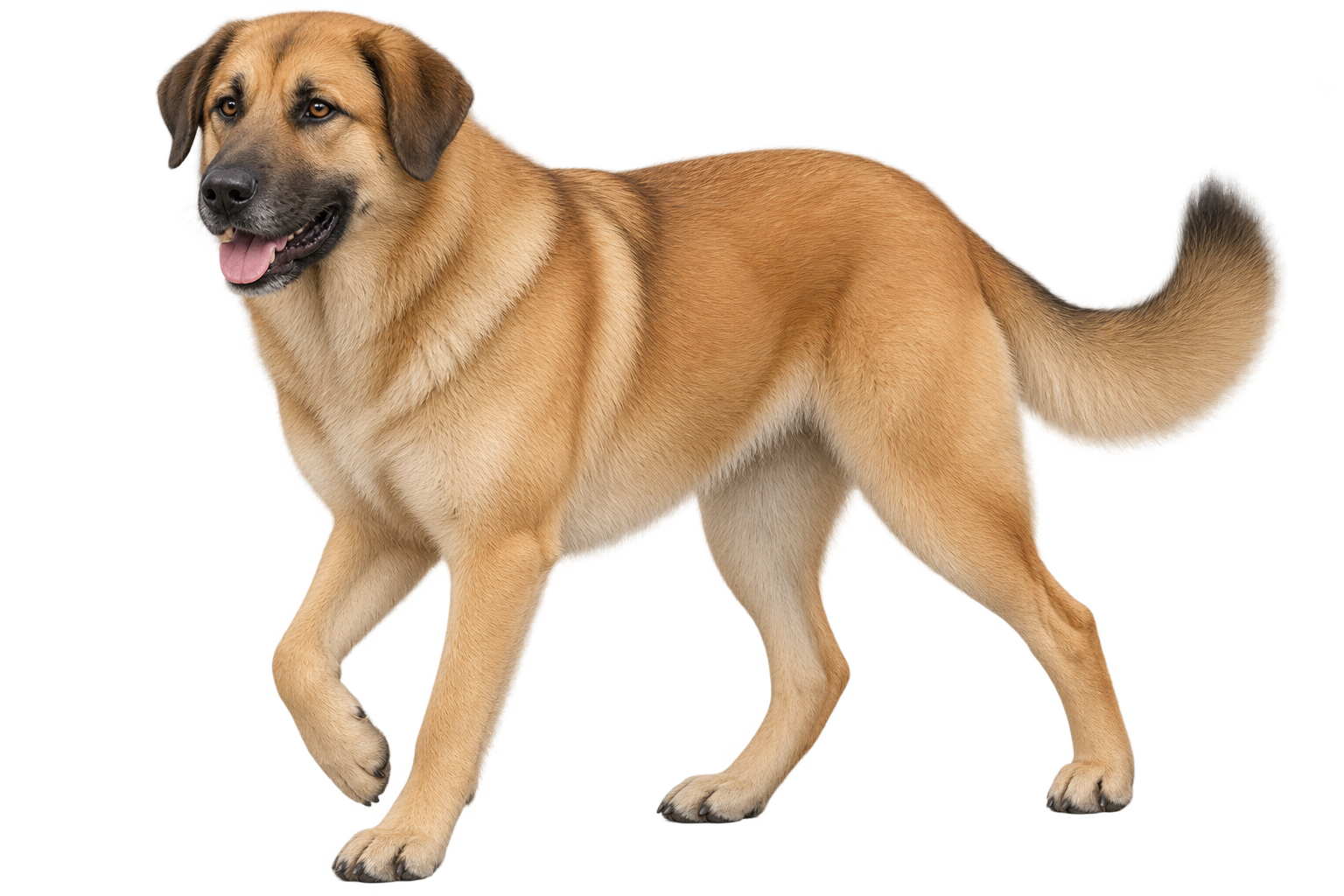 Chinook vs Siberian HuskyNorthern working-dog exercise, trainability, sociability, shedding, and warm-weather care.Compare →
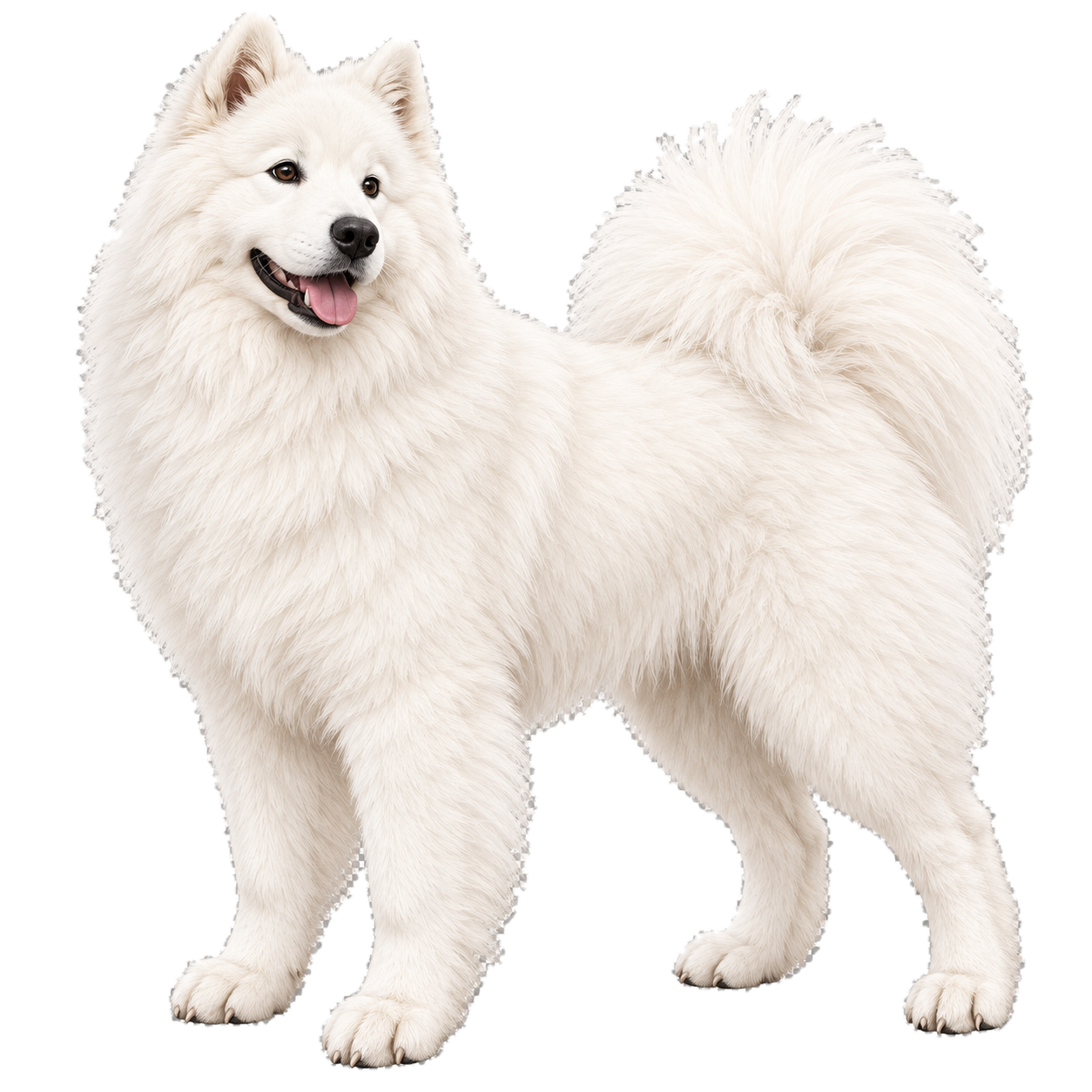 Samoyed vs Siberian HuskyExercise, independence, vocal behavior, and heavy coat care.Compare →
Your routine matters
Breed-level tendencies are a starting point. Check them against your own time, home, and constraints.