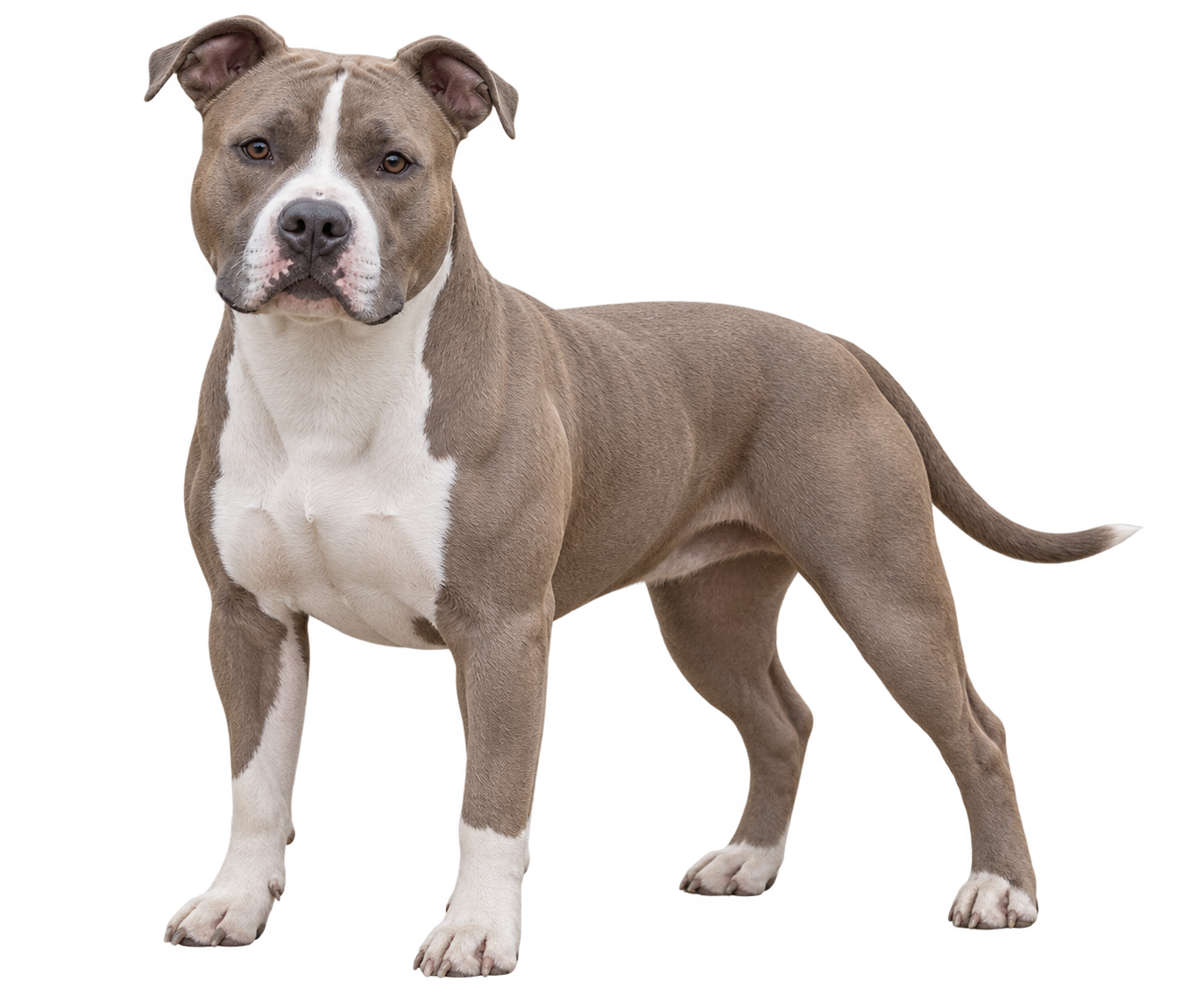
American Staffordshire Terrier
A confident, people-oriented terrier whose strength calls for early socialization, training, and thoughtful dog interactions.
Open breed profile →Evidence-backed comparison
See where their everyday needs align, where they differ, and which practical trade-offs deserve a closer look.
A confident, people-oriented terrier whose strength calls for early socialization, training, and thoughtful dog interactions.
Open breed profile →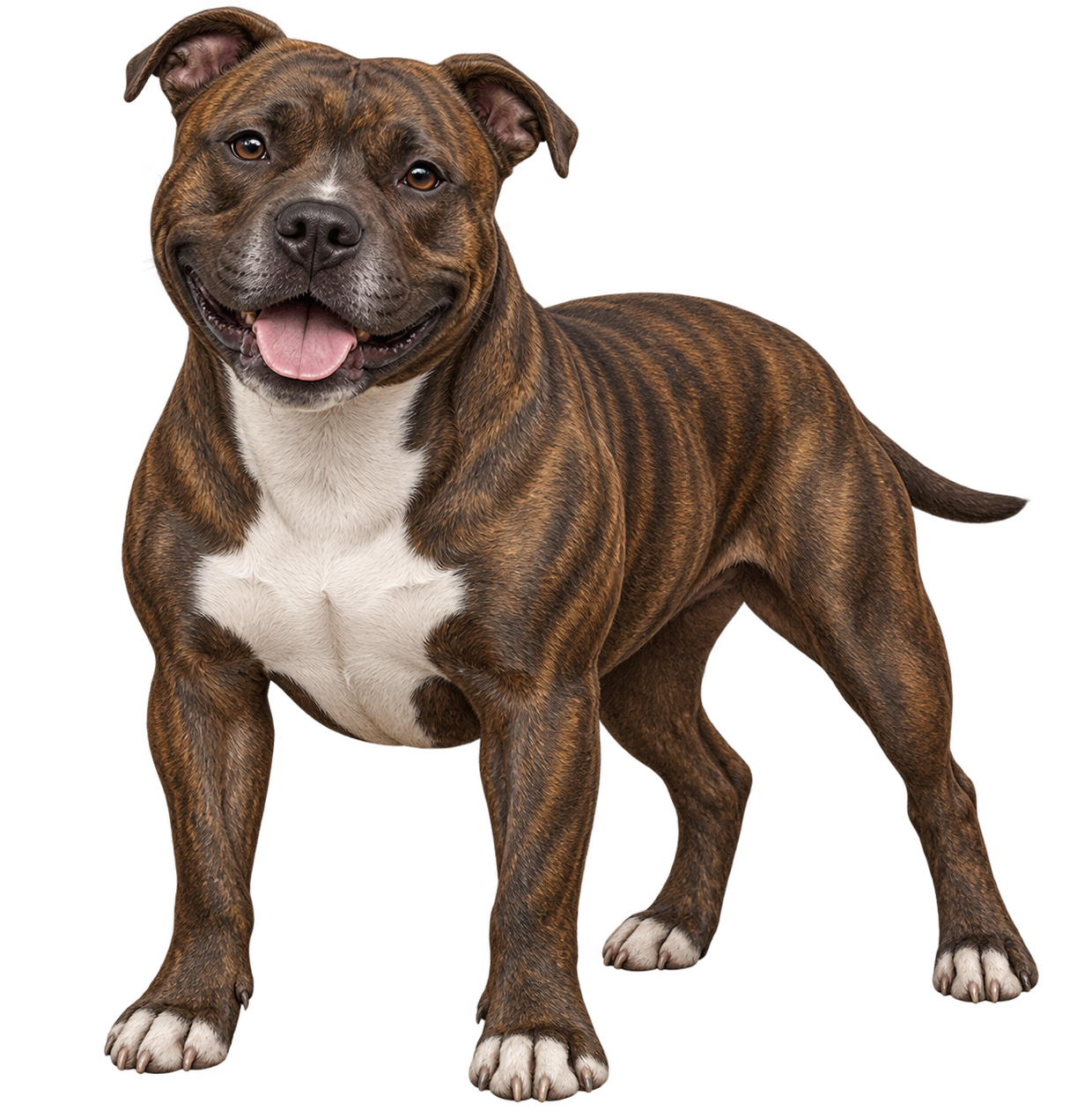
An affectionate, energetic people-dog whose strength, prey drive, and dog interactions need active management.
Open breed profile →A practical first cut
These are breed-level tendencies, not a promise about an individual dog.
You want an athletic, people-oriented terrier and can provide consistent reward-based training, early socialization, supervised physical play, and capable handling.
You value especially social companionship and can still manage strength, impulsive play, possible dog selectivity, strong prey drive, and heat during vigorous activity.
Your household cannot supervise interactions, manage introductions to dogs and small animals, or provide patient training; individual temperament still matters more than a breed label.
The clearest contrasts
Well-socialized AmStaffs are commonly affectionate and people-oriented.
The parent club emphasizes a strong love of people and stable companionship.
Family life can suit with respectful interaction, supervision, and management of physical play.
The standard highlights affection for friends and children, with normal supervision still needed.
The short coat sheds but is comparatively straightforward to maintain.
The smooth short coat has relatively modest shedding and care.
Occasional brushing generally maintains the short coat.
Occasional brushing and bathing generally cover coat maintenance.
Terrier heritage supports prudent leash use and managed introductions to small animals.
The parent club explicitly warns that many retain strong prey drive toward small mammals.
Common ground
Daily physical exercise and interactive play help channel this athletic terrier constructively.
An active, agile terrier needs purposeful daily movement and play.
Training, games, and varied activities provide important mental engagement.
Training and interactive play help engage intelligence and tenacity.
Intelligence and eagerness can support reward-based training with consistency.
They are quick learners when training is positive, patient, and creative.
Strength and potential selectivity with other dogs call for capable handling and early socialization.
Strength, impulsiveness, prey drive, and possible dog selectivity require foresight.
Before you decide
Keep exploring
See how either breed compares with another realistic alternative.
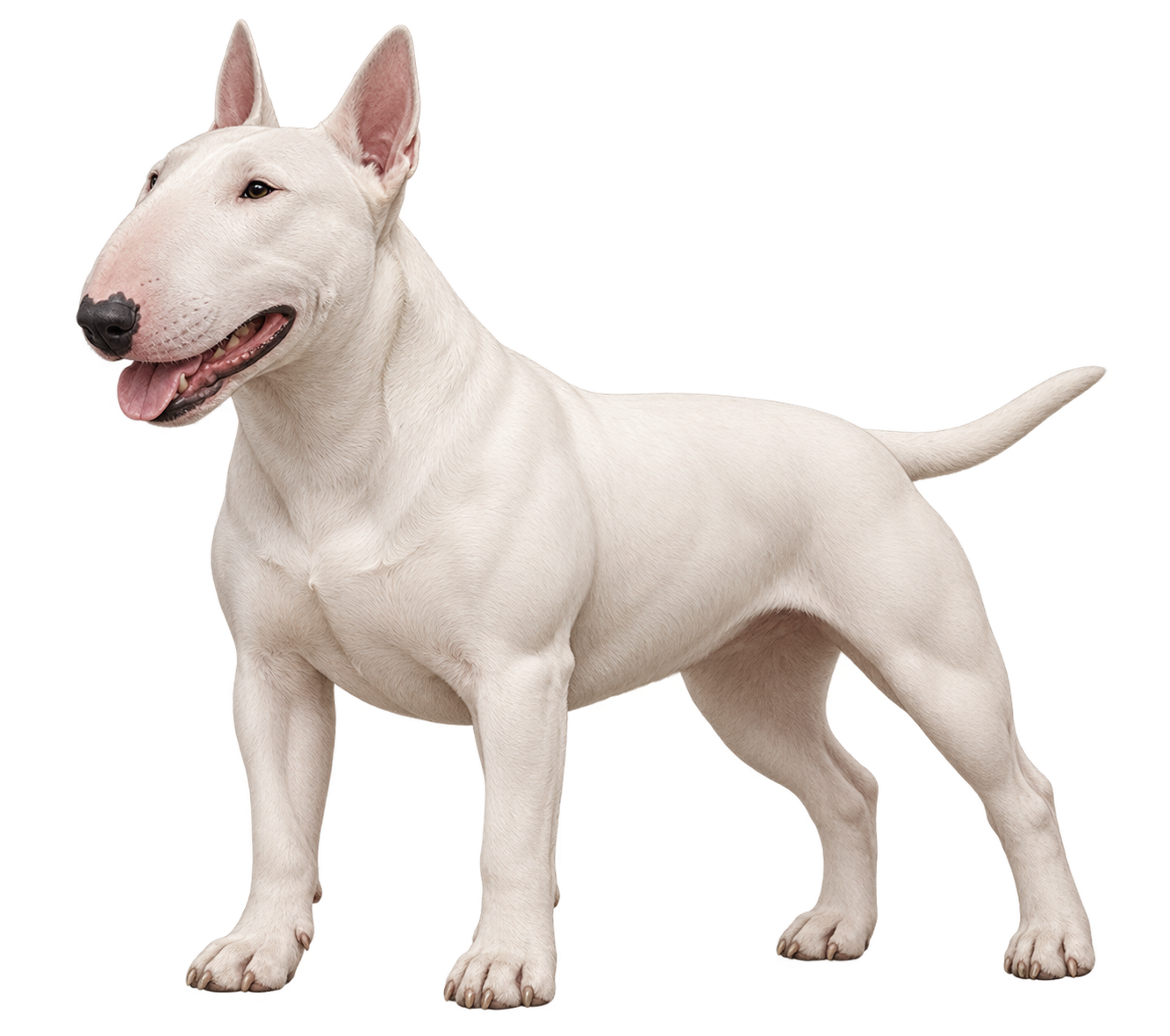 Bull Terrier vs Staffordshire Bull TerrierTerrier energy, training, sociability, and household management.Compare →
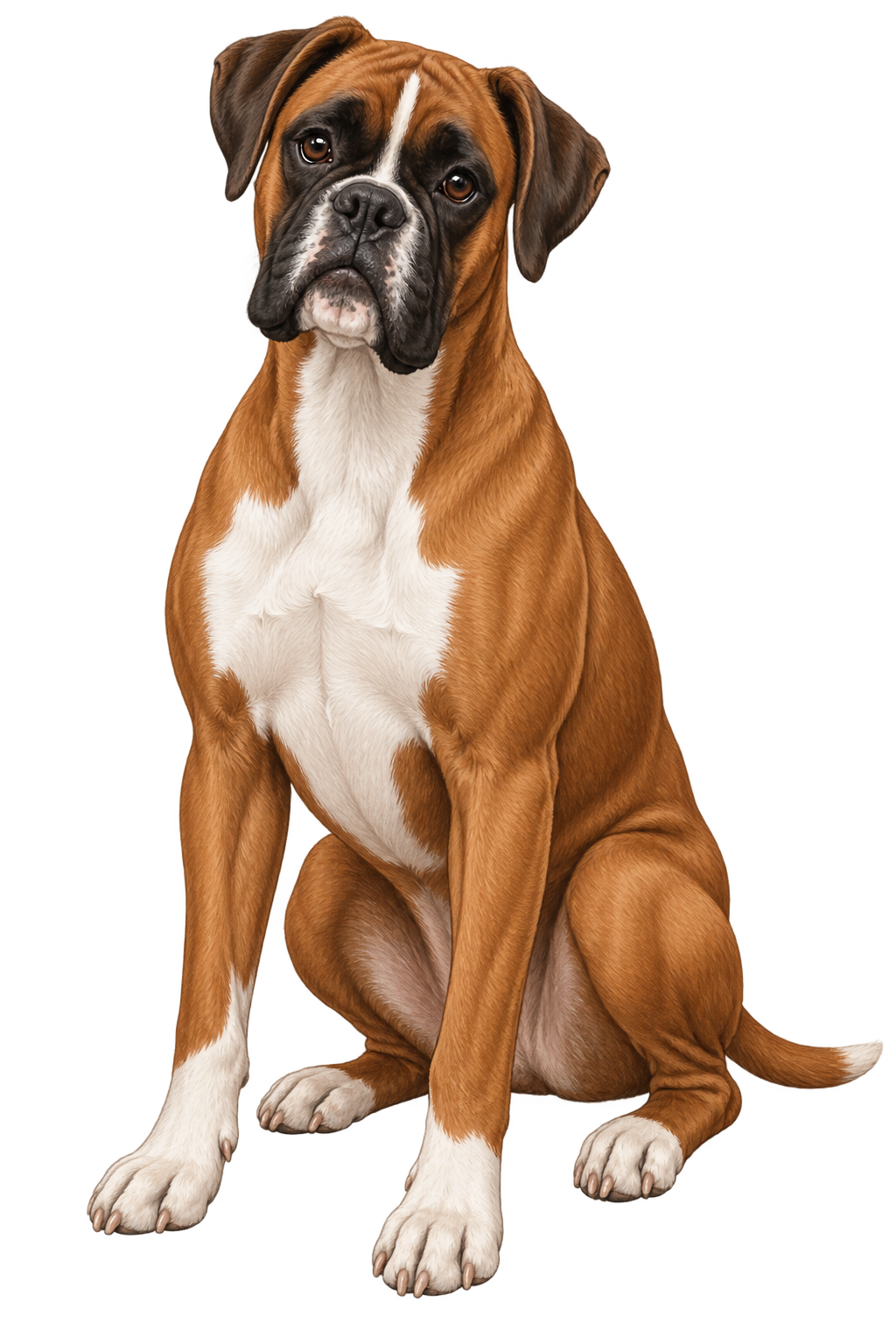 Staffordshire Bull Terrier vs BoxerPlayful energy, strength, training, and close companionship.Compare →
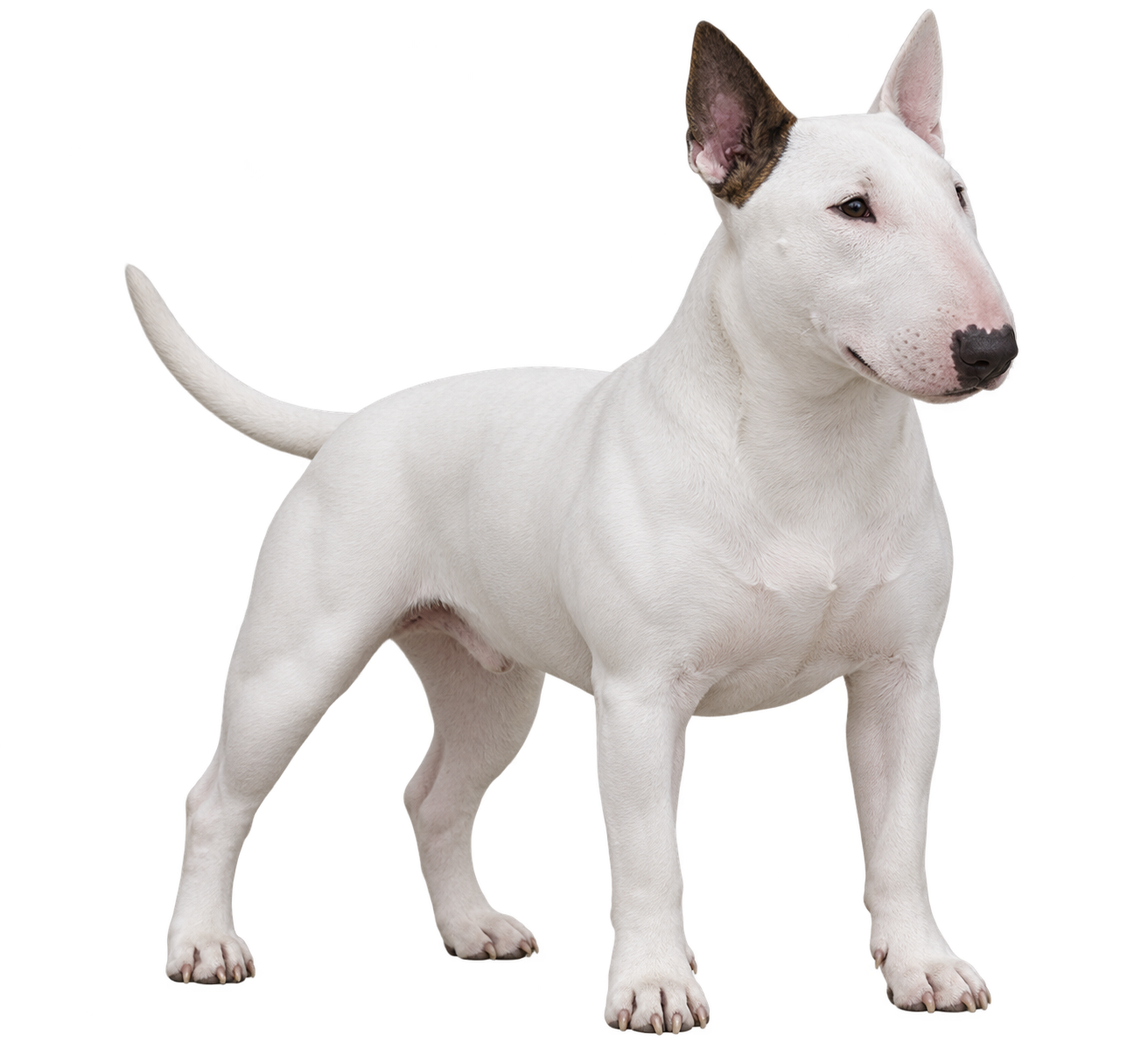 Miniature Bull Terrier vs Bull TerrierBull-terrier size, energy, persistence, prey drive, and experienced handling.Compare →
Your routine matters
Breed-level tendencies are a starting point. Check them against your own time, home, and constraints.