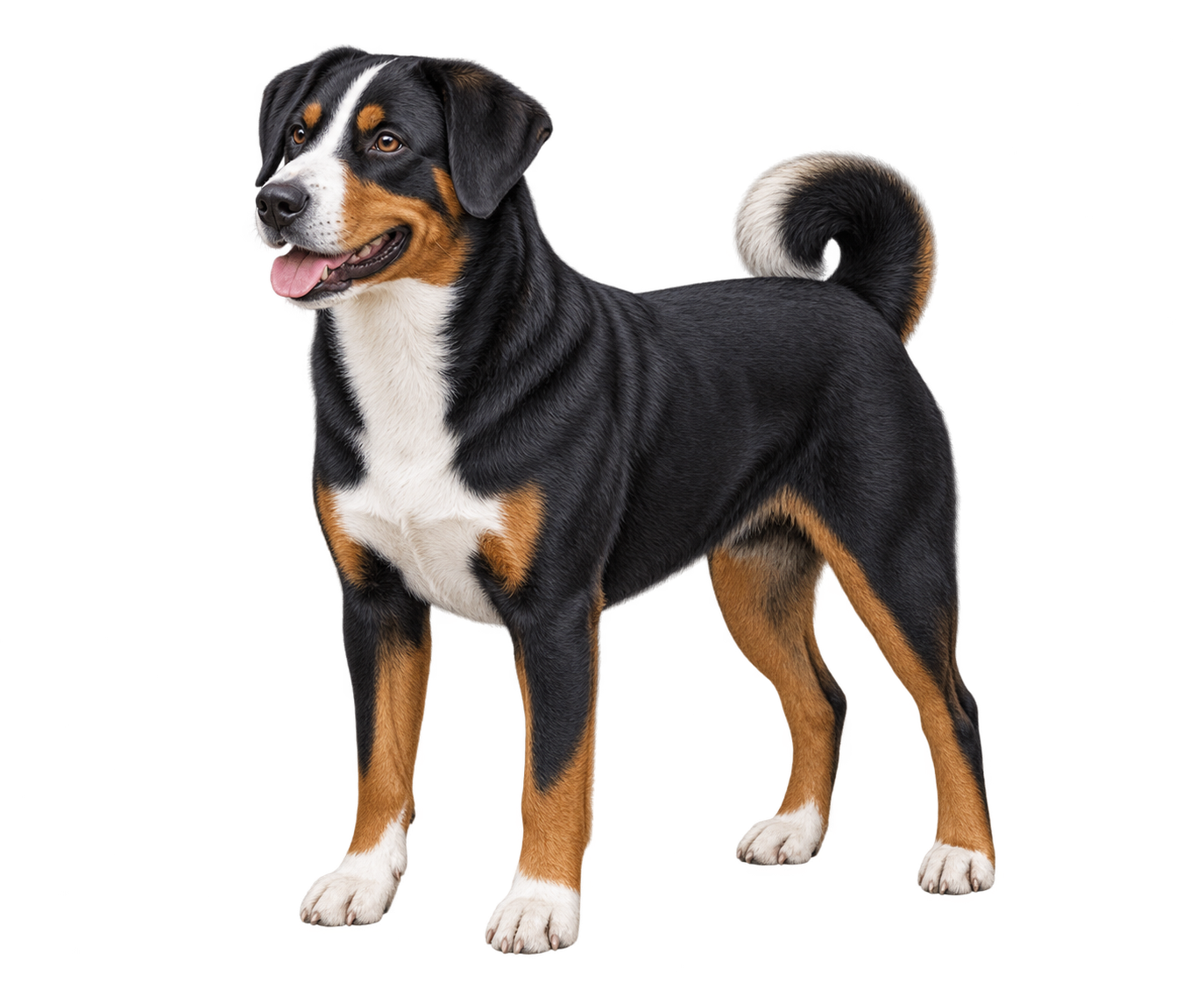
Appenzeller Sennenhund
A lively Swiss cattle dog whose agility, trainability, vigilance, and driving instinct demand purposeful daily work.
Open breed profile →Evidence-backed comparison
See where their everyday needs align, where they differ, and which practical trade-offs deserve a closer look.
A lively Swiss cattle dog whose agility, trainability, vigilance, and driving instinct demand purposeful daily work.
Open breed profile →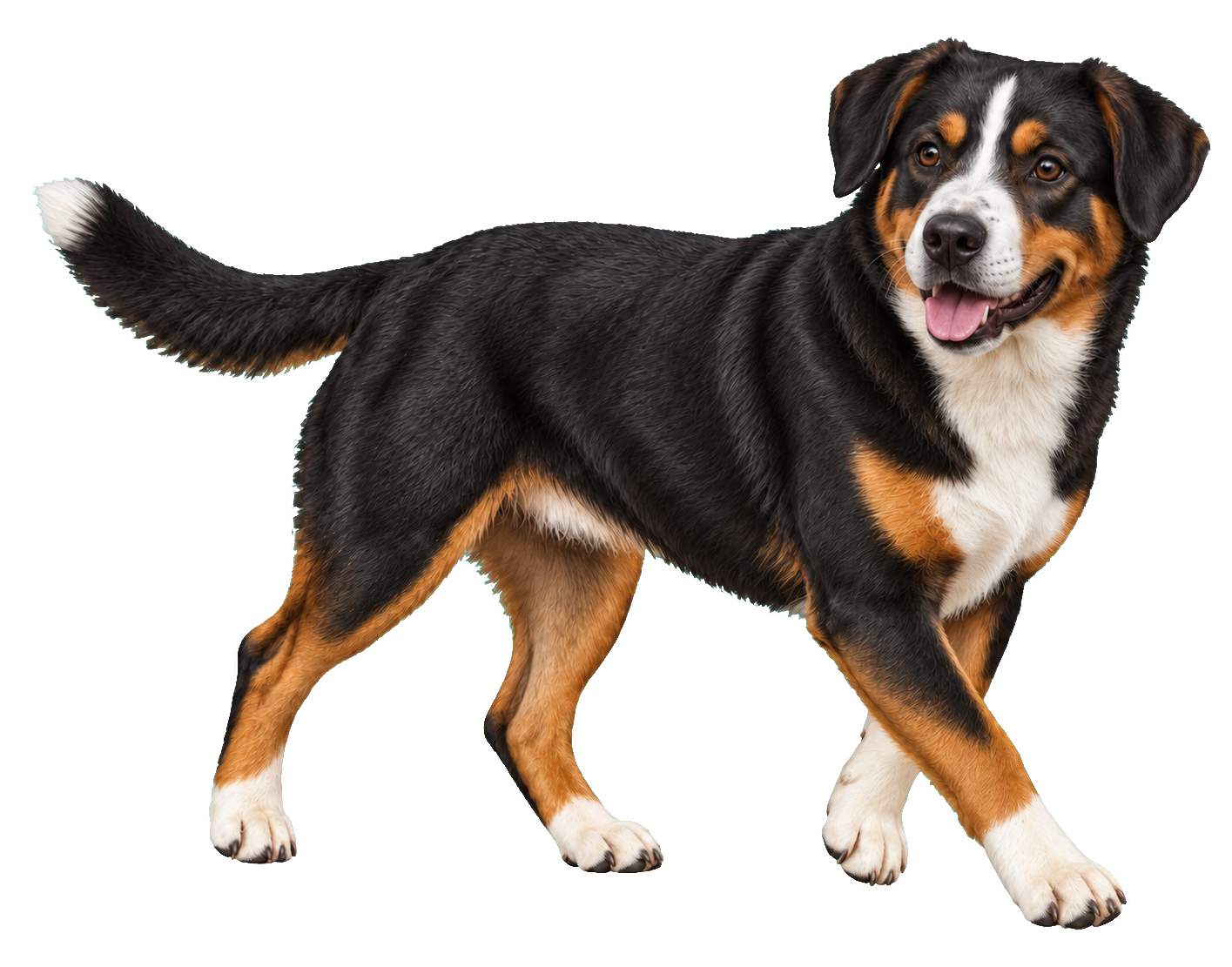
A compact but powerful Swiss cattle dog that needs substantial work, advanced training, and experienced daily structure.
Open breed profile →A practical first cut
These are breed-level tendencies, not a promise about an individual dog.
You want a larger, very energetic Swiss farm dog and can provide purposeful daily work, consistent training, broad socialization, and active management of vigilance and alert barking.
You prefer the smaller of the two and can still meet high exercise and mental-work needs, while managing cattle-dog intensity, reserve, voice, and close attachment to the household.
Your routine cannot support an active working dog or your home requires a reliably quiet, socially effortless companion. Smaller size does not make the Entlebucher low-demand.
The clearest contrasts
Versatile farm work and success in obedience, herding, and search tasks reflect a strong need for mental work.
Independent problem solving and a strong work ethic require purposeful tasks.
Family devotion is paired with natural watchfulness and some suspicion toward unfamiliar people.
The breed forms close bonds and prefers active involvement with its family.
The short double coat sheds but does not require elaborate coat work.
The dense double coat sheds routinely and more heavily during seasonal changes.
A short, firm double coat generally needs routine brushing rather than specialist grooming.
Weekly brushing and extra seasonal coat care are normally required.
Common ground
An agile cattle-driving and farm breed needs substantial purposeful movement every day.
A rugged cattle dog needs substantial daily exercise and athletic outlets.
The breed is described as trainable and willing, while retaining independent working judgment.
Intelligence supports advanced training when guidance is consistent and engaging.
Energy, vigilance, cattle-driving intensity, and stranger suspicion require structured handling and socialization.
Drive, strength, independence, and herding behavior are best matched with experienced structure.
Watch and farm duties support a meaningful alert-vocal tendency.
Alert farm-dog behavior can include a strong territorial voice.
Cattle-driving heritage creates strong sensitivity to movement and an impulse to control it.
Cattle-driving heritage can produce pursuit and movement-control behavior.
Before you decide
Keep exploring
See how either breed compares with another realistic alternative.
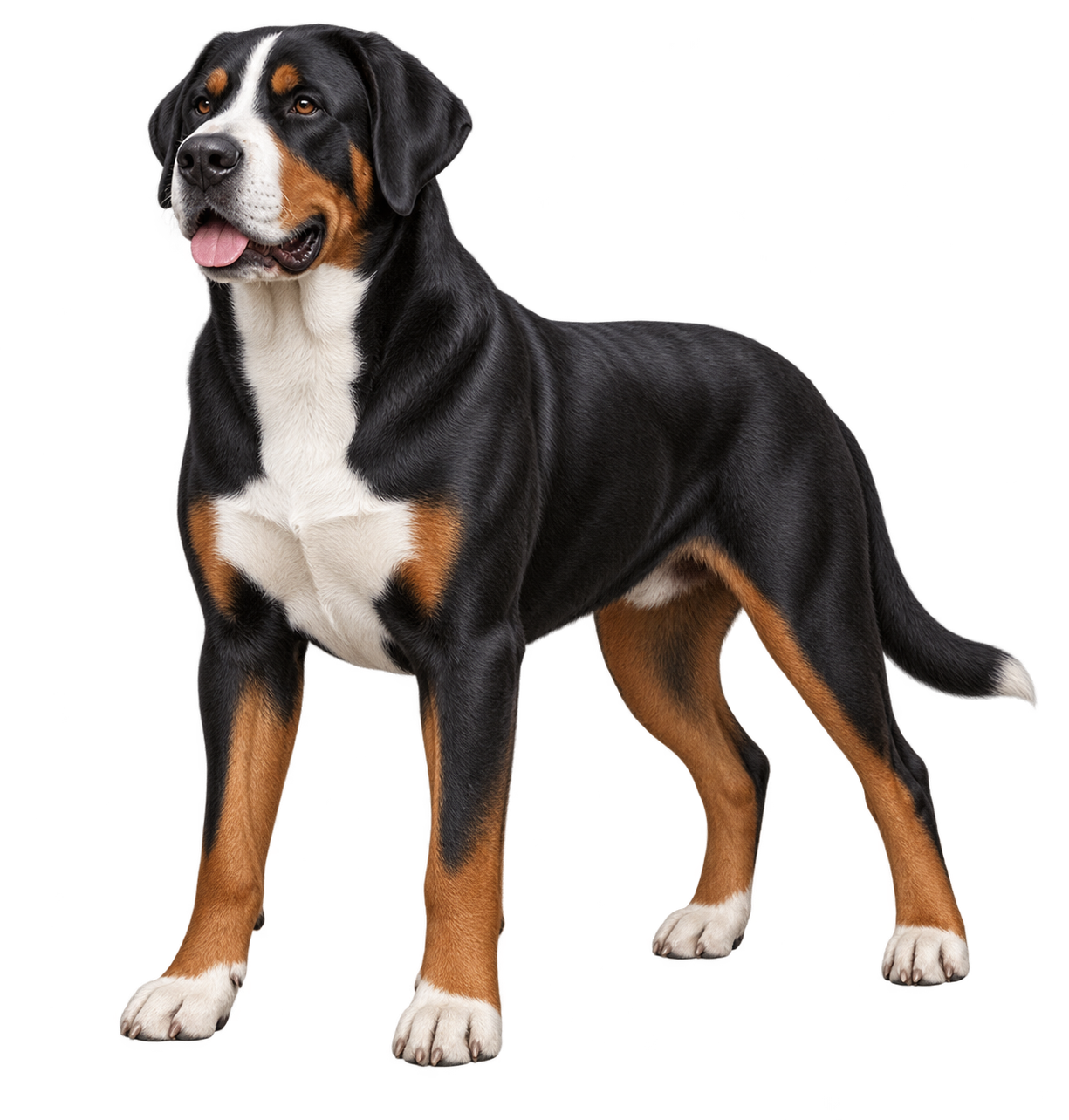 Entlebucher Mountain Dog vs Greater Swiss Mountain DogSwiss farm-dog size, work drive, training, voice, and family life.Compare →
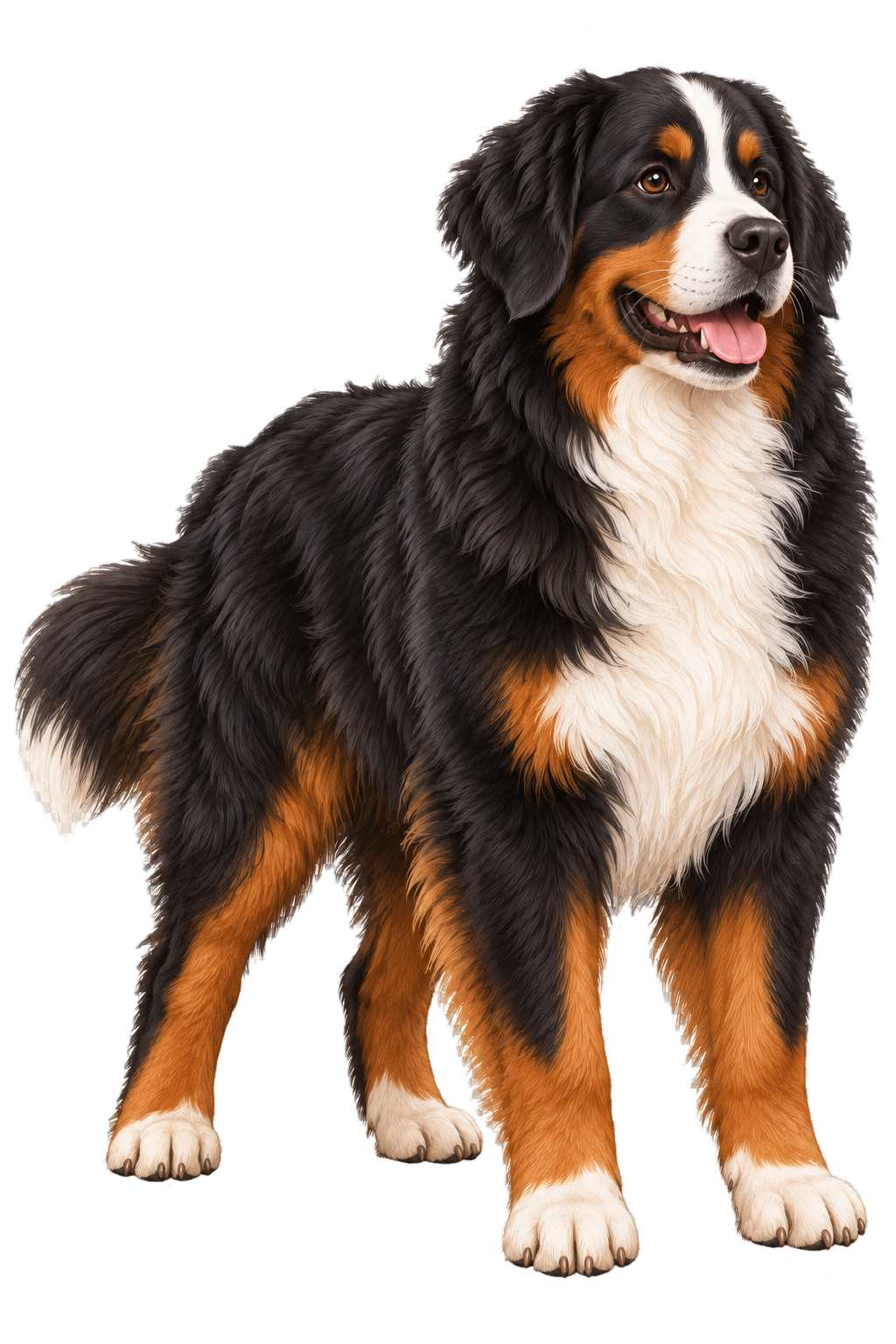 Greater Swiss Mountain Dog vs Bernese Mountain DogLarge farm-dog life, exercise, grooming, heat, and household planning.Compare →
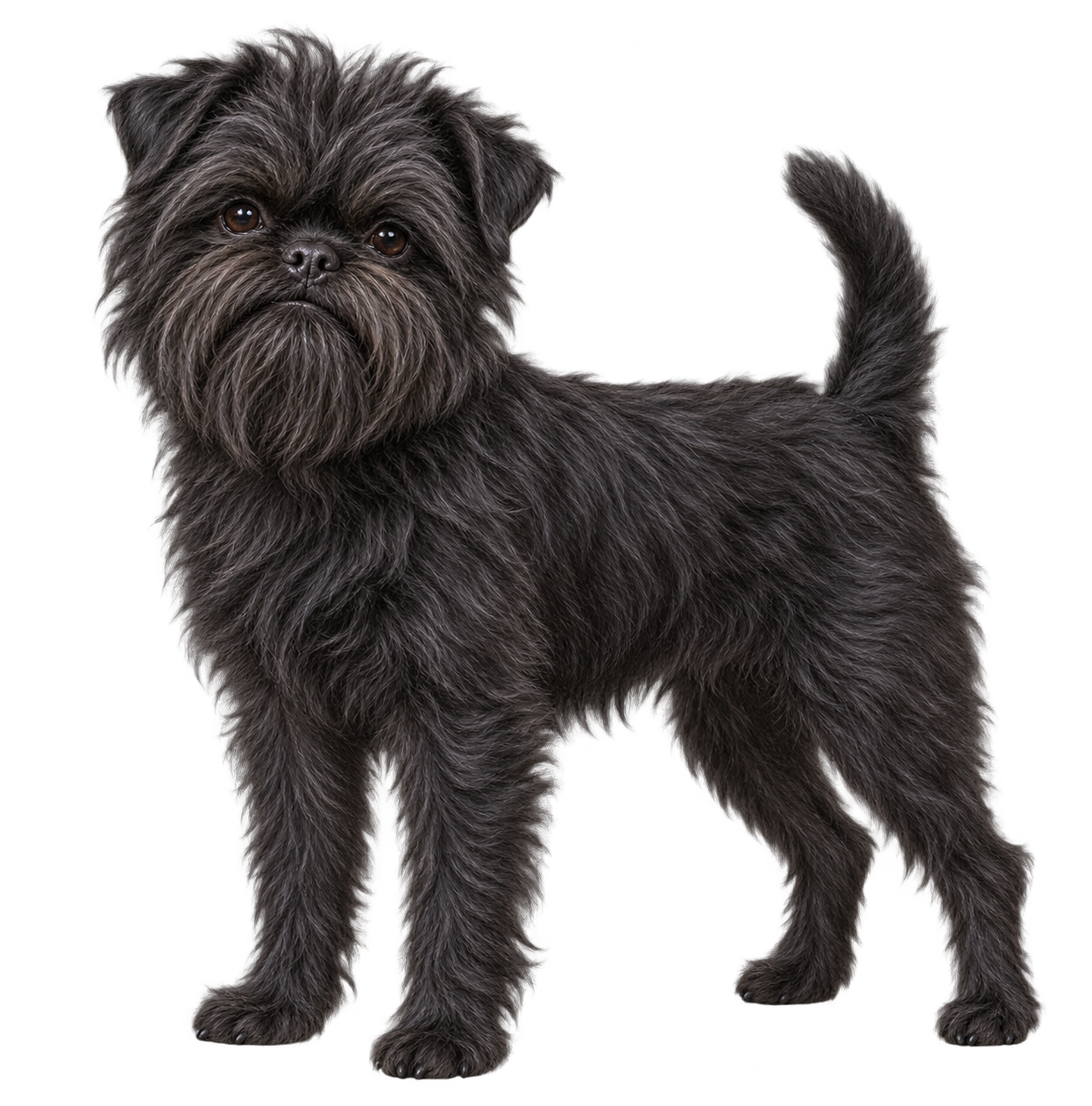
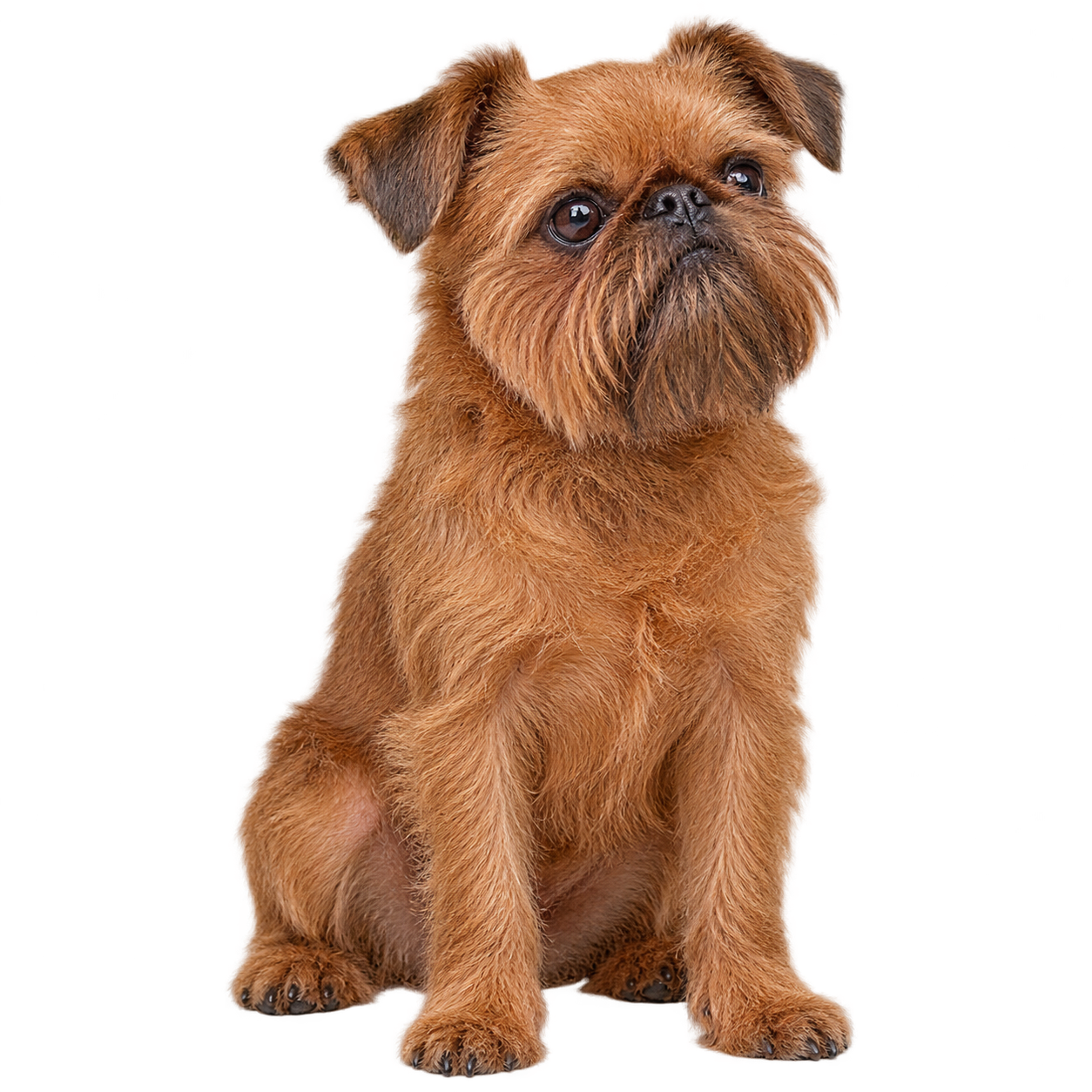 Affenpinscher vs Brussels GriffonTiny companion confidence, activity, voice, training, and rough-coat care.Compare →
Your routine matters
Breed-level tendencies are a starting point. Check them against your own time, home, and constraints.