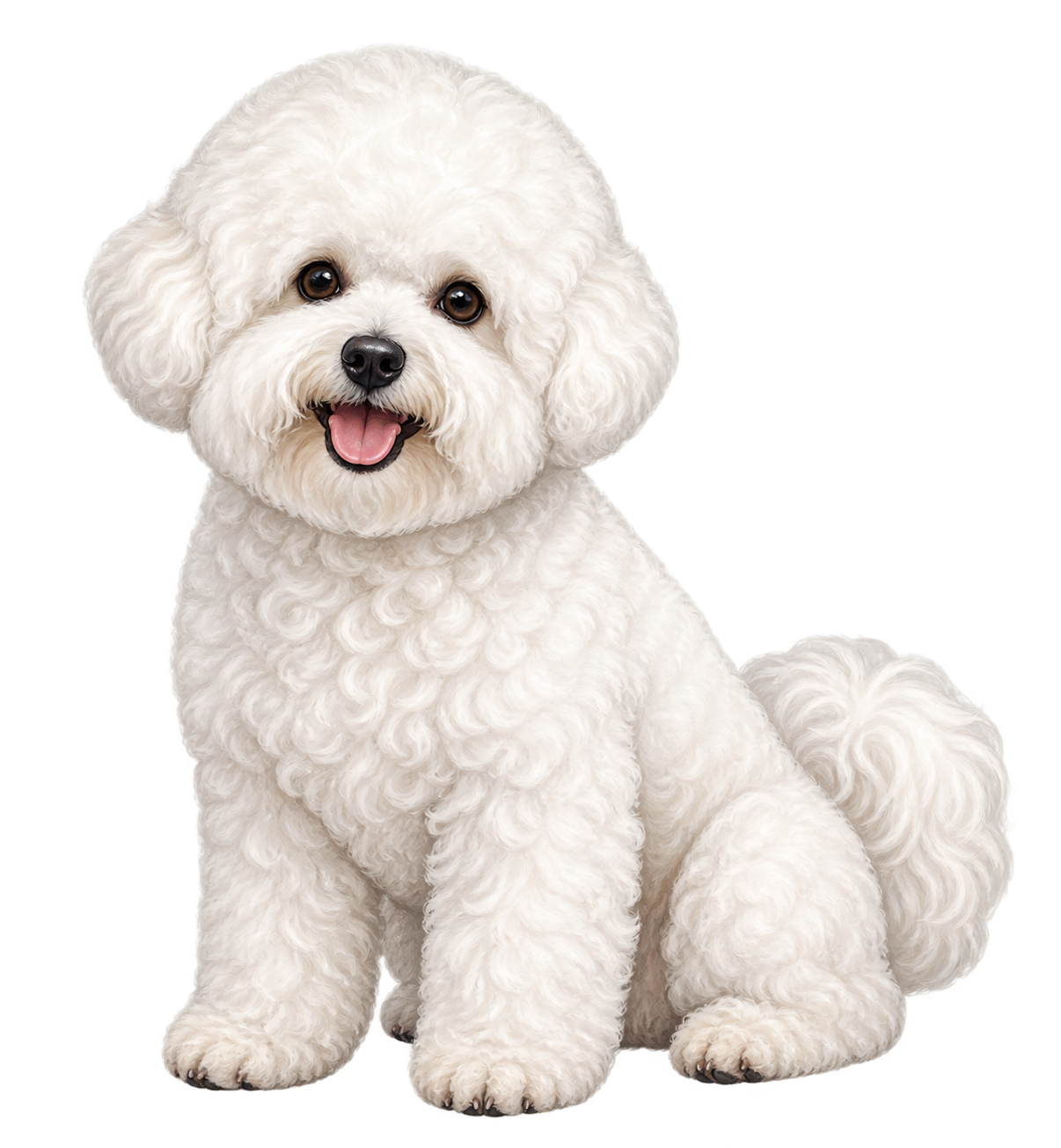
Bichon Frise
A cheerful companion that suits close family life but needs consistent coat care.
Open breed profile →Evidence-backed comparison
See where their everyday needs align, where they differ, and which practical trade-offs deserve a closer look.
A cheerful companion that suits close family life but needs consistent coat care.
Open breed profile →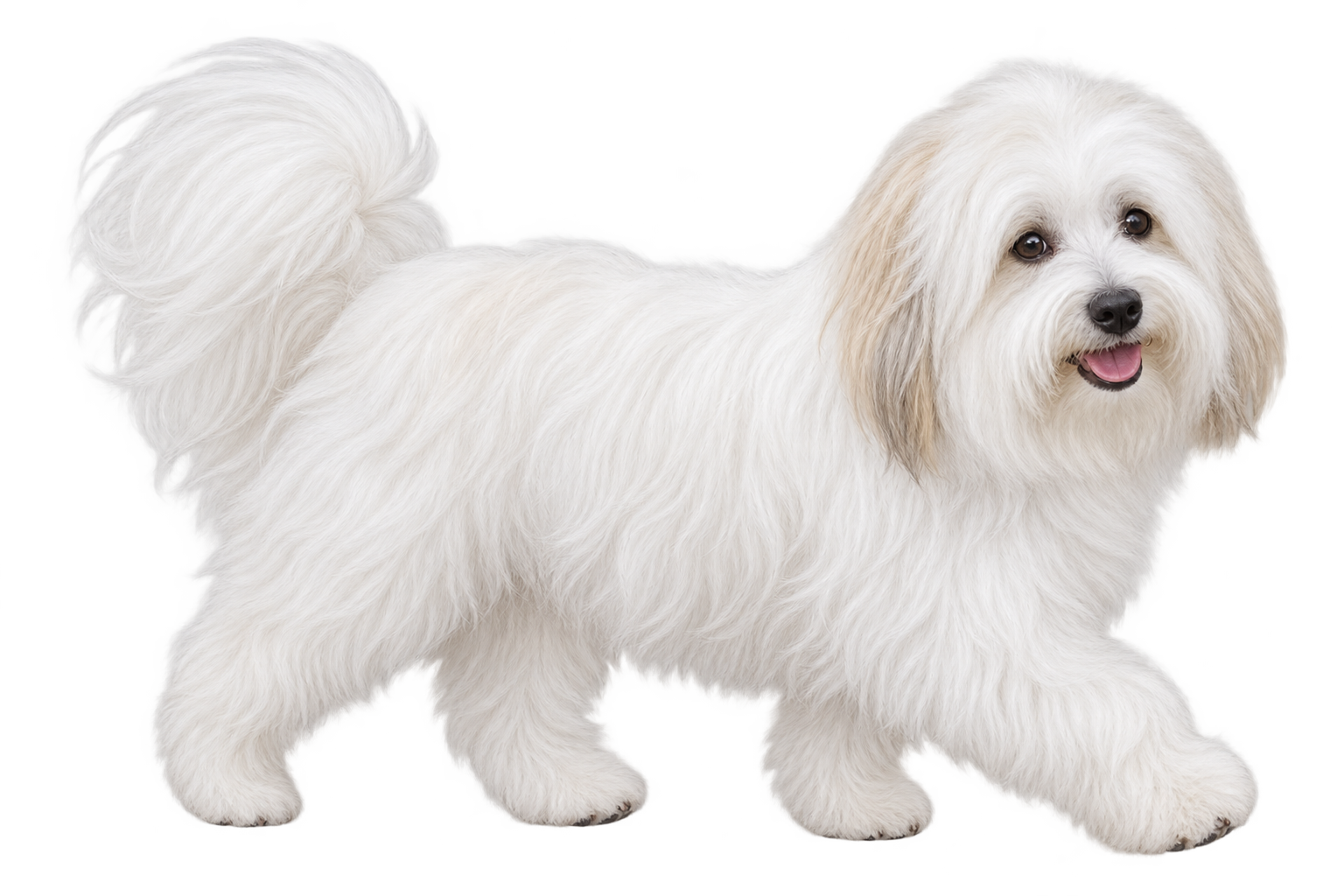
A cheerful, people-focused small companion whose adaptable nature comes with a cottony coat requiring consistent care.
Open breed profile →The clearest contrasts
Bichons have playful bursts of activity but commonly settle well with modest daily activity.
Daily walks and play usually meet this small companion breed’s activity needs.
Small size and modest exercise needs are offset by a substantial recurring coat-care commitment.
Small size and adaptability ease daily handling, although coat care remains substantial.
Loose hair is commonly caught in the undercoat, so shedding is low but coat care remains necessary.
The cotton-like coat sheds relatively little compared with many double-coated breeds.
Low shedding does not make a Bichon low maintenance. Plan for regular brushing, mat prevention, and recurring professional grooming; neglected mats can become painful.
The long cottony coat needs frequent brushing and regular maintenance to prevent mats.
Bichons are not described as particularly vocal compared with many other small breeds.
Alertness and social communication can produce some barking without making voice the breed’s main feature.
Common ground
Play, short positive training sessions, and regular social interaction provide suitable daily mental engagement for this intelligent companion breed.
Training, games, and social interaction help keep this bright companion engaged.
Bichons are described as intelligent and able to learn basic commands readily.
An eager, people-oriented temperament supports reward-based training.
The standard describes a gentle, sensitive, playful, affectionate breed with a cheerful attitude.
Cotons are strongly companion-oriented and generally thrive on close human contact.
AKC guidance presents Bichons as companion dogs that can suit households with children when handled appropriately.
A cheerful, sturdy companion temperament can suit considerate family life.
Before you decide
Keep exploring
See how either breed compares with another realistic alternative.
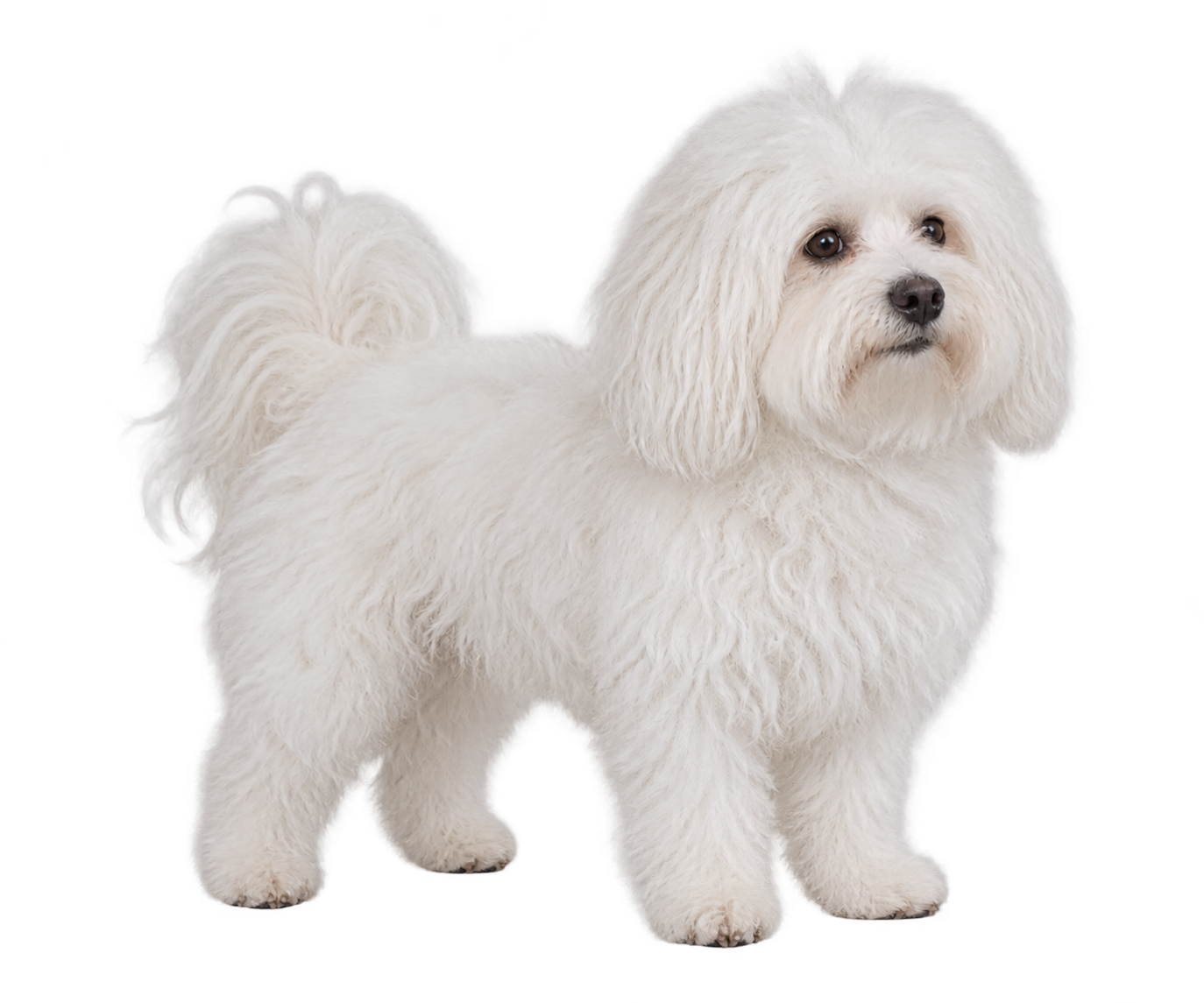 Bolognese vs Bichon FriseSmall white companion temperament, exercise, closeness, low shedding, and coat care.Compare →
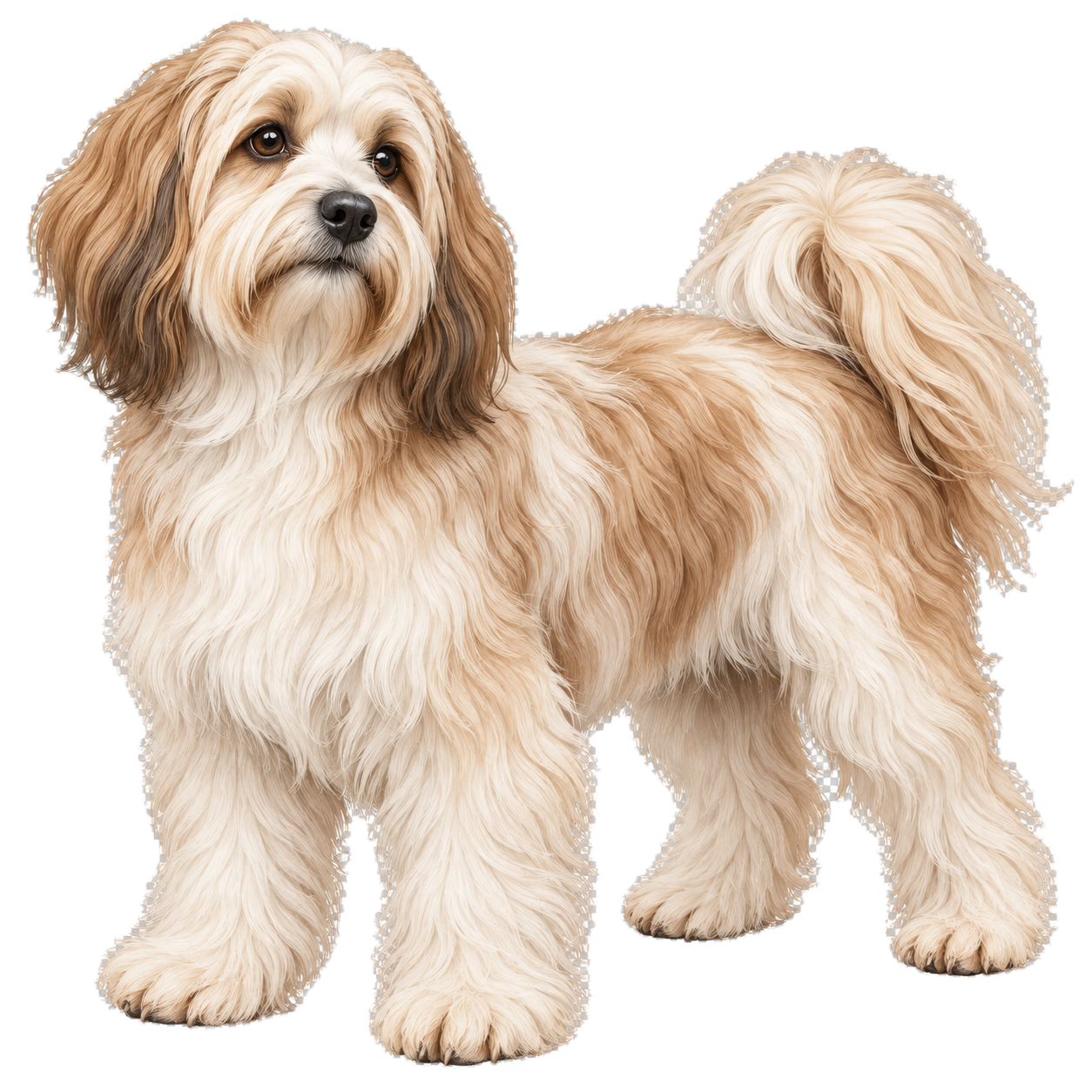 Coton de Tulear vs HavaneseSmall-companion sociability, activity, coat care, and everyday closeness.Compare →Havanese vs Bichon FriseCompanionship, exercise, coat care, and time alone.Compare →
Your routine matters
Breed-level tendencies are a starting point. Check them against your own time, home, and constraints.