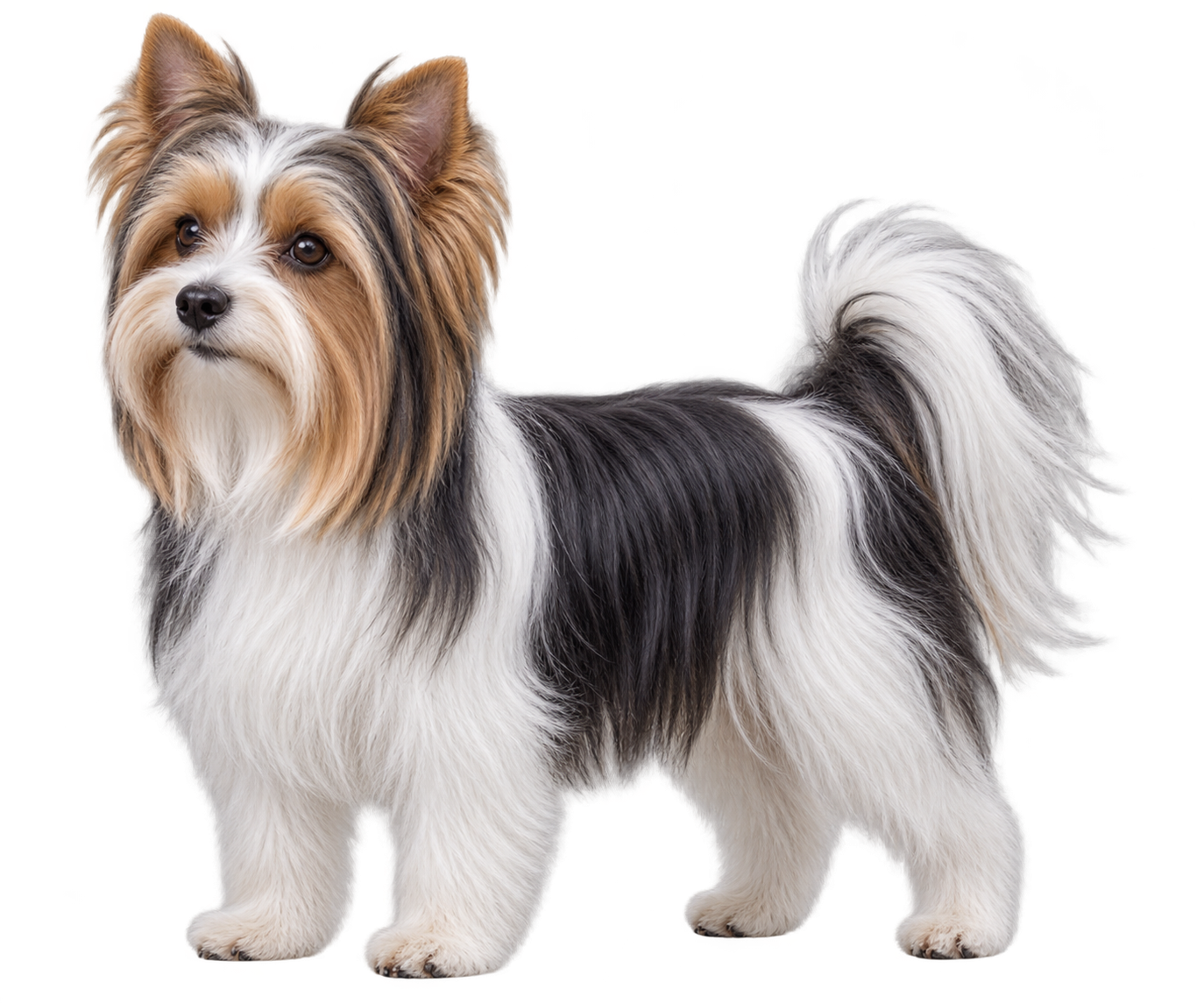
Biewer Terrier
A playful, affectionate toy companion whose tiny scale and long silky coat call for careful handling and frequent grooming.
Open breed profile →Evidence-backed comparison
See where their everyday needs align, where they differ, and which practical trade-offs deserve a closer look.
A playful, affectionate toy companion whose tiny scale and long silky coat call for careful handling and frequent grooming.
Open breed profile →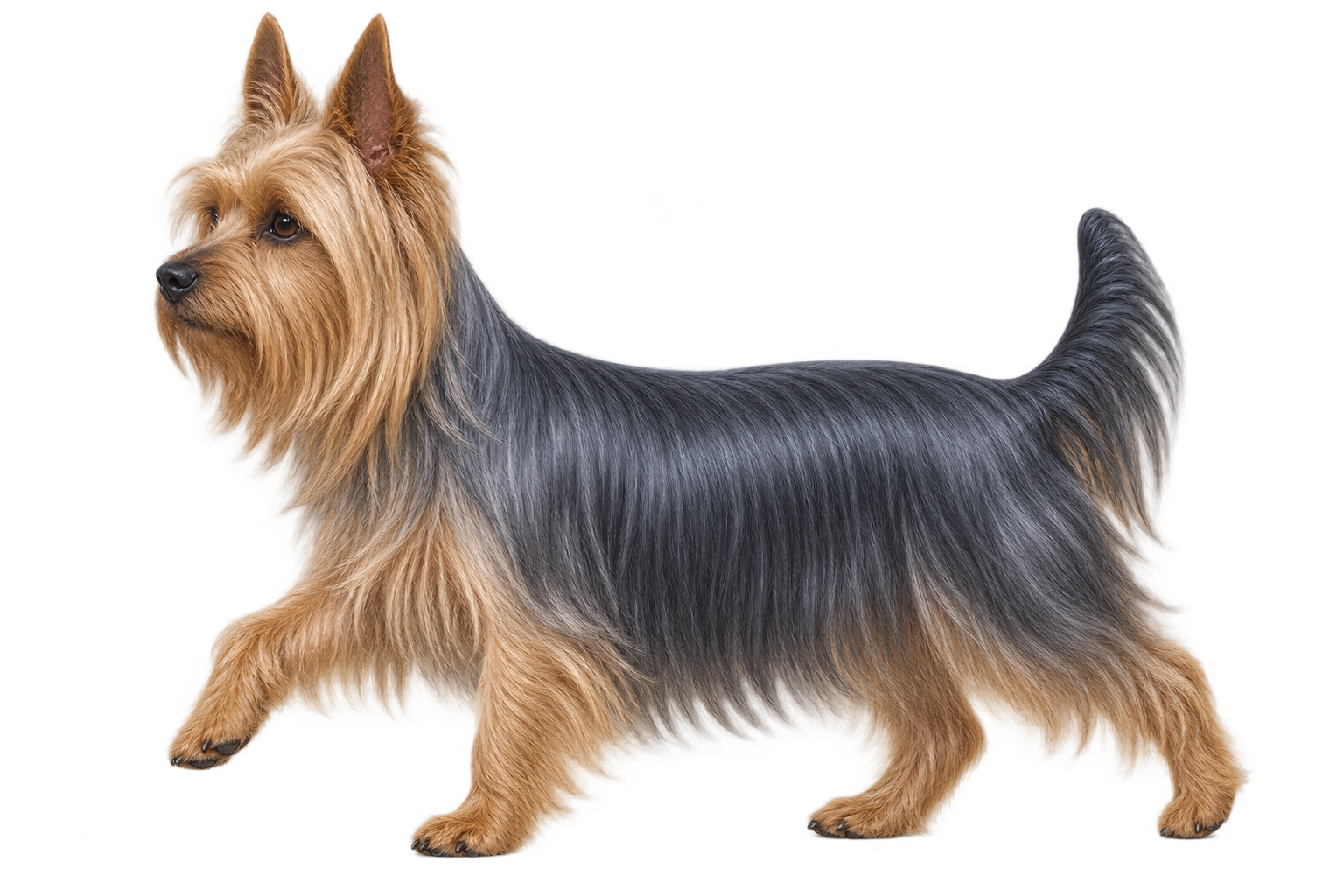
A compact Australian toy terrier combining bright companionship with real prey drive, alertness, and a demanding silky coat.
Open breed profile →The clearest contrasts
Daily walks and play suit this lively but compact toy companion.
This is an energetic true terrier despite Toy Group proportions.
Play, training, and family involvement help engage an inquisitive companion.
Alert intelligence benefits from training, games, and constructive outlets.
An intelligent, eager temperament supports short reward-based training.
Bright learning ability is balanced by independent terrier decision-making.
The breed was developed for affectionate companionship and close family life.
The breed was developed as both companion and active terrier.
The floor-length silky coat requires frequent brushing and careful mat prevention.
Long straight hair needs frequent brushing and regular coat care.
Toy-terrier alertness can produce situational vocal behavior.
Watchful terrier temperament can produce an active alarm voice.
Terrier heritage makes small-animal pursuit relevant without supporting a stronger conclusion.
True terrier heritage supports pursuit of small animals.
Common ground
Tiny size, close attachment, and a long coat require deliberate everyday care.
Small scale helps physically, but prey drive, voice, and coat routines add work.
The long silky coat is described as lightly shedding but still needs regular maintenance.
The long silky coat tends to shed lightly but is not maintenance-free.
Before you decide
Keep exploring
See how either breed compares with another realistic alternative.
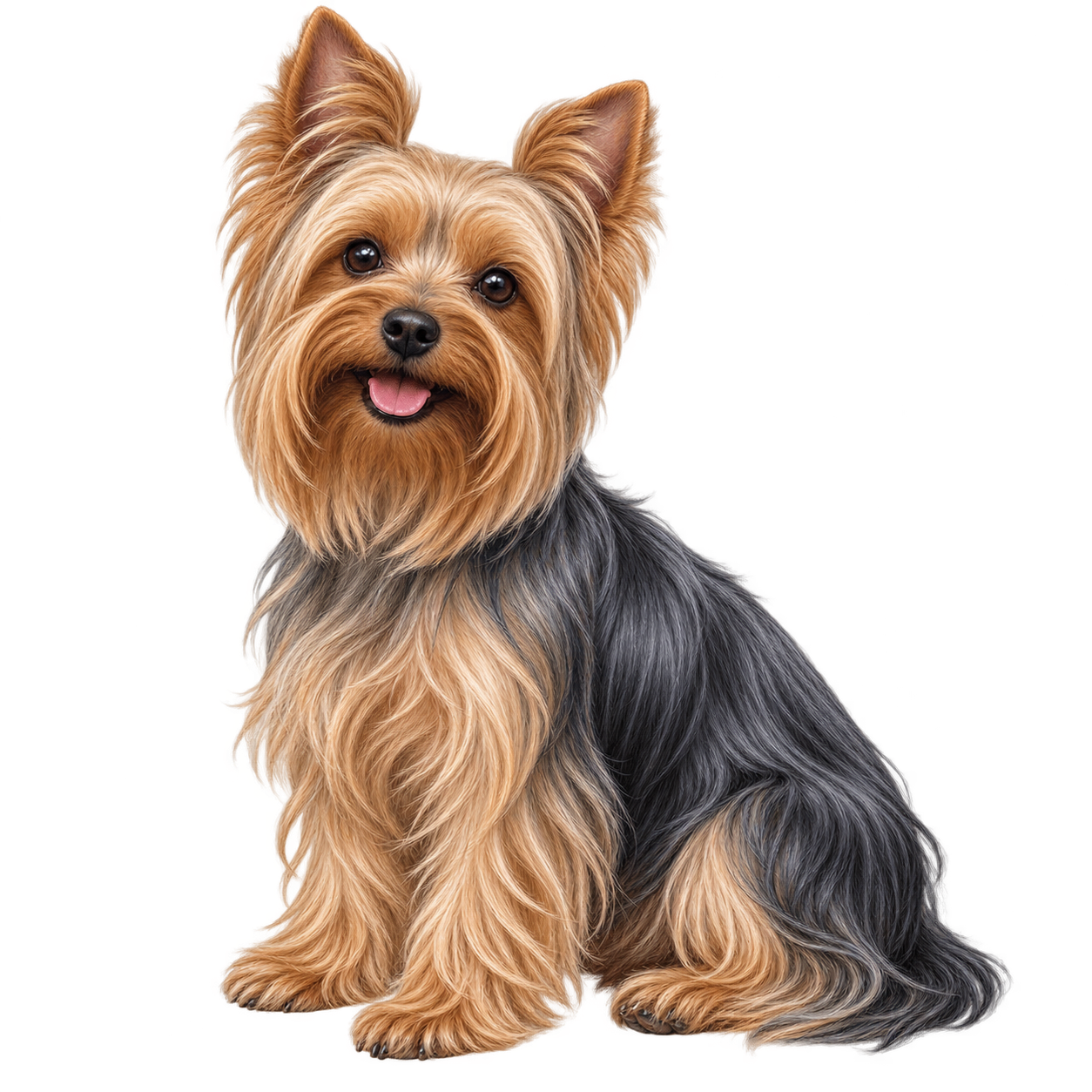 Biewer Terrier vs Yorkshire TerrierToy-terrier companionship, activity, fragility, voice, and silky-coat care.Compare →Silky Terrier vs Yorkshire TerrierToy-terrier activity, prey drive, voice, trainability, and silky-coat care.Compare →
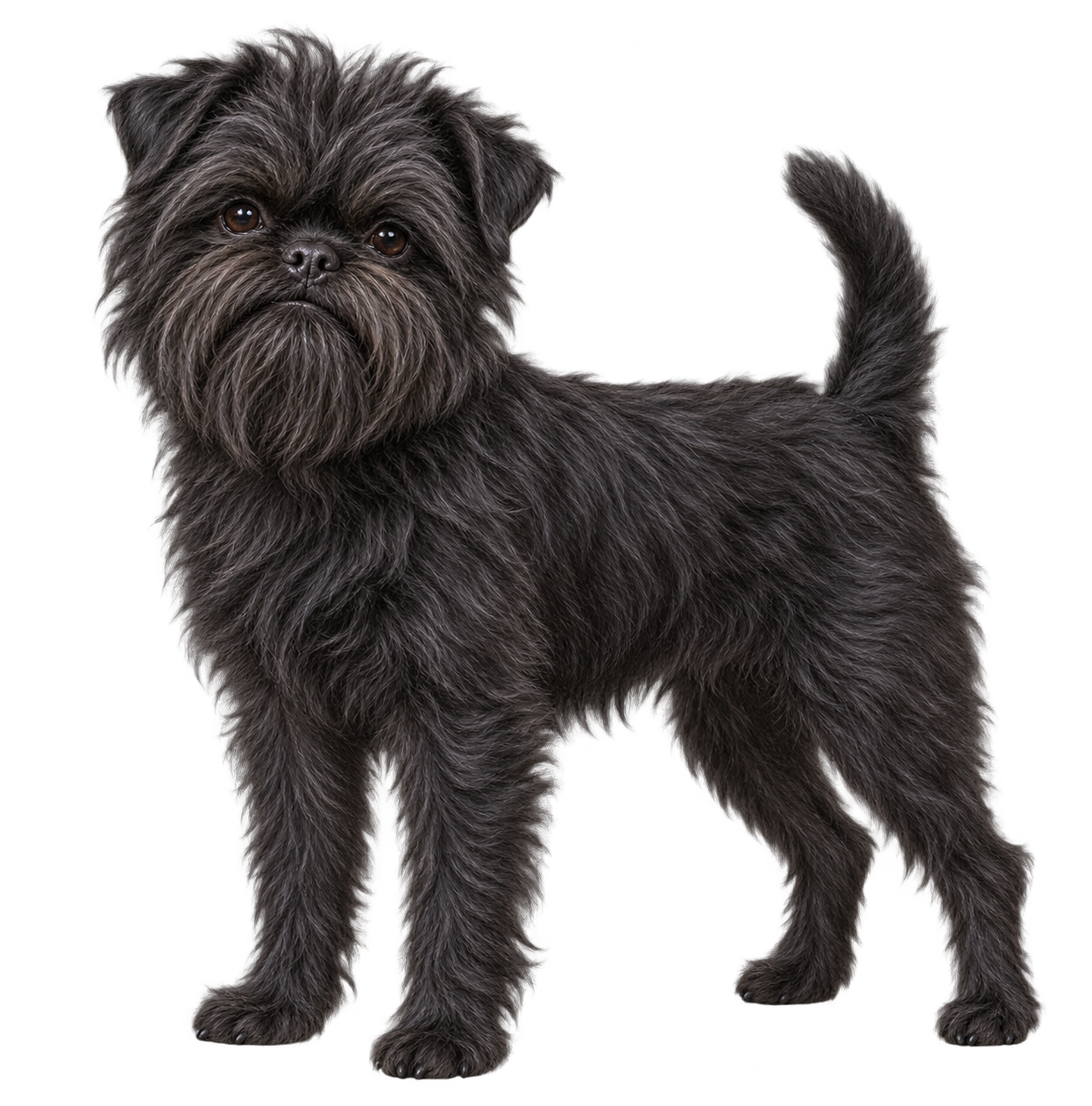
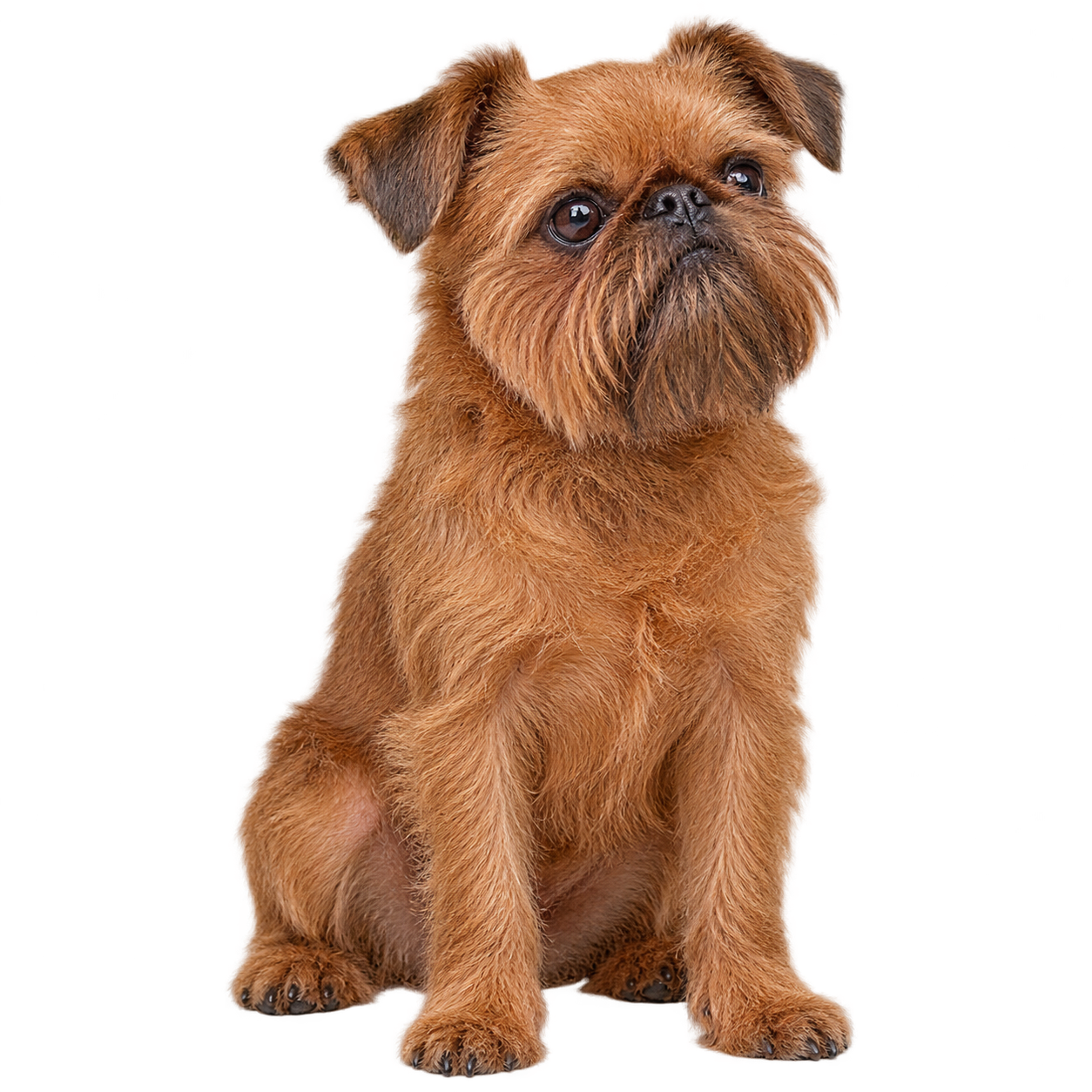 Affenpinscher vs Brussels GriffonTiny companion confidence, activity, voice, training, and rough-coat care.Compare →
Your routine matters
Breed-level tendencies are a starting point. Check them against your own time, home, and constraints.