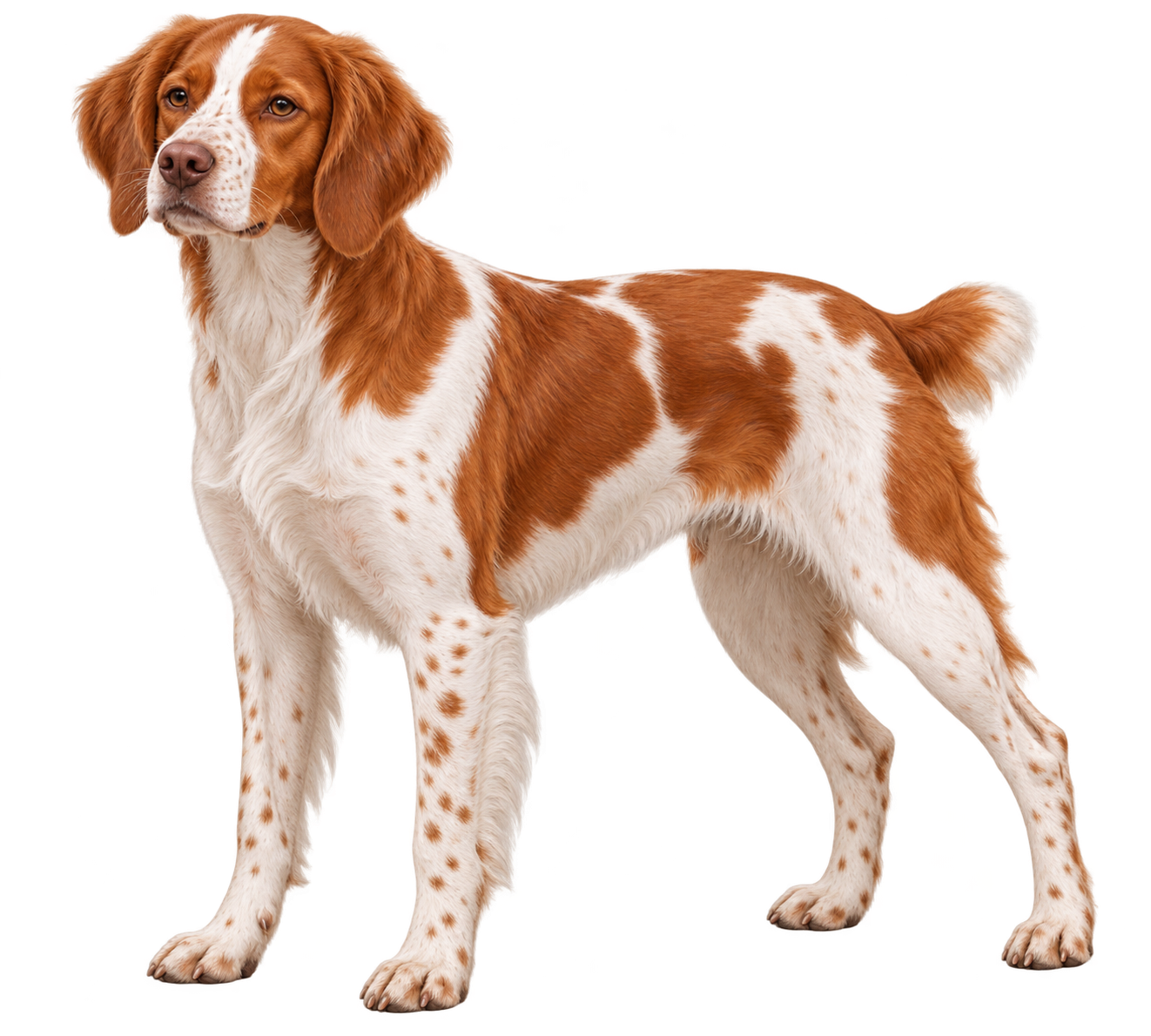
Brittany
An upbeat, sensitive sporting dog built for active days, cooperative training, and close companionship.
Open breed profile →Evidence-backed comparison
See where their everyday needs align, where they differ, and which practical trade-offs deserve a closer look.
An upbeat, sensitive sporting dog built for active days, cooperative training, and close companionship.
Open breed profile →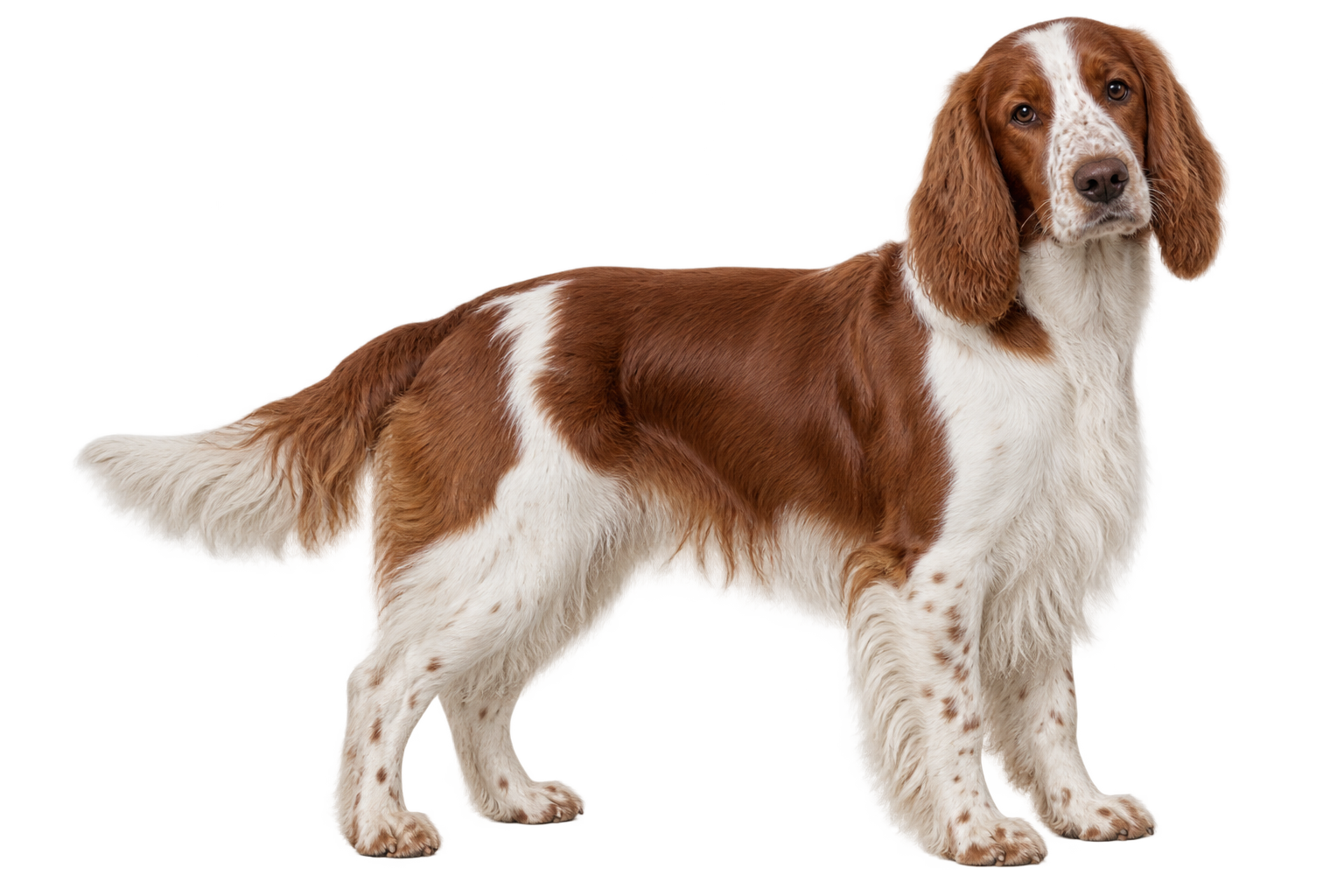
A devoted red-and-white sporting dog combining vigorous outdoor work, reserved introductions, and close family companionship.
Open breed profile →The clearest contrasts
Eagerness and intelligence support responsive, reward-based training.
Close family attachment and sporting cooperation support patient reward-based training.
Energy, sensitivity, and hunting instinct require an involved daily routine.
Exercise, reserve with strangers, prey drive, and feathered-coat care require steady management.
An upbeat, affectionate temperament favors close participation in family life.
Welsh Springers are companionable at home but can be reserved during unfamiliar introductions.
Routine brushing and checks after outdoor work are usually sufficient.
Regular brushing and attention to feathering and ears help prevent tangles and debris.
Common ground
This sporting dog needs sustained daily exercise and active time with people.
A vigorous sporting background calls for substantial daily exercise and outdoor activity.
Field work, scent games, training, and varied outings keep the mind engaged.
Training, scent work, and varied retrieving or field-style games support engagement.
They can be warm family dogs when exercise and supervision match their energy.
A happy, affectionate disposition can suit active family life with supervision.
The medium sporting coat sheds at a manageable level.
The weatherproof feathered coat sheds and benefits from routine hair management.
They may alert or vocalize when excited, isolated, or under-exercised.
Alertness may produce some barking, though voice is not the defining daily requirement.
High-output activity should be reduced in heat and paired with water and rest.
Conditioning, water, shade, and reduced intensity are important during warm-weather work.
Before you decide
Keep exploring
See how either breed compares with another realistic alternative.
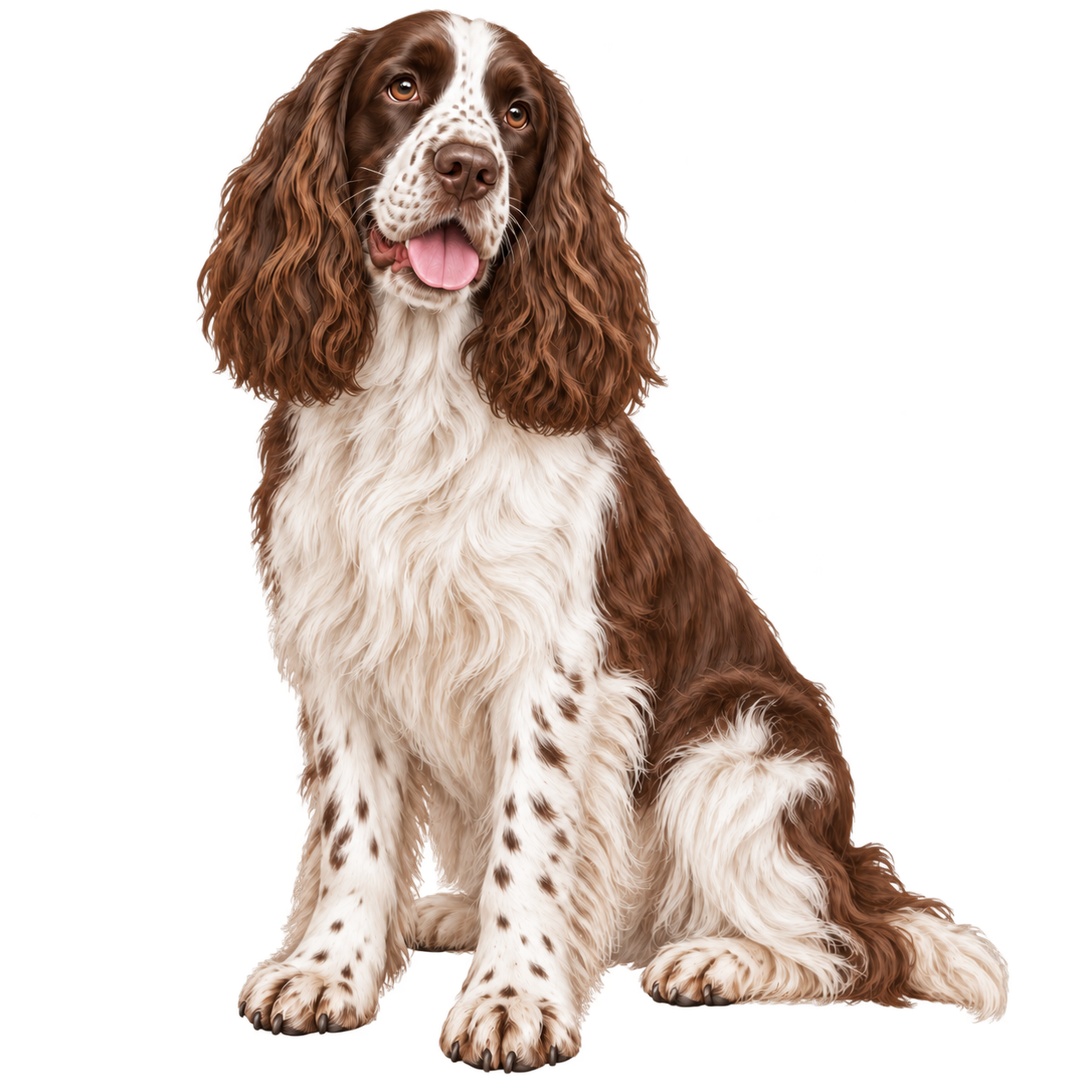 Brittany vs English Springer SpanielSporting energy, sensitivity, grooming, and close companionship.Compare →
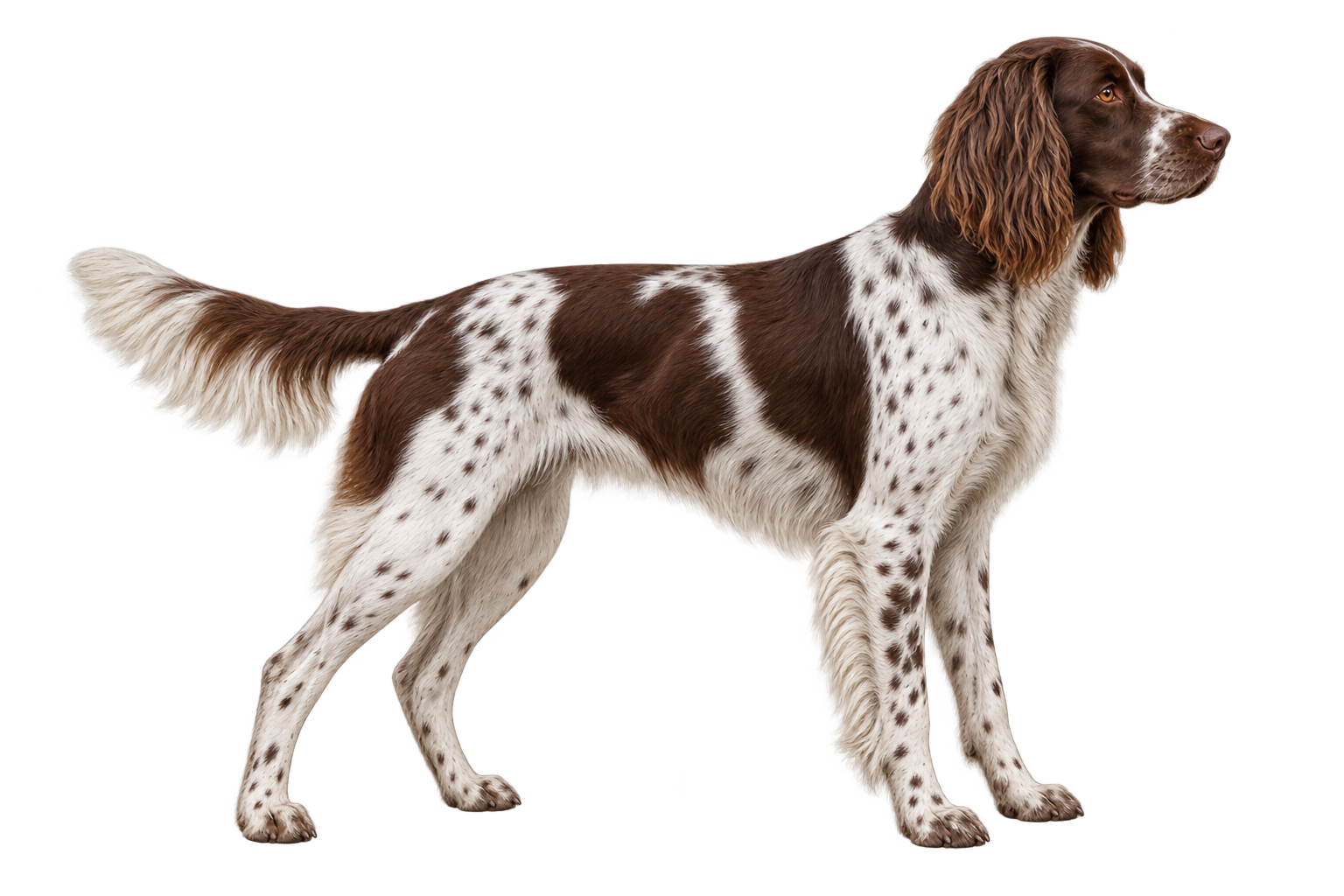 Small Münsterländer vs BrittanyVersatile pointing-dog energy, trainability, retrieving drive, coat care, and family companionship.Compare →Welsh Springer Spaniel vs English Springer SpanielSporting energy, temperament, companionship, and feathered coat care.Compare →
Your routine matters
Breed-level tendencies are a starting point. Check them against your own time, home, and constraints.