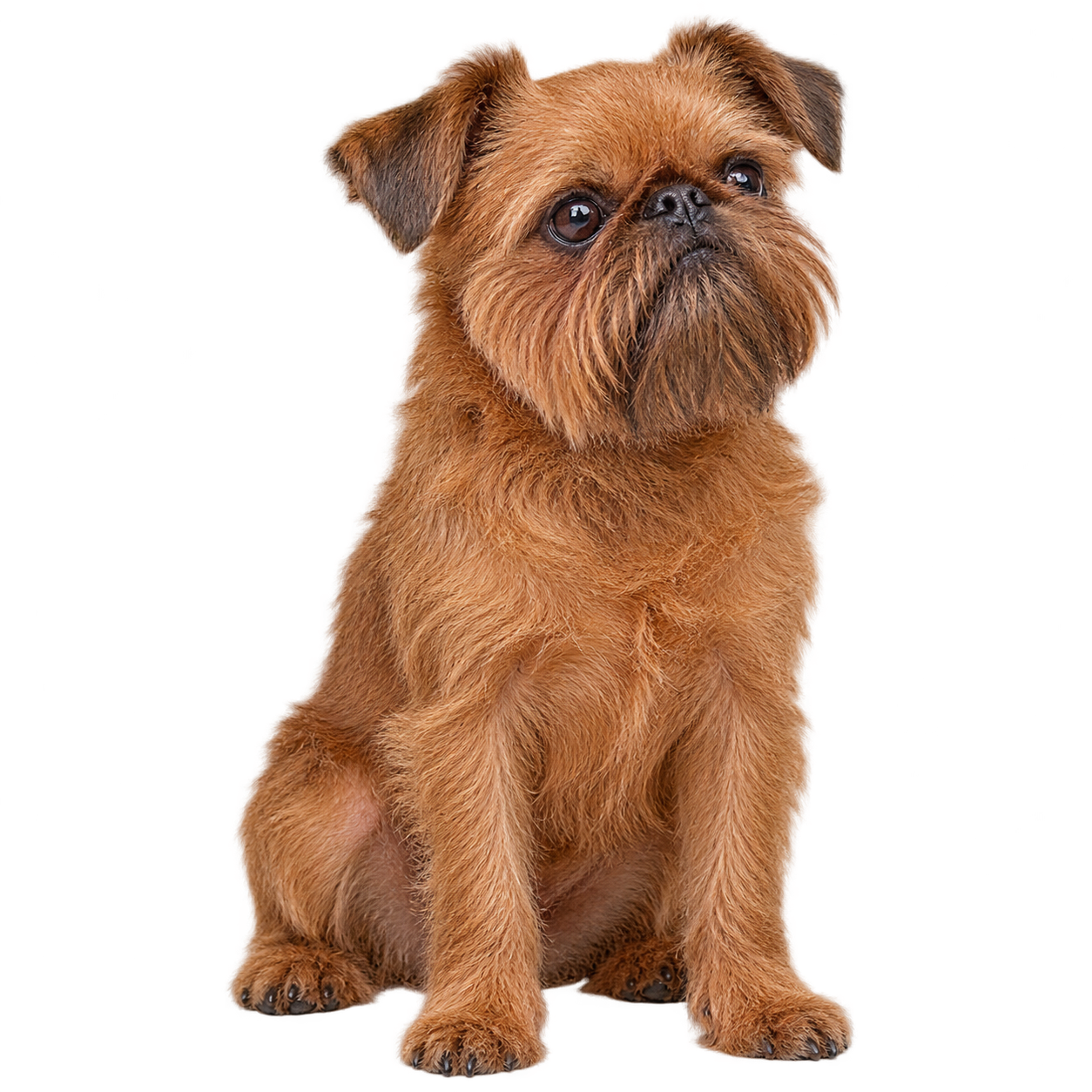
Brussels Griffon
A tiny, sensitive companion with a remarkably expressive face, close people attachment, and a bold, watchful personality.
Open breed profile →Evidence-backed comparison
See where their everyday needs align, where they differ, and which practical trade-offs deserve a closer look.
A tiny, sensitive companion with a remarkably expressive face, close people attachment, and a bold, watchful personality.
Open breed profile →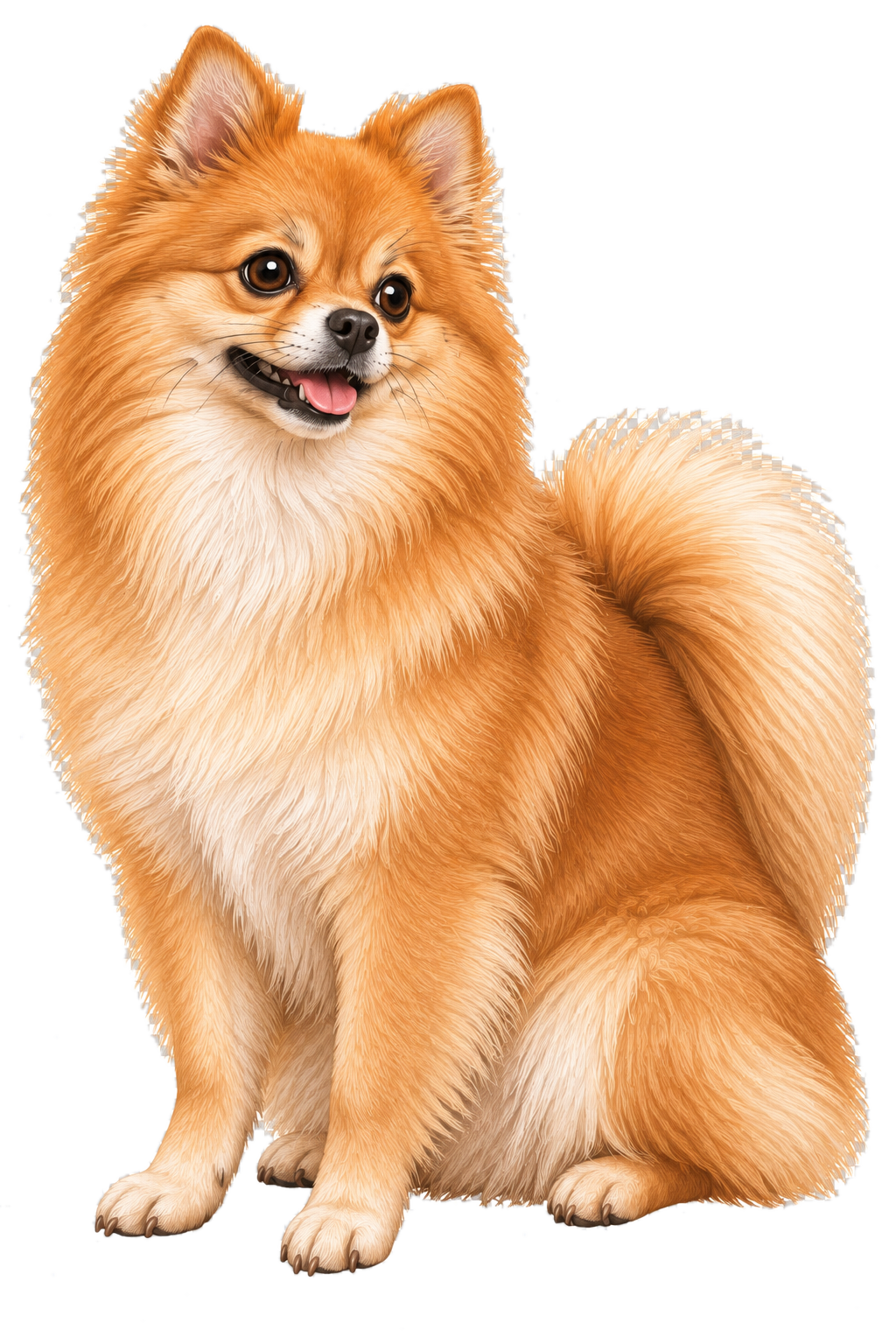
A lively toy companion combining compact exercise needs with intelligence, confidence, and substantial coat care.
Open breed profile →The clearest contrasts
Tiny size and emotional sensitivity require careful physical and social handling.
Coat care, housetraining, escape awareness, and physical fragility add substantial routine management.
The breed is notably devoted and thrives on close contact with its people.
Pomeranians thrive on human companionship and tend to be playful and loyal.
Rough-coated Griffons shed little; smooth coats can shed more noticeably.
The abundant double coat sheds and needs consistent maintenance.
Coat variety changes the routine, with rough coats needing clipping or hand stripping.
Frequent brushing and professional grooming every four to six weeks may be needed.
Common ground
Daily walks and play meet the needs of an active but tiny companion.
Short walks, indoor play, and regular opportunities to move can meet this active toy breed’s needs.
Interactive play and short training sessions suit a bright, curious dog.
Bright Pomeranians enjoy tricks, games, obedience, and other engaging activities.
Intelligence supports learning, though sensitivity calls for gentle rewards.
Intelligent and capable in training, though consistency and patience are important for housetraining.
A home with considerate children can work, but a very small sensitive dog needs supervision.
Often a better fit for older children who understand how to handle a very small dog safely.
Watchfulness and alertness can make the breed readily vocal.
Alert watchdog behavior and an expressive temperament can make vocal management important.
Before you decide
Keep exploring
See how either breed compares with another realistic alternative.
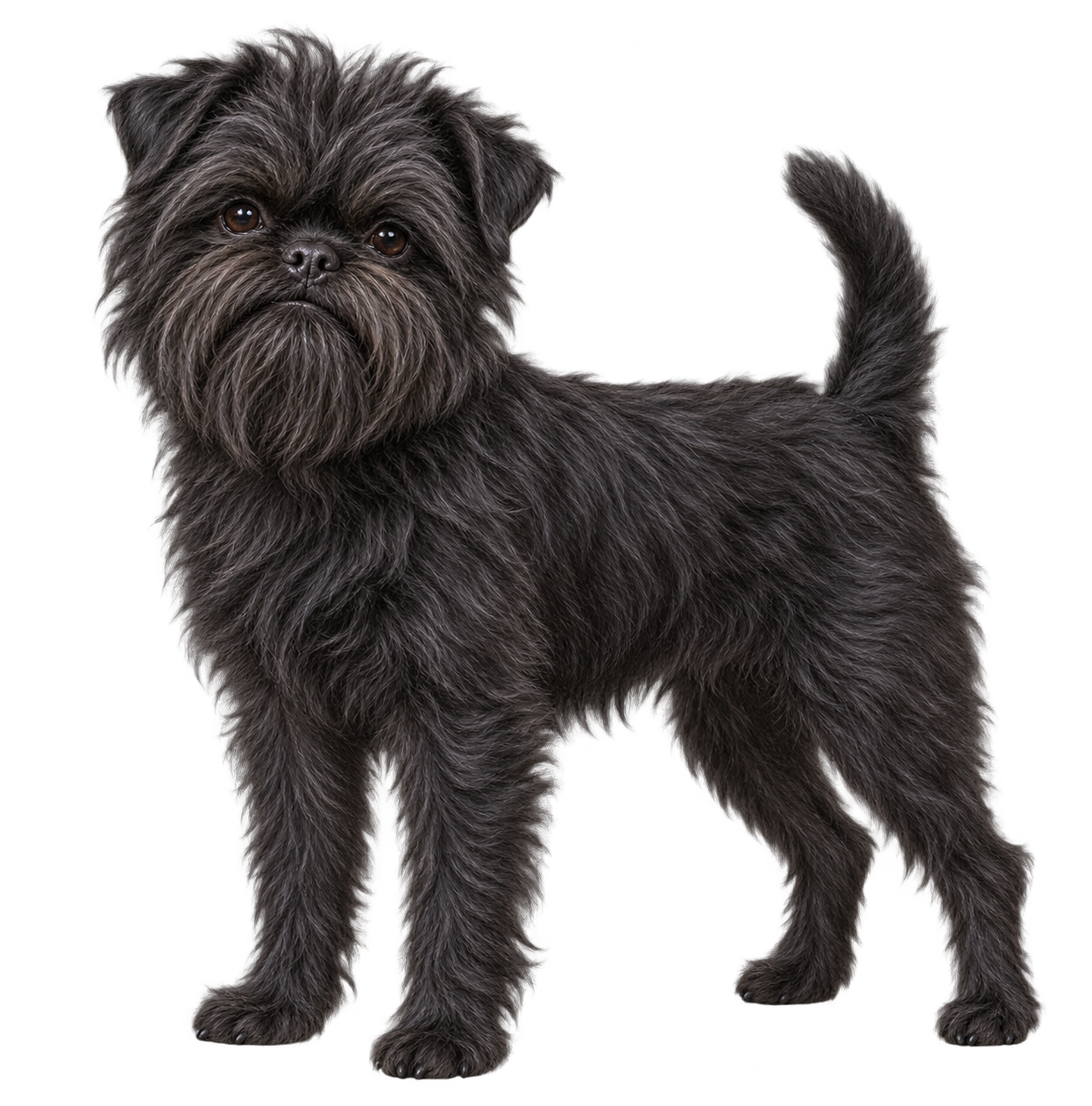 Affenpinscher vs Brussels GriffonTiny companion confidence, activity, voice, training, and rough-coat care.Compare →
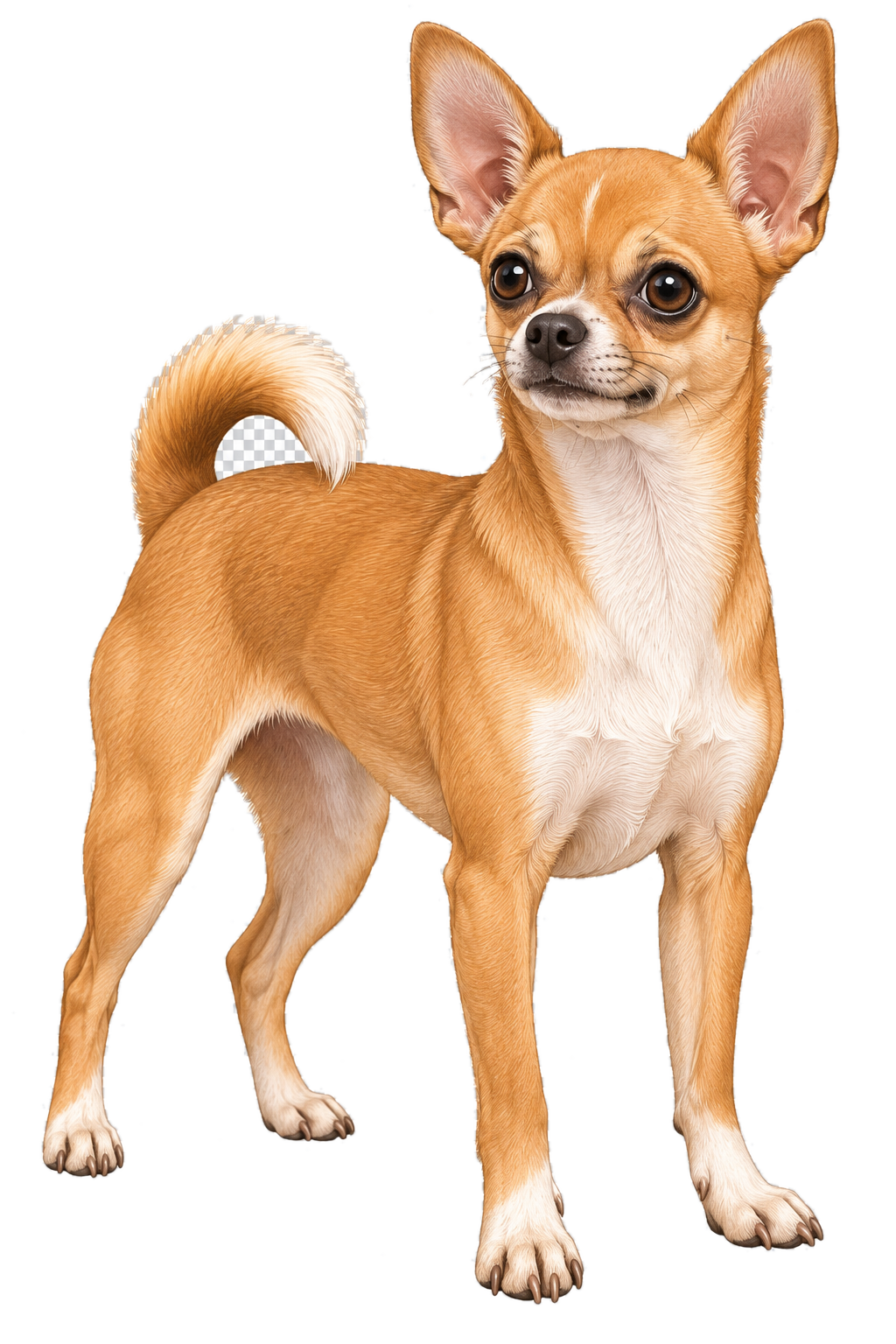 Brussels Griffon vs ChihuahuaTiny-dog companionship, sensitivity, voice, exercise, and handling.Compare →Chihuahua vs PomeranianToy-dog energy, barking, grooming, and companionship.Compare →
Your routine matters
Breed-level tendencies are a starting point. Check them against your own time, home, and constraints.