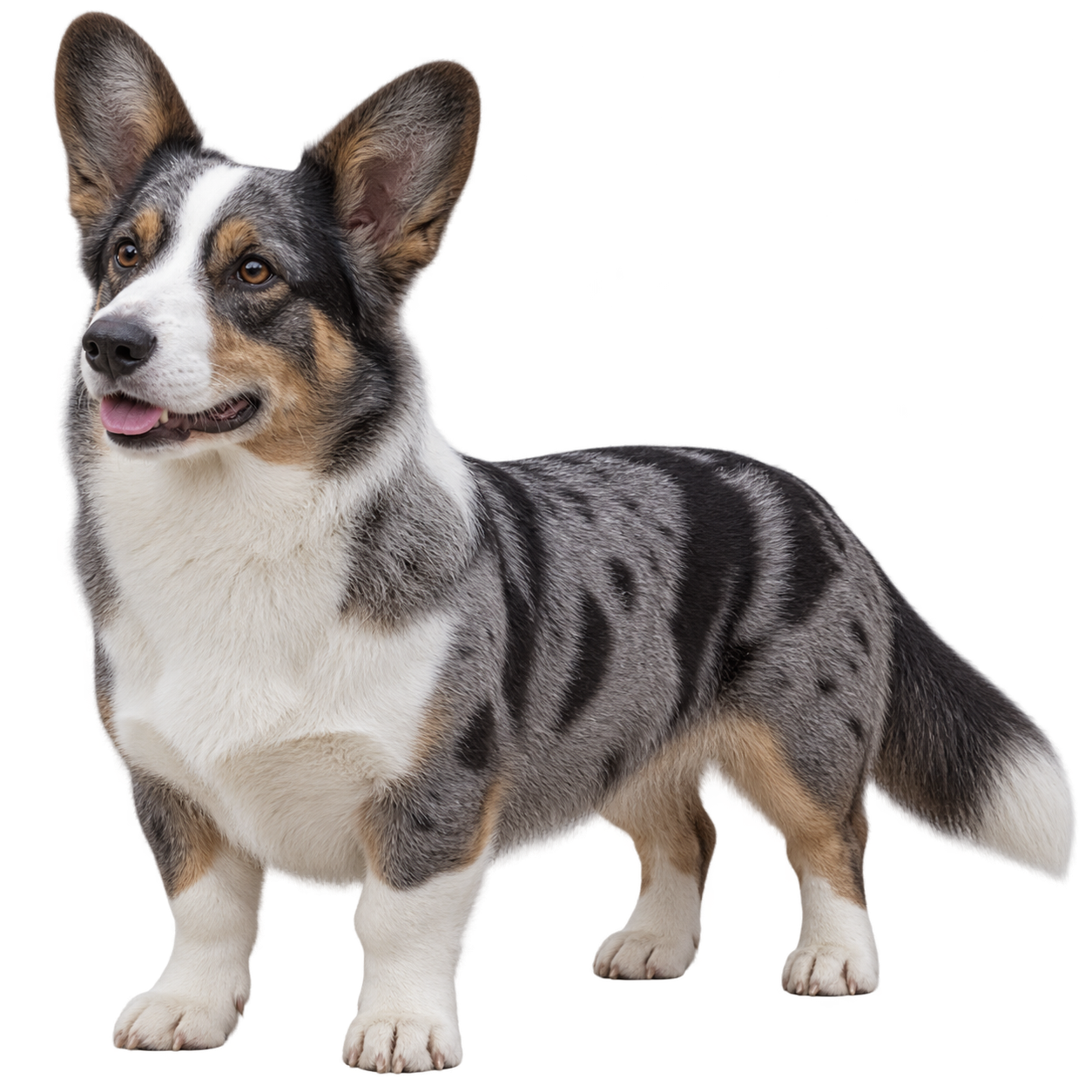
Cardigan Welsh Corgi
A sturdy, thoughtful herder with surprising stamina, an alert voice, and a more reserved outlook than its Pembroke cousin.
Open breed profile →Evidence-backed comparison
See where their everyday needs align, where they differ, and which practical trade-offs deserve a closer look.
A sturdy, thoughtful herder with surprising stamina, an alert voice, and a more reserved outlook than its Pembroke cousin.
Open breed profile →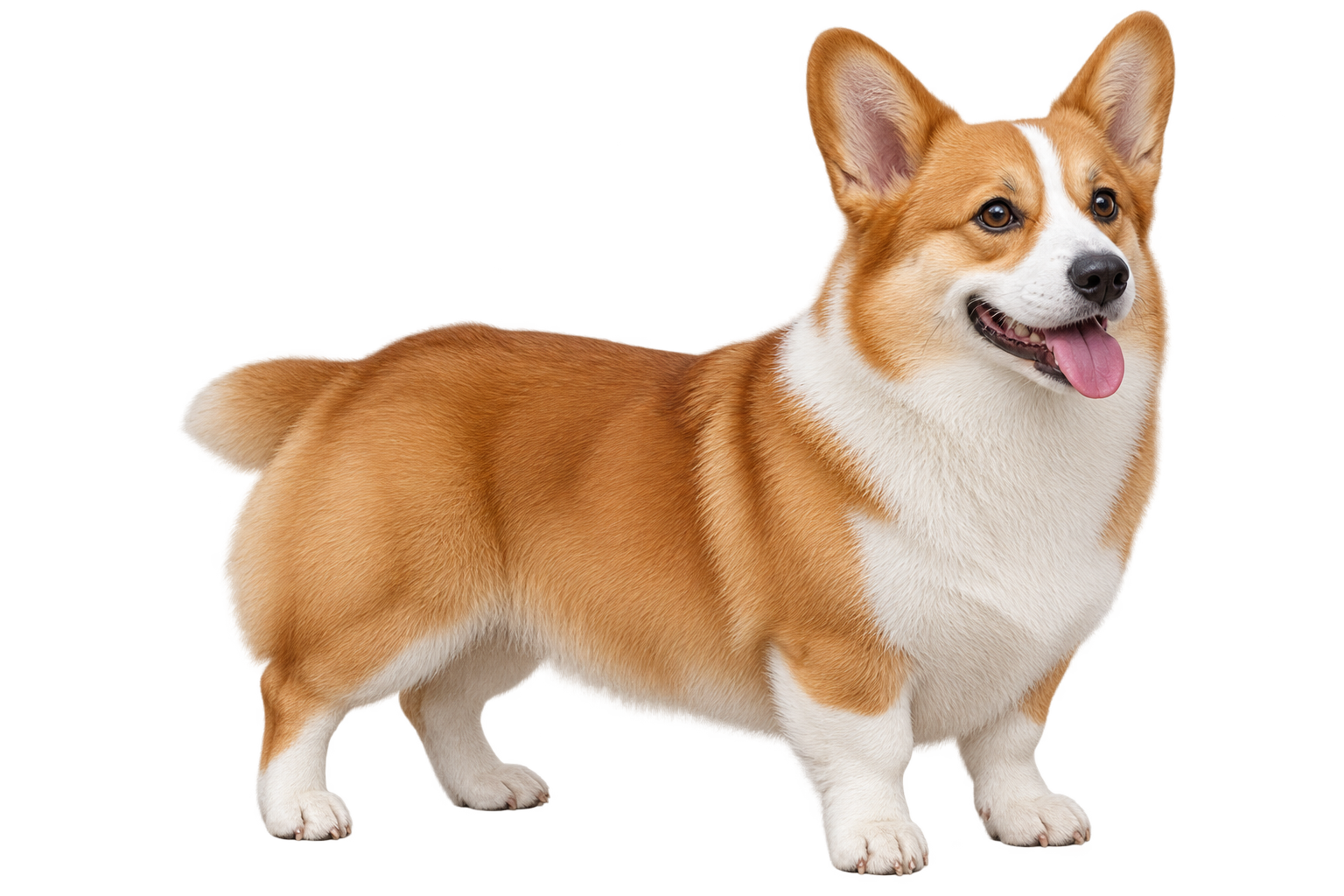
A bright, vocal herding dog with more drive and exercise need than its size suggests.
Open breed profile →The clearest contrasts
Daily exercise and purposeful activity suit this enduring cattle herder.
Pembrokes need regular exercise for mental and physical health and tolerate both short and long walks, with sensible limits.
A sturdy small body is manageable, while herding behavior and alertness still need direction.
The breed is bright and bossy; consistent training and management are important to prevent alerting, herding, or self-directed behavior becoming a problem.
Cardigans are devoted to family but can be reserved with unfamiliar people.
Typical Pembrokes are outgoing and very people-oriented and do poorly with little human contact.
Family life can suit the breed when herding behavior and interactions are supervised.
Pembrokes can live successfully with children, but running can trigger herding and heel nipping that adults must consistently manage.
The weather-resistant double coat sheds noticeably.
Pembrokes shed routinely and can shed their undercoat in prodigious amounts during seasonal coat loss.
Common ground
Training, games, and varied work engage an intelligent herding mind.
Pembrokes are intelligent, easily bored, and need regular involvement with their family or purposeful work.
Intelligence and responsiveness support training with clear, consistent rewards.
The breed is intelligent and easily trained, although its active mind needs continued engagement.
Regular brushing manages the double coat and heavier seasonal shedding.
Daily combing and brushing helps control shedding, with more frequent work required during major undercoat loss.
Watchfulness and working heritage can produce frequent alert barking.
Pembrokes are highly alert and readily announce unusual activity; consistent teaching is needed to stop barking after the alert.
Before you decide
Keep exploring
See how either breed compares with another realistic alternative.
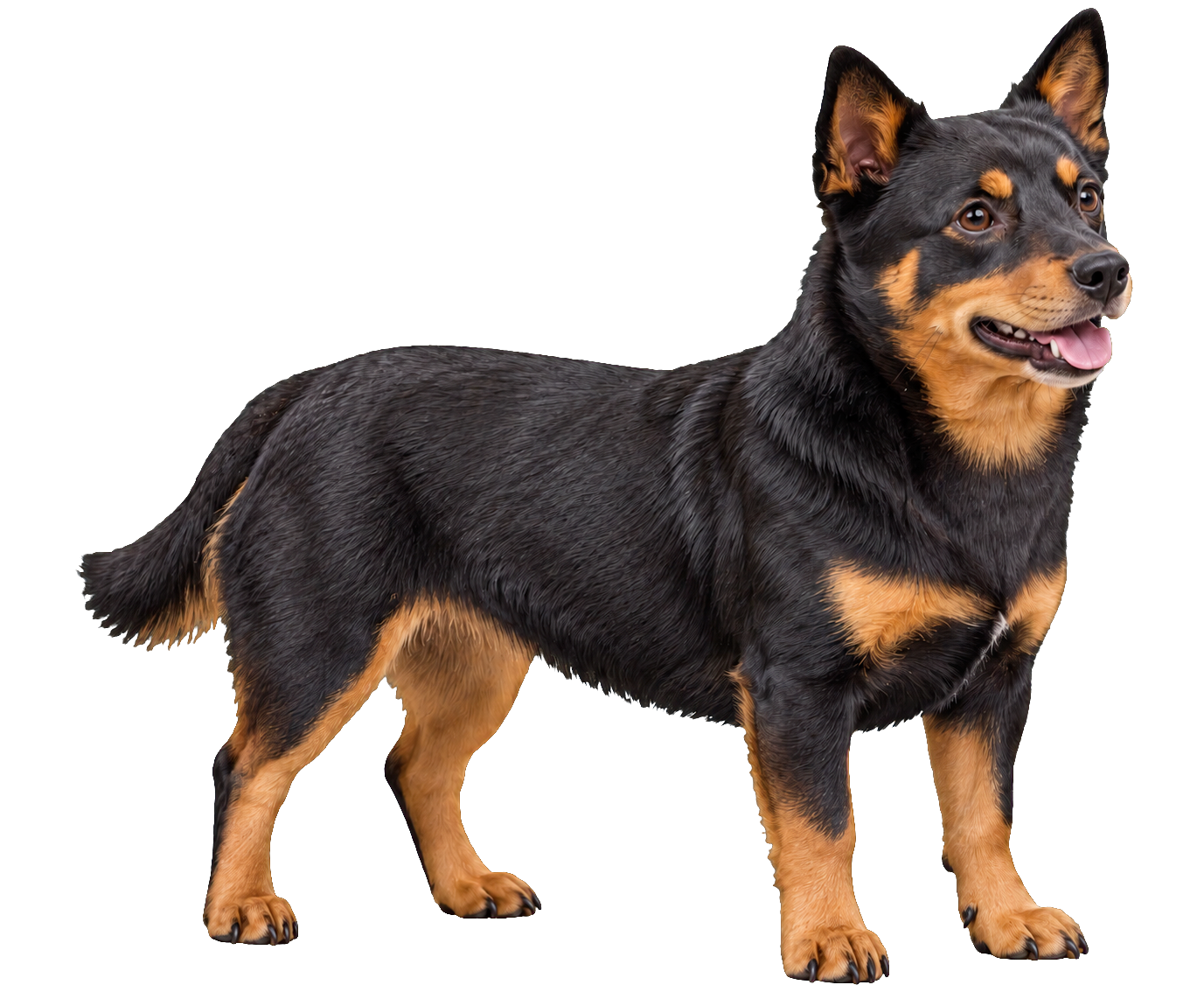 Lancashire Heeler vs Pembroke Welsh CorgiLow-set cattle-dog energy, herding instinct, trainability, voice, and family handling.Compare →
 Pembroke Welsh Corgi vs DachshundActivity, voice, trainability, and physical care.Compare →
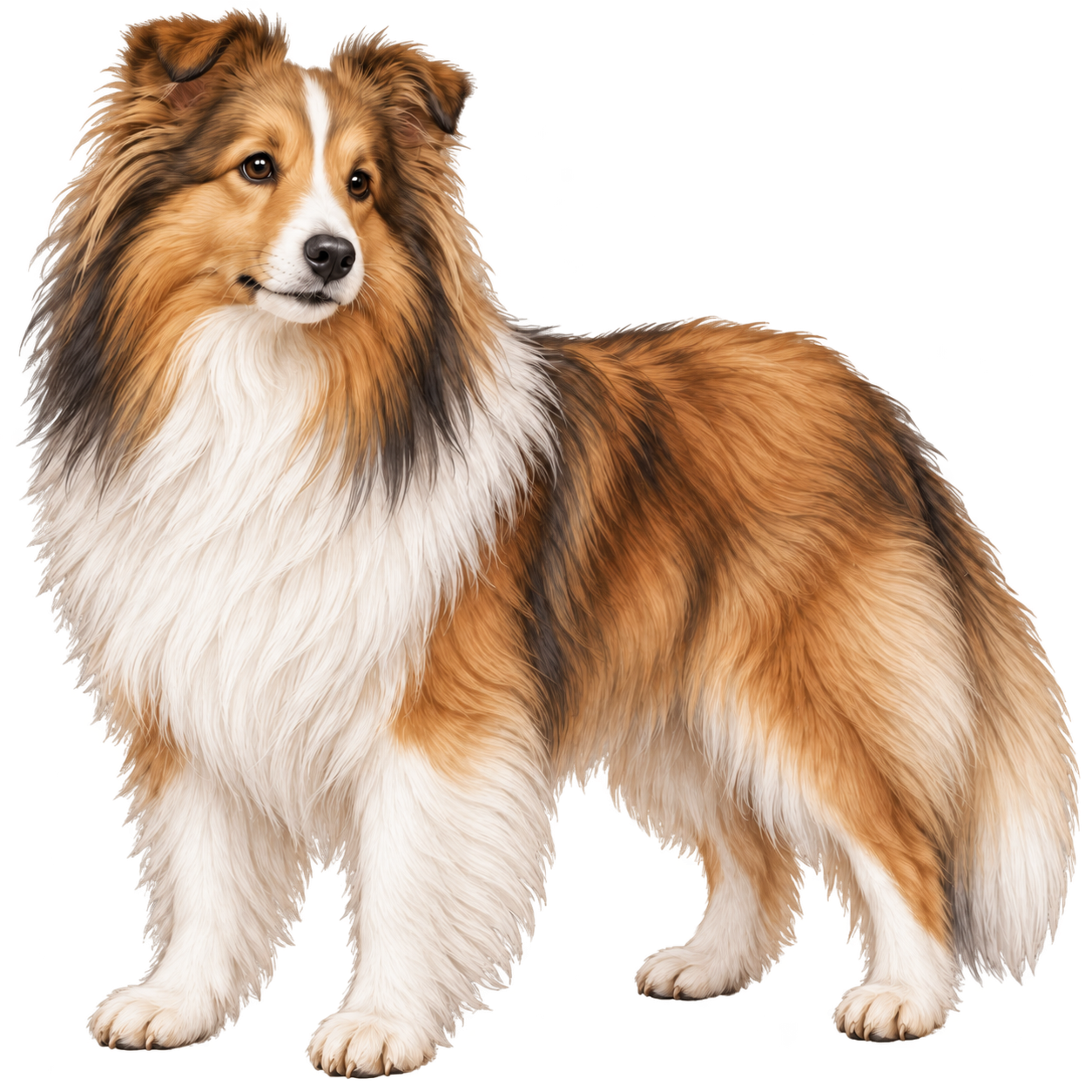 Shetland Sheepdog vs Pembroke Welsh CorgiHerding drive, voice, training, and coat care.Compare →
Your routine matters
Breed-level tendencies are a starting point. Check them against your own time, home, and constraints.