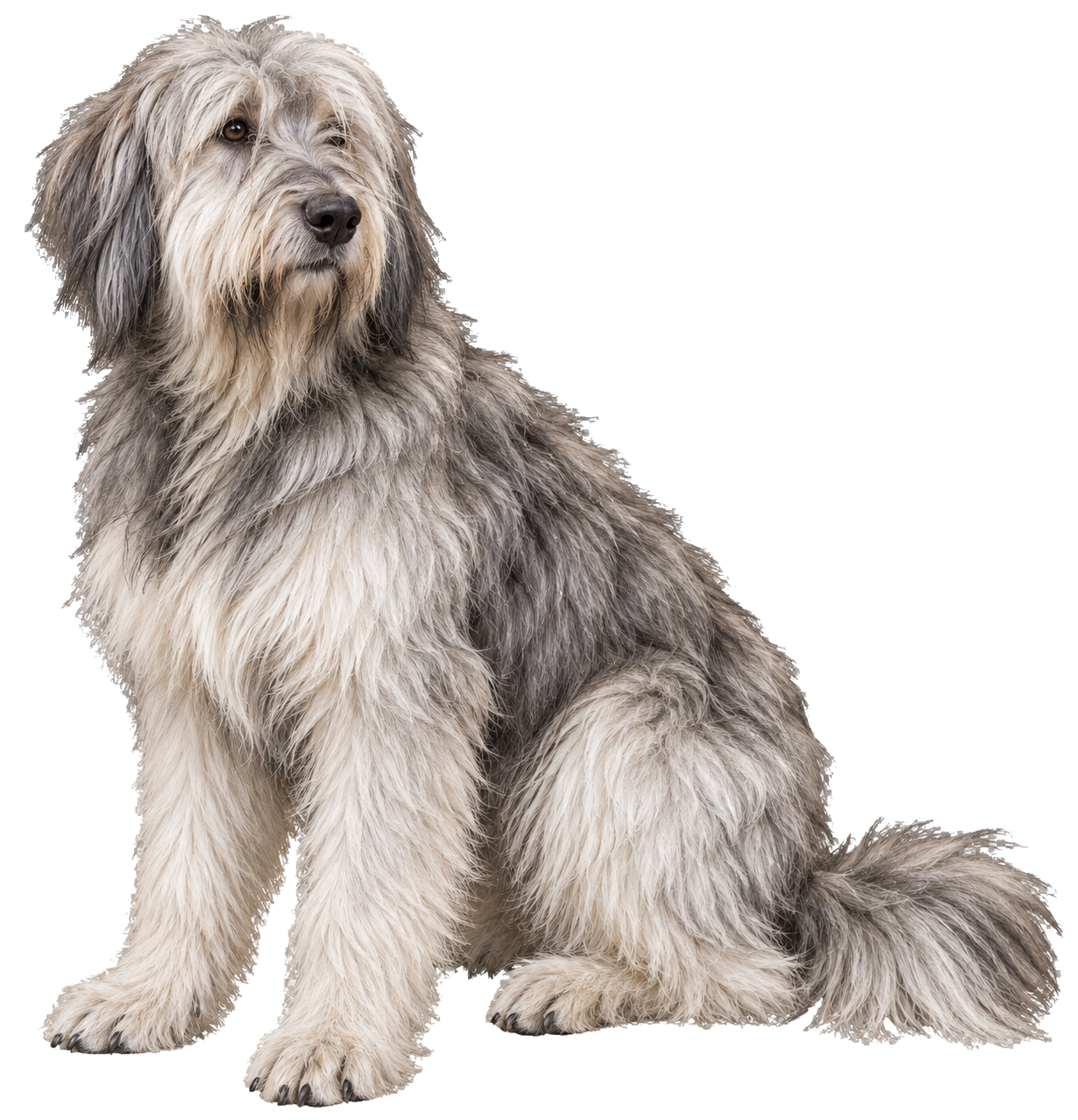
Catalan Sheepdog
A hardy, intelligent Catalan herder whose initiative, vigilance, and weather-resistant coat thrive with purposeful work and regular grooming.
Open breed profile →Evidence-backed comparison
See where their everyday needs align, where they differ, and which practical trade-offs deserve a closer look.
A hardy, intelligent Catalan herder whose initiative, vigilance, and weather-resistant coat thrive with purposeful work and regular grooming.
Open breed profile →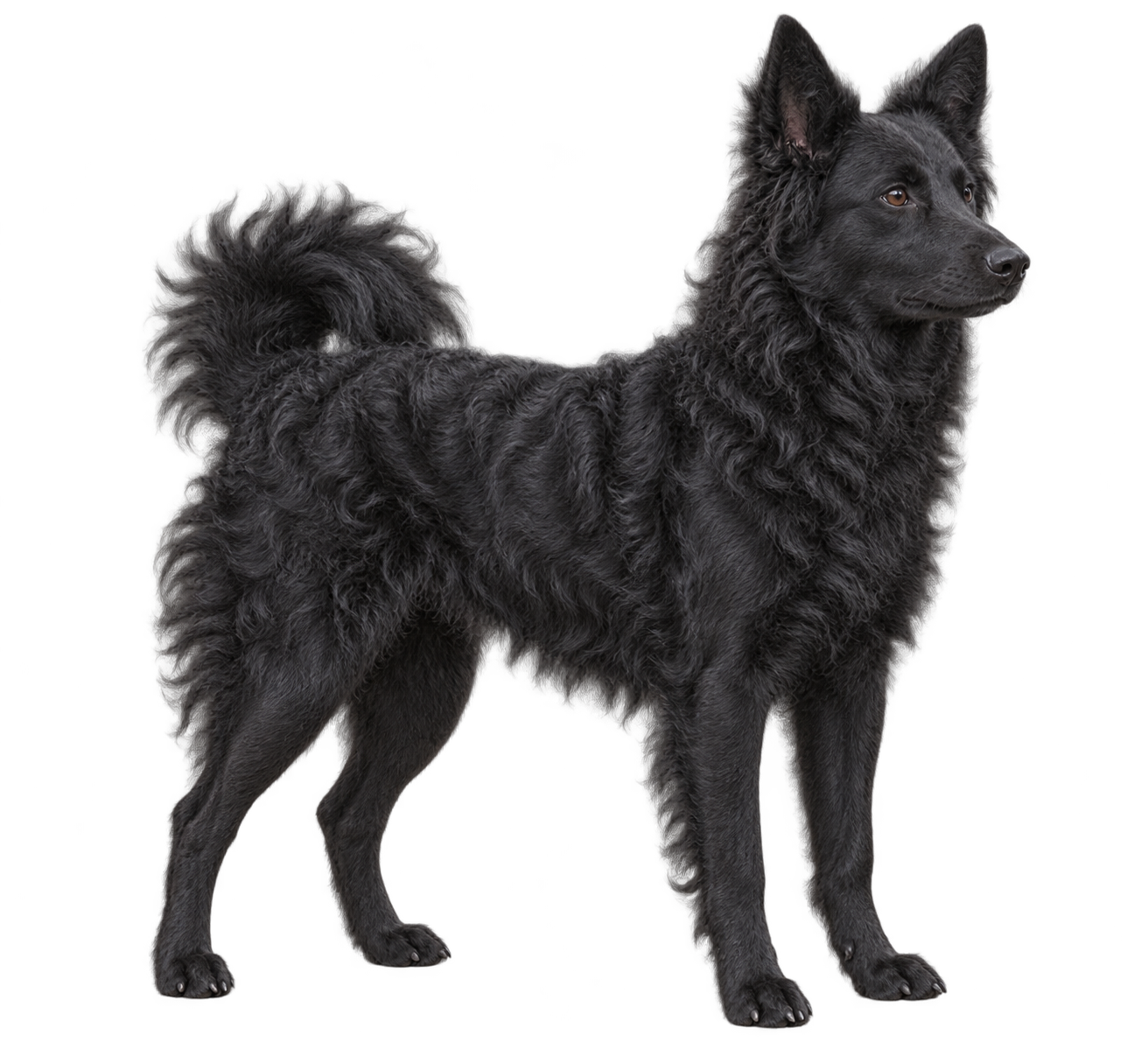
A brave, agile Balkan herder whose quick mind, self-reliance, voice, and movement sensitivity need consistent structure.
Open breed profile →The clearest contrasts
The standard describes deep loyalty to the shepherd alongside wariness of strangers that can appear unsociable.
Trustworthiness with a handler does not establish indiscriminate sociability with strangers.
The abundant undercoat undergoes a distinctive two-stage moult.
The wavy black coat has routine shedding without evidence for an extreme rating.
The long rough coat, abundant undercoat, beard, fringes, and seasonal moult need frequent coat care.
The textured coat needs regular brushing and inspection but not continuous specialist trimming.
Common ground
A hardy flock-driving dog built to work in extreme conditions needs substantial daily physical work.
An agile livestock worker requires sustained daily exercise and an outlet for working energy.
The breed is expected to obey while also taking initiative to control a flock.
Independent shepherding calls for constant observation, judgment, and problem solving.
Intelligence, loyalty, and responsive shepherd work support strong learning when training is purposeful.
Intelligence and close working utility support strong learning when training is consistent and purposeful.
High activity, herding initiative, vigilance, and stranger reserve require structured socialization and work.
Speed, vigilance, self-reliance, and herding intensity make passive ownership a poor fit.
Very vigilant herding and guarding work supports frequent alert communication.
Alert shepherding work supports a pronounced tendency to signal changes and movement.
Flock-driving work depends on noticing and controlling animal movement.
Livestock control depends on rapid response to movement and persistent gathering behavior.
Before you decide
Keep exploring
See how either breed compares with another realistic alternative.
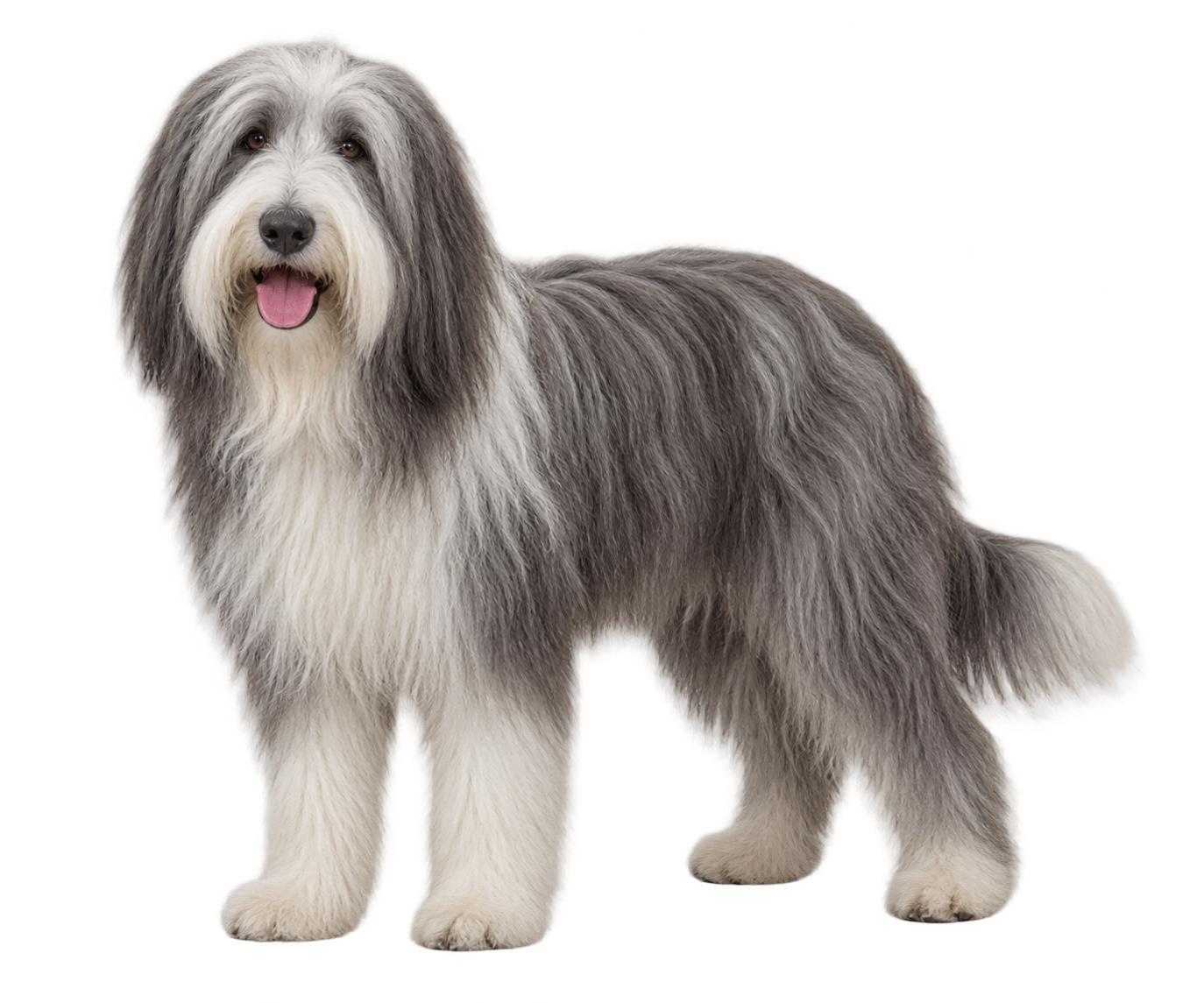 Catalan Sheepdog vs Bearded CollieHerding initiative, responsiveness, vigilance, daily work, shedding, specialist grooming, and household fit.Compare →
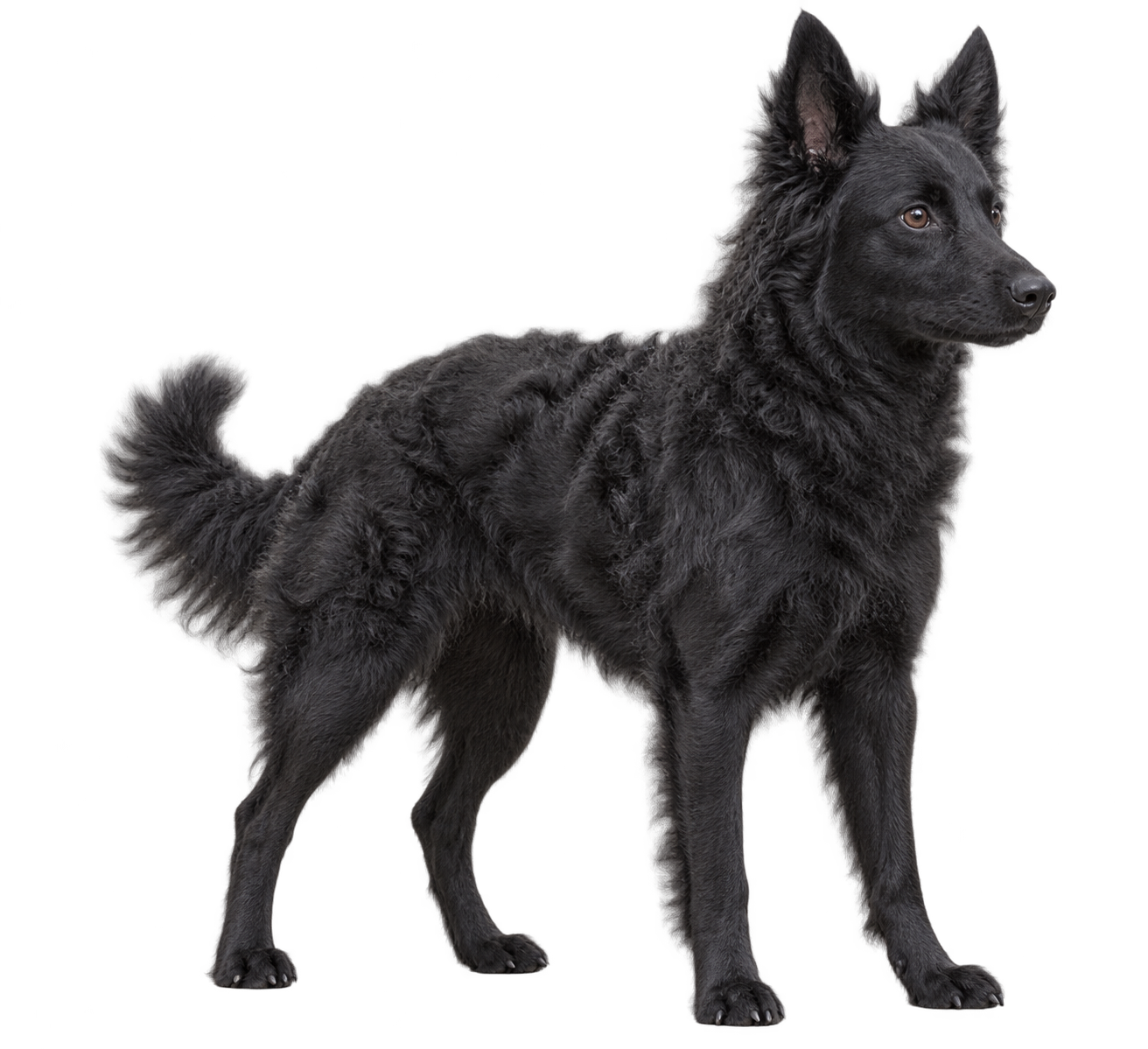 Croatian Sheepdog vs MudiAgile herding intensity, quick learning, vigilance, voice, coat, and purposeful daily work.Compare →
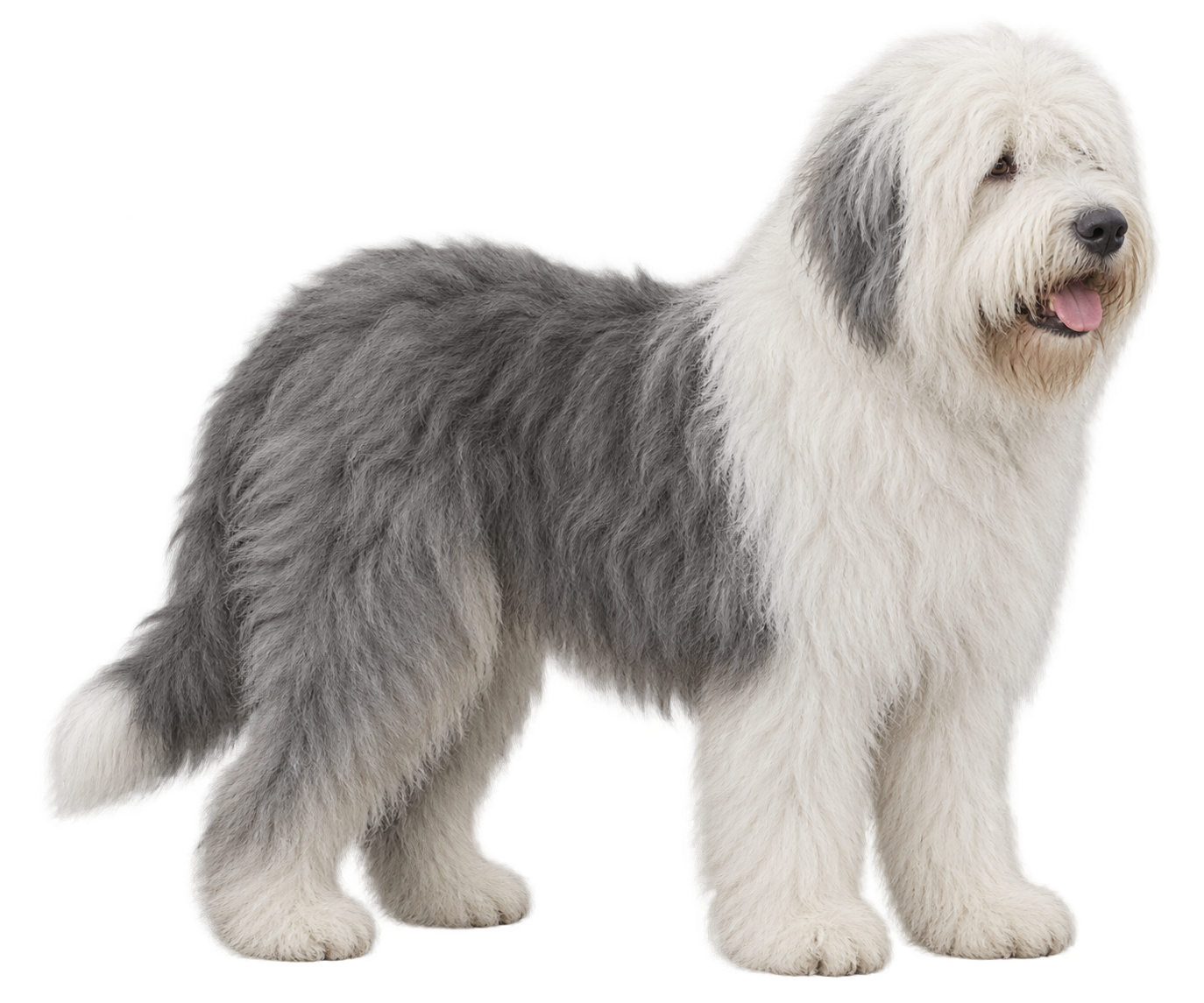 Bearded Collie vs Old English SheepdogShaggy British herder energy, trainability, sociability, shedding, and intensive coat care.Compare →
Your routine matters
Breed-level tendencies are a starting point. Check them against your own time, home, and constraints.