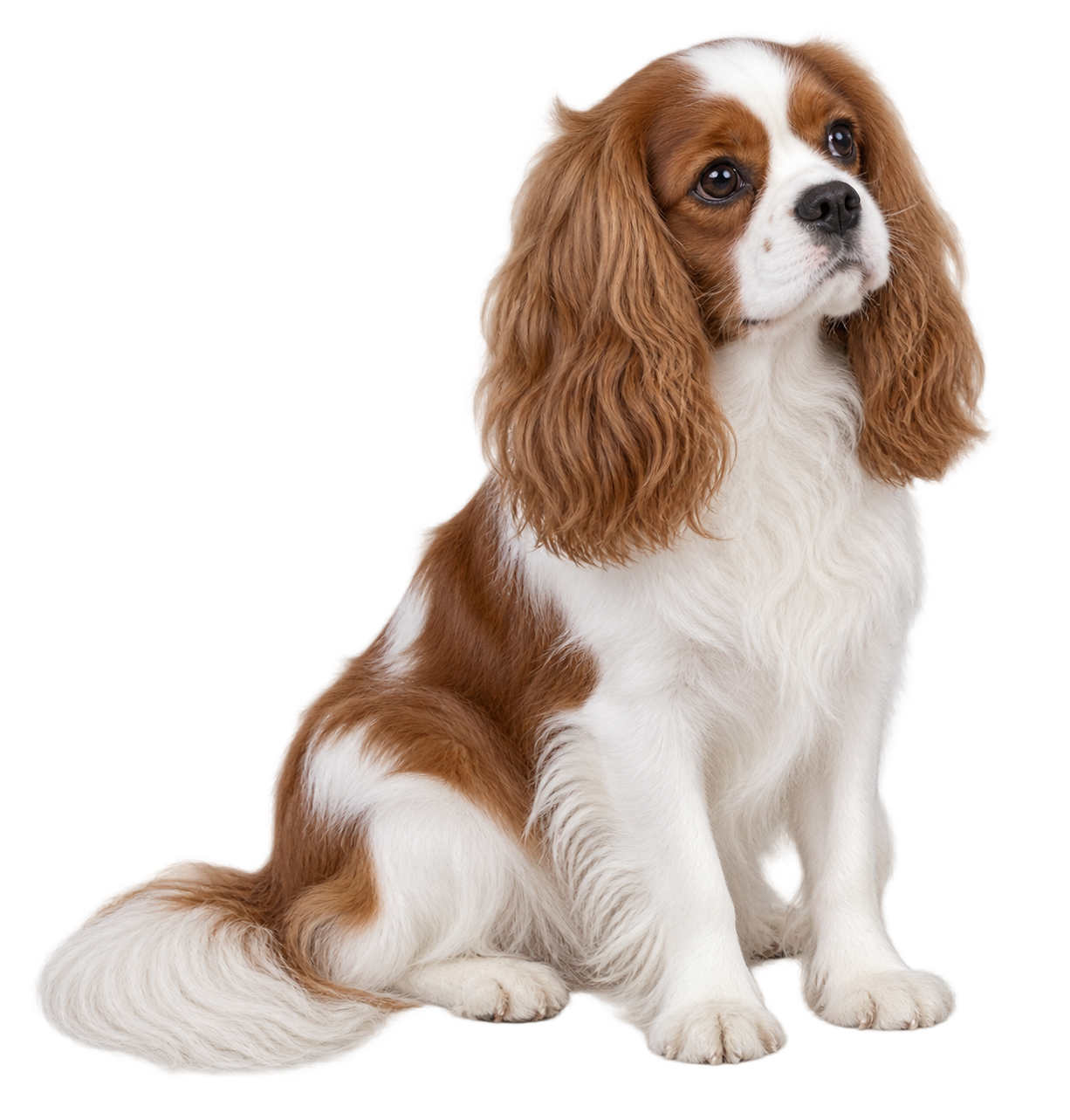
Cavalier King Charles Spaniel
A gentle, affectionate companion happiest with people and regular health monitoring.
Open breed profile →Evidence-backed comparison
See where their everyday needs align, where they differ, and which practical trade-offs deserve a closer look.
A gentle, affectionate companion happiest with people and regular health monitoring.
Open breed profile →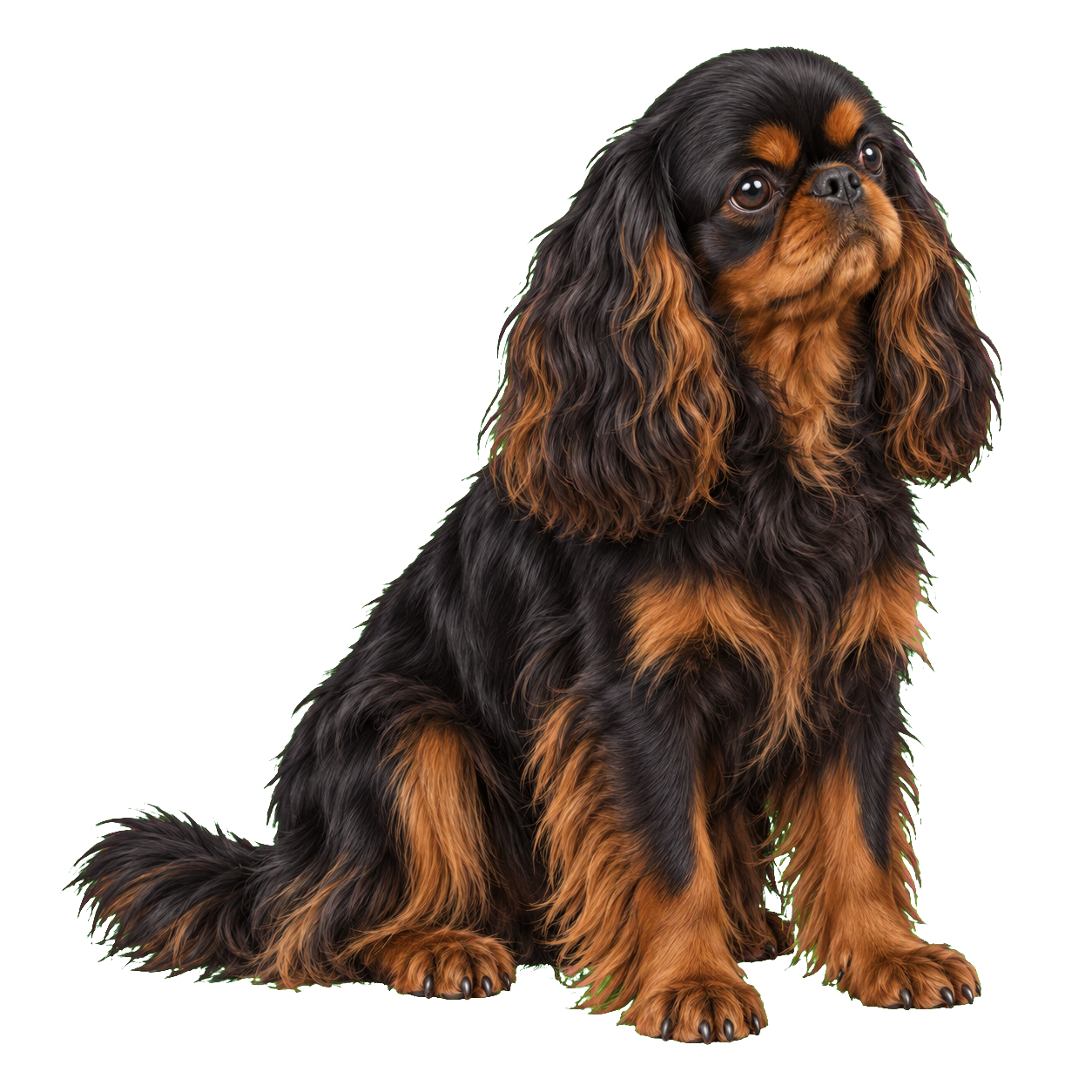
A compact, affectionate lap companion whose gentle exercise needs come with a flowing coat and important heat precautions.
Open breed profile →The clearest contrasts
Cavaliers enjoy regular walks and outdoor activities while remaining adaptable to a range of household activity levels.
This compact companion usually thrives on short walks and gentle indoor play.
Intelligence and eagerness to please generally make Cavaliers responsive to positive, consistent training.
An affectionate, willing-to-please nature supports patient reward-based training.
Affectionate, attentive, and gentle Cavaliers are widely suited to family life and children with normal supervision.
Gentle companionship can suit calm older children who handle a small dog carefully.
The silky feathered coat needs frequent brushing and routine attention to ears, nails, and dental care, but not complex coat sculpting.
Frequent brushing, facial care, and attention to ears and feathering help prevent tangles.
Sporting ancestry and intrinsic hunting instincts can lead Cavaliers to follow an interesting scent or animal instead of recalling.
Companion breeding makes intense pursuit less central than in sporting or terrier breeds.
Parent-club guidance states that Cavaliers do not tolerate extremes of heat well and should not remain outside for prolonged periods in hot conditions.
A very short muzzle raises overheating risk, so warm-weather activity needs strict limits.
Common ground
Training, social interaction, walks, play, and suitable dog sports provide useful daily mental engagement.
Brief training, scent games, and close household interaction provide useful enrichment.
Cavaliers have important inherited health concerns, including mitral valve heart disease and syringomyelia. Ask for breed-appropriate cardiac, eye, hip, and patella screening and discuss individual risk with a veterinarian.
Small size is convenient, but heat sensitivity, coat care, and gentle handling need planning.
The official standard defines the Cavalier as friendly, gentle, affectionate, and non-aggressive.
The breed was developed for close companionship and tends to be affectionate with its people.
The single coat sheds throughout the year, with regular brushing helping contain loose hair.
The long silky coat sheds and needs regular maintenance.
Before you decide
Keep exploring
See how either breed compares with another realistic alternative.
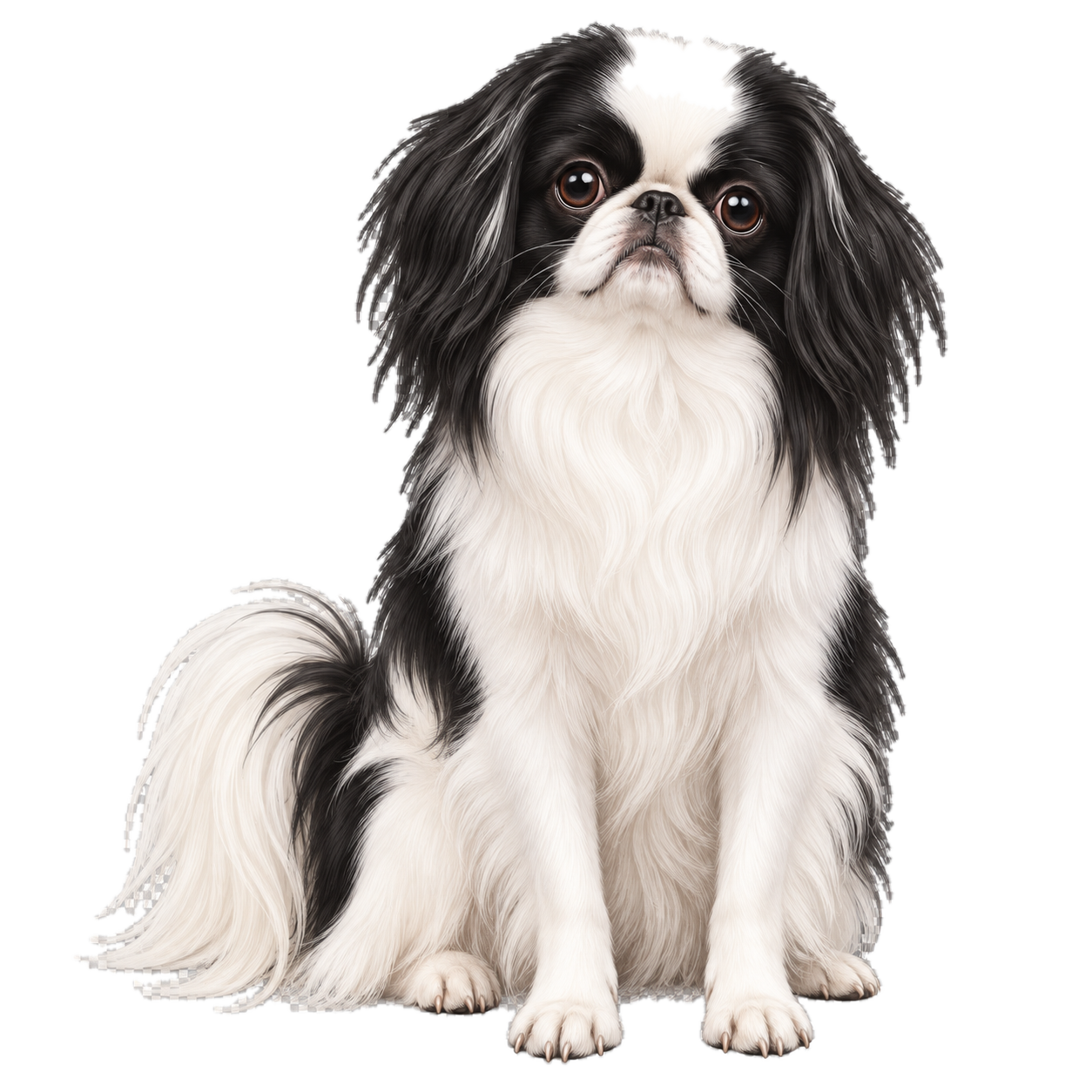 English Toy Spaniel vs Japanese ChinToy-spaniel companionship, exercise, heat sensitivity, handling, and grooming.Compare →Japanese Chin vs Cavalier King Charles SpanielCompanion temperament, grooming, activity, and health planning.Compare →
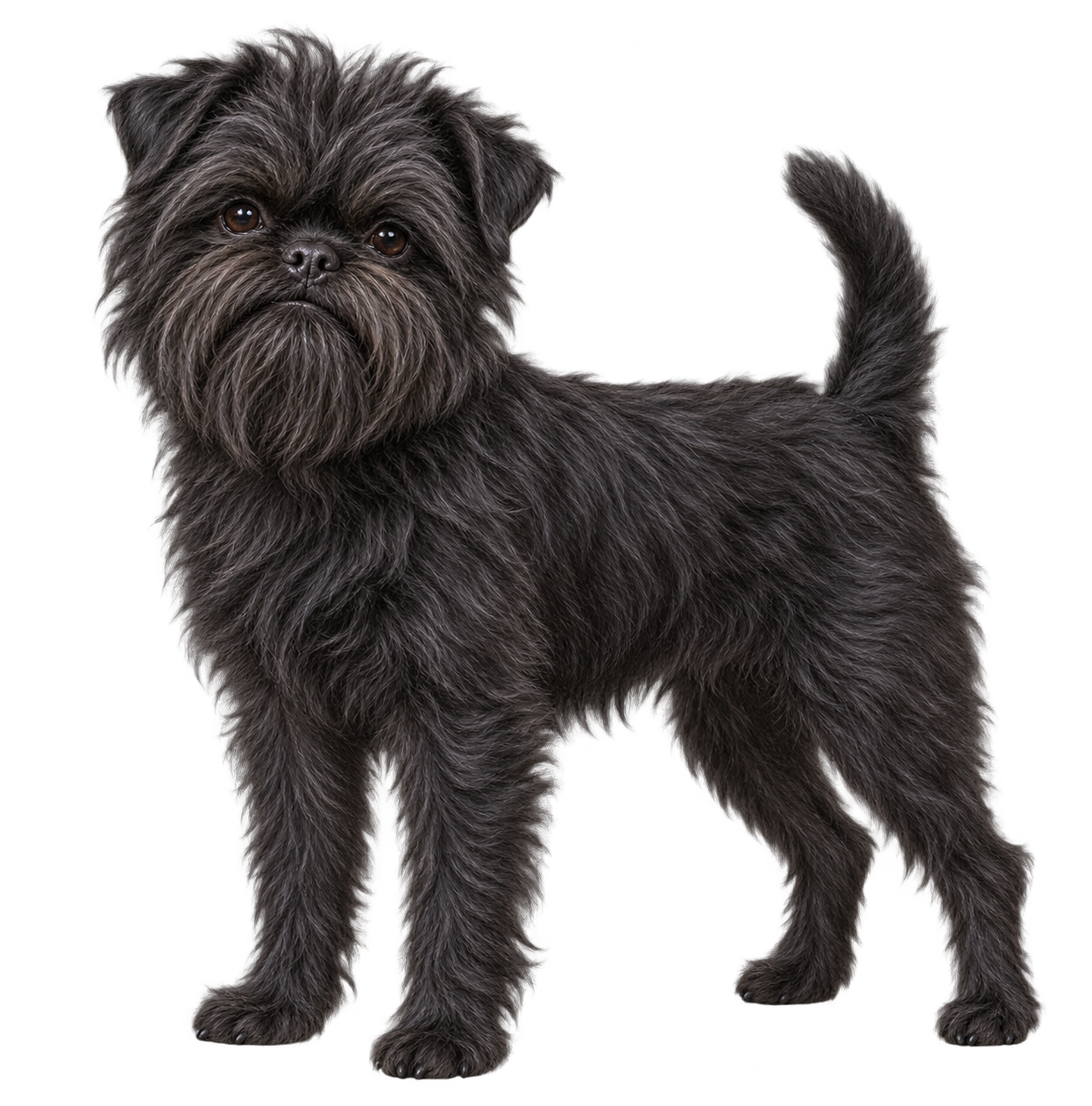
 Affenpinscher vs Brussels GriffonTiny companion confidence, activity, voice, training, and rough-coat care.Compare →
Your routine matters
Breed-level tendencies are a starting point. Check them against your own time, home, and constraints.