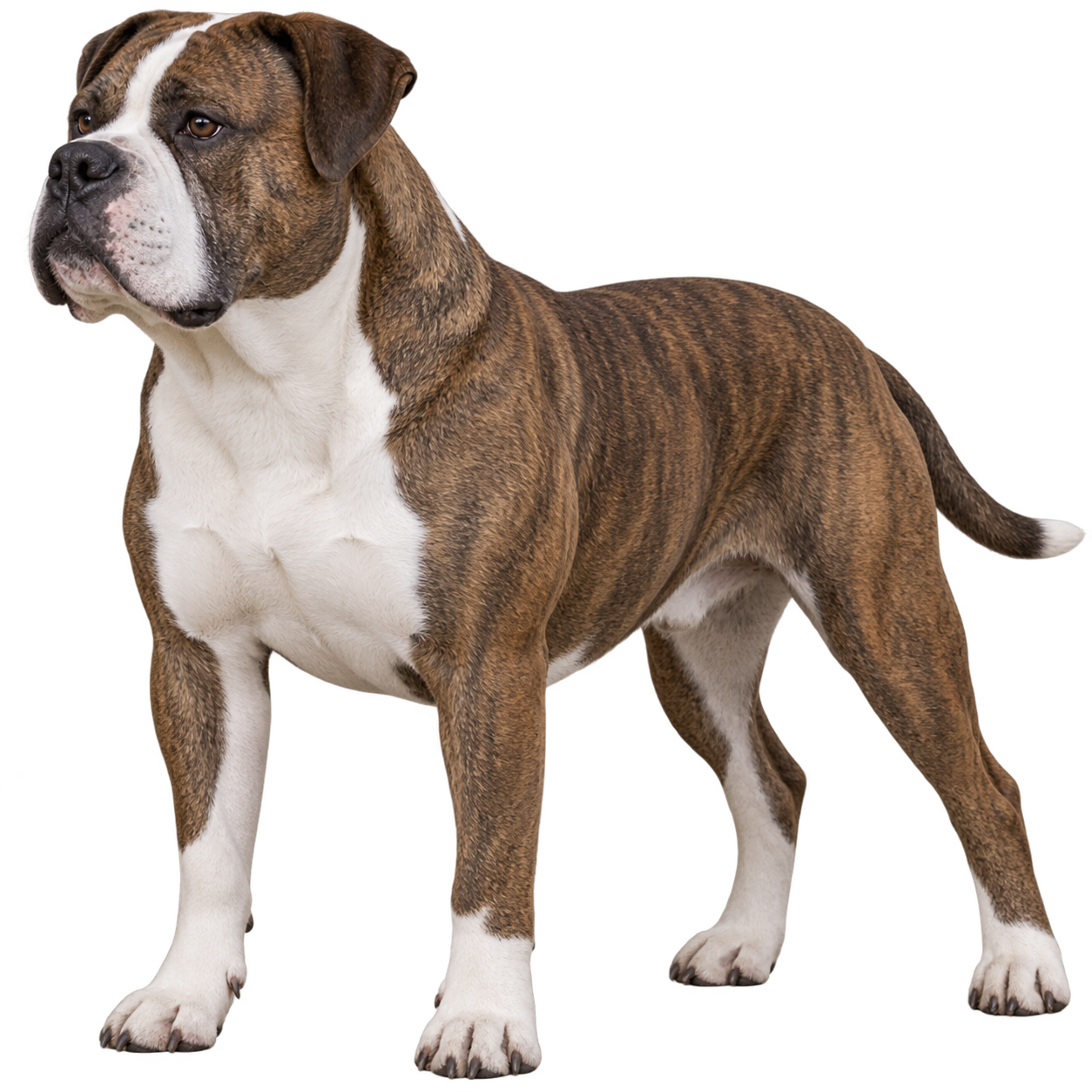
Continental Bulldog
An athletic Swiss bulldog developed for sound, mobile structure whose friendly confidence still comes with strength, training, and heat-aware exercise.
Open breed profile →Evidence-backed comparison
See where their everyday needs align, where they differ, and which practical trade-offs deserve a closer look.
An athletic Swiss bulldog developed for sound, mobile structure whose friendly confidence still comes with strength, training, and heat-aware exercise.
Open breed profile →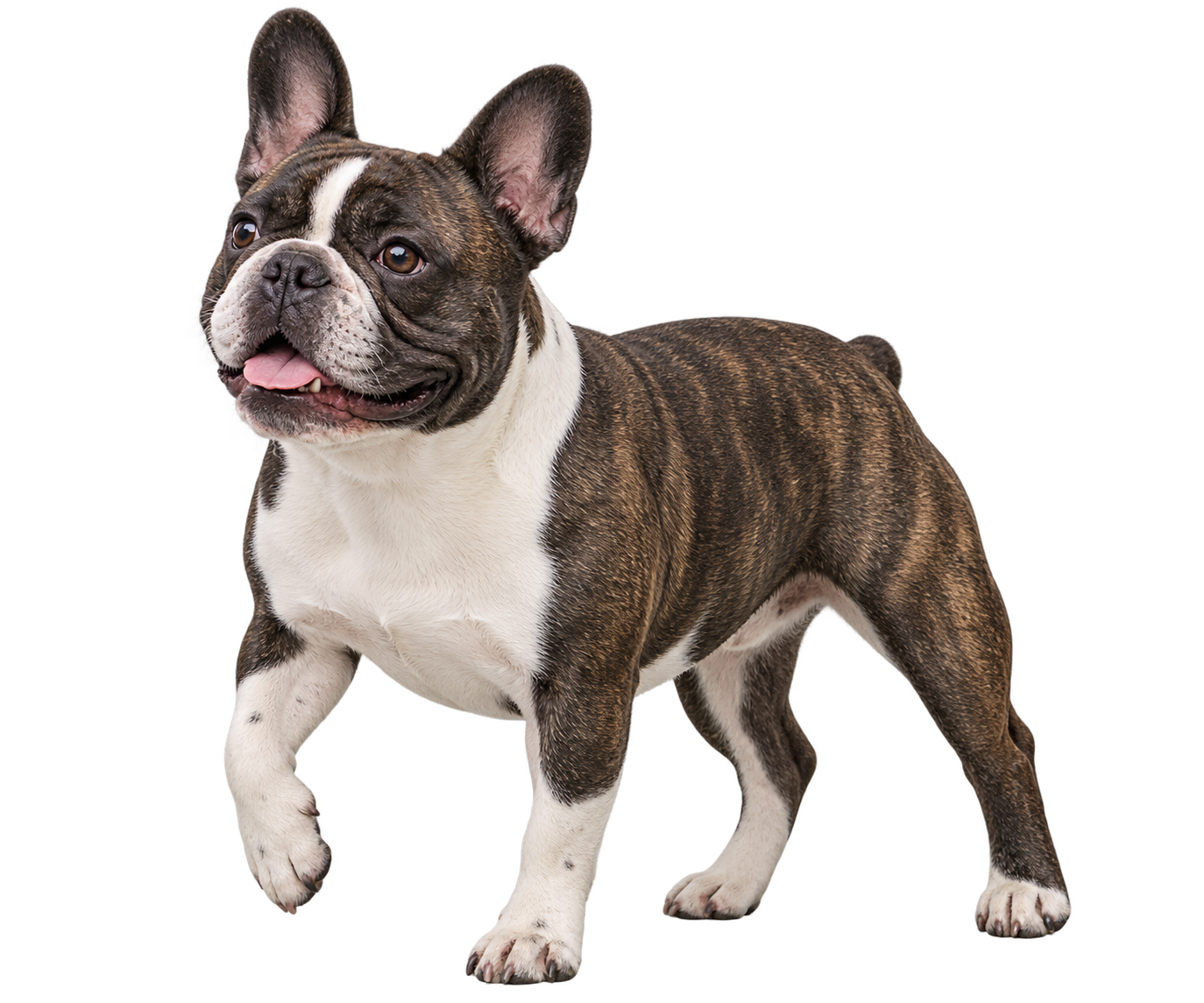
A sociable compact companion with modest exercise needs but important breathing and heat risks.
Open breed profile →The clearest contrasts
The standard describes an athletic, enduring and agile molosser suited to active daily movement.
French Bulldogs need regular moderate activity but have reduced tolerance for strenuous exercise.
Attentiveness and confidence benefit from training games and varied everyday engagement.
French Bulldogs are playful and social but do not require constant stimulation or frequent intensive exercise.
Attentive, self-assured and friendly character supports cooperative reward-based training.
Most French Bulldogs seek to please and can be trained effectively with appropriate motivation, despite a reputation for stubbornness.
The standard calls for a confident, friendly and neither aggressive nor shy dog.
French Bulldogs are affectionate companion dogs and most are very fond of people.
A shortened muzzle and molosser build warrant heat-aware activity even in a more athletic bulldog.
The French Bulldog's short face reduces breathing efficiency and heat tolerance. The breed requires careful temperature supervision, airway awareness, water safety, fold care, and access to breed-informed veterinary care.
Common ground
Substantial bulldog strength requires socialization and reliable handling despite an approachable temperament.
Daily exercise is modest, but temperature, breathing, water safety, folds, veterinary care, and training require informed management.
The short smooth coat sheds routinely, though without the volume of a dense long coat.
The short coat is straightforward to brush but still sheds routinely, so low coat complexity should not be interpreted as no loose hair.
The short, smooth coat needs simple routine brushing rather than specialist grooming.
The short coat does not require extensive grooming, though folds and routine hygiene need regular attention.
Before you decide
Keep exploring
See how either breed compares with another realistic alternative.
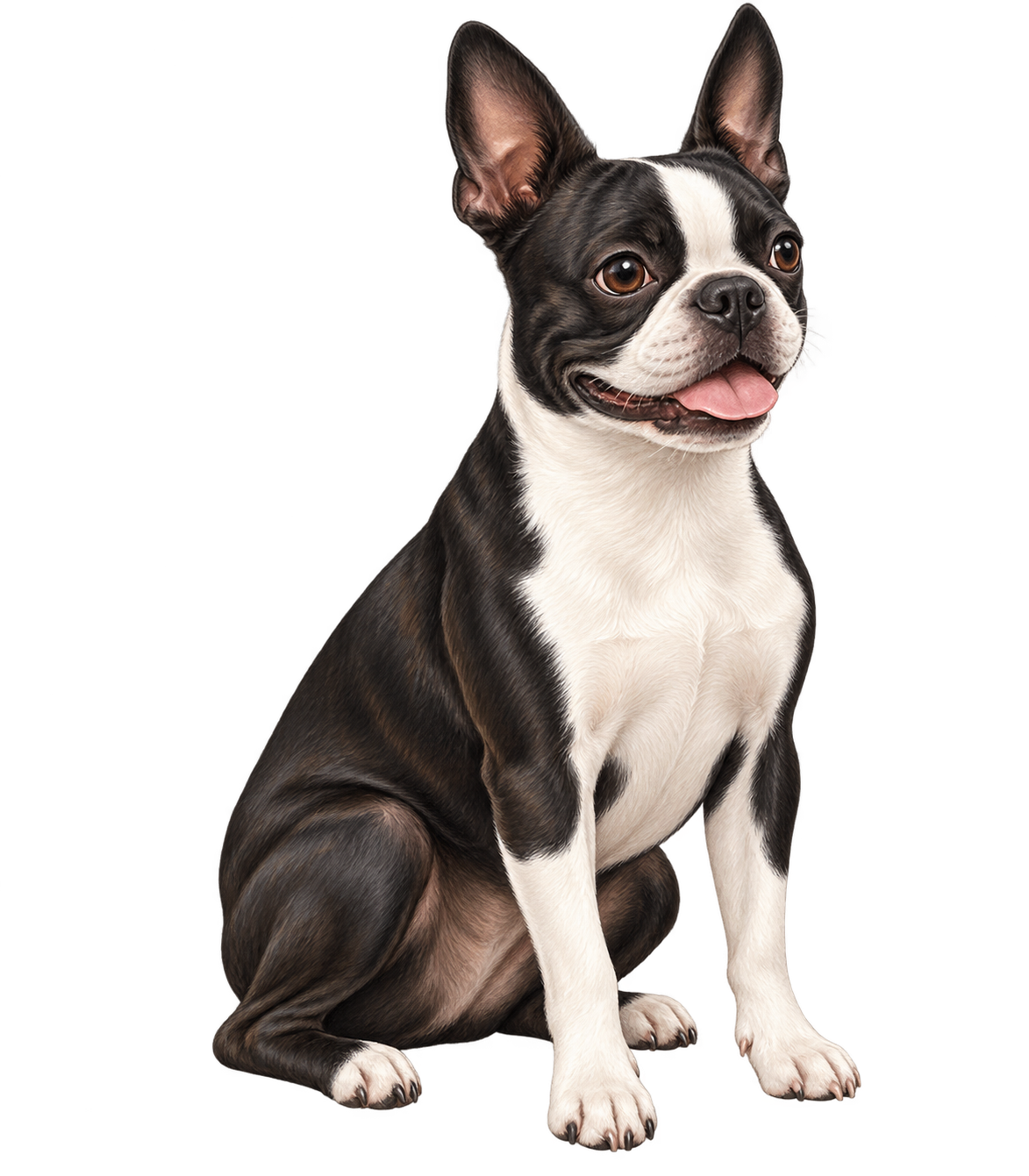 Boston Terrier vs French BulldogCompact living, activity, training, and heat sensitivity.Compare →
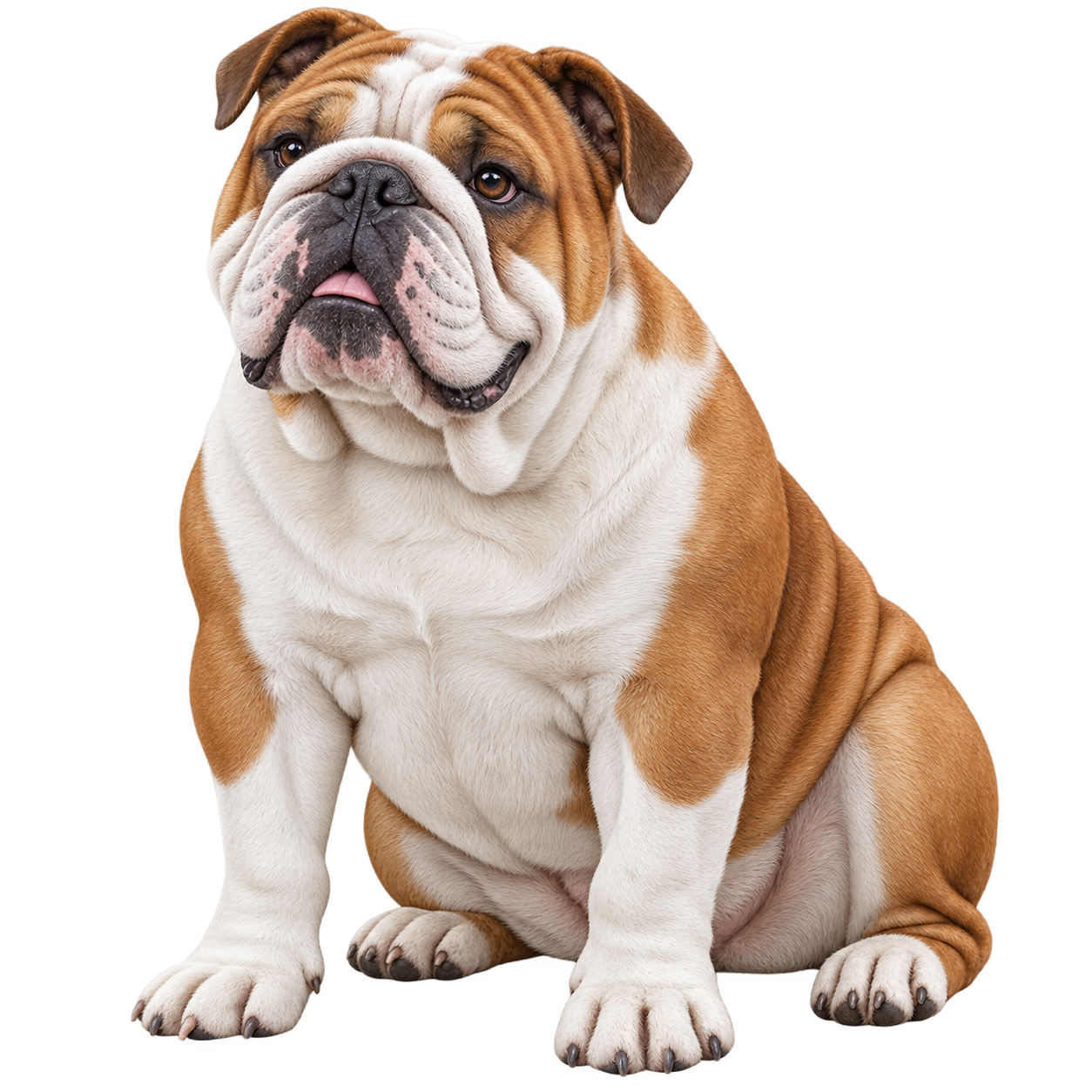 Bulldog vs French BulldogCompanion life, activity, grooming, breathing, and heat safety.Compare →Continental Bulldog vs BulldogBulldog build, mobility, breathing and heat considerations, exercise, trainability, sociability, coat care, and daily handling.Compare →
Your routine matters
Breed-level tendencies are a starting point. Check them against your own time, home, and constraints.