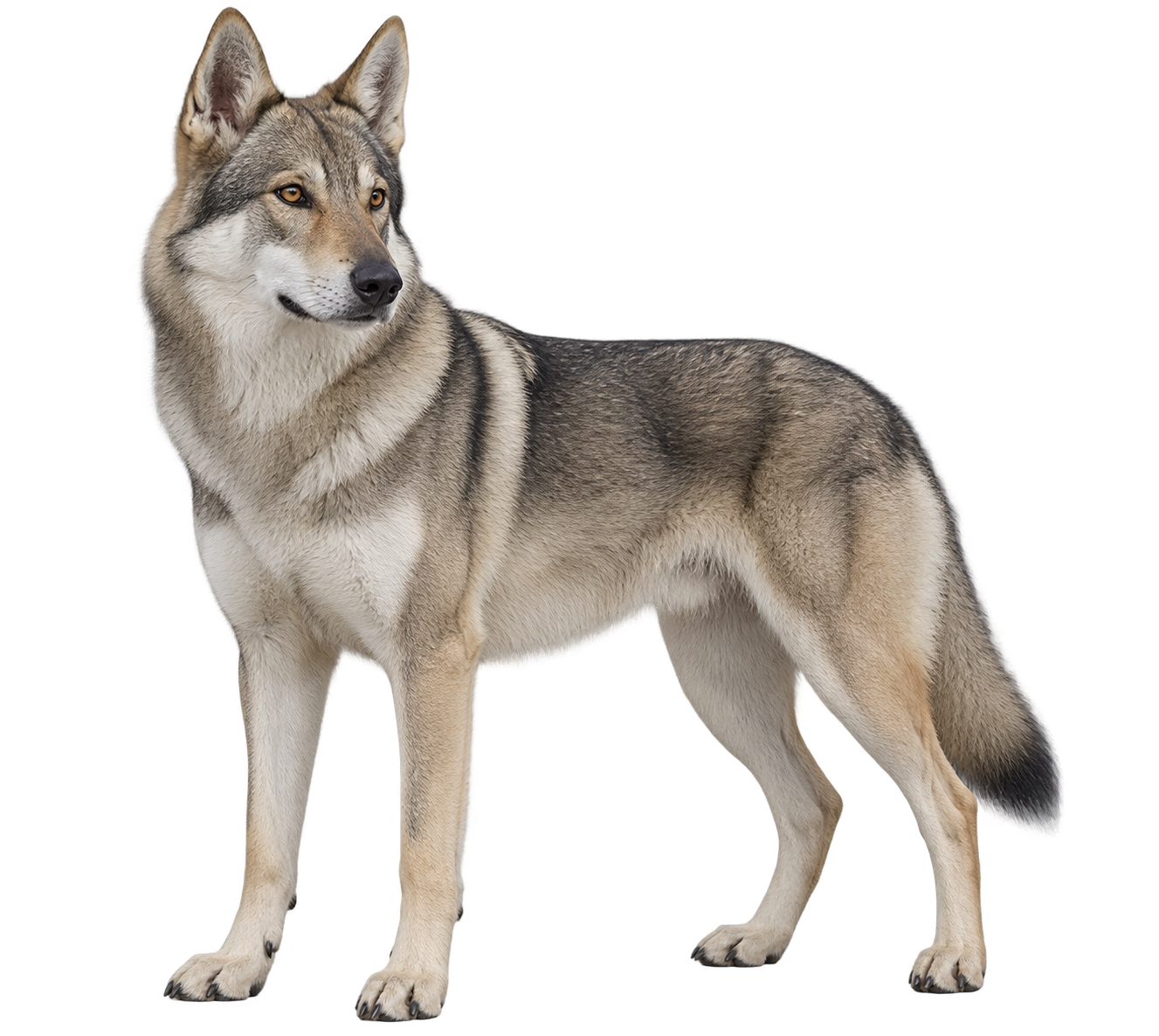
Czechoslovakian Wolfdog
A highly enduring working dog whose quick reactions, suspicion, strength, and intense loyalty require experienced socialization and secure daily activity.
Open breed profile →Evidence-backed comparison
Both are athletic working dogs that require consistent training, socialization, and substantial physical and mental outlets. A Czechoslovakian Wolfdog may suit a highly experienced home prepared for more independence, endurance, and secure management, while a German Shepherd Dog may suit a handler seeking more conventional training versatility and handler focus; individual temperament and breeding line still matter.
A highly enduring working dog whose quick reactions, suspicion, strength, and intense loyalty require experienced socialization and secure daily activity.
Open breed profile →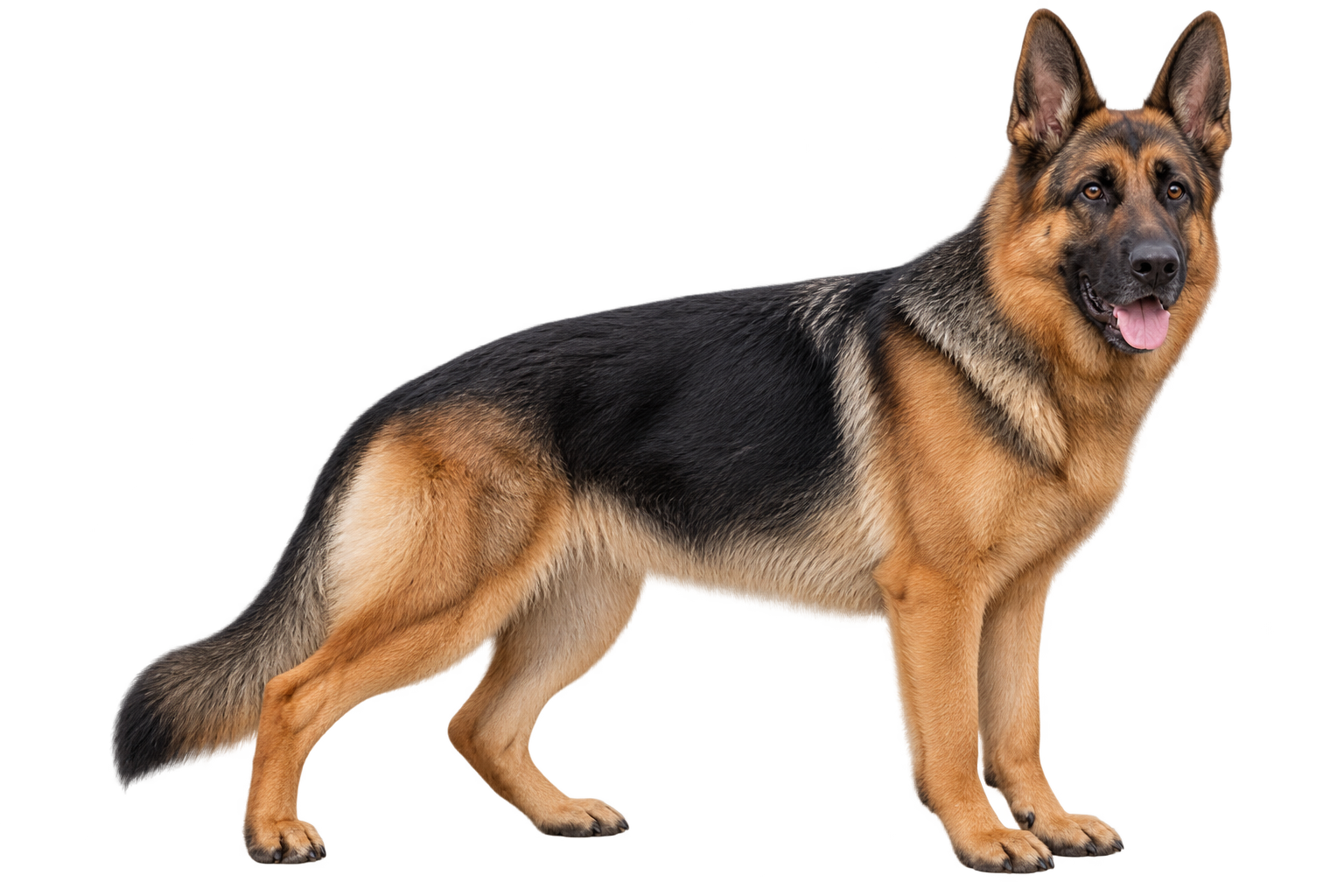
A versatile working dog needing purposeful activity, training, and careful socialization.
Open breed profile →A practical first cut
These are breed-level tendencies, not a promise about an individual dog.
You have advanced experience and can support exceptional exercise, mental work, socialization, secure management, and a more independent training relationship.
You want a highly trainable working partner and can still provide very high activity, mental work, careful socialization, capable handling, and substantial shedding management.
You cannot make daily training, structured activity, secure handling, and thoughtful social exposure central to life with the dog; individual lineage and history remain important.
The clearest contrasts
The standard describes a very active working dog with exceptional endurance.
German Shepherd Dogs are energetic working dogs that require extensive daily physical exercise and an outlet for their drive.
Working purpose, quick reactions, and strong orientation to its master support regular structured training.
Daily training, mental work, and purposeful activity are material needs for this intelligent working breed.
Docility and quick reactions support learning, while suspiciousness and strong character make cooperation demanding.
Intelligence, willingness to work, responsiveness, and versatility are defining breed characteristics.
The standard explicitly describes the breed as suspicious while exceptionally loyal to its master.
The breed standard calls for confidence and approachability without indiscriminate friendship, alongside strong family loyalty.
A thick winter undercoat and strong seasonal difference in coat imply substantial coat change.
The double coat sheds substantially, with heavier seasonal shedding.
Common ground
Endurance, courage, suspicion, strength, and close one-person loyalty require experienced socialization and secure management.
Large size, extensive exercise, mental work, socialization, training, and guardian traits create a demanding ownership profile despite high trainability.
The straight close coat is practical, but the dense winter undercoat needs regular seasonal brushing.
Coat care is structurally simple but requires regular brushing and additional work during heavy shedding periods.
Before you decide
Keep exploring
See how either breed compares with another realistic alternative.
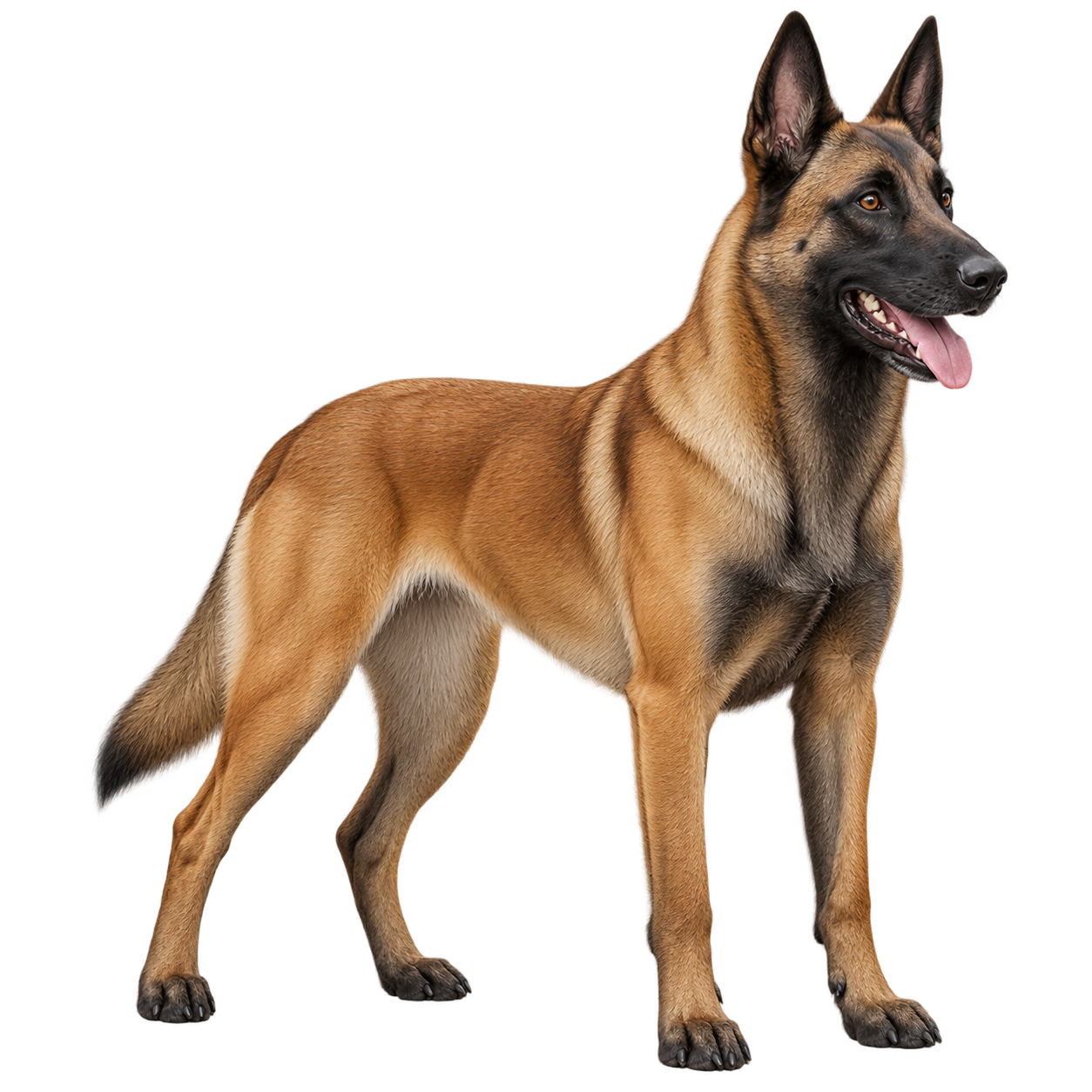 Belgian Malinois vs German Shepherd DogWorking intensity, training, sociability, and experienced handling.Compare →
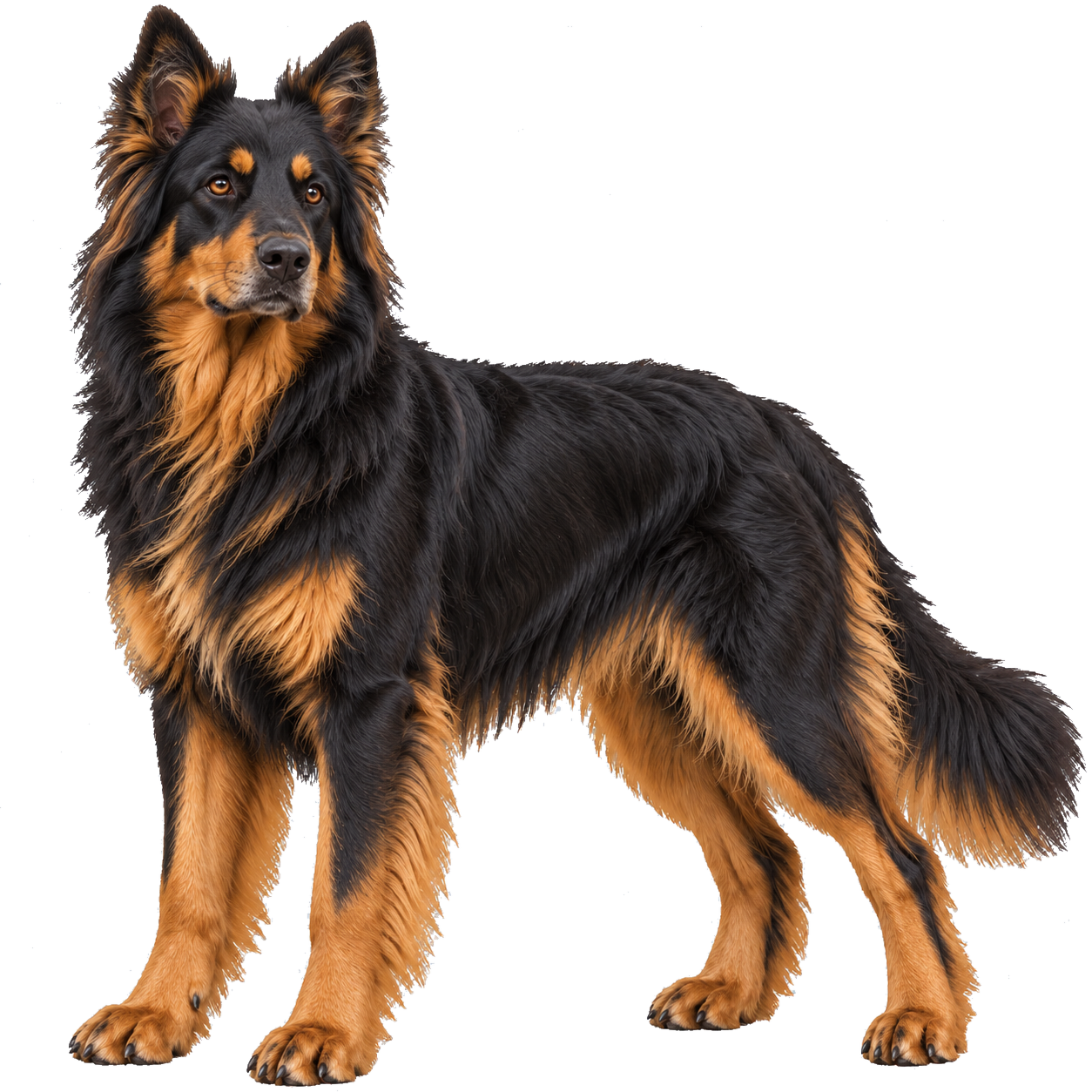 Bohemian Shepherd vs German Shepherd DogShepherd responsiveness, working versatility, sensitivity, exercise, sociability, coat care, and handling complexity.Compare →
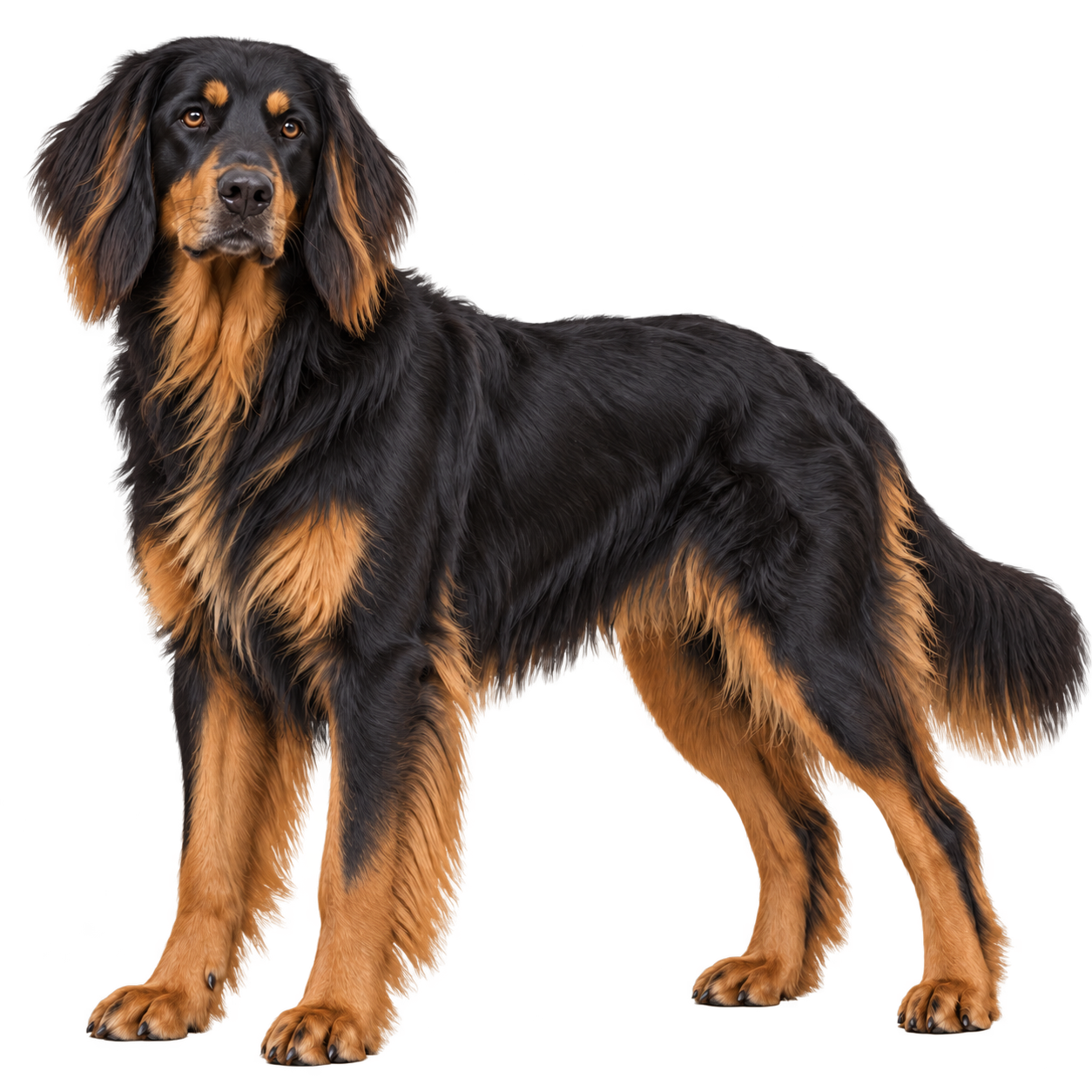 Hovawart vs German Shepherd DogVersatile working drive, guarding judgment, trainability, sociability, exercise, coat care, and experienced handling.Compare →
Your routine matters
Breed-level tendencies are a starting point. Check them against your own time, home, and constraints.