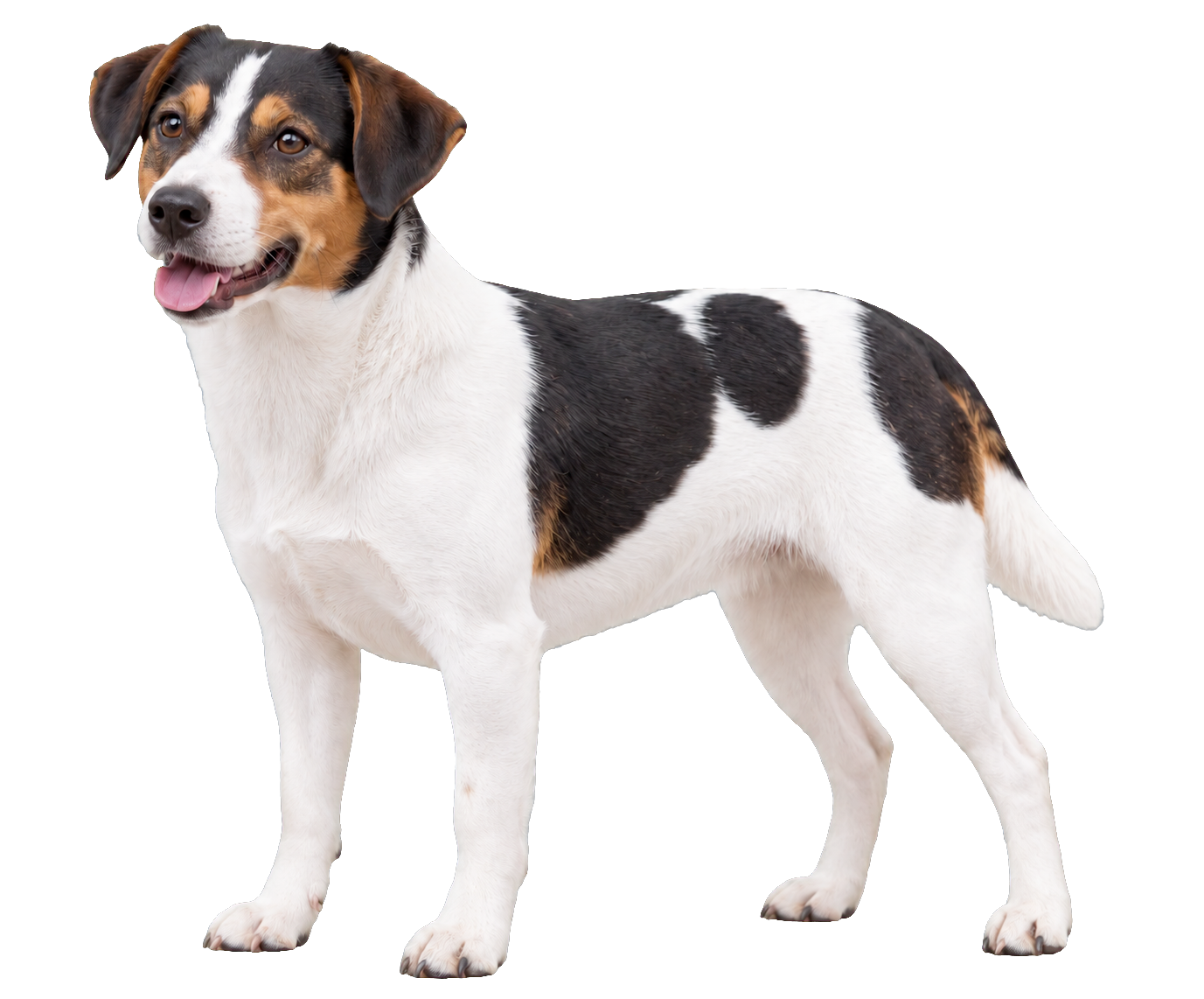
Danish-Swedish Farmdog
A compact Scandinavian farm dog that combines lively work, quick learning, and close household companionship with a need for active outlets.
Open breed profile →Evidence-backed comparison
Both are compact, active working dogs that need daily exercise, training, and outlets for pursuit. A Danish-Swedish Farmdog may suit someone seeking a responsive farm companion, while a Jack Russell Terrier may suit an experienced home prepared for more intense terrier drive and management; individual temperament still matters.
A compact Scandinavian farm dog that combines lively work, quick learning, and close household companionship with a need for active outlets.
Open breed profile →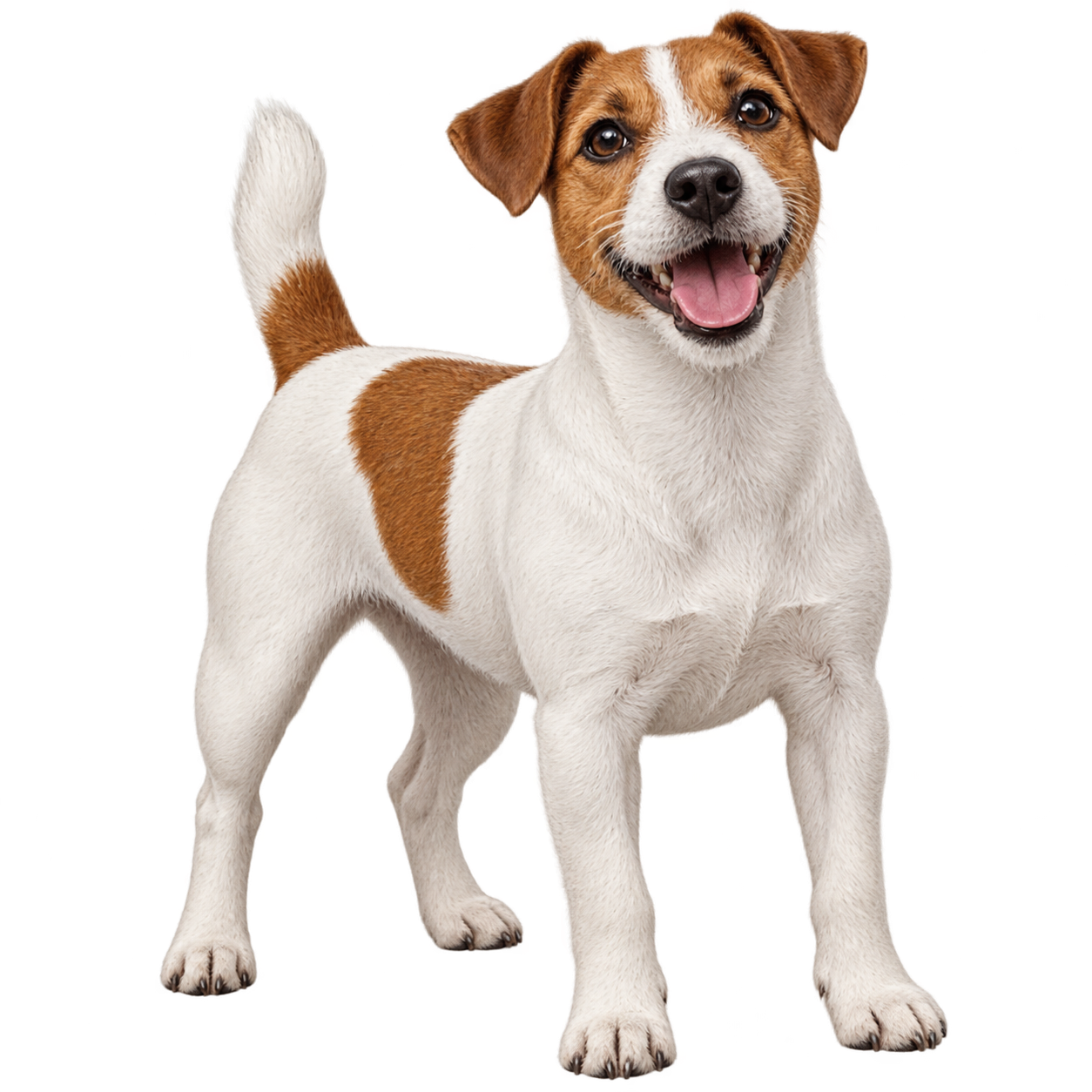
A compact working terrier with outsized energy, curiosity, persistence, and prey drive.
Open breed profile →A practical first cut
These are breed-level tendencies, not a promise about an individual dog.
You want a lively small farm dog with high exercise and training needs, while preferring the lower documented pursuit drive and more moderate handling complexity in this comparison.
You actively want classic working-terrier intensity and can manage very high pursuit drive, persistent training choices, secure exercise, and greater everyday handling demands.
You need a dog satisfied by brief outings or expect reliable freedom around small animals; both need daily exercise, mental engagement, training, and realistic containment.
The clearest contrasts
Energy, alertness, and vermin-working heritage need consistent outlets and boundaries.
Energy, digging, pursuit, and bold decisions require active management.
Traditional vermin control gives small-animal pursuit practical significance.
A fox-working origin supports strong pursuit and digging behavior.
Common ground
A versatile farm dog benefits from active daily exercise and play.
A small body does not reduce the need for vigorous daily activity.
Work, training games, and varied challenges suit this bright multipurpose dog.
Working-terrier curiosity benefits from games, training, and scent-based outlets.
Close farm partnership and performance versatility support responsive learning.
They learn quickly, though persistence and prey interest can compete with cues.
The breed was developed to work and live closely with farming families.
They are typically lively and engaged companions.
A short coat is practical but still releases hair.
All recognized coat types shed to some degree.
The short smooth coat needs routine basic care rather than specialist grooming.
Routine brushing is usually manageable, with coat-type differences.
Before you decide
Keep exploring
See how either breed compares with another realistic alternative.
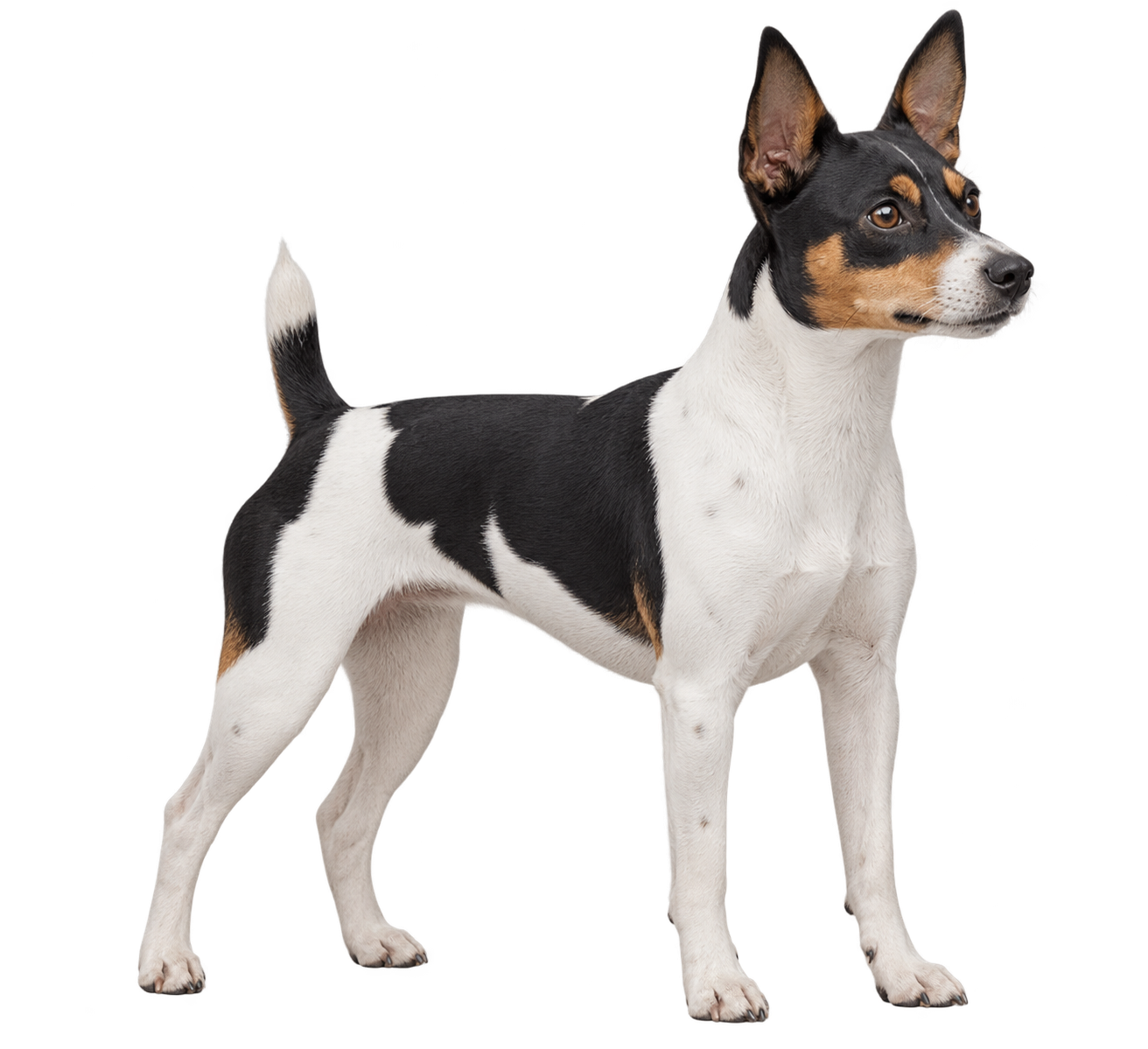 Danish-Swedish Farmdog vs Rat TerrierCompact farm-dog activity, trainability, vermin drive, alerting, and household companionship.Compare →
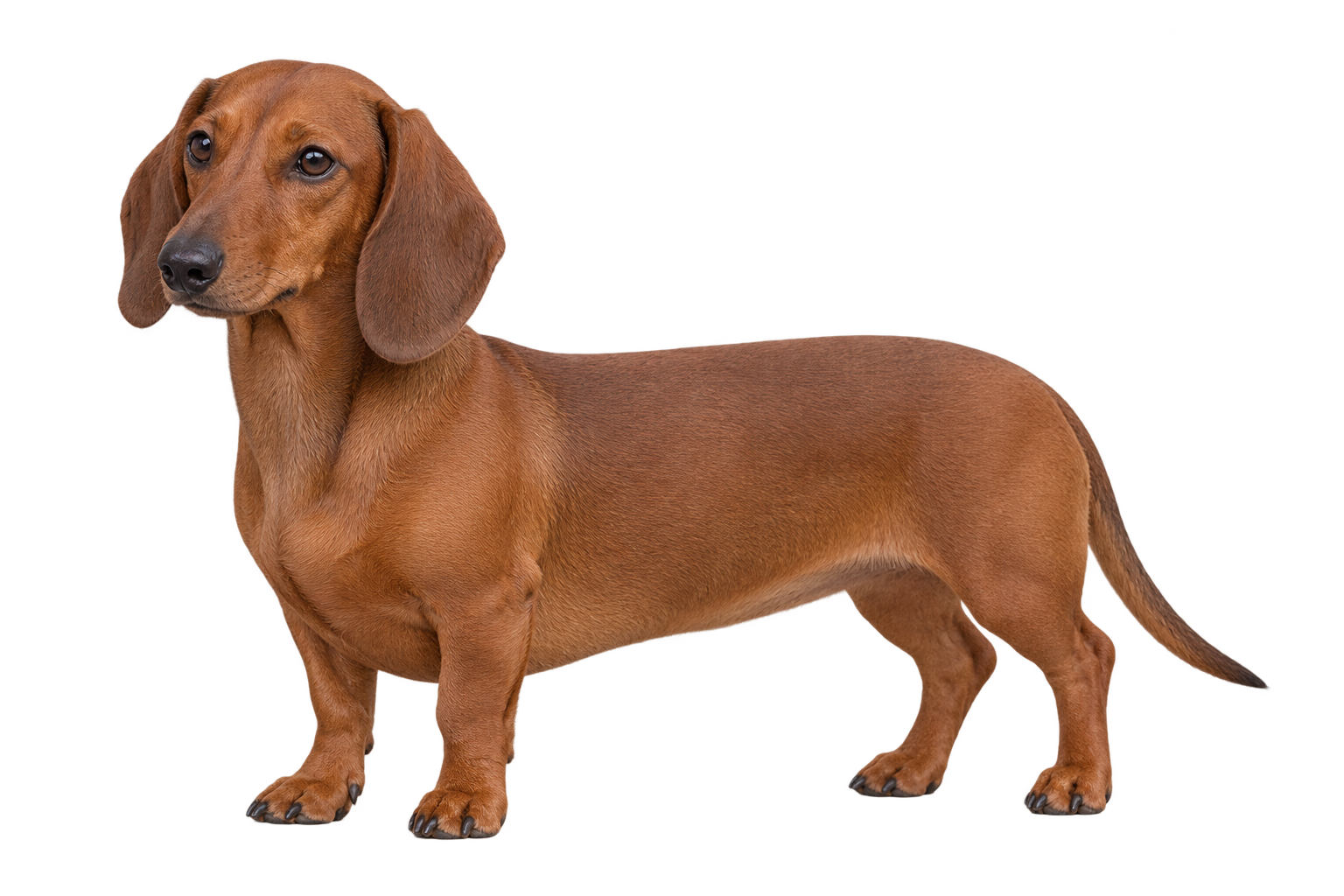 Jack Russell Terrier vs DachshundSmall-dog energy, prey drive, training, and household management.Compare →Rat Terrier vs Jack Russell TerrierSmall-terrier energy, trainability, voice, and prey drive.Compare →
Your routine matters
Breed-level tendencies are a starting point. Check them against your own time, home, and constraints.