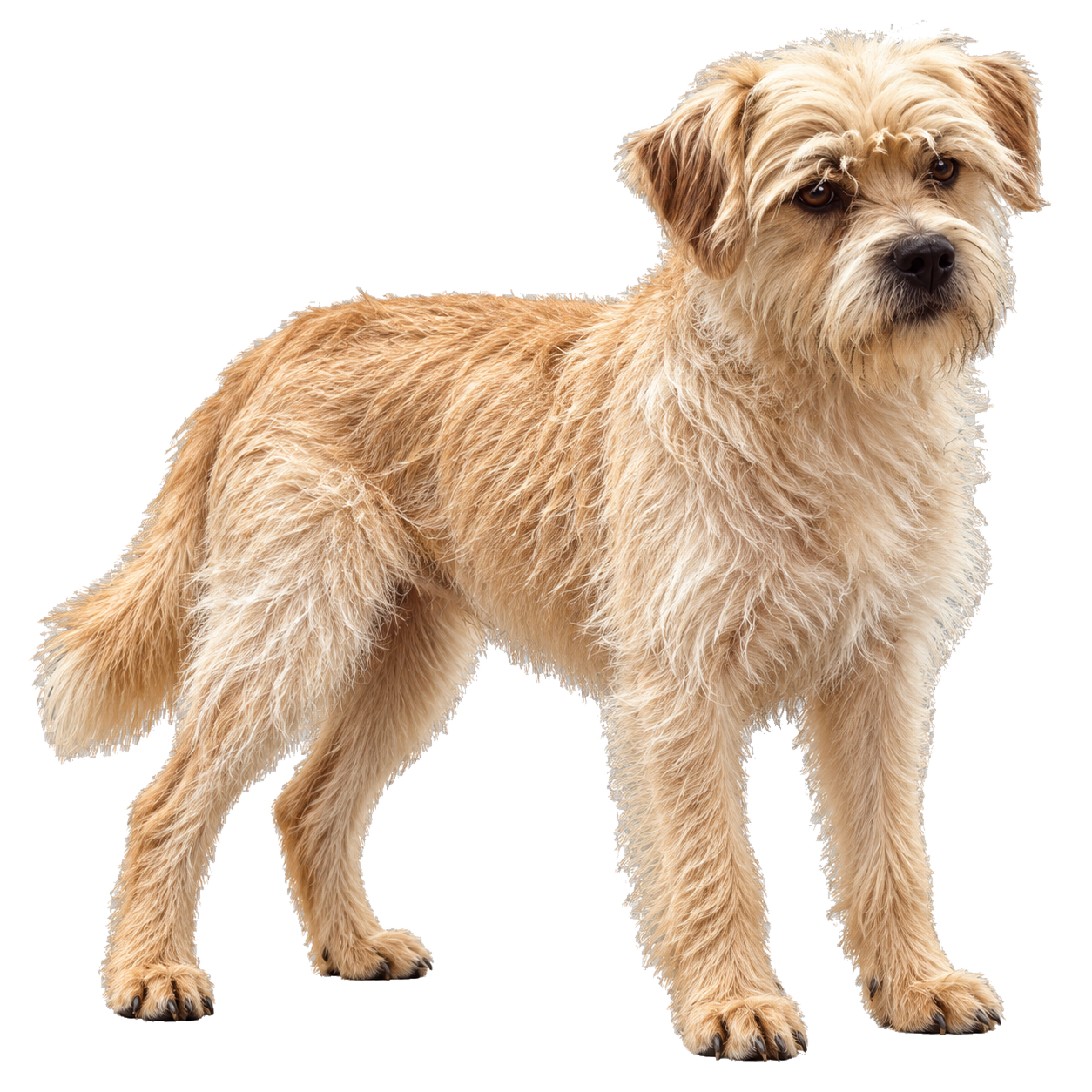
Dutch Smoushond
A lively, affectionate Dutch companion with a sturdy build, rough yellow coat, friendly temperament, and an alert history around stables.
Open breed profile →Evidence-backed comparison
See where their everyday needs align, where they differ, and which practical trade-offs deserve a closer look.
A lively, affectionate Dutch companion with a sturdy build, rough yellow coat, friendly temperament, and an alert history around stables.
Open breed profile →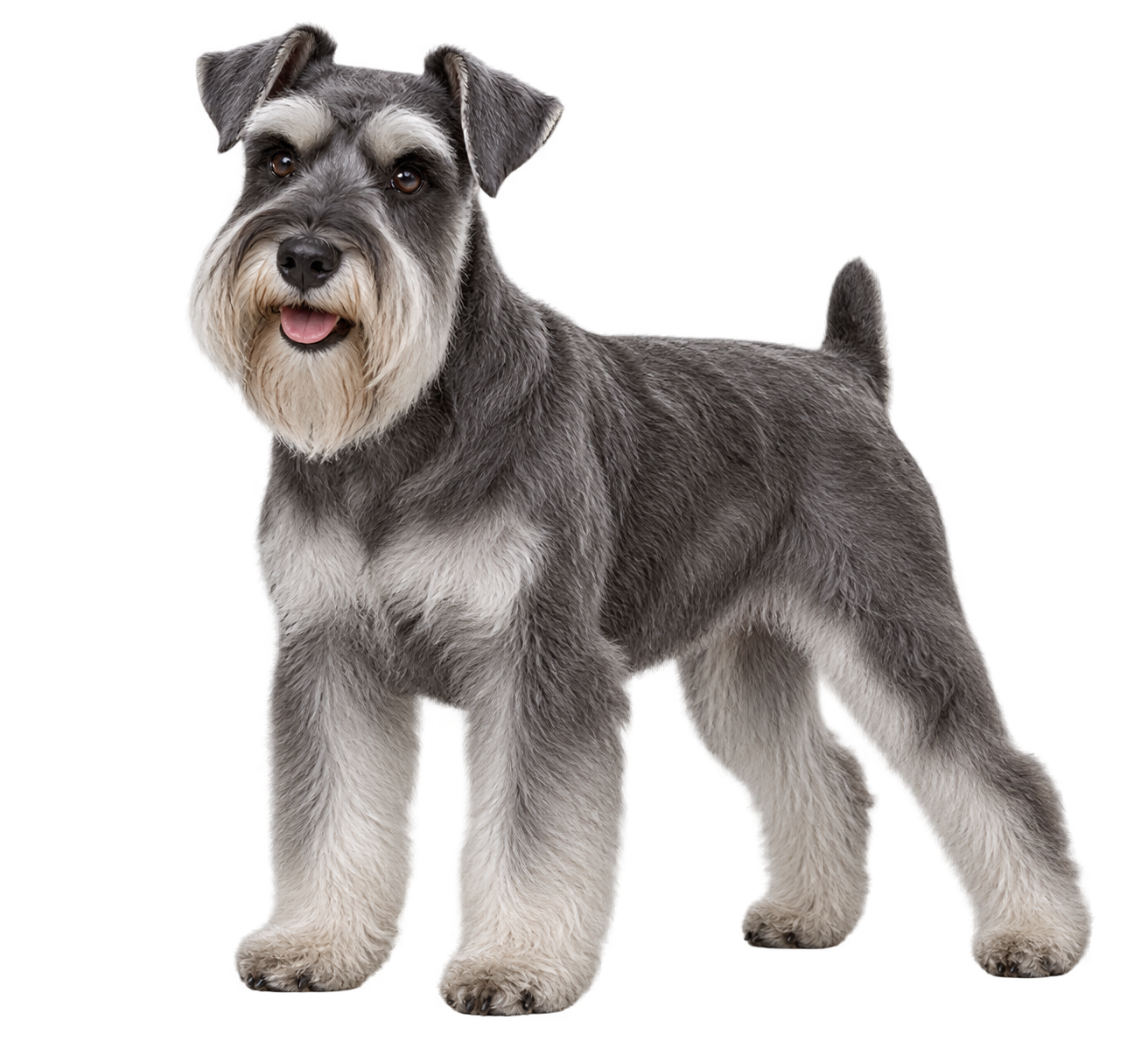
An alert, adaptable small dog that enjoys training and requires regular grooming.
Open breed profile →The clearest contrasts
A lively companion with a stable-ratting history benefits from games, training, and opportunities to explore.
This intelligent working terrier benefits from varied short training sessions, novelty, and regular mental engagement.
The harsh rough coat is managed through grooming rather than relying on heavy seasonal coat loss.
The parent club describes the breed as non-shedding, while emphasizing that coat maintenance is still required.
Its lively disposition and history around horse and carriage support alertness, without evidence for extreme vocality.
Watchdog vigilance and a tendency toward excessive barking without early socialization make vocal behavior a meaningful ownership consideration.
Common ground
The breed is lively and active but specifically described as not nervously over-active.
About an hour of daily walks, structured play, training, or similar activity suits many adult Miniature Schnauzers.
Affectionate, friendly, stable companion temperament supports cooperative everyday learning.
The official standard describes an intelligent dog willing to please and obedient to command.
Compact size and stable temperament are manageable, but activity and rough-coat care remain real commitments.
Portable size and adaptability help daily life, while alert barking, mental engagement, terrier instincts, and professional coat care require consistent management.
The standard describes the breed as affectionate, cheerful, friendly, and free spirited.
The official standard describes the breed as friendly, alert, spirited, and neither overaggressive nor timid.
The characteristic rough coat, beard, moustache, and eyebrows require regular specialist coat maintenance.
Low shedding does not mean low maintenance. Plan for weekly brushing and combing plus regular clipping or hand stripping, whether performed at home or by a professional groomer.
The breed history explicitly includes catching rats in stables.
The breed was developed to eliminate small farm pests, supporting a meaningful tendency to pursue small moving animals.
Before you decide
Keep exploring
See how either breed compares with another realistic alternative.
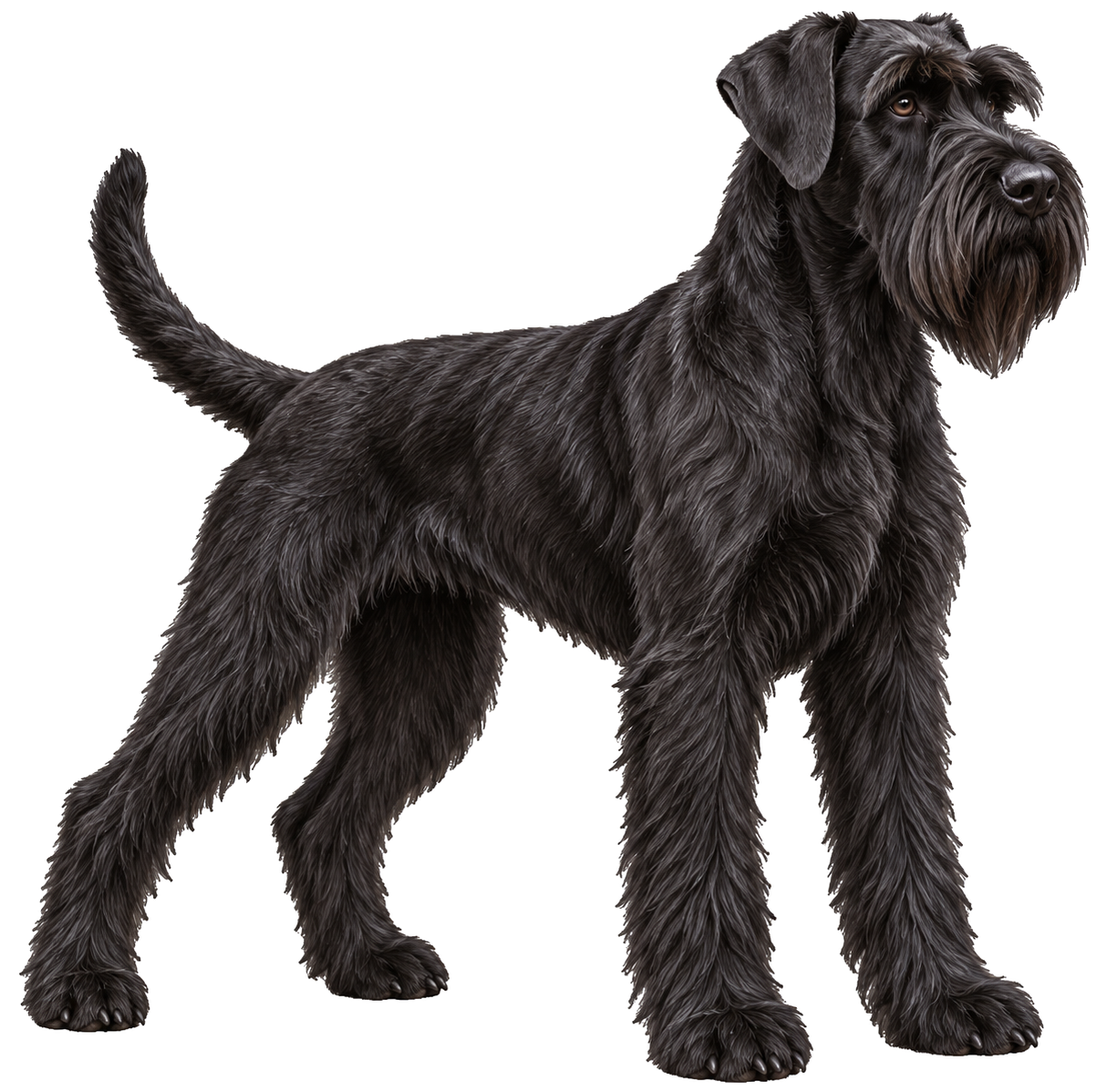 Giant Schnauzer vs Miniature SchnauzerSchnauzer size, exercise, guarding, training, and coat care.Compare →
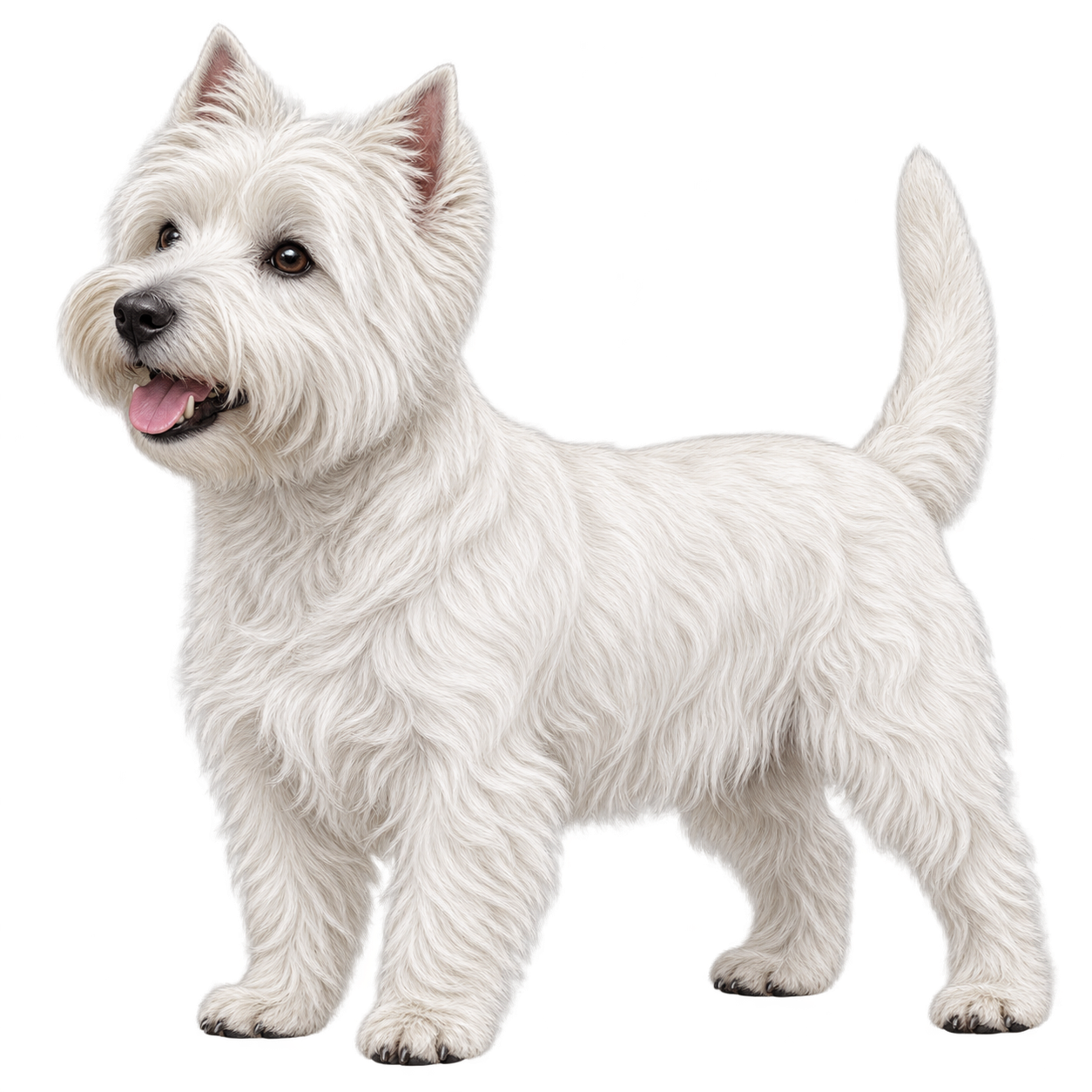 West Highland White Terrier vs Miniature SchnauzerTerrier temperament, voice, shedding, and professional grooming.Compare →
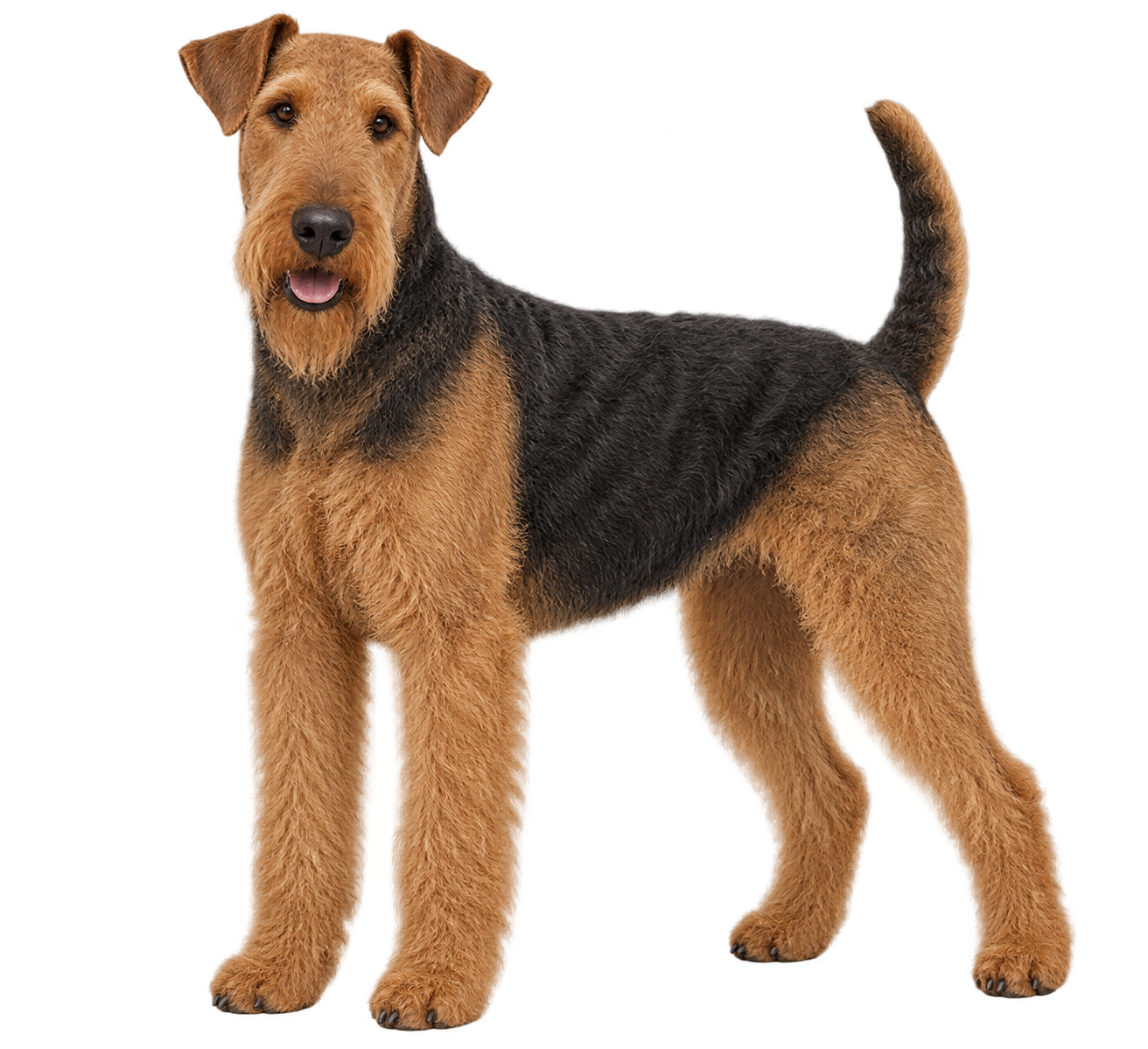 Airedale Terrier vs Giant SchnauzerWorking energy, trainability, guarding, and professional coat care.Compare →
Your routine matters
Breed-level tendencies are a starting point. Check them against your own time, home, and constraints.