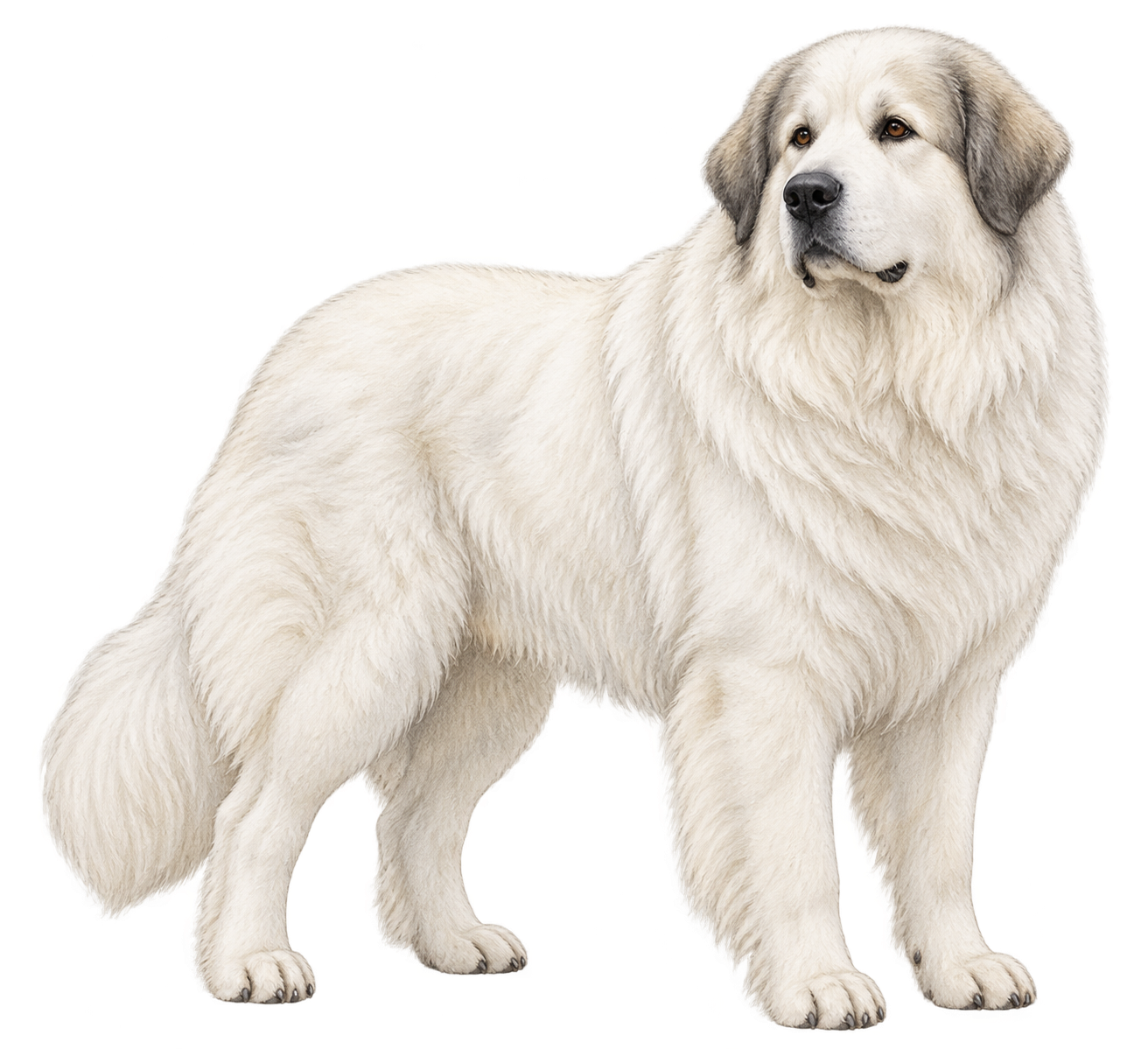
Great Pyrenees
A calm, independent livestock guardian whose giant size, voice, and coat shape everyday life.
Open breed profile →Evidence-backed comparison
See where their everyday needs align, where they differ, and which practical trade-offs deserve a closer look.
A calm, independent livestock guardian whose giant size, voice, and coat shape everyday life.
Open breed profile →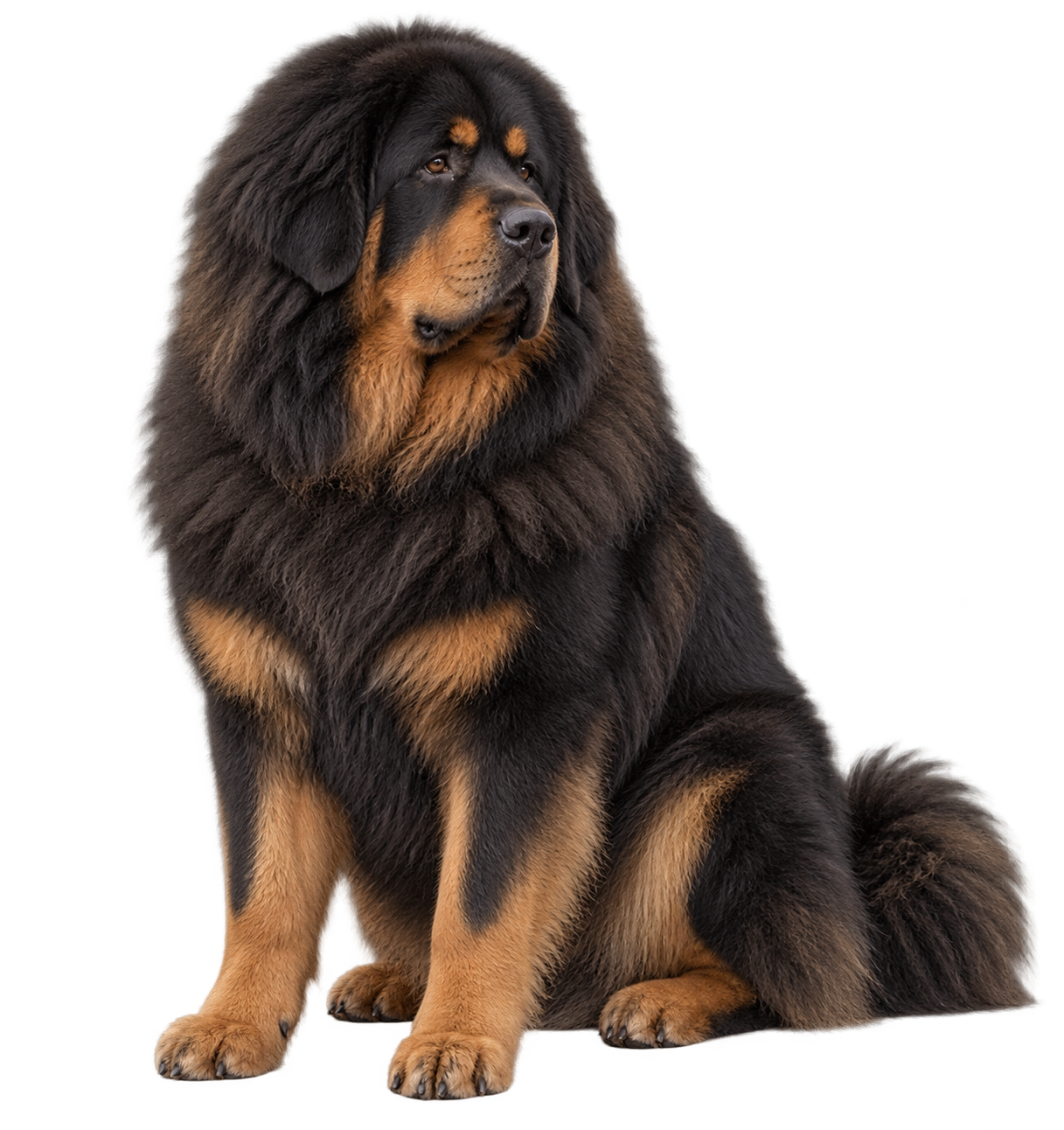
A massive, independent guardian whose territorial judgment, night-time vigilance, and heavy coat demand expert management.
Open breed profile →The clearest contrasts
Independent guardian instincts benefit from purposeful routines and thoughtful enrichment.
Guardian judgment and environmental awareness need secure, varied outlets rather than drilling.
Devotion to family may be paired with reserve and watchfulness around strangers.
Devotion to family commonly coexists with aloofness and reserve toward strangers.
A patient family temperament can work well with supervision and respect for giant size.
Family attachment can include children, but enormous size and guarding require close adult supervision.
A large body and dense coat require careful heat management.
A massive body and dense coat make heat management a major responsibility.
Common ground
Regular walks and room to patrol suit a guardian bred for steady rather than frantic work.
The breed benefits from regular controlled exercise but is not designed for repetitive endurance work.
Independent judgment can make obedience slower than in breeds selected for close direction.
Independent decision-making can limit repetitive obedience and requires patient, skilled training.
Giant size, guarding instincts, independence, and nighttime alertness require serious planning.
Giant size, territorial behavior, independence, and slow maturity demand experienced management.
The weather-resistant double coat sheds heavily.
The dense double coat sheds heavily, especially during seasonal coat changes.
Regular thorough brushing is needed to control coat and prevent tangles.
The heavy coat needs regular brushing and intensive seasonal maintenance.
Livestock-guardian alert barking, often at night, is a defining management consideration.
Traditional night-time guarding and territorial awareness can produce substantial barking.
Guardian independence and roaming tendencies make secure boundaries important.
Guardian and free-ranging history warrants secure containment around unfamiliar animals.
Before you decide
Keep exploring
See how either breed compares with another realistic alternative.
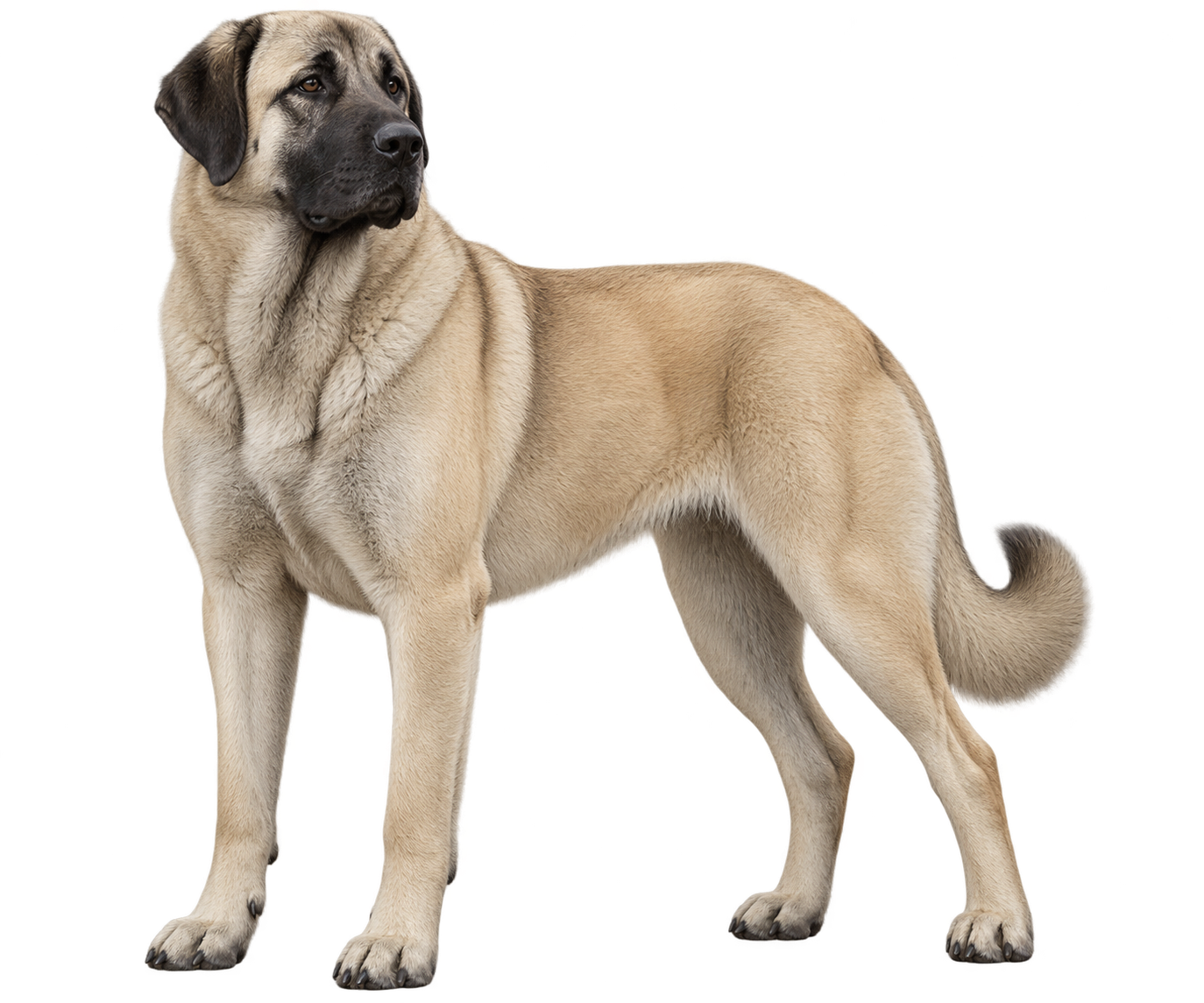 Anatolian Shepherd Dog vs Great PyreneesLivestock-guardian independence, territory, voice, grooming, and experienced handling.Compare →
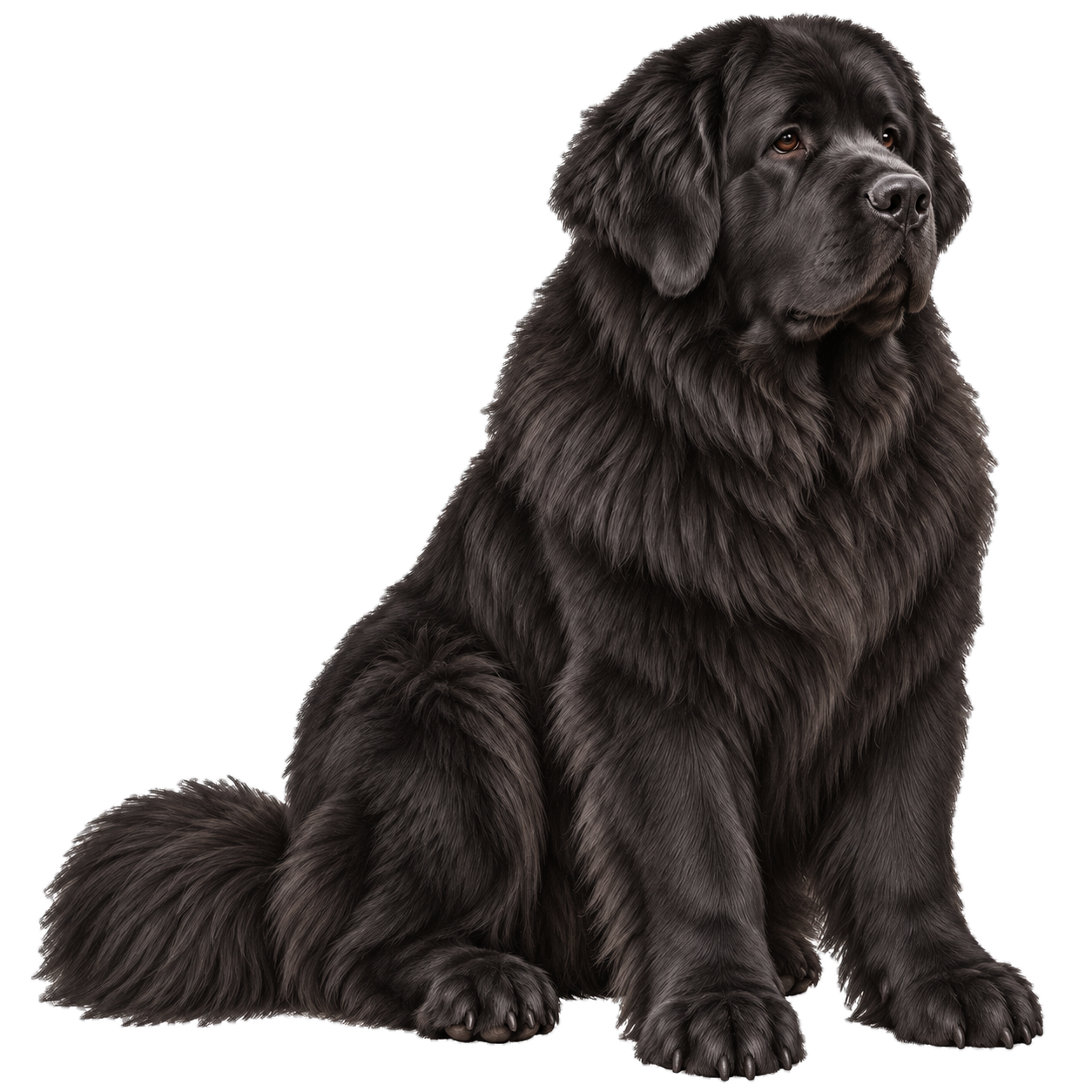 Great Pyrenees vs NewfoundlandGiant-dog temperament, activity, barking, grooming, and heat.Compare →
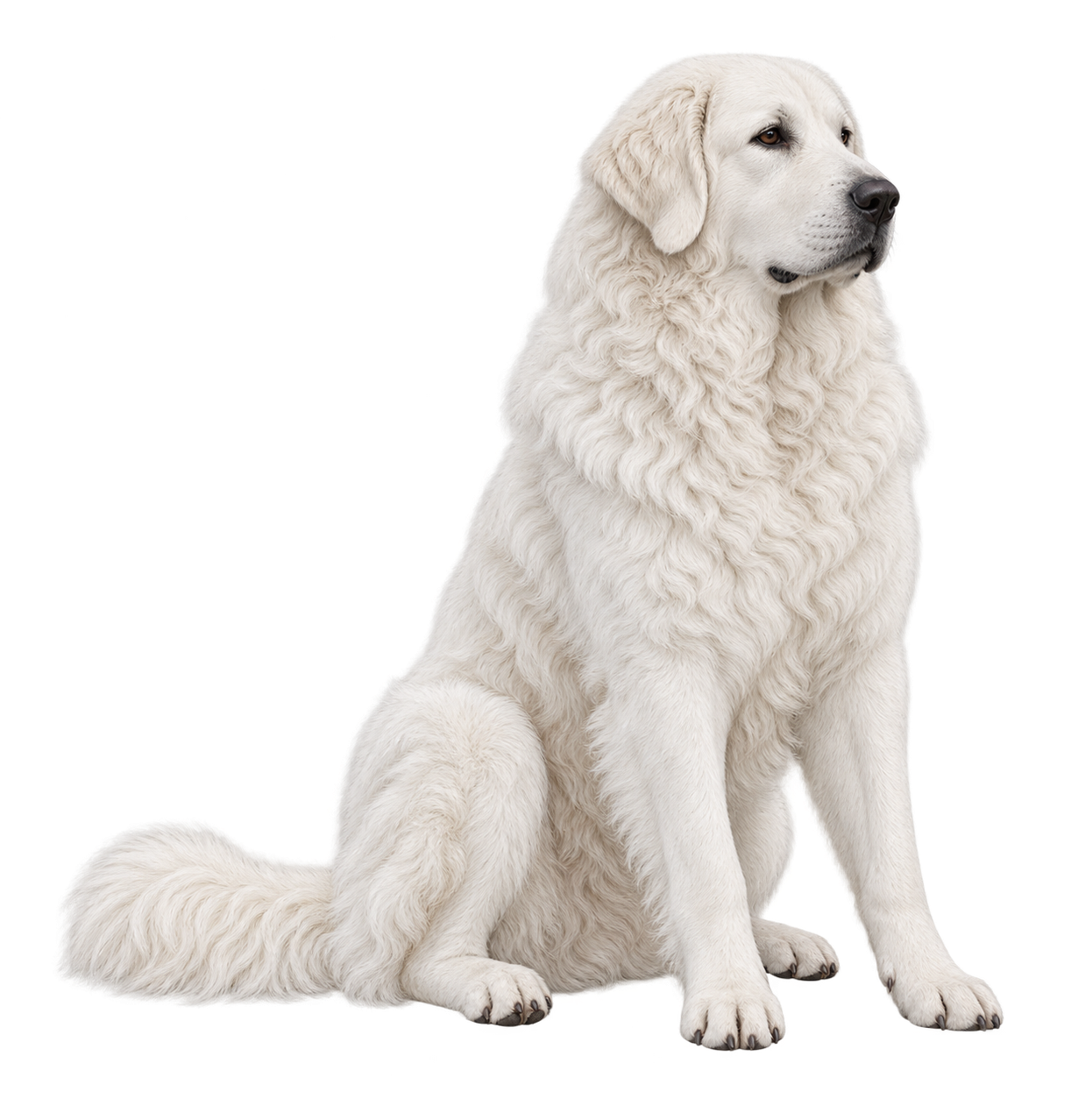 Kuvasz vs Great PyreneesLivestock-guardian independence, territory, voice, coat, and experienced handling.Compare →
Your routine matters
Breed-level tendencies are a starting point. Check them against your own time, home, and constraints.