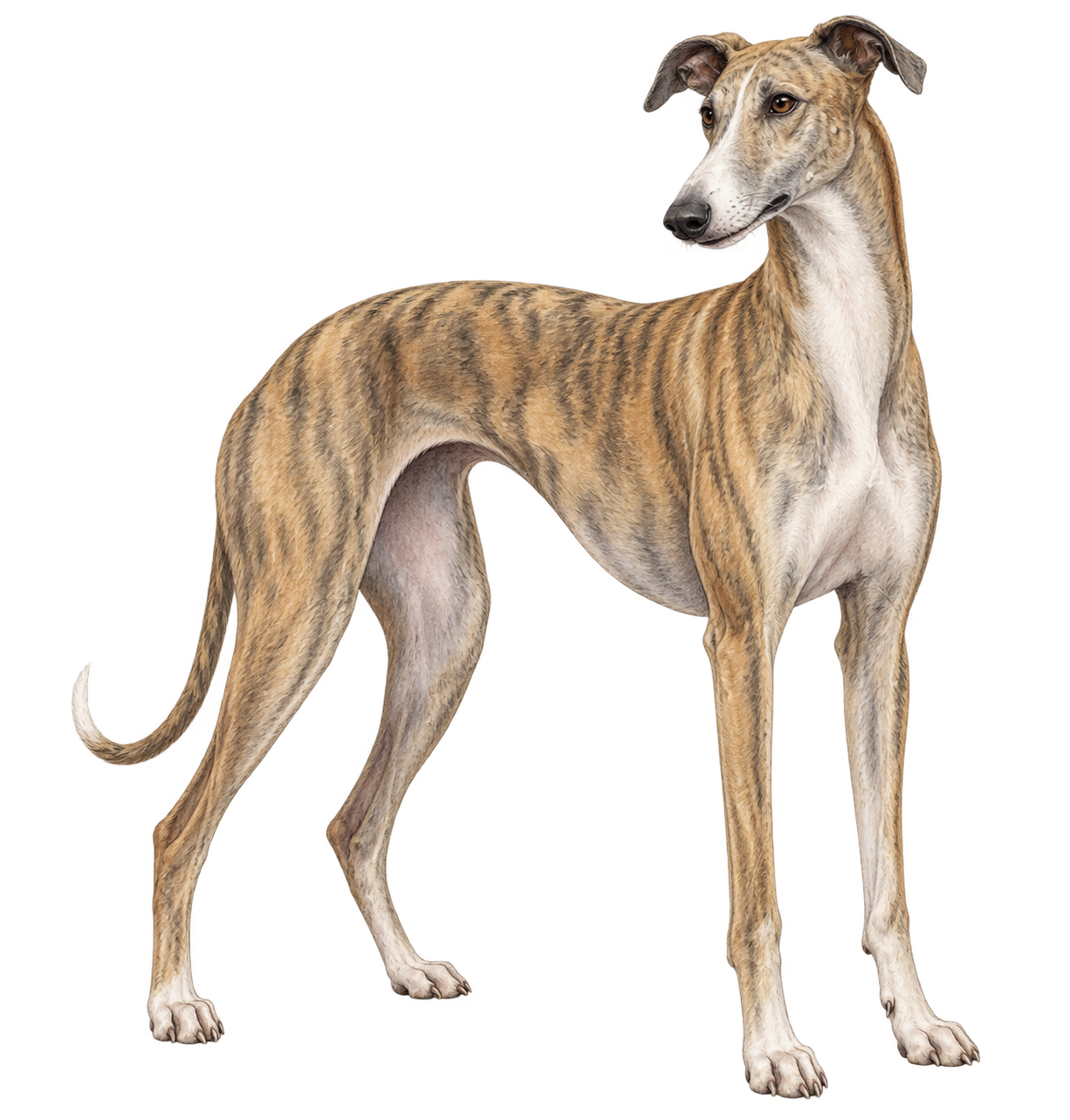
Greyhound
A gentle, quiet sighthound that pairs remarkable sprint speed with a calm indoor life.
Open breed profile →Evidence-backed comparison
See where their everyday needs align, where they differ, and which practical trade-offs deserve a closer look.
A gentle, quiet sighthound that pairs remarkable sprint speed with a calm indoor life.
Open breed profile →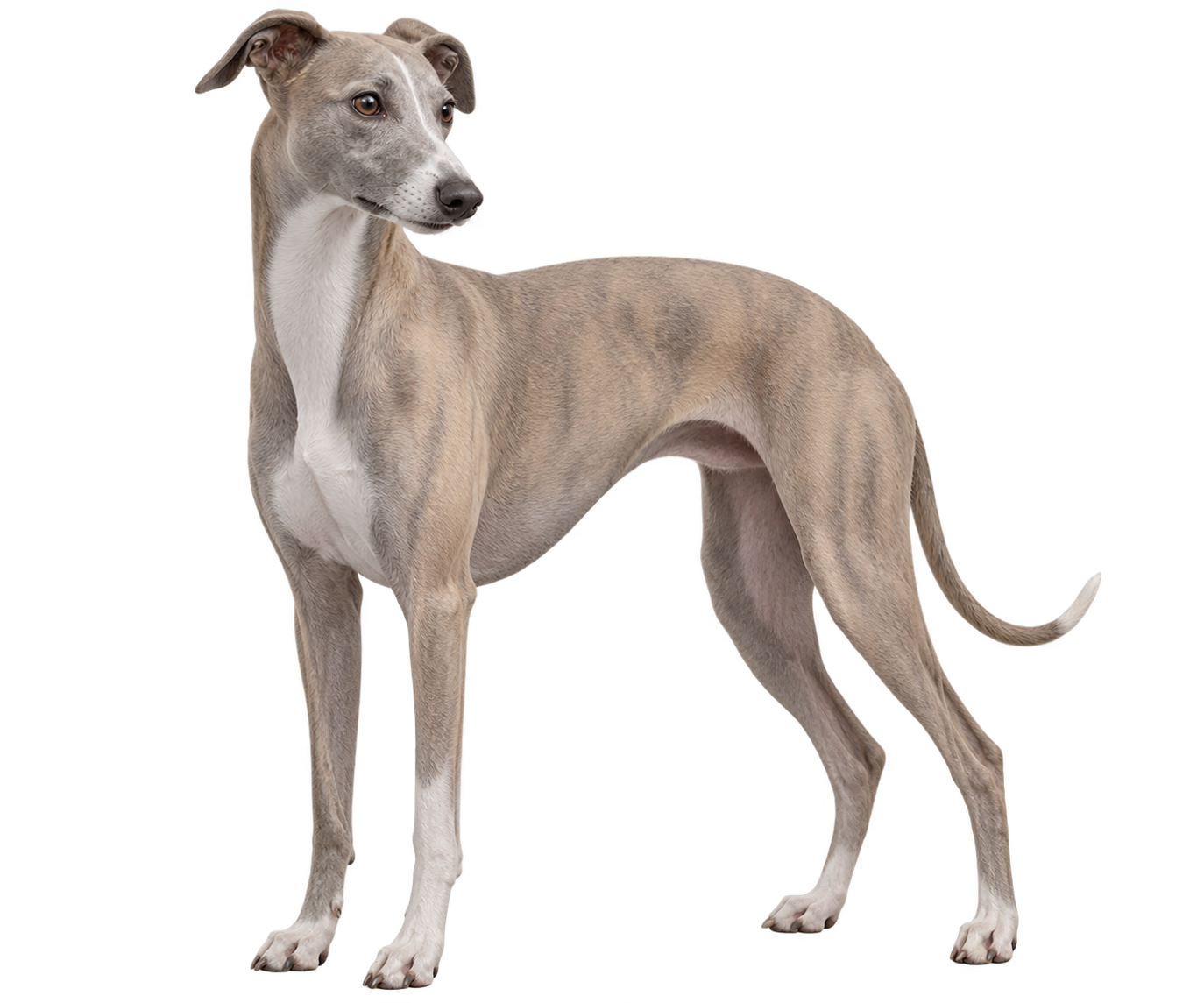
A gentle, quiet sighthound that enjoys short bursts of speed and a calm home life.
Open breed profile →The clearest contrasts
Short training, exploration, and varied walks provide useful engagement.
AKC expert breed commentary states that Whippets need plenty of mental stimulation and that insufficient stimulation can contribute to boredom or destructive behavior.
Speed, sensitivity, and a strong chase response require secure management.
Adults are generally calm, adaptable, quiet indoors, and low-maintenance in grooming, though chase behavior and independence still require management.
Calm family life can work well with respectful handling and supervision.
Whippets typically do well with families, including children, when normal supervision and socialization are provided.
Many Greyhounds are quiet indoors, though individuals vary.
Adult Whippets are typically calm indoors and are not known for excessive barking.
A lean body and short coat call for sensible exercise in temperature extremes.
AKC includes the Whippet among breeds suited to hot weather, highlighting its smooth, very short, thin coat; normal heat-safety precautions remain essential.
Common ground
Daily walks and regular opportunities to run safely suit this athletic sprinter.
The Royal Kennel Club describes an adult exercise requirement of up to one hour per day.
Gentle, consistent reward-based training best suits this sensitive hound.
Whippets can learn basic commands with consistency but their independent streak may challenge owners expecting constant eagerness to comply.
Greyhounds are typically gentle, affectionate companions at home.
The parent club characterizes Whippets as affectionate, gentle companions with a friendly, amiable disposition.
The short, smooth coat sheds lightly and is easy to maintain.
The short coat does shed, but coat-care demands are limited.
Occasional brushing and routine nail and dental care are usually sufficient.
The official breed profile recommends grooming approximately once a week.
Sighthound speed and pursuit instinct make secure spaces and leash control essential.
The breed is gentle in companionship but capable of great intensity in sporting pursuit, reflecting its sighthound purpose.
Before you decide
Keep exploring
See how either breed compares with another realistic alternative.
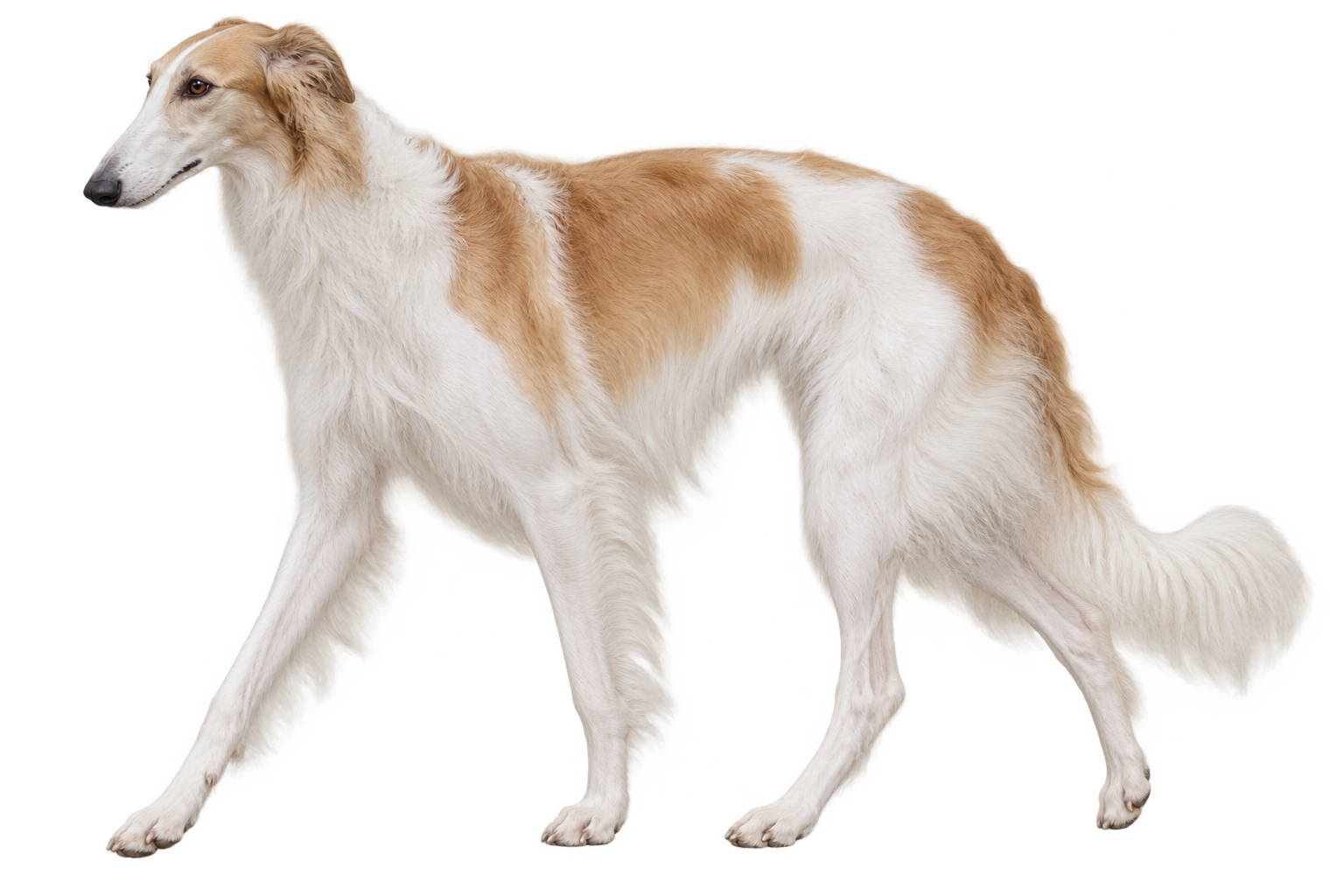 Borzoi vs GreyhoundBorzoi and Greyhound size, speed, exercise, prey drive, home life, and grooming.Compare →
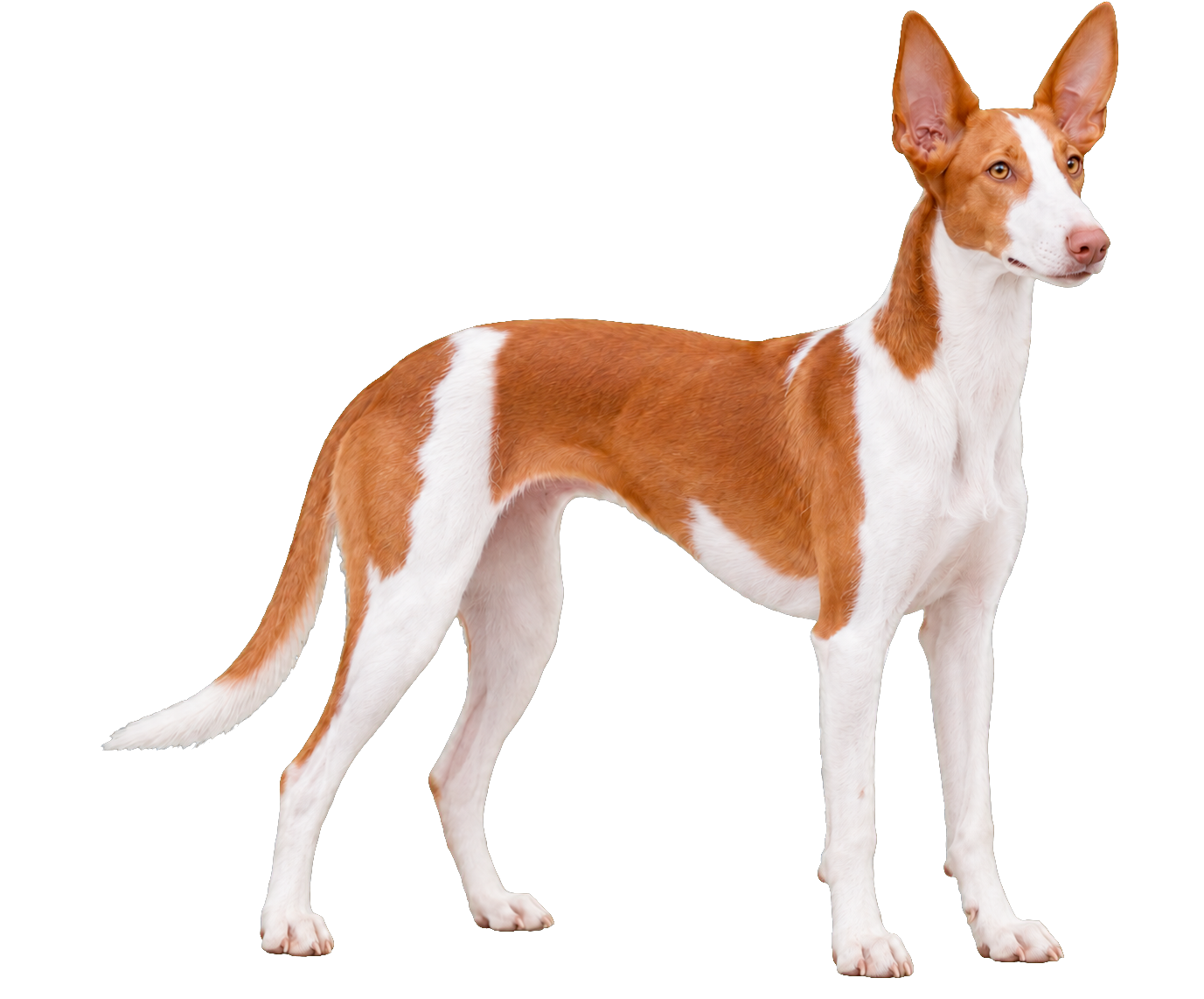 Ibizan Hound vs WhippetSighthound speed, sensitivity, prey drive, jumping, indoor calm, and secure exercise.Compare →
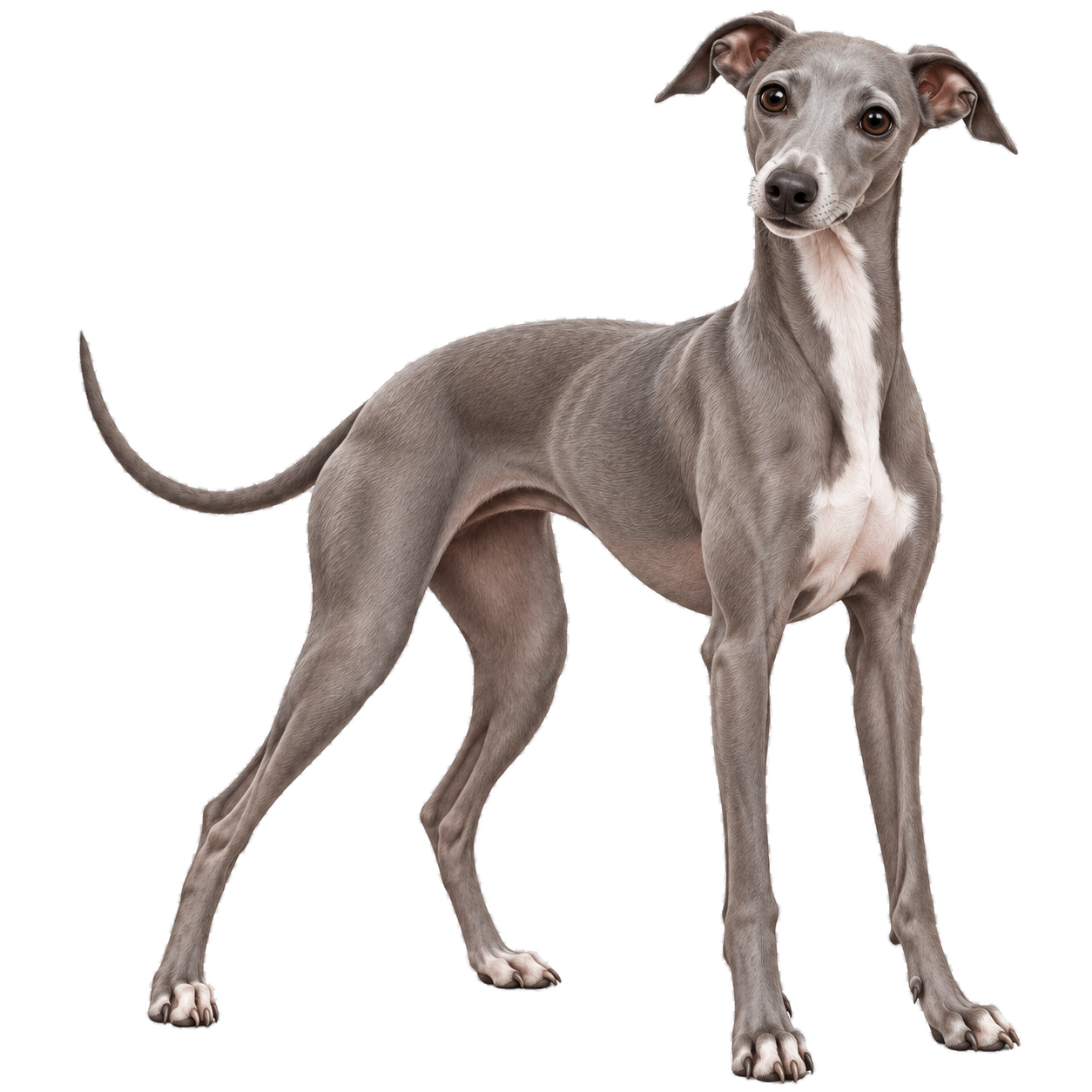 Italian Greyhound vs WhippetSighthound energy, sensitivity, climate, and home life.Compare →
Your routine matters
Breed-level tendencies are a starting point. Check them against your own time, home, and constraints.