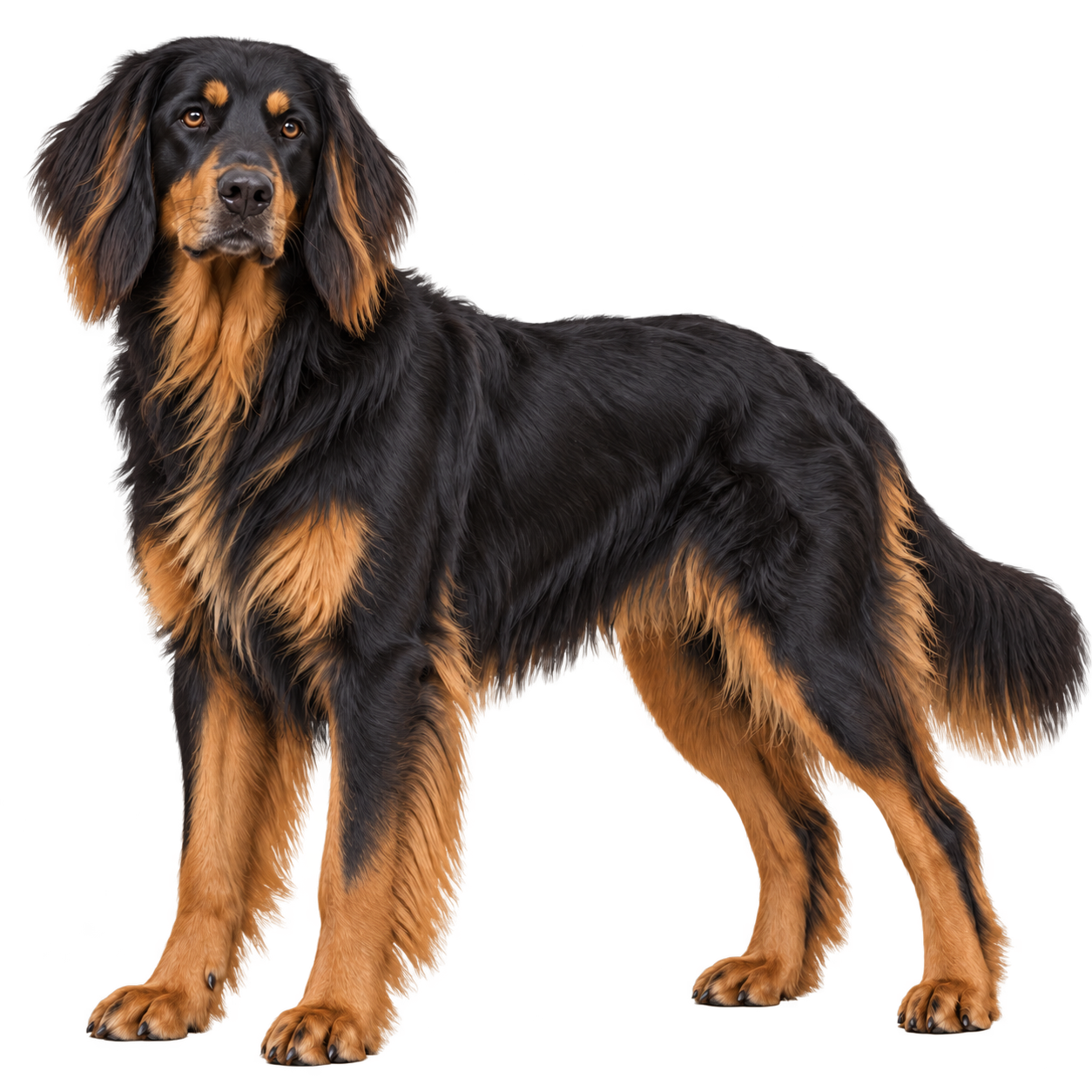
Hovawart
A powerful German working dog whose family devotion, guarding instinct, scent ability, and self-confidence require skilled training and thoughtful socialization.
Open breed profile →Evidence-backed comparison
See where their everyday needs align, where they differ, and which practical trade-offs deserve a closer look.
A powerful German working dog whose family devotion, guarding instinct, scent ability, and self-confidence require skilled training and thoughtful socialization.
Open breed profile →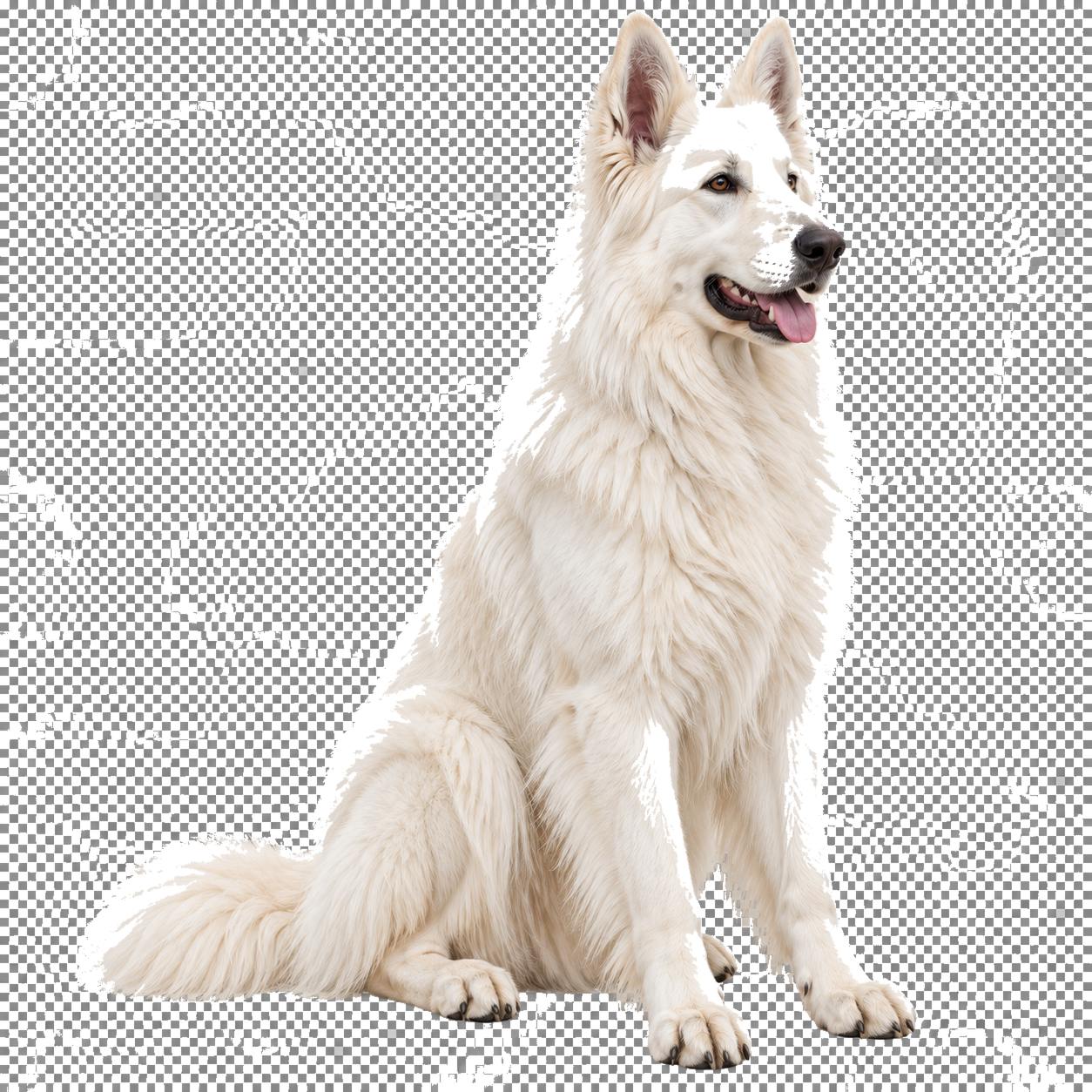
A lively, balanced white shepherd whose trainability, family attachment, athleticism, and abundant coat demand daily engagement and grooming.
Open breed profile →The clearest contrasts
The standard describes an even, stress-capable versatile worker with strong devotion to family.
The standard explicitly describes the breed as highly trainable and willing to cooperate.
Adult power, protectiveness, self-confidence, and guarding judgment call for experienced reward-based handling.
Shepherd size, sensitivity, and activity require structured socialization and consistent handling.
Strong family devotion coexists with a working guardian role, so broad sociability should not be assumed.
The breed is friendly, socially competent, and devoted while able to remain discreet with strangers.
The thick long coat has limited undercoat but still requires management through normal coat turnover.
The medium or long double coat has abundant undercoat and substantial coat turnover.
The thick, slightly wavy long coat and feathering need regular brushing and inspection.
The abundant double coat needs frequent brushing, particularly during seasonal shedding.
Common ground
A powerful working dog used for guarding, rescue, and tracking needs substantial structured daily activity.
A lively shepherd and working companion needs substantial daily physical activity.
Versatile working, scent, and protective roles require regular training and purposeful problem-solving.
Attentiveness, working ability, and versatility require regular training and mental work.
Watch and guard work supports alert vocal behaviour, though the standard describes an even disposition.
Attentive shepherd heritage supports alert barking without evidence of a highly vocal baseline.
Before you decide
Keep exploring
See how either breed compares with another realistic alternative.
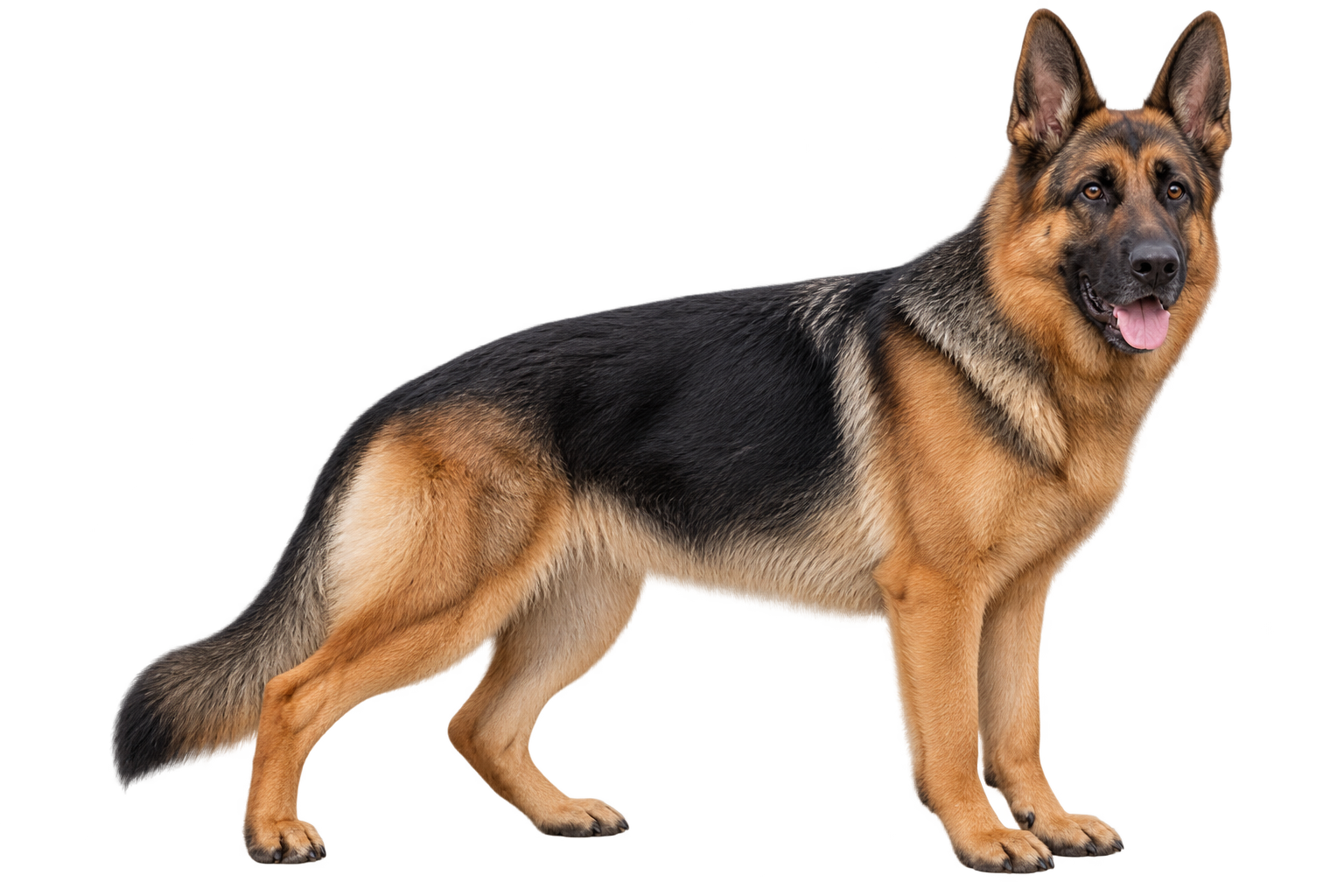 Hovawart vs German Shepherd DogVersatile working drive, guarding judgment, trainability, sociability, exercise, coat care, and experienced handling.Compare →White Swiss Shepherd Dog vs German Shepherd DogShepherd trainability, temperament, activity, sociability, guarding tendency, coat care, and family life.Compare →
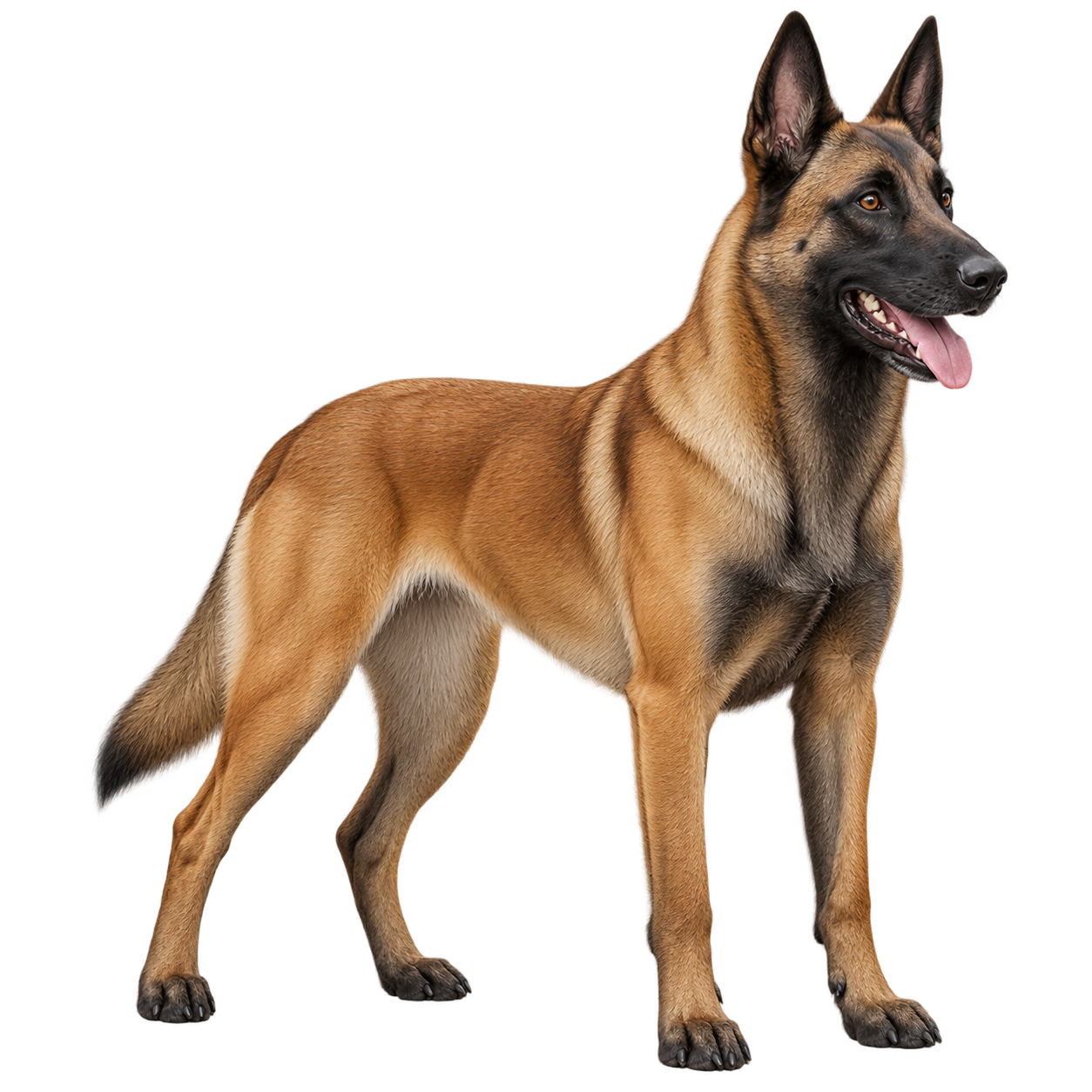 Belgian Malinois vs German Shepherd DogWorking intensity, training, sociability, and experienced handling.Compare →
Your routine matters
Breed-level tendencies are a starting point. Check them against your own time, home, and constraints.