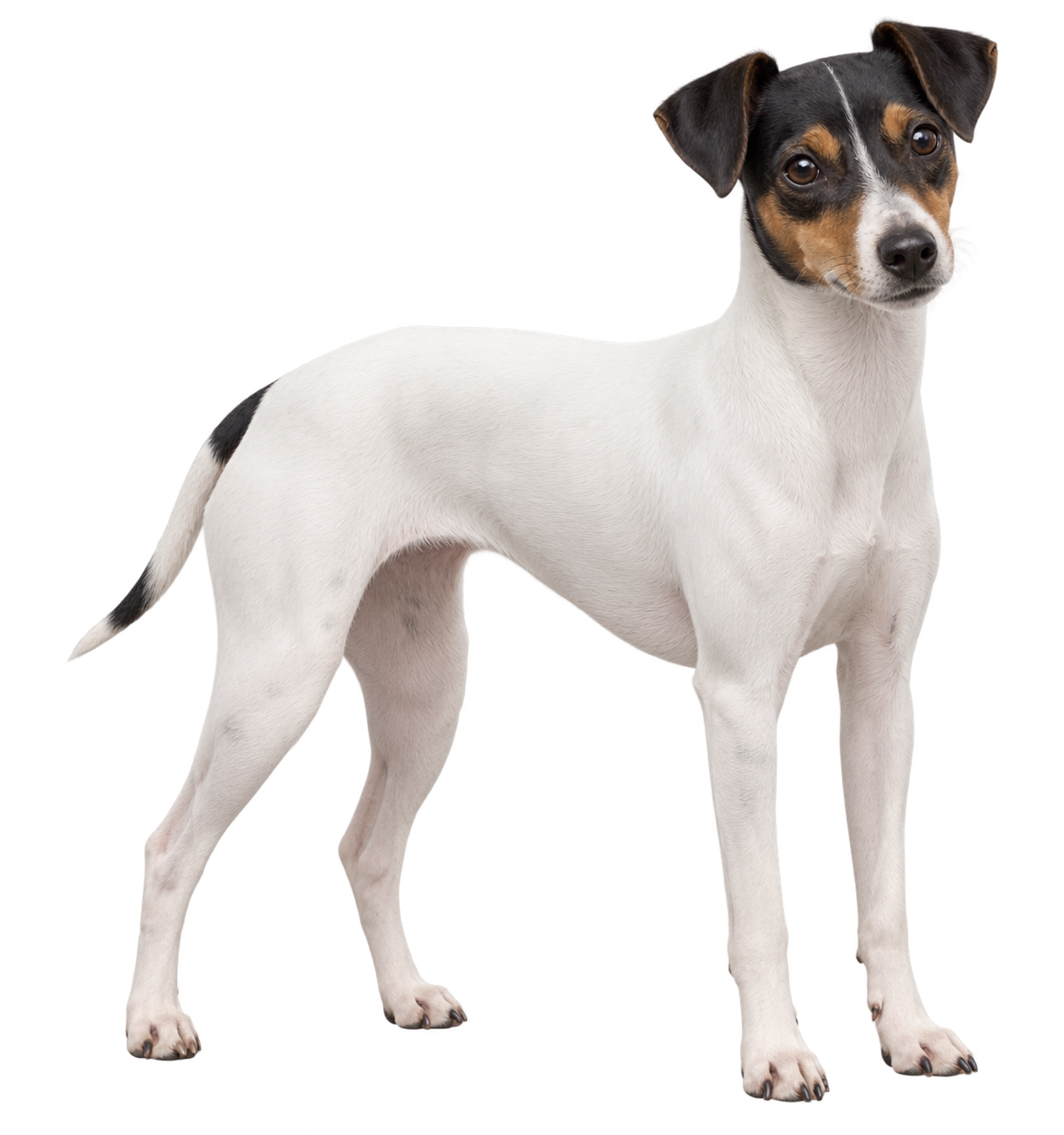
Japanese Terrier
A lively, affectionate small Japanese terrier whose fine build, quick reactions, and smooth coat suit close companionship and active play.
Open breed profile →Evidence-backed comparison
See where their everyday needs align, where they differ, and which practical trade-offs deserve a closer look.
A lively, affectionate small Japanese terrier whose fine build, quick reactions, and smooth coat suit close companionship and active play.
Open breed profile →
A tiny, lively Russian companion with keen intelligence, close affection, fine bone, and handling needs that match its delicate scale.
Open breed profile →The clearest contrasts
The standard emphasizes a lively, cheerful companion temperament.
Close affection for familiar people can coexist with slight aloofness toward strangers.
Common ground
A lively small terrier benefits from daily walks, active play and short energetic outlets.
A lively toy dog benefits from daily walks and play scaled to its tiny frame.
Quick reactions and terrier curiosity reward training games and varied enrichment.
Keen intelligence benefits from short training games and varied household engagement.
Cheerful companion orientation and alertness support engaged reward-based learning.
The breed is intelligent, eager to please, and capable in companion sports.
Fine build and lively terrier reactions call for careful handling and consistent household skills.
Very small size, fine bone, social needs, and stranger reserve require careful handling.
The extremely short, smooth coat limits the volume of loose hair.
Both coat varieties have relatively little body coat, though loose hair still occurs.
The very short smooth coat needs only simple routine care.
Routine brushing and basic care are generally sufficient, with attention to longhaired ear fringe.
Before you decide
Keep exploring
See how either breed compares with another realistic alternative.
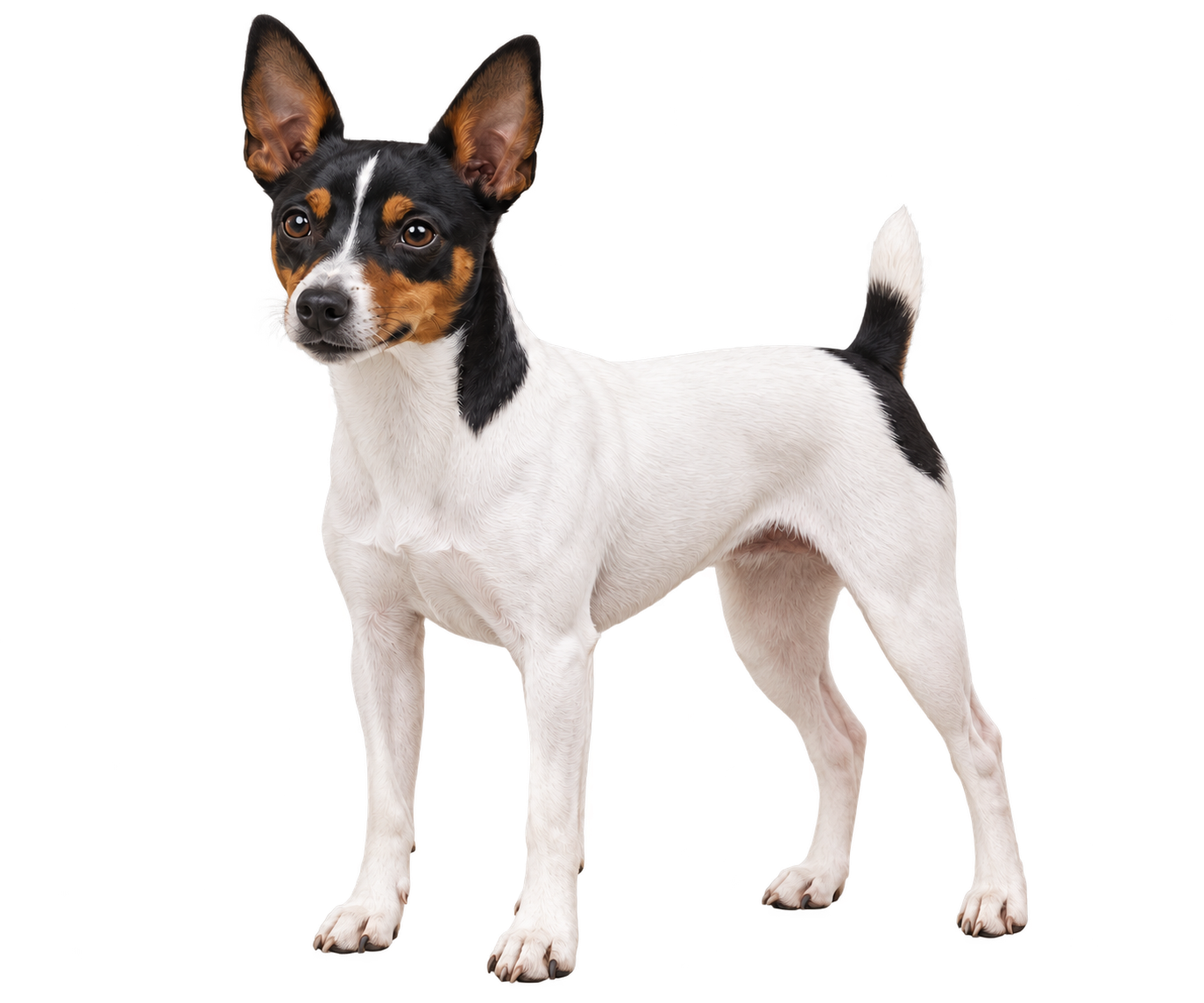 Japanese Terrier vs Toy Fox TerrierSmall smooth terrier energy, companionship, trainability, prey interest, fragility, coat care, and household fit.Compare →
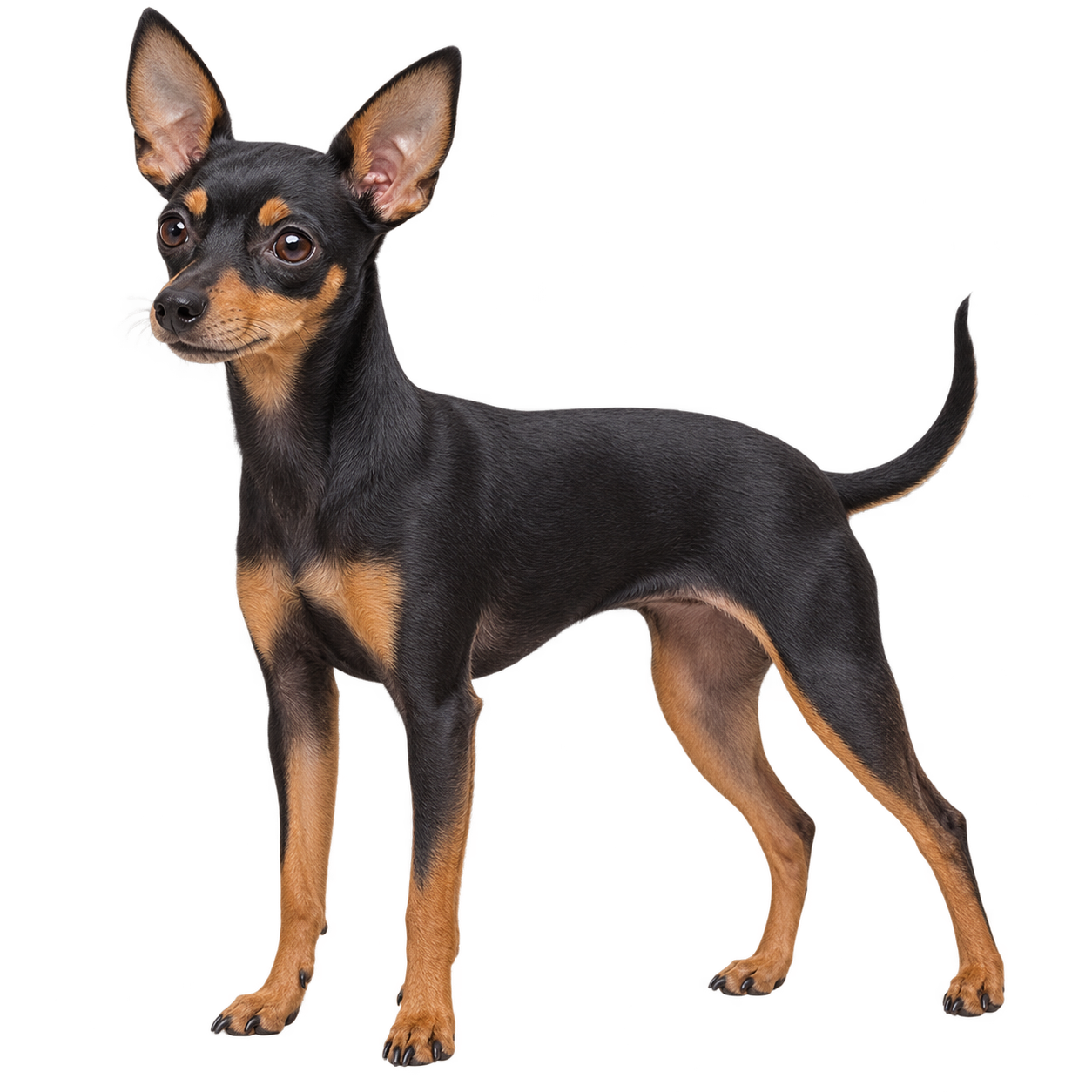 Prague Ratter vs Russian ToyTiny companion size, activity, trainability, attachment, fragility, coat care, and household supervision.Compare →
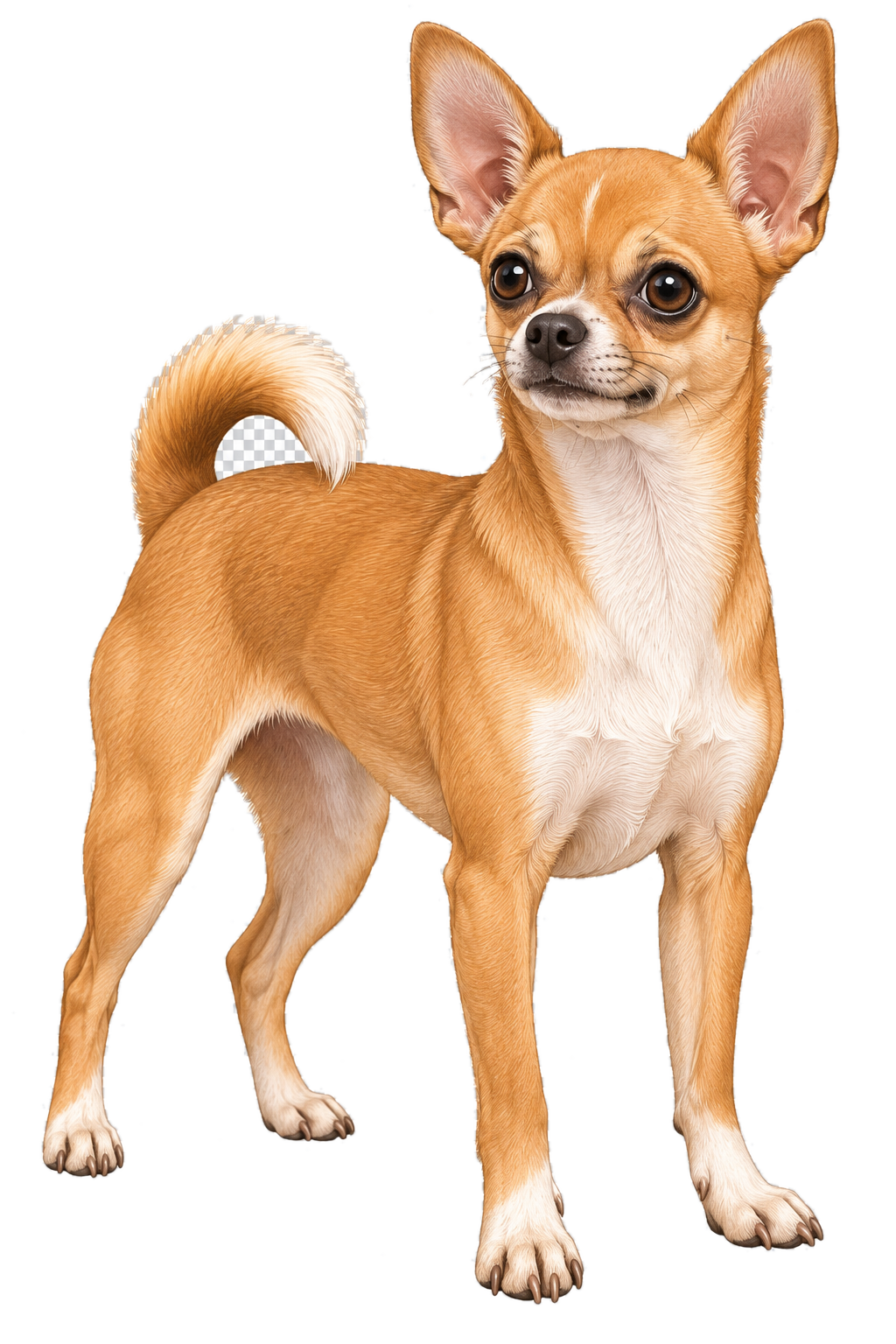 Russian Toy vs ChihuahuaTiny-companion activity, confidence, training, fragility, grooming, and household handling.Compare →
Your routine matters
Breed-level tendencies are a starting point. Check them against your own time, home, and constraints.