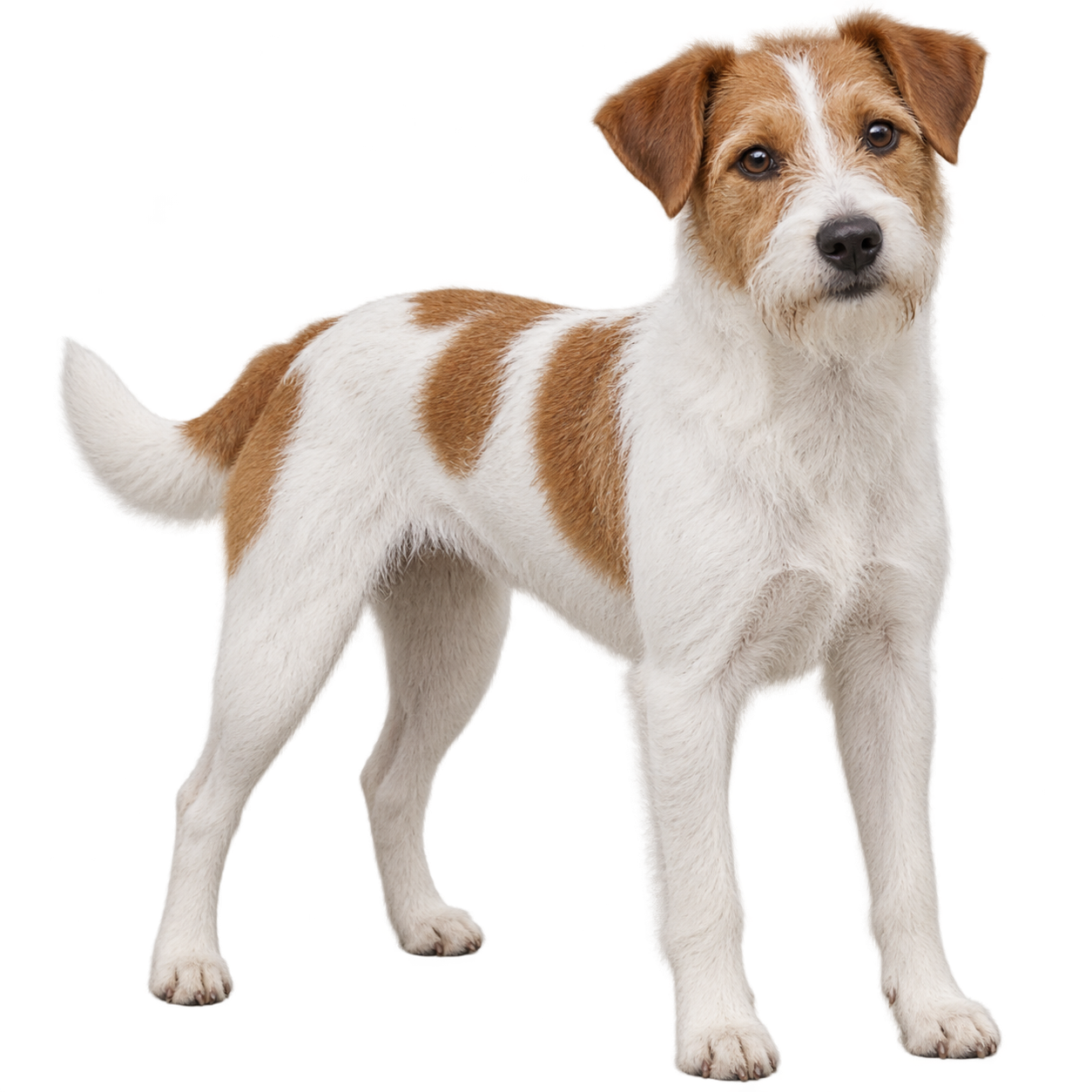
Kromfohrländer
A lively, adaptable German companion whose close family attachment, reserve with strangers, and modest hunting instinct reward thoughtful socialization.
Open breed profile →Evidence-backed comparison
See where their everyday needs align, where they differ, and which practical trade-offs deserve a closer look.
A lively, adaptable German companion whose close family attachment, reserve with strangers, and modest hunting instinct reward thoughtful socialization.
Open breed profile →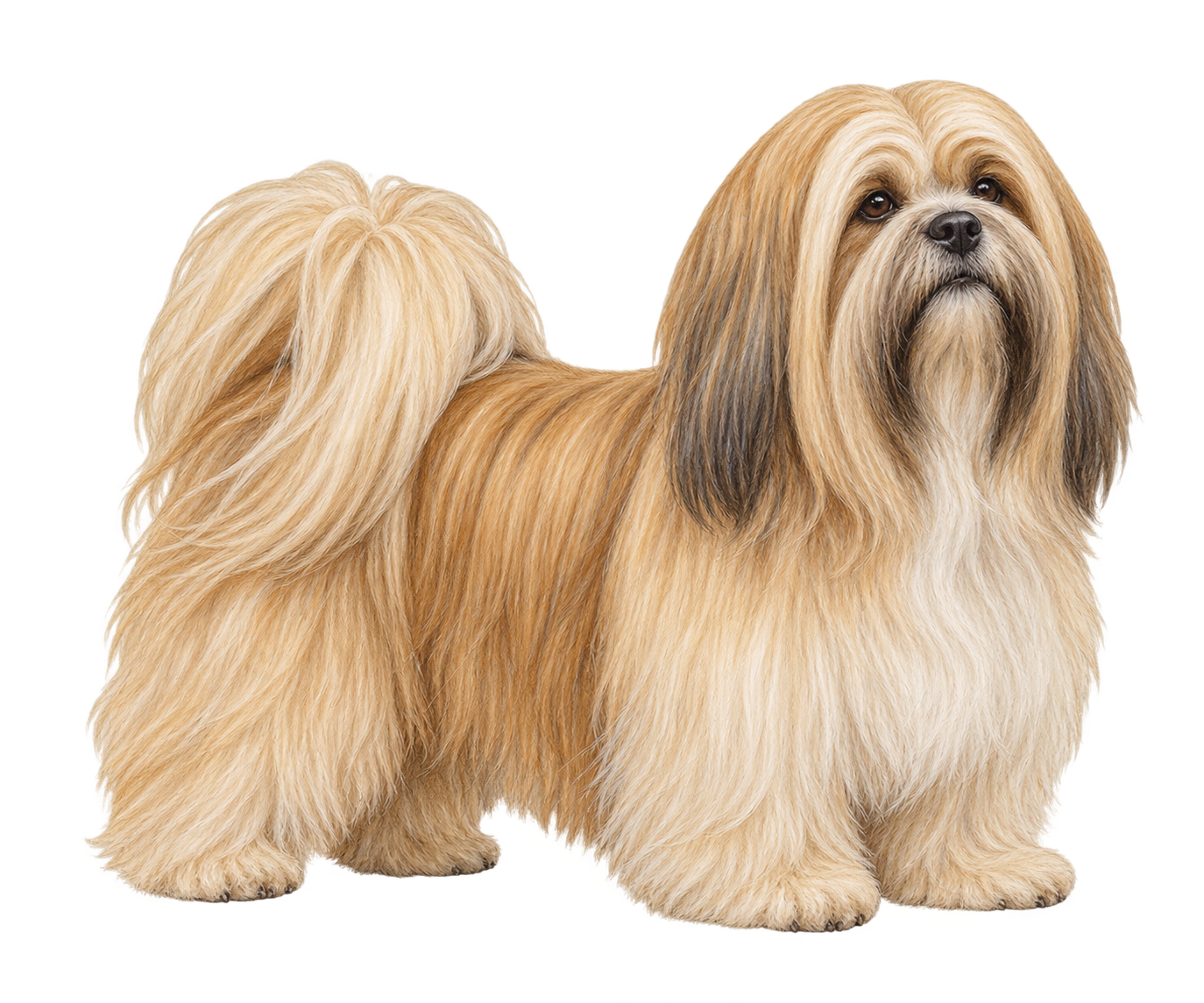
A small, devoted Tibetan sentinel with an independent outlook and a genuinely demanding coat.
Open breed profile →The clearest contrasts
The standard describes a high-spirited companion rather than an endurance working specialist.
Short walks and indoor play usually meet this small companion’s activity needs.
The official standard describes the breed as adaptable and docile.
Intelligence and independence respond best to patient, positive repetition.
Both rough and smooth varieties carry functional coats; exact shedding level is not established by the standard.
The long coat sheds comparatively little but retained hair demands upkeep.
The two coat varieties require routine brushing, with rough coats needing additional furnishings care.
Long coat requires frequent brushing and regular bathing or a maintained short trim.
Alert companion behavior may include vocalizing, but the standard does not quantify it.
A long history as an indoor sentinel supports alert barking.
Common ground
A lively, adaptable companion benefits from regular learning and interactive activity.
Training, play, and household involvement help occupy an alert mind.
Strong family attachment and stranger reserve require thoughtful socialization and gradual alone-time training.
Watchfulness, independence, and intensive coat care require consistent routines.
The breed is family-oriented but explicitly somewhat reserved with strangers.
Deep family loyalty often comes with natural reserve toward strangers.
The official standard explicitly describes only a little hunting instinct.
Companion and sentinel history suggests less pursuit drive than hunting breeds.
Before you decide
Keep exploring
See how either breed compares with another realistic alternative.
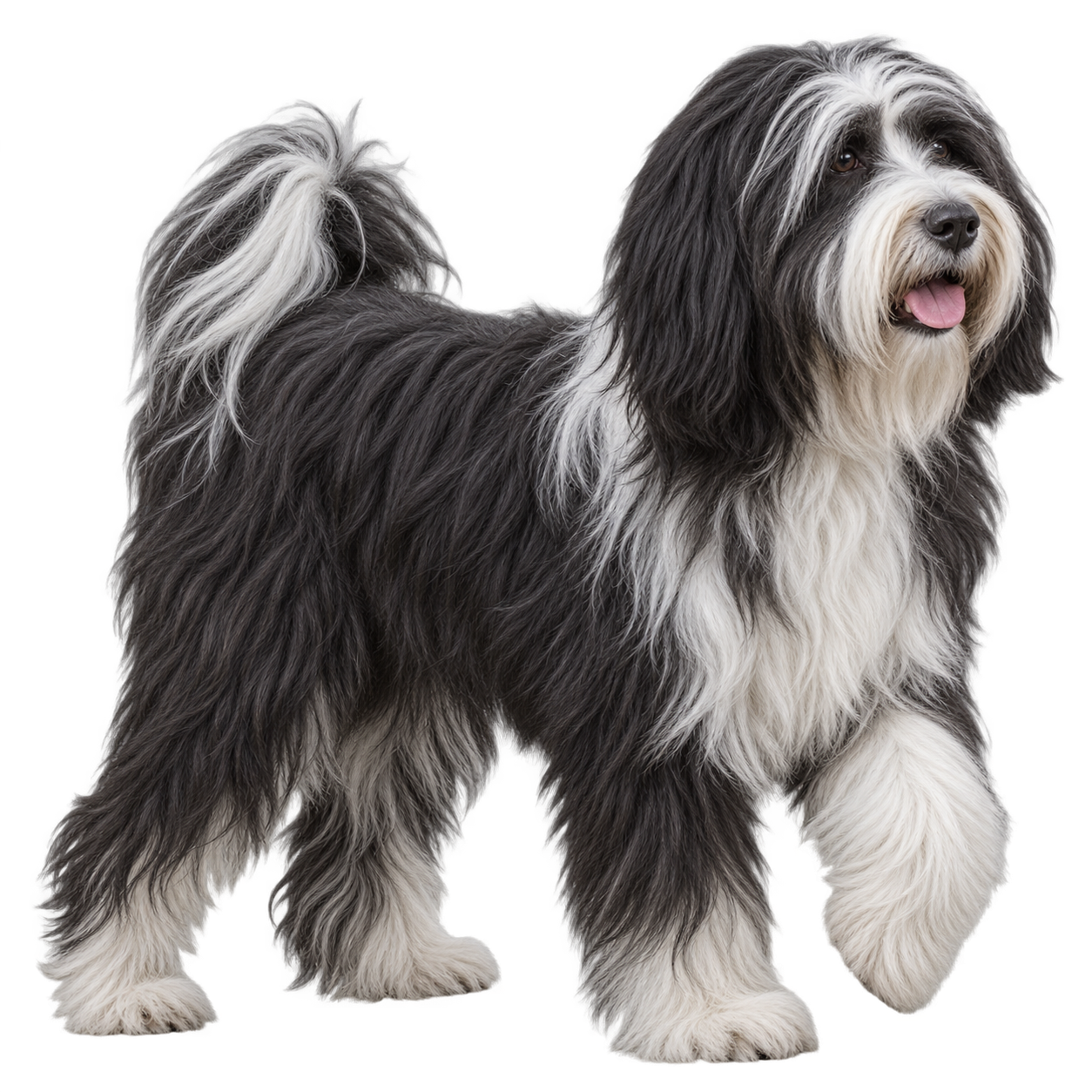 Kromfohrländer vs Tibetan TerrierMedium companion temperament, family attachment, stranger reserve, exercise, coat care, trainability, and home fit.Compare →
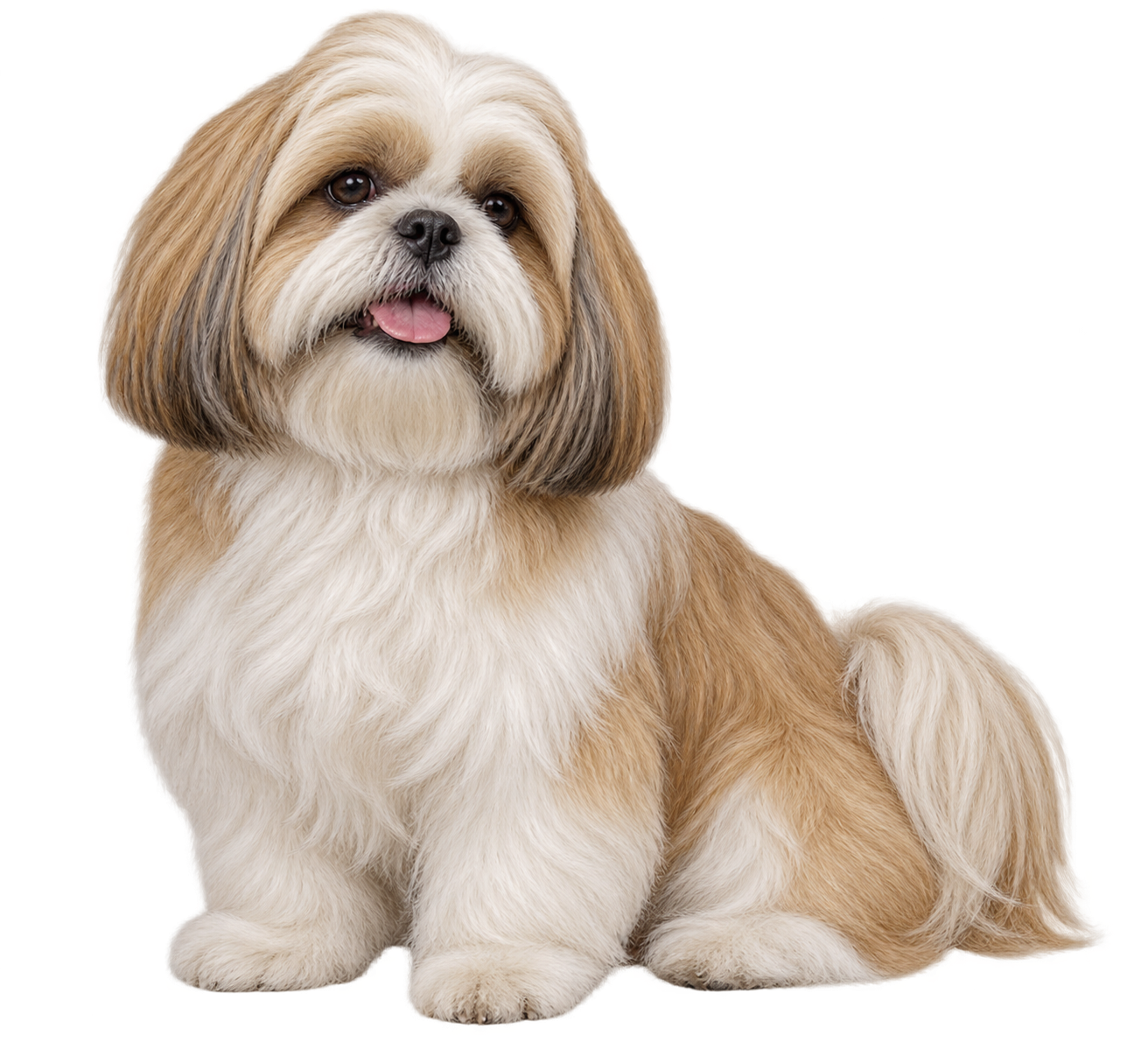 Lhasa Apso vs Shih TzuSmall-companion temperament, alertness, exercise, and coat care.Compare →Tibetan Terrier vs Lhasa ApsoTibetan companion temperament, alertness, exercise, and intensive coat care.Compare →
Your routine matters
Breed-level tendencies are a starting point. Check them against your own time, home, and constraints.