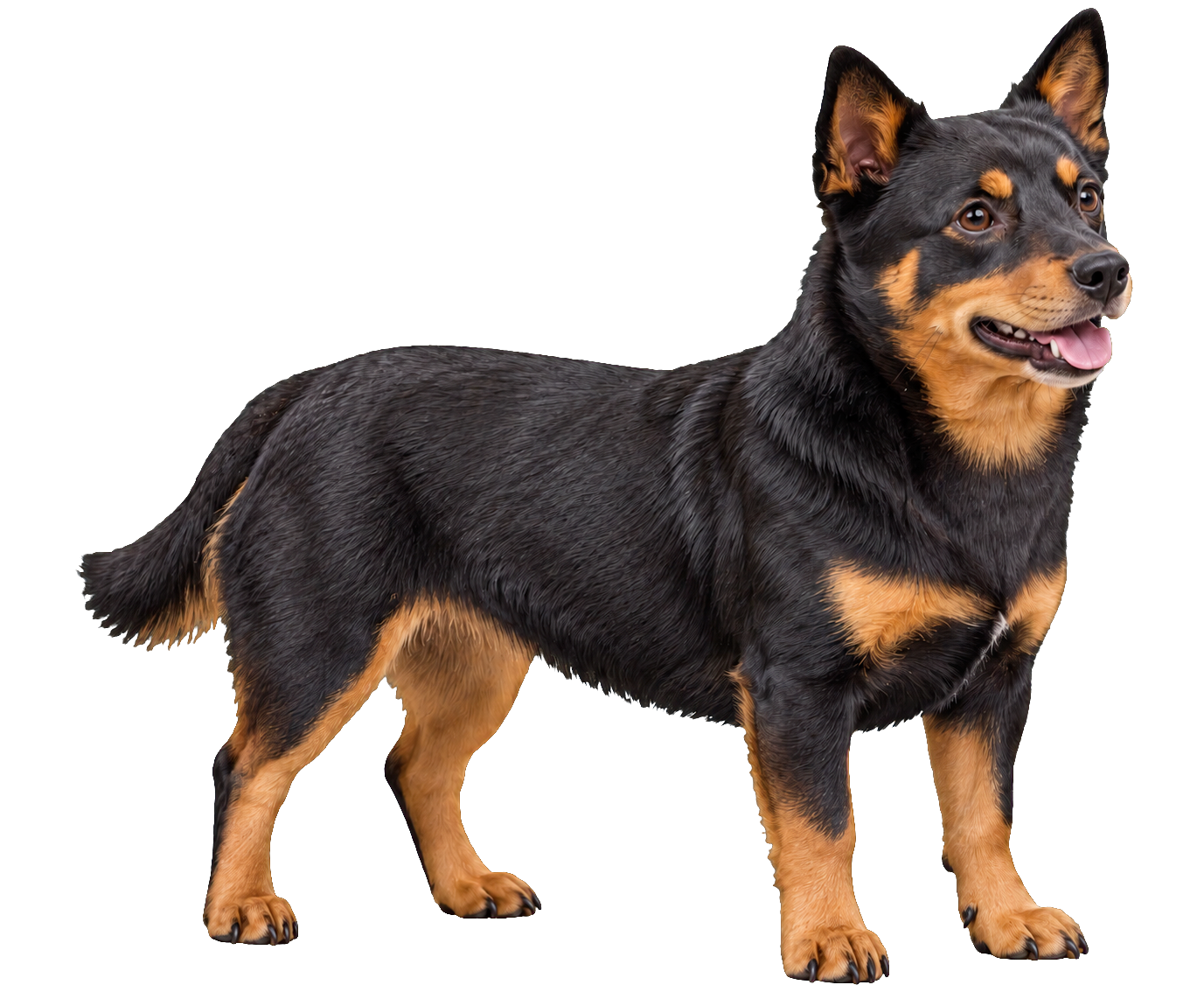
Lancashire Heeler
A small, sturdy British cattle dog whose intelligence, alert voice, herding instinct, and terrier-like persistence keep daily life active.
Open breed profile →Evidence-backed comparison
See where their everyday needs align, where they differ, and which practical trade-offs deserve a closer look.
A small, sturdy British cattle dog whose intelligence, alert voice, herding instinct, and terrier-like persistence keep daily life active.
Open breed profile →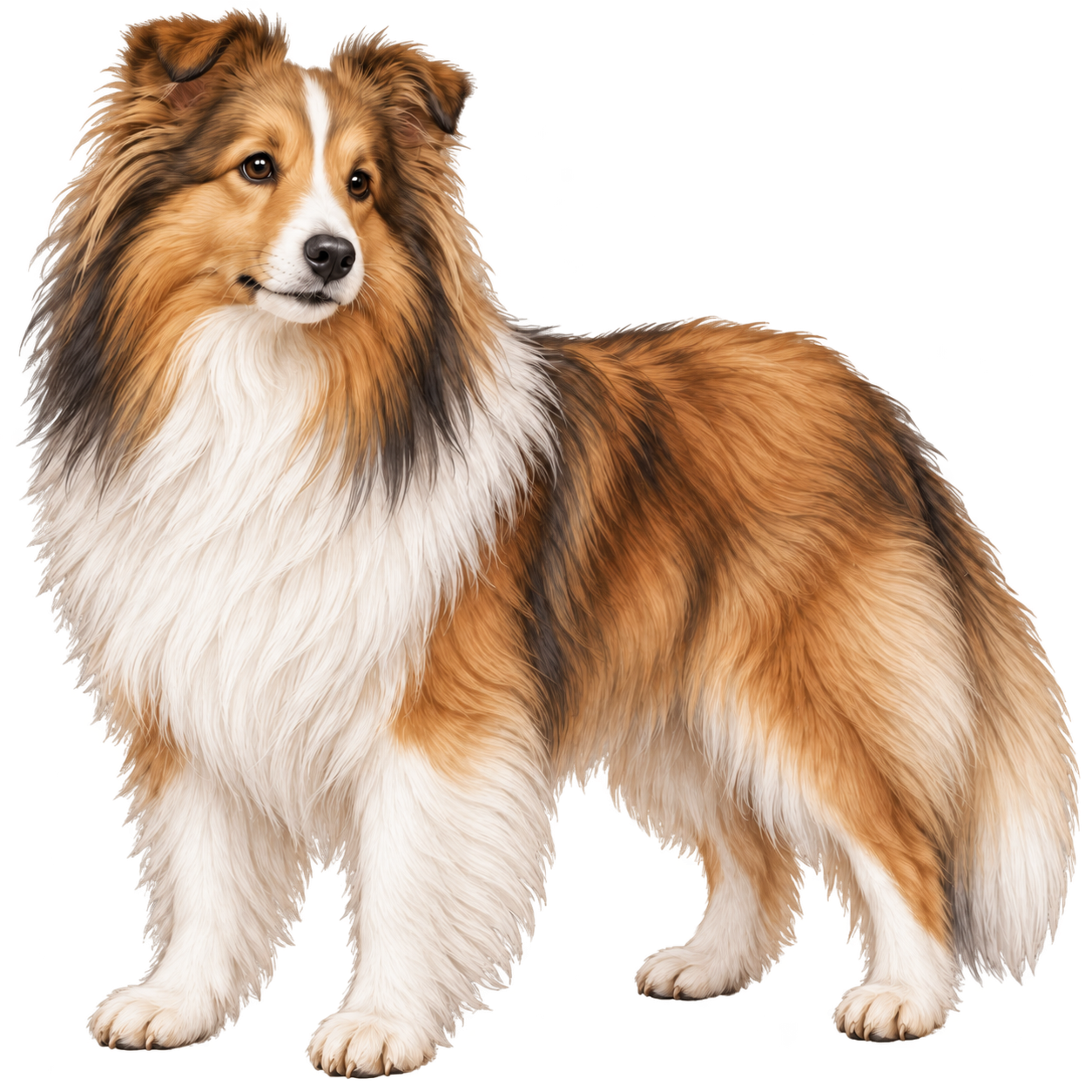
A sensitive, highly trainable small herder with an alert voice and substantial coat care.
Open breed profile →The clearest contrasts
Intelligence and working partnership support learning with consistent reinforcement.
They are exceptionally trainable, responsive, and eager to please.
Affectionate family bonds do not guarantee indiscriminate sociability.
They are intensely loyal and affectionate with family but may reserve judgment on strangers.
The short weather-resistant coat sheds and needs routine brushing.
The dense double coat sheds and requires regular removal of loose undercoat.
The smooth coat is maintained with straightforward regular brushing.
Weekly brushing and attention to mat-prone areas are standard care.
Common ground
AKC describes the breed as medium-to-high energy despite its small size.
Shelties need a fair amount of daily exercise but can adapt when it is provided.
Herding and versatile farm work reward training tasks and problem solving.
Responsive working intelligence benefits from training and dog sports.
Cattle-heeling and vermin instincts can bring nipping, pursuit, and alerting behaviours.
Sensitivity, socialization, voice, and coat care need thoughtful routines.
Alert farm work and watchfulness make vocal management relevant.
Alert and protective Shelties commonly bark when something changes.
Historic ratting work supports meaningful pursuit of small animals.
Herding heritage produces close attention to movement and pursuit behavior.
Before you decide
Keep exploring
See how either breed compares with another realistic alternative.
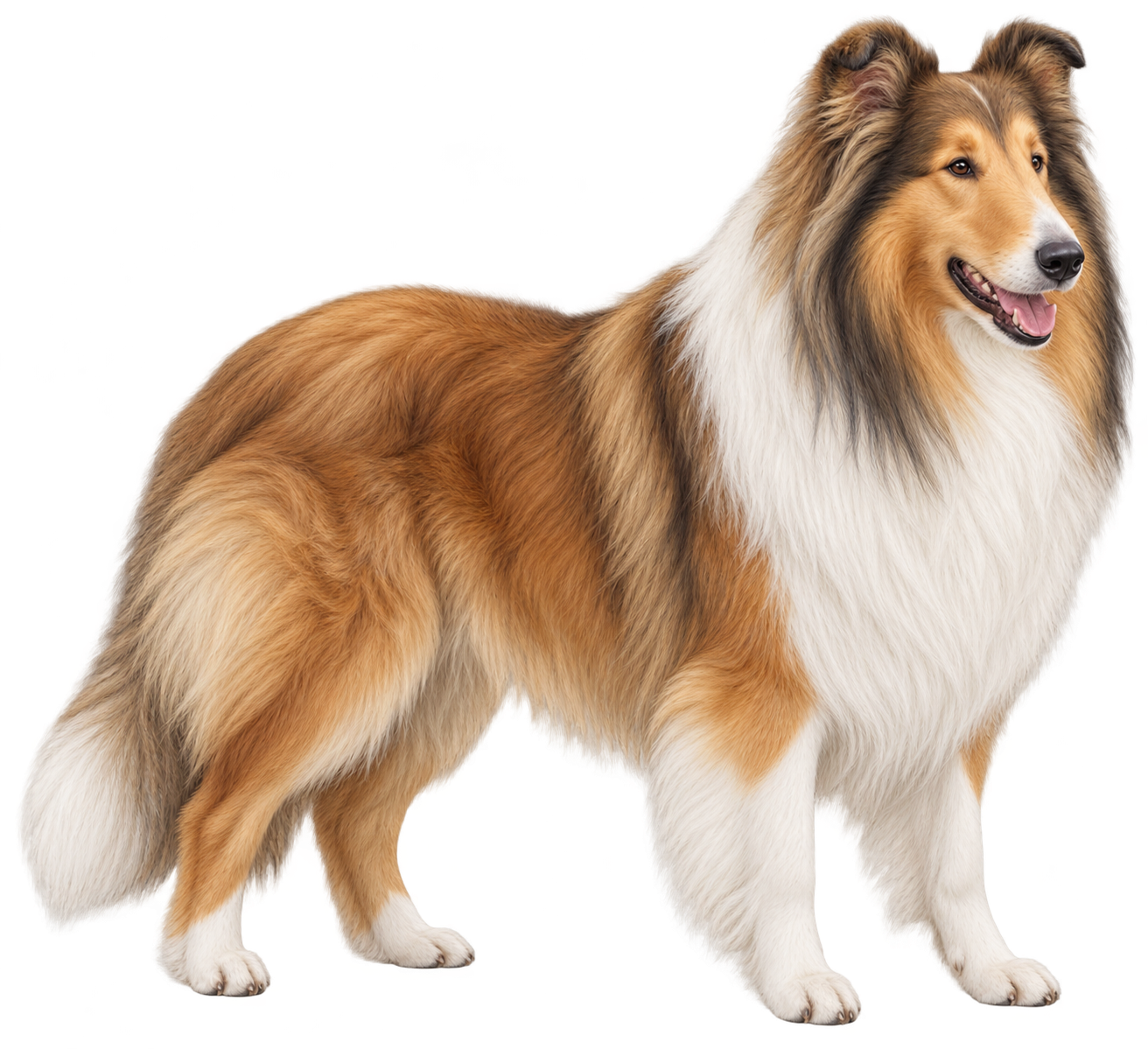 Collie vs Shetland SheepdogHerding temperament, voice, coat care, and family life.Compare →
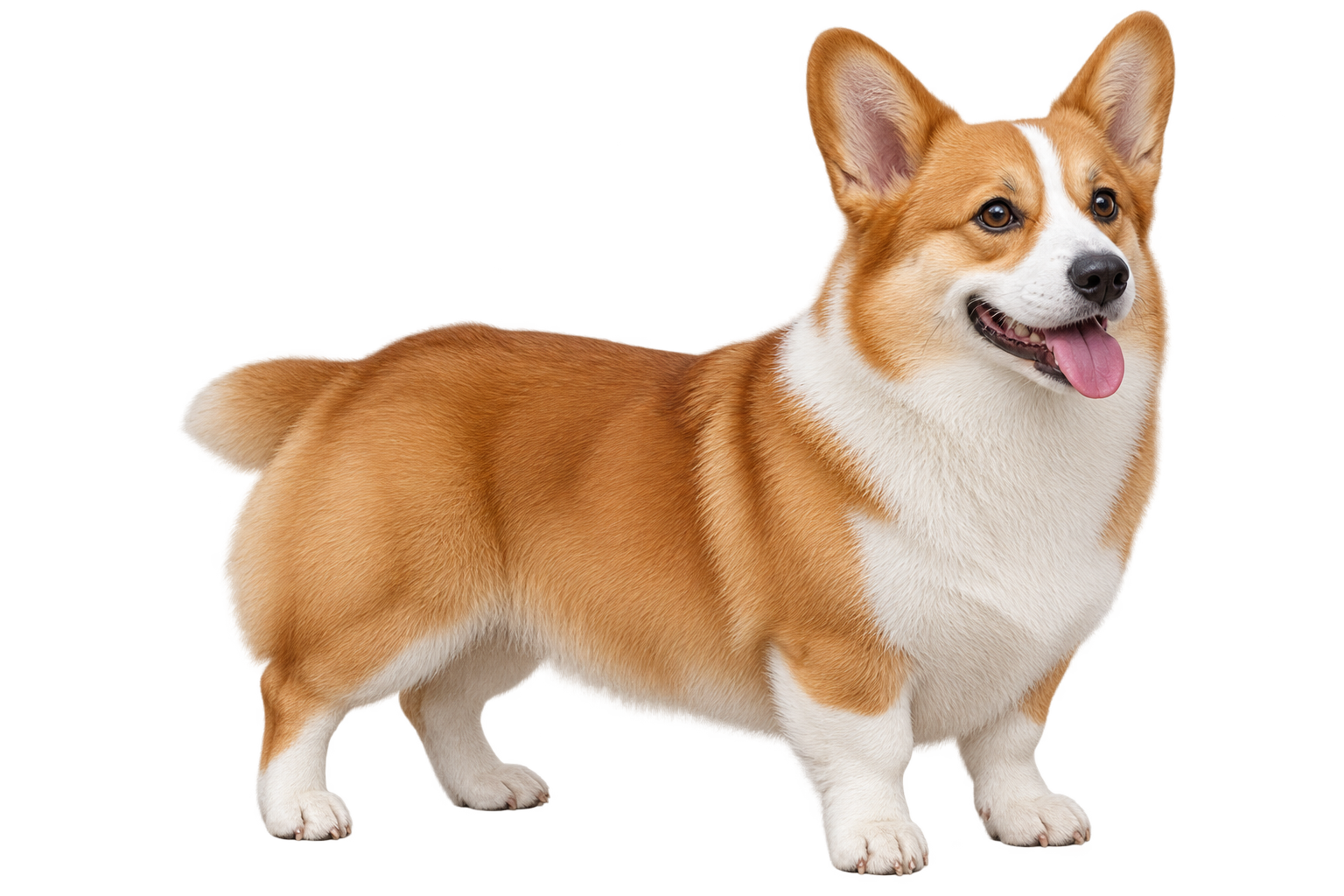 Lancashire Heeler vs Pembroke Welsh CorgiLow-set cattle-dog energy, herding instinct, trainability, voice, and family handling.Compare →Shetland Sheepdog vs Pembroke Welsh CorgiHerding drive, voice, training, and coat care.Compare →
Your routine matters
Breed-level tendencies are a starting point. Check them against your own time, home, and constraints.