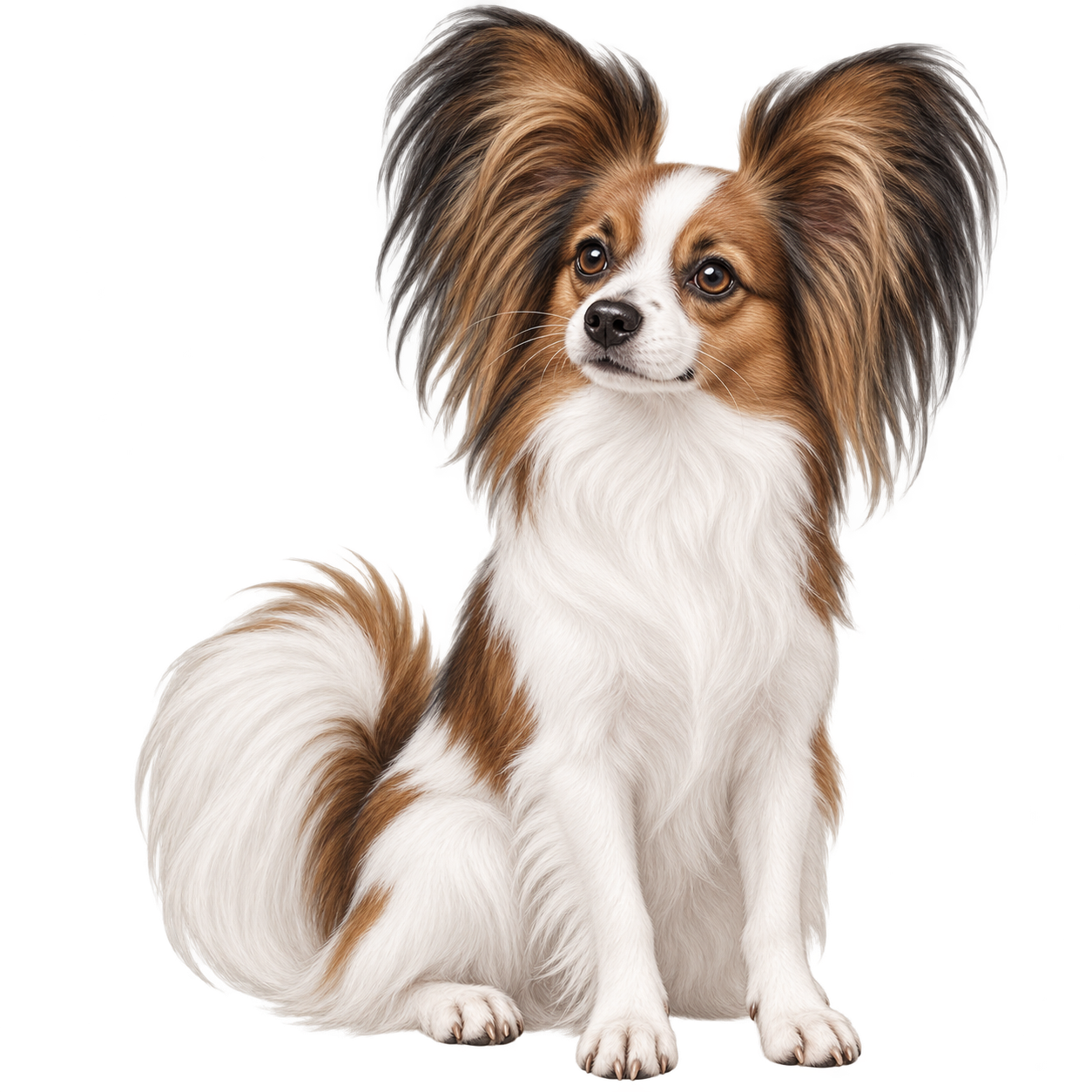
Papillon
A tiny, athletic companion with a quick mind, lively voice, and delicate frame.
Open breed profile →Evidence-backed comparison
See where their everyday needs align, where they differ, and which practical trade-offs deserve a closer look.
A tiny, athletic companion with a quick mind, lively voice, and delicate frame.
Open breed profile →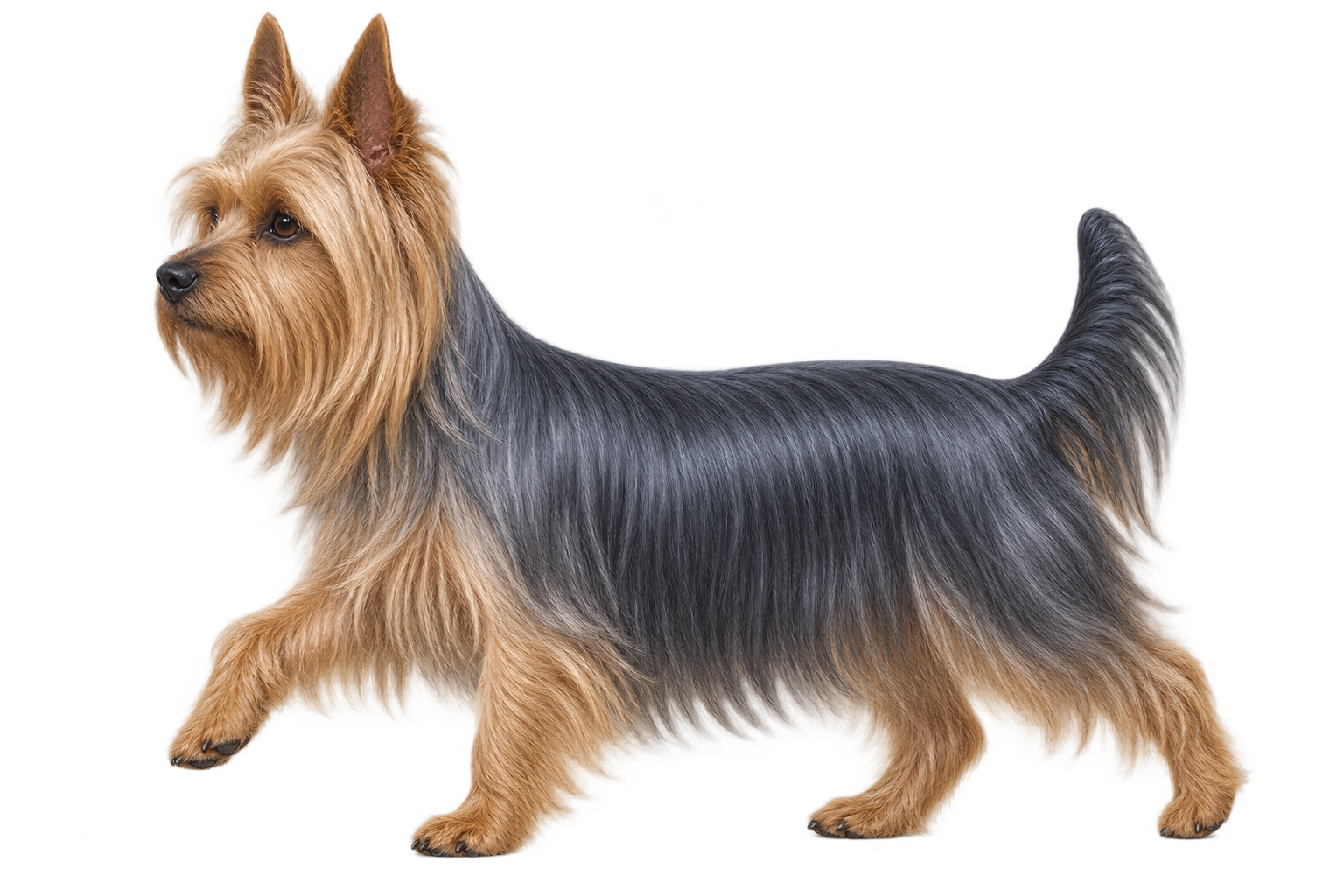
A compact Australian toy terrier combining bright companionship with real prey drive, alertness, and a demanding silky coat.
Open breed profile →The clearest contrasts
Papillons are eager learners and successful in many dog sports.
Bright learning ability is balanced by independent terrier decision-making.
Regular combing keeps the fine fringed coat free of mats.
Long straight hair needs frequent brushing and regular coat care.
Common ground
Papillons are active, athletic toy dogs that benefit from daily exercise.
This is an energetic true terrier despite Toy Group proportions.
Their intelligence and energy call for regular training and mental challenges.
Alert intelligence benefits from training, games, and constructive outlets.
A delicate frame requires thoughtful handling despite an adventurous temperament.
Small scale helps physically, but prey drive, voice, and coat routines add work.
Well-socialized Papillons are outgoing and engaged with their people.
The breed was developed as both companion and active terrier.
Their small bones make calm, respectful handling especially important around young children.
Respectful interaction and supervision suit a small but energetic terrier.
The single coat has relatively limited seasonal shedding.
The long silky coat tends to shed lightly but is not maintenance-free.
Alert barking can become excessive without training and management.
Watchful terrier temperament can produce an active alarm voice.
Many retain lively hunting behavior toward small moving animals.
True terrier heritage supports pursuit of small animals.
Before you decide
Keep exploring
See how either breed compares with another realistic alternative.
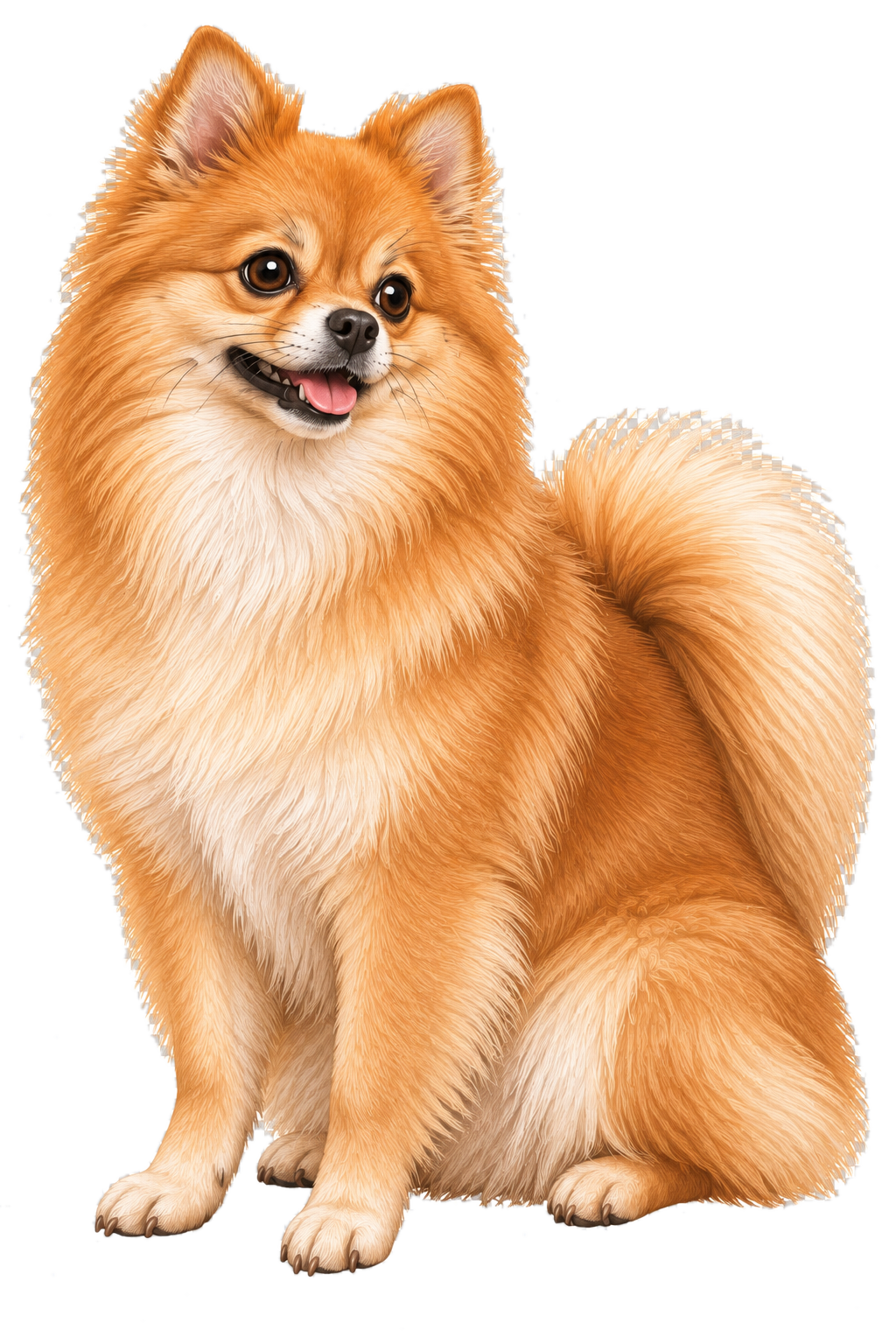 Papillon vs PomeranianTraining, activity, voice, and delicate-dog handling.Compare →
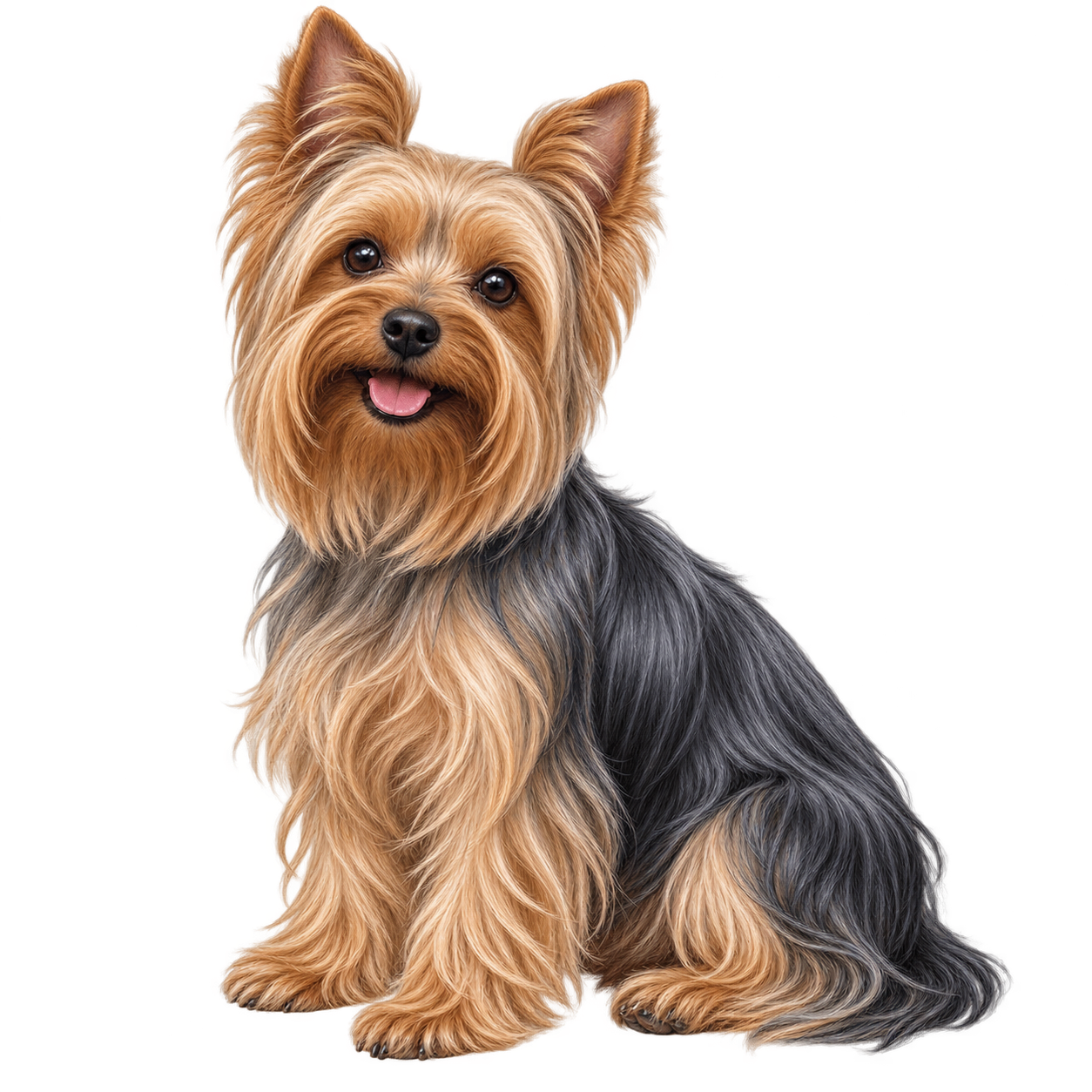 Silky Terrier vs Yorkshire TerrierToy-terrier activity, prey drive, voice, trainability, and silky-coat care.Compare →
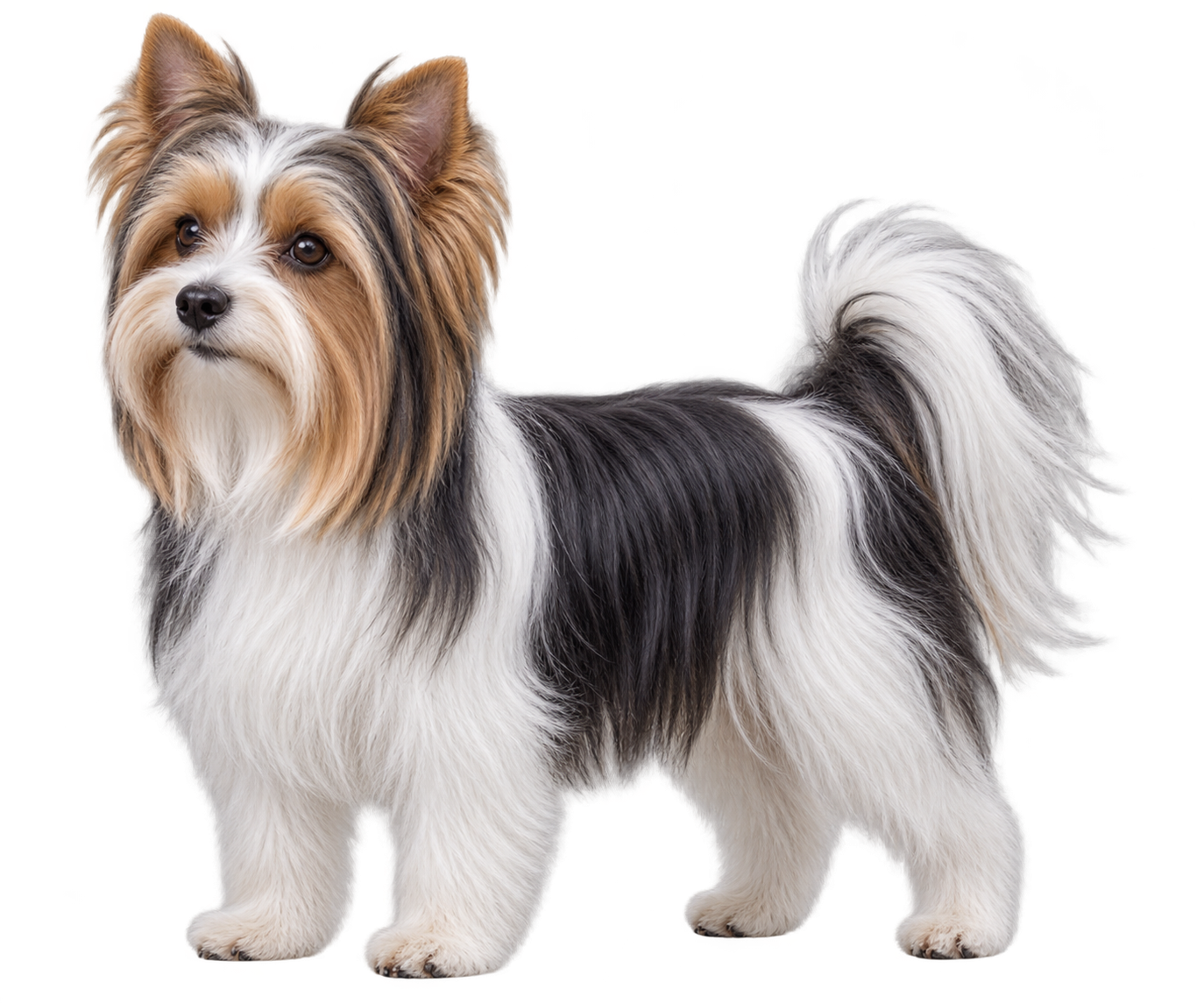 Biewer Terrier vs Yorkshire TerrierToy-terrier companionship, activity, fragility, voice, and silky-coat care.Compare →
Your routine matters
Breed-level tendencies are a starting point. Check them against your own time, home, and constraints.