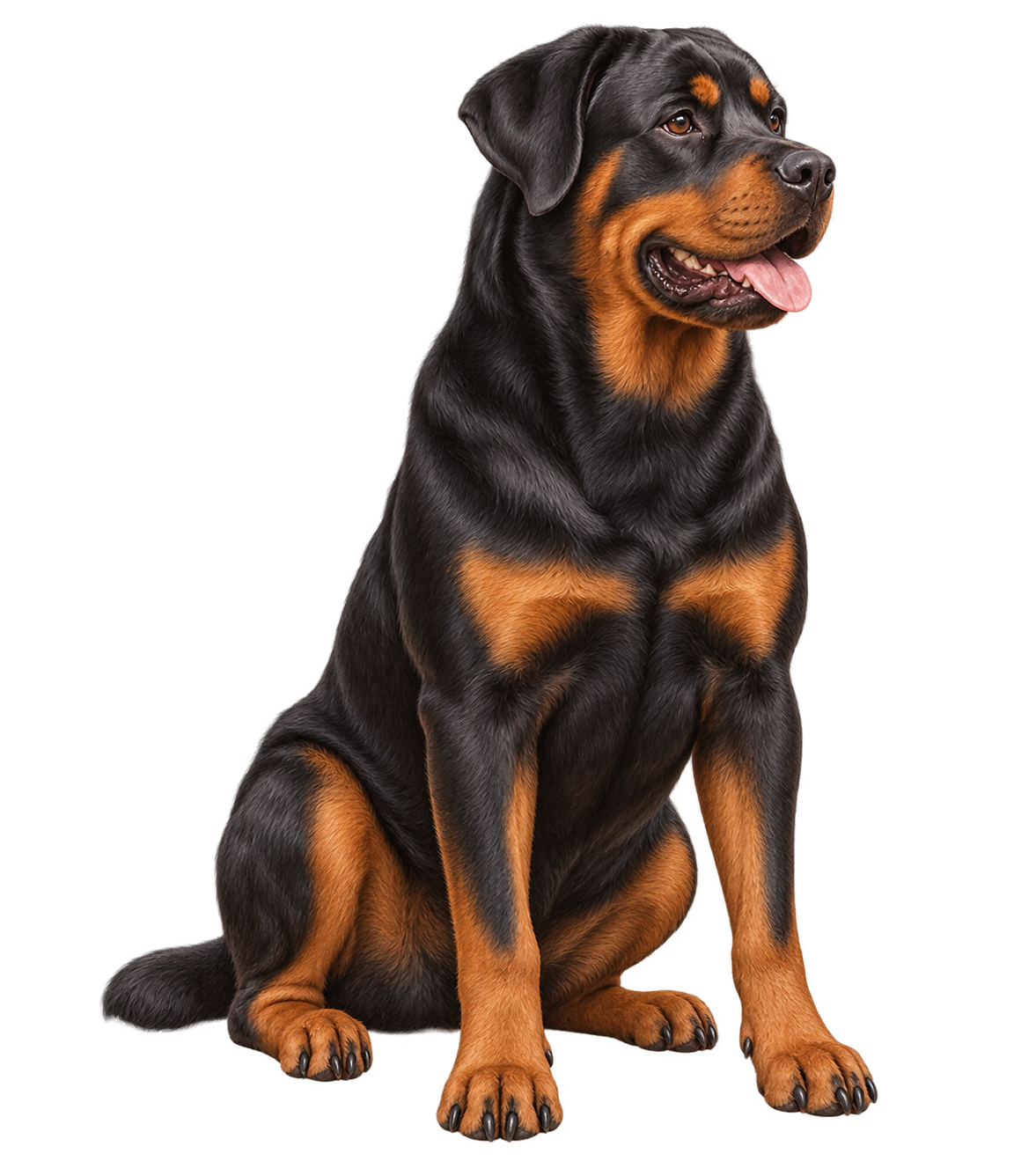
Rottweiler
A powerful, devoted working dog requiring early socialization, consistent training, and capable handling.
Open breed profile →Evidence-backed comparison
See where their everyday needs align, where they differ, and which practical trade-offs deserve a closer look.
A powerful, devoted working dog requiring early socialization, consistent training, and capable handling.
Open breed profile →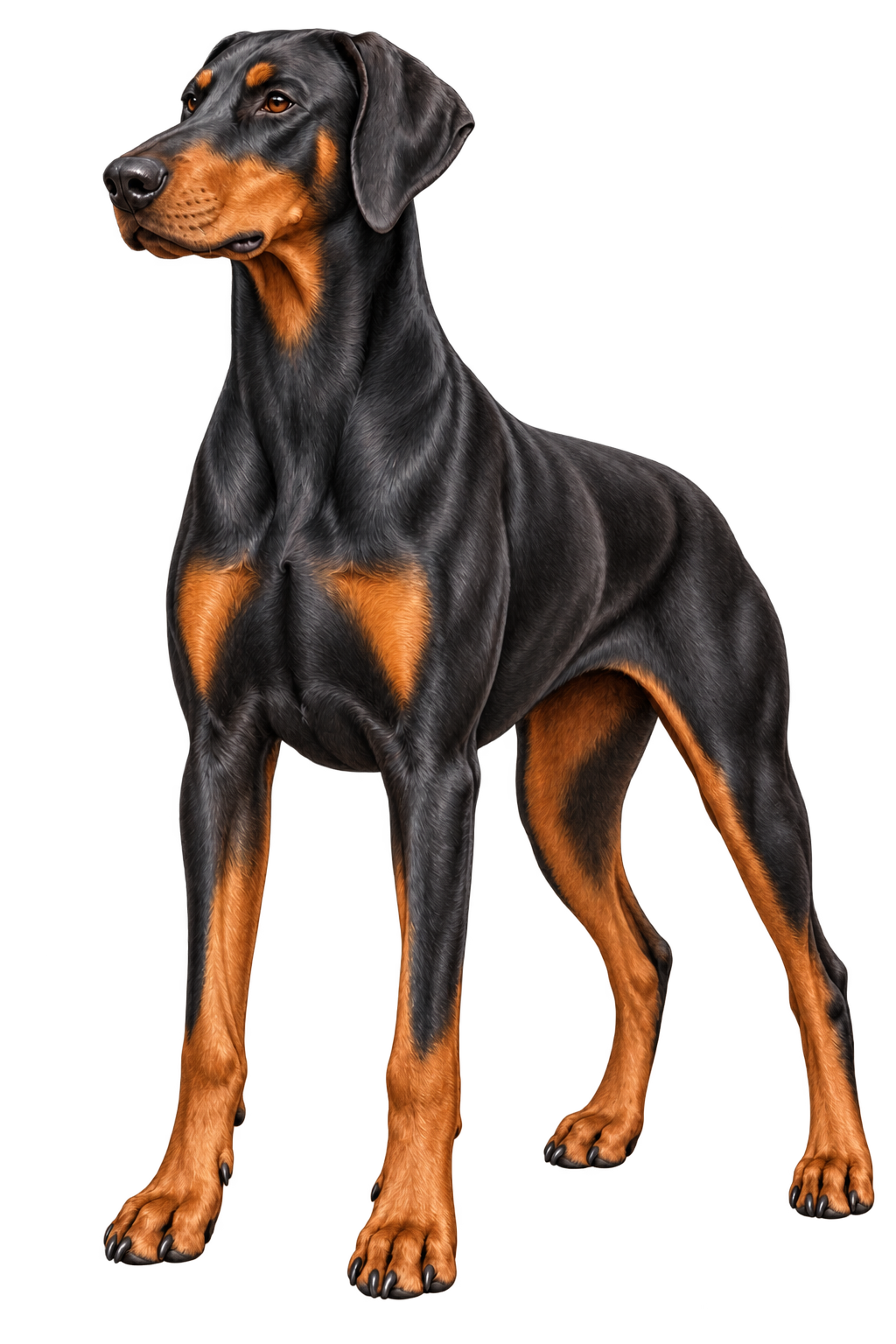
An athletic, attentive guardian that benefits from close companionship and skilled training.
Open breed profile →The clearest contrasts
Rottweilers can be devoted family dogs, but their size and protective nature call for training, socialization, and supervision around children.
Dobermans tend to be good with children, alongside early training, socialization, and normal supervision.
Common ground
A powerful working dog needs regular physical activity and purposeful engagement.
Energetic, athletic, and built for endurance and speed.
Training and structured work help channel the breed's intelligence and working drive.
Daily mental activity and a job or purposeful activity help this intelligent working breed thrive.
Early, consistent training and socialization are central to responsible ownership.
Obedience and responsiveness are core parts of the standard.
Large size, strength, training needs, and health screening create a substantial commitment.
Large athletic body and breed health screening create a substantial commitment.
Confident and self-assured, often reserved rather than indiscriminately social.
Loyal and obedient, with a watchful and determined temperament.
The short double coat sheds and needs routine maintenance.
The short smooth coat sheds and benefits from brief, regular brushing.
Coat care is relatively simple compared with long-coated breeds.
Short smooth coat needs modest routine care.
Before you decide
Keep exploring
See how either breed compares with another realistic alternative.
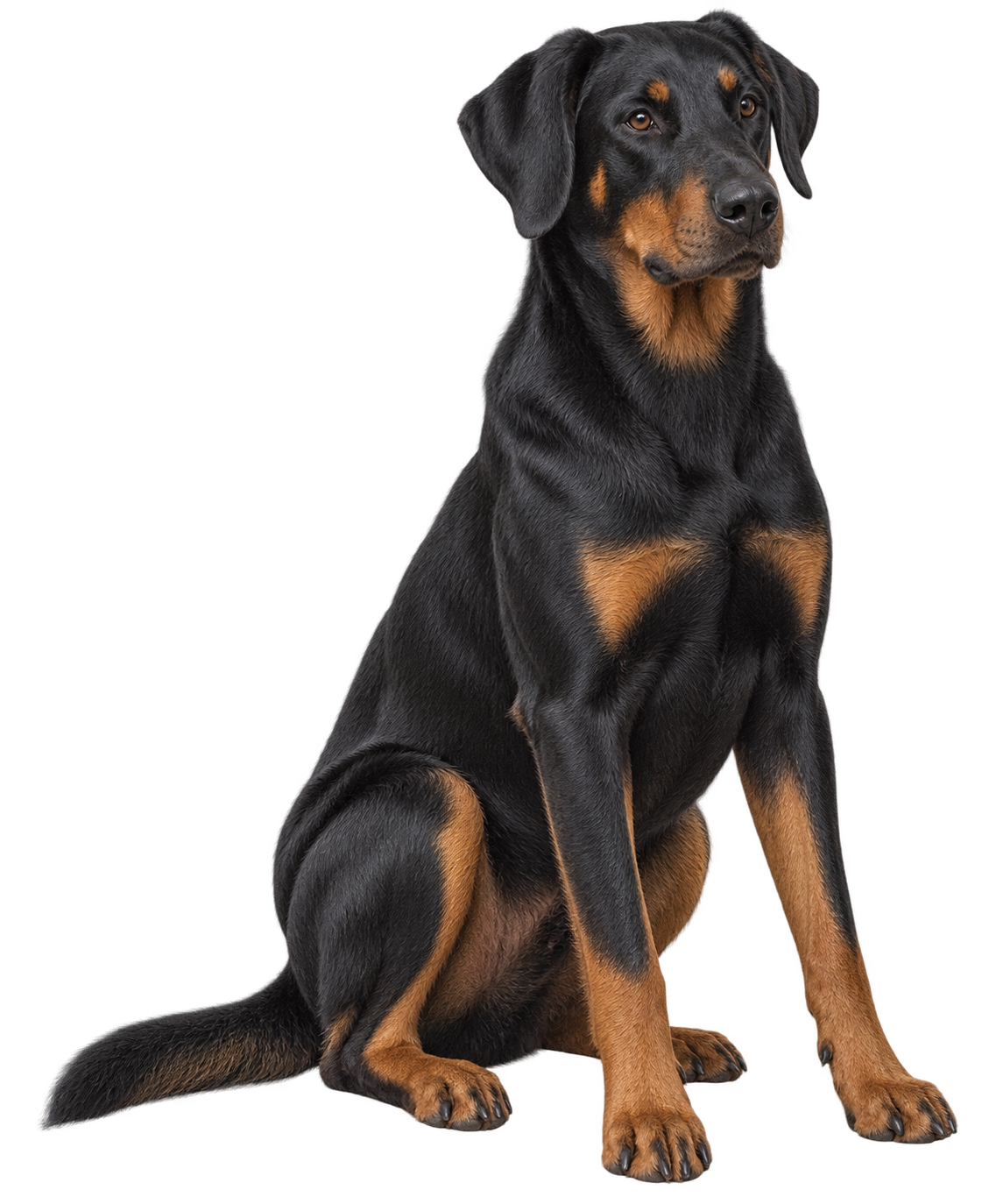 Beauceron vs Doberman PinscherWorking intensity, protection, trainability, exercise, and skilled handling.Compare →
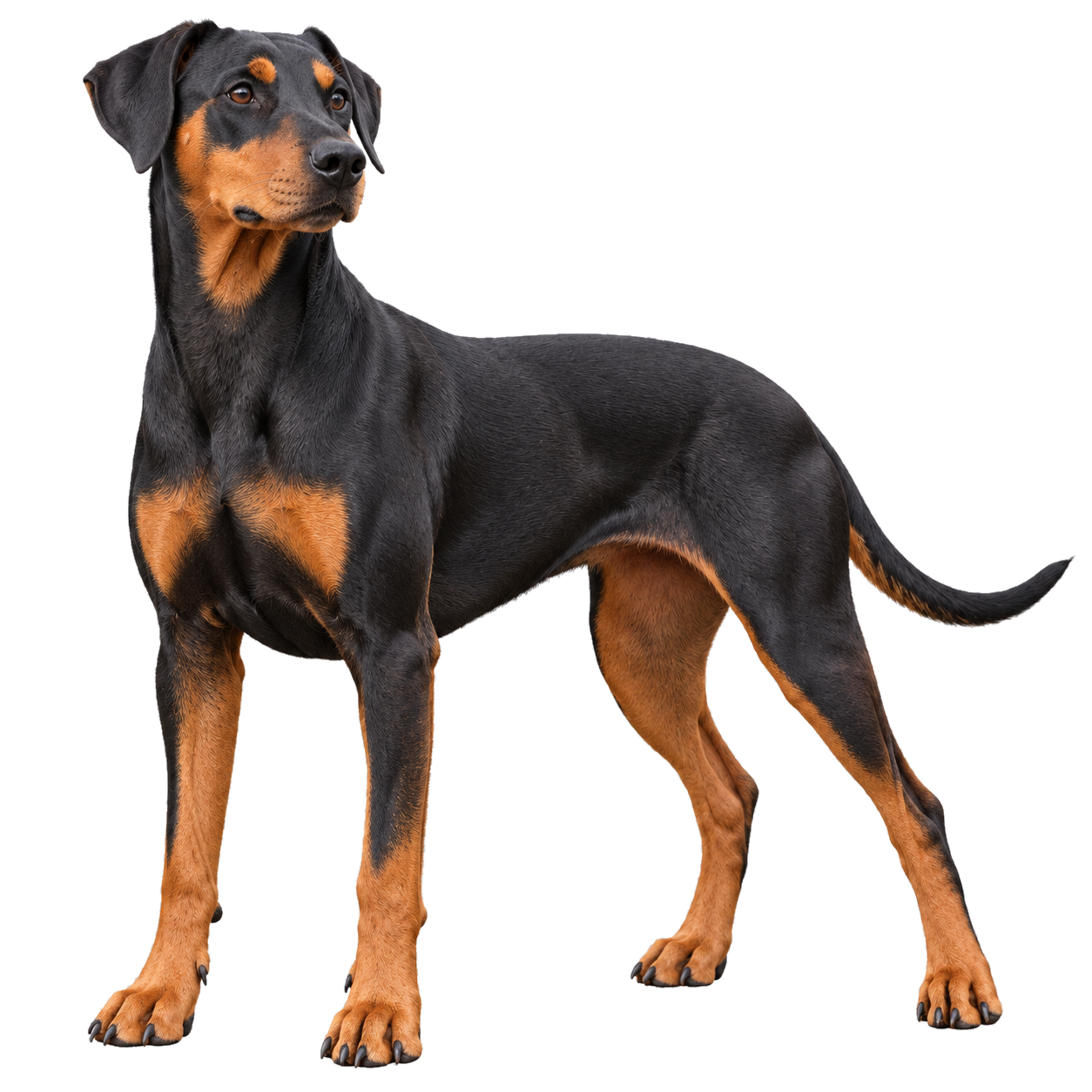 German Pinscher vs Doberman PinscherPinscher size, working intensity, vigilance, training, and prey drive.Compare →
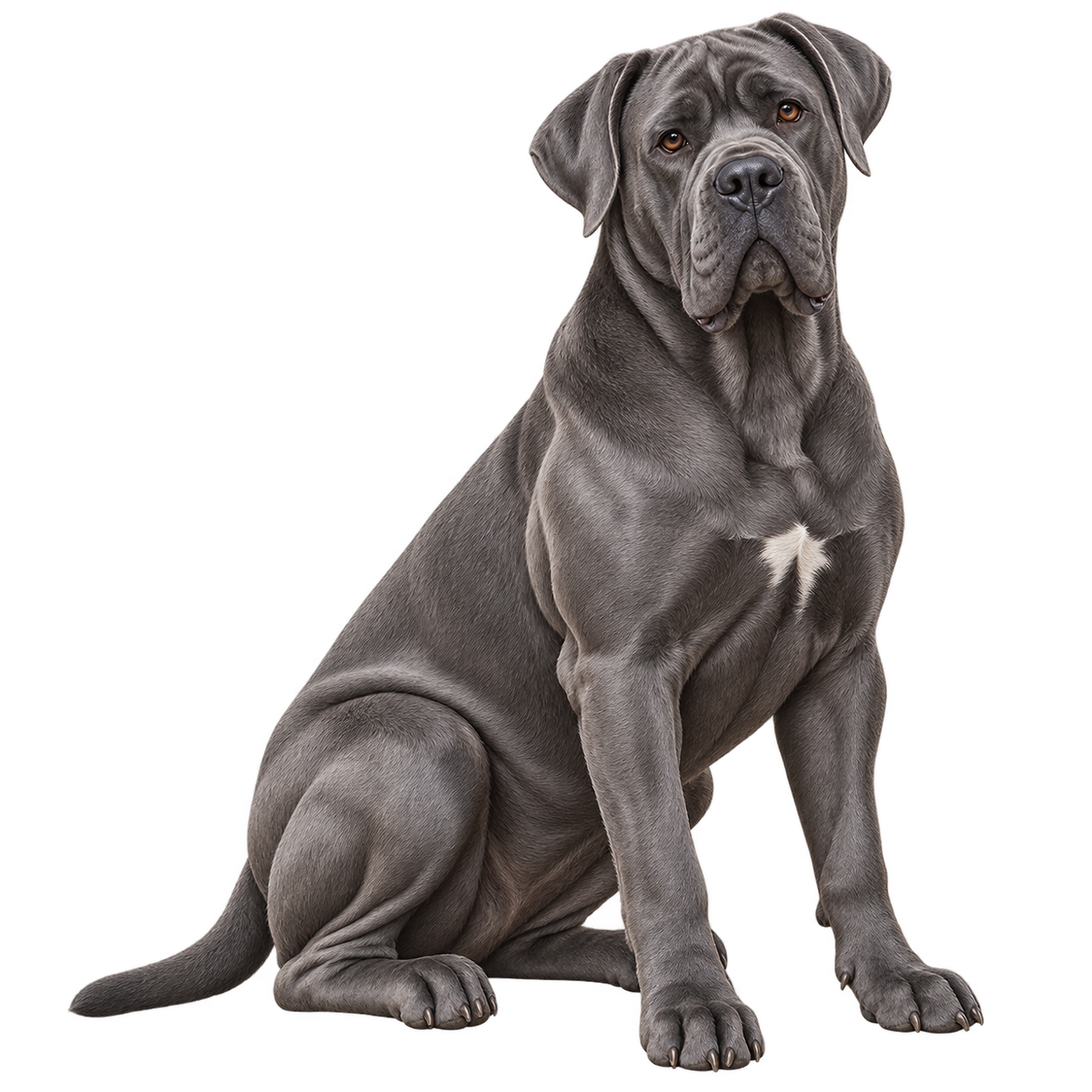 Rottweiler vs Cane CorsoTraining, socialization, power, and daily management.Compare →
Your routine matters
Breed-level tendencies are a starting point. Check them against your own time, home, and constraints.