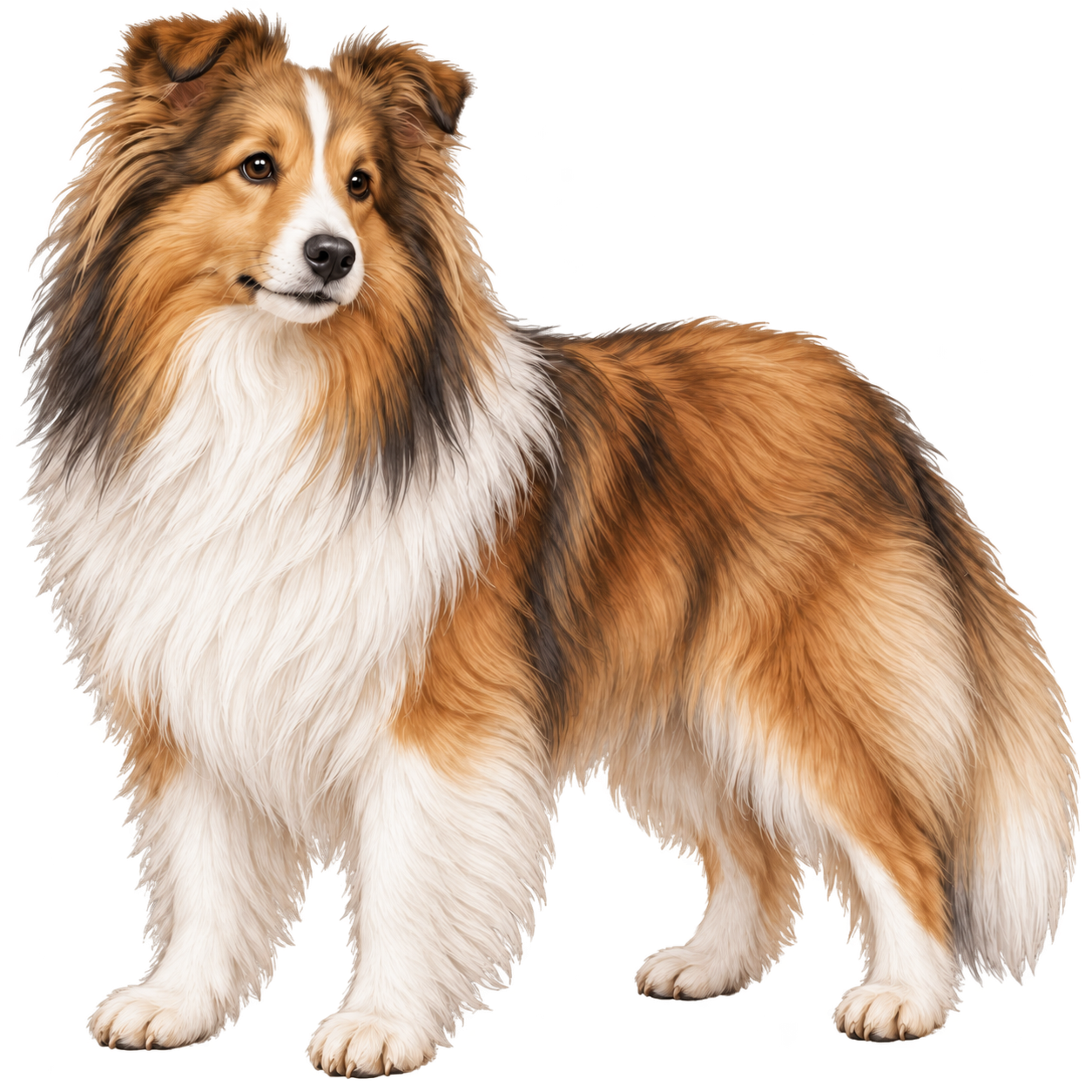
Shetland Sheepdog
A sensitive, highly trainable small herder with an alert voice and substantial coat care.
Open breed profile →Evidence-backed comparison
See where their everyday needs align, where they differ, and which practical trade-offs deserve a closer look.
A sensitive, highly trainable small herder with an alert voice and substantial coat care.
Open breed profile →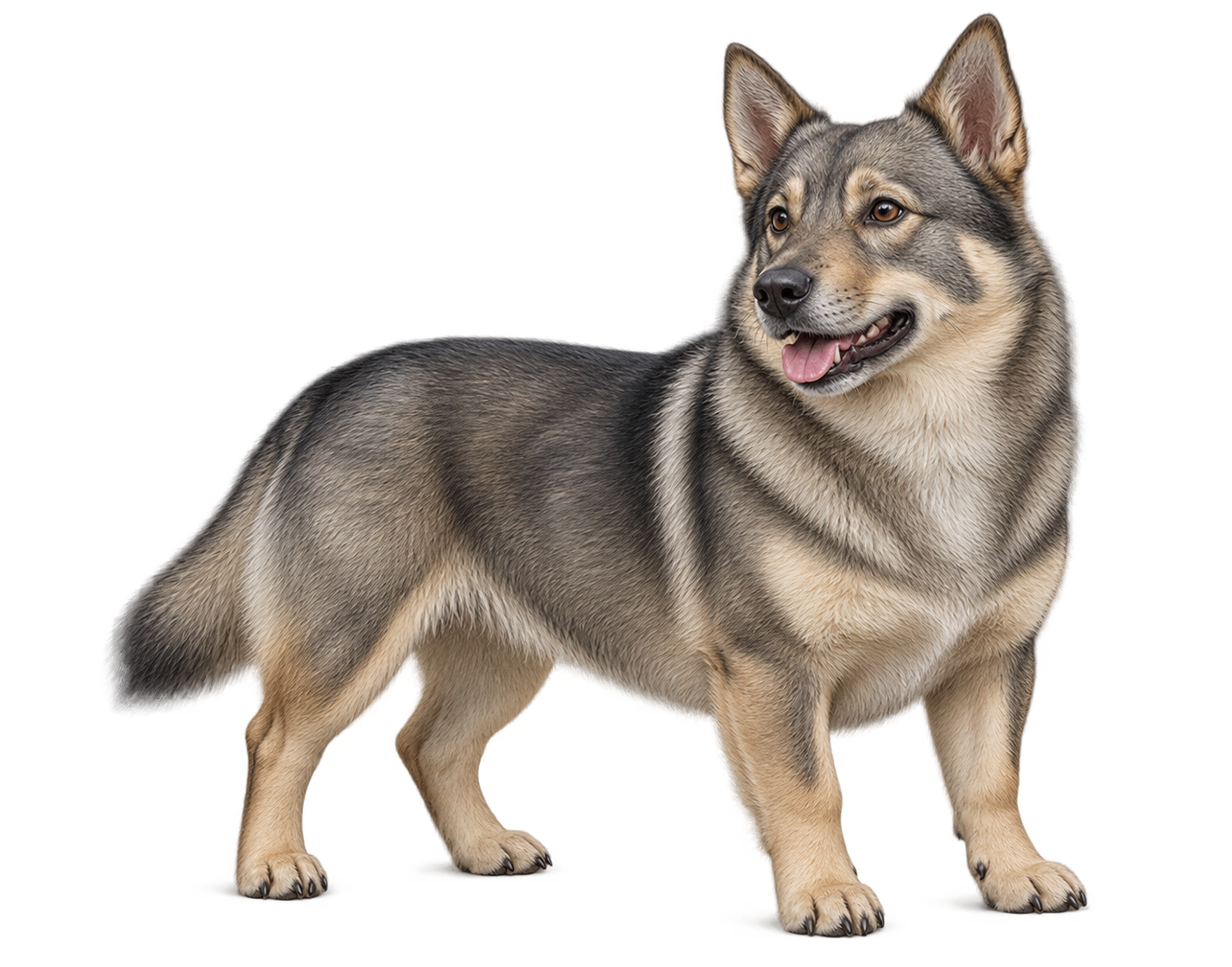
A low, athletic cattle herder with a lively working mind, a sociable nature, and a notably expressive voice.
Open breed profile →The clearest contrasts
Responsive working intelligence benefits from training and dog sports.
A quick working mind needs varied training, tasks, and problem solving.
Weekly brushing and attention to mat-prone areas are standard care.
Regular brushing manages the practical natural coat and seasonal shedding.
Alert and protective Shelties commonly bark when something changes.
Distinctive and frequent vocalization is a well-documented breed characteristic.
Common ground
Shelties need a fair amount of daily exercise but can adapt when it is provided.
This compact cattle herder needs vigorous daily exercise and active play.
They are exceptionally trainable, responsive, and eager to please.
Intelligence and eagerness to work support advanced positive training.
Sensitivity, socialization, voice, and coat care need thoughtful routines.
Herding behavior, energy, and vocal habits need consistent daily direction.
They are intensely loyal and affectionate with family but may reserve judgment on strangers.
The breed is typically social and closely involved with family life.
They can be gentle family companions when children respect their sensitive nature.
A friendly nature can suit families when herding behavior is managed and interactions are supervised.
The dense double coat sheds and requires regular removal of loose undercoat.
The dense double coat sheds throughout the year and more heavily seasonally.
Herding heritage produces close attention to movement and pursuit behavior.
Cattle-herding heritage can produce pursuit and movement-control behavior.
The dense double coat calls for conservative activity in hot weather.
The dense northern coat calls for reduced exertion and cooling support in heat.
Before you decide
Keep exploring
See how either breed compares with another realistic alternative.
Your routine matters
Breed-level tendencies are a starting point. Check them against your own time, home, and constraints.