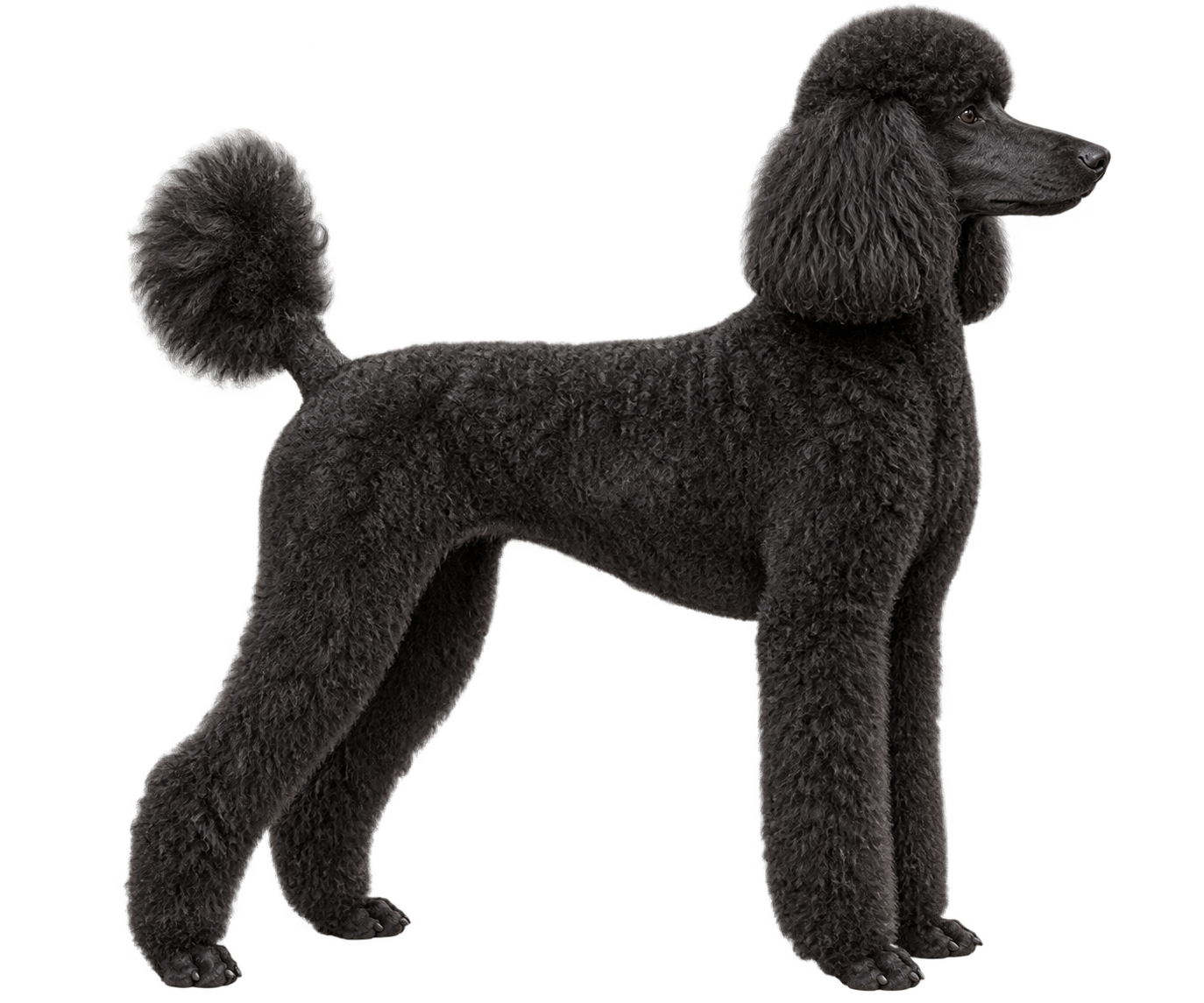
Standard Poodle
A highly trainable, active companion combining athleticism with intensive coat maintenance.
Open breed profile →Evidence-backed comparison
See where their everyday needs align, where they differ, and which practical trade-offs deserve a closer look.
A highly trainable, active companion combining athleticism with intensive coat maintenance.
Open breed profile →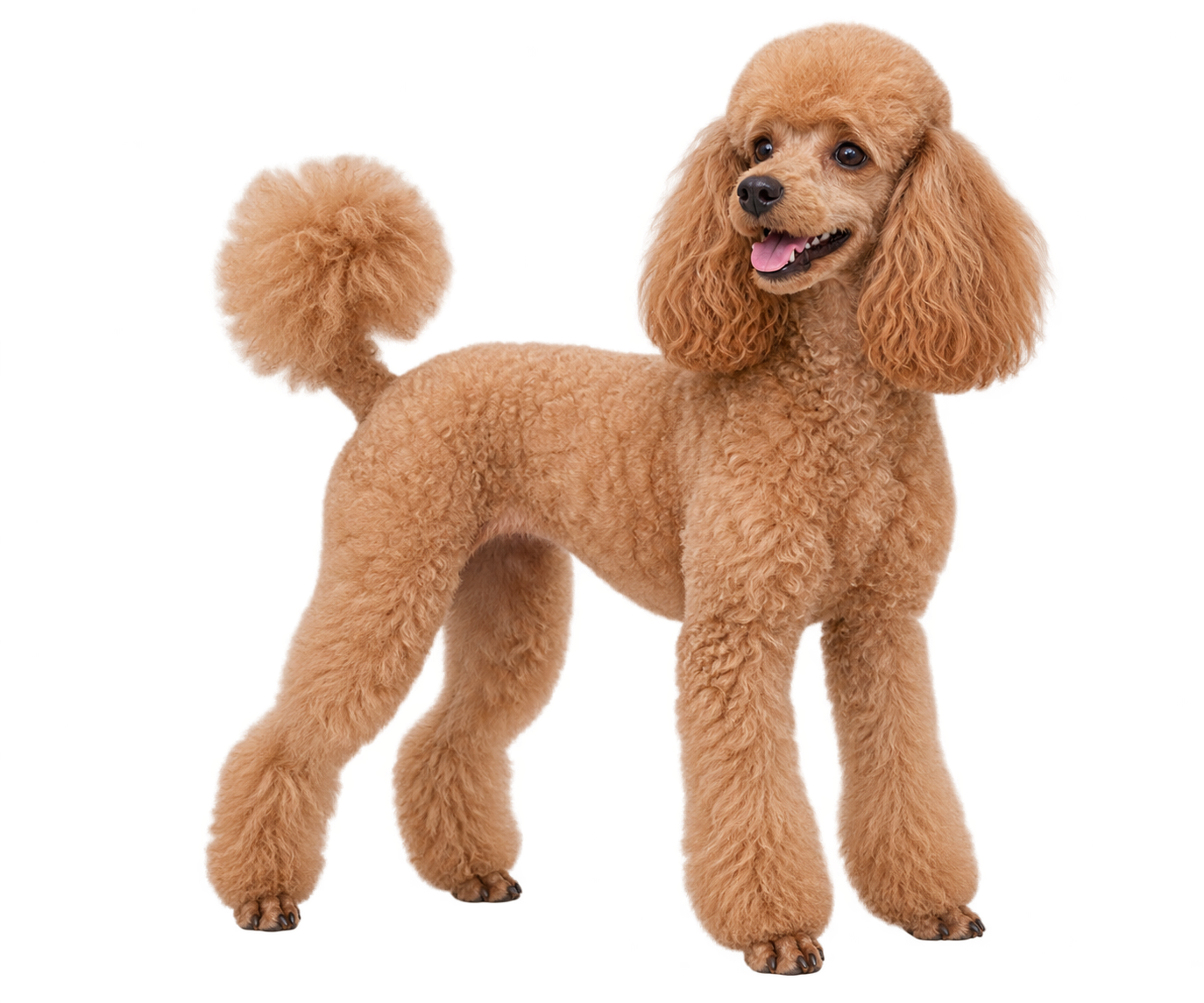
A tiny, exceptionally bright companion combining lively training needs and very low shedding with intensive lifelong coat care.
Open breed profile →The clearest contrasts
Standard Poodles are active dogs suited to regular walks and sustained physical activity.
Small size does not remove the need for active daily play and purposeful exercise.
High mental and physical needs plus intensive lifelong coat care create a substantial commitment despite excellent trainability.
Physical handling is easy, but coat care, dental care, and mental needs require reliable routines.
Official guidance describes good family and child fit, with normal dependence on socialization, supervision, and individual behavior.
Companionship can work with calm, considerate children, but the tiny body needs careful handling.
Common ground
High intelligence, learning ability, and aptitude for varied activities support a strong daily need for mental engagement.
Exceptional intelligence benefits from frequent training, novelty, and problem solving.
Intelligence, attention, and strong learning ability make consistent positive training a major breed strength.
Responsiveness and intelligence support advanced learning with reward-based methods.
Standard Poodles are people-oriented and generally friendly, while socialization and individual temperament still matter.
The breed is typically people-oriented and closely engaged with its household.
Poodles shed minimally, though no dog is completely allergen-free.
The continuously growing curly coat sheds very little but does not eliminate allergens.
Regular clipping plus frequent brushing or professional grooming is a defining lifelong responsibility.
Frequent brushing, clipping, and professional grooming are lifelong commitments.
Vigilance and a tendency to alert through barking are relevant for households seeking a quiet dog.
Alertness can produce frequent notification barking without thoughtful training.
Before you decide
Keep exploring
See how either breed compares with another realistic alternative.
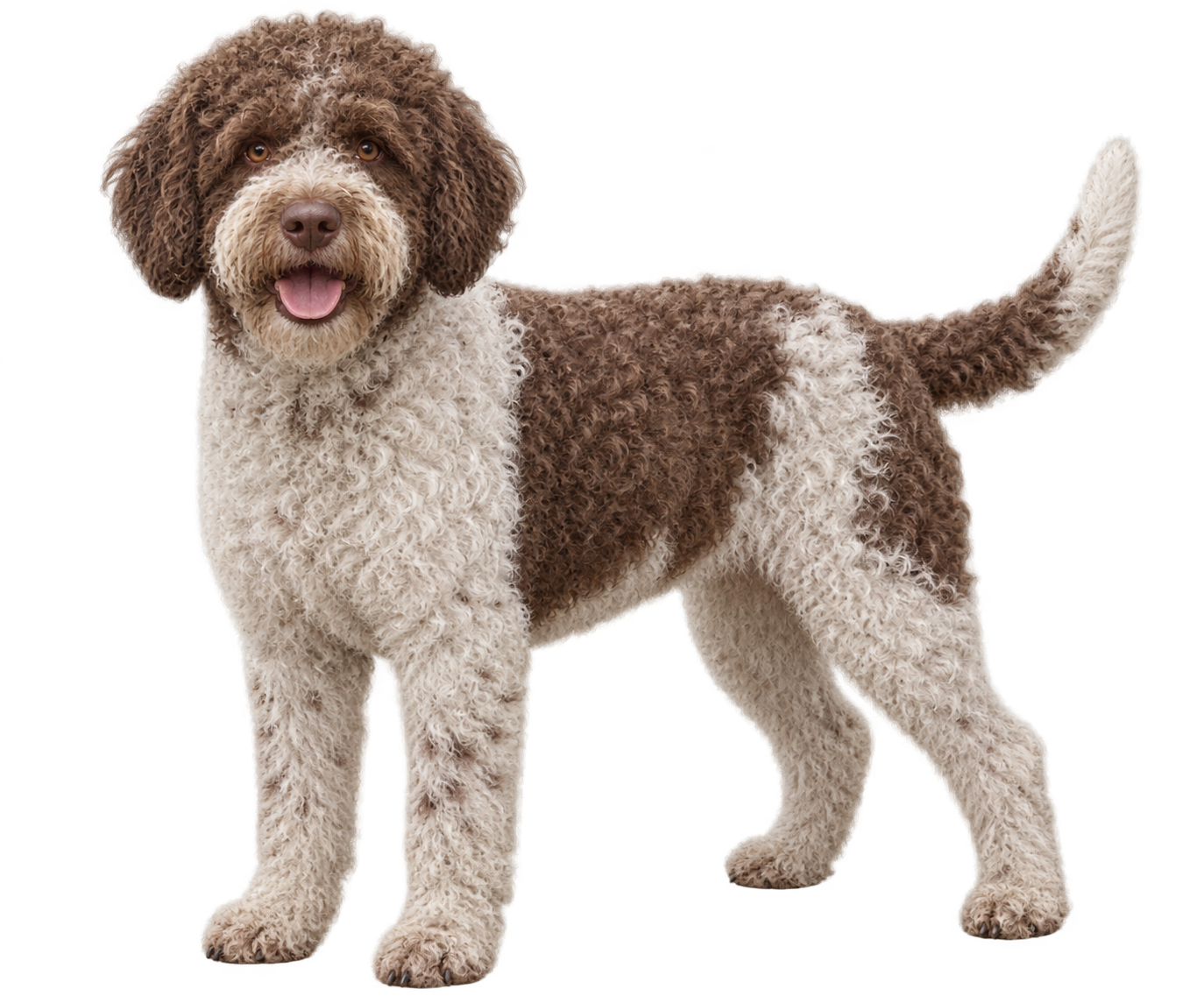 Lagotto Romagnolo vs Standard PoodleWorking intelligence, activity, low shedding, and intensive grooming.Compare →
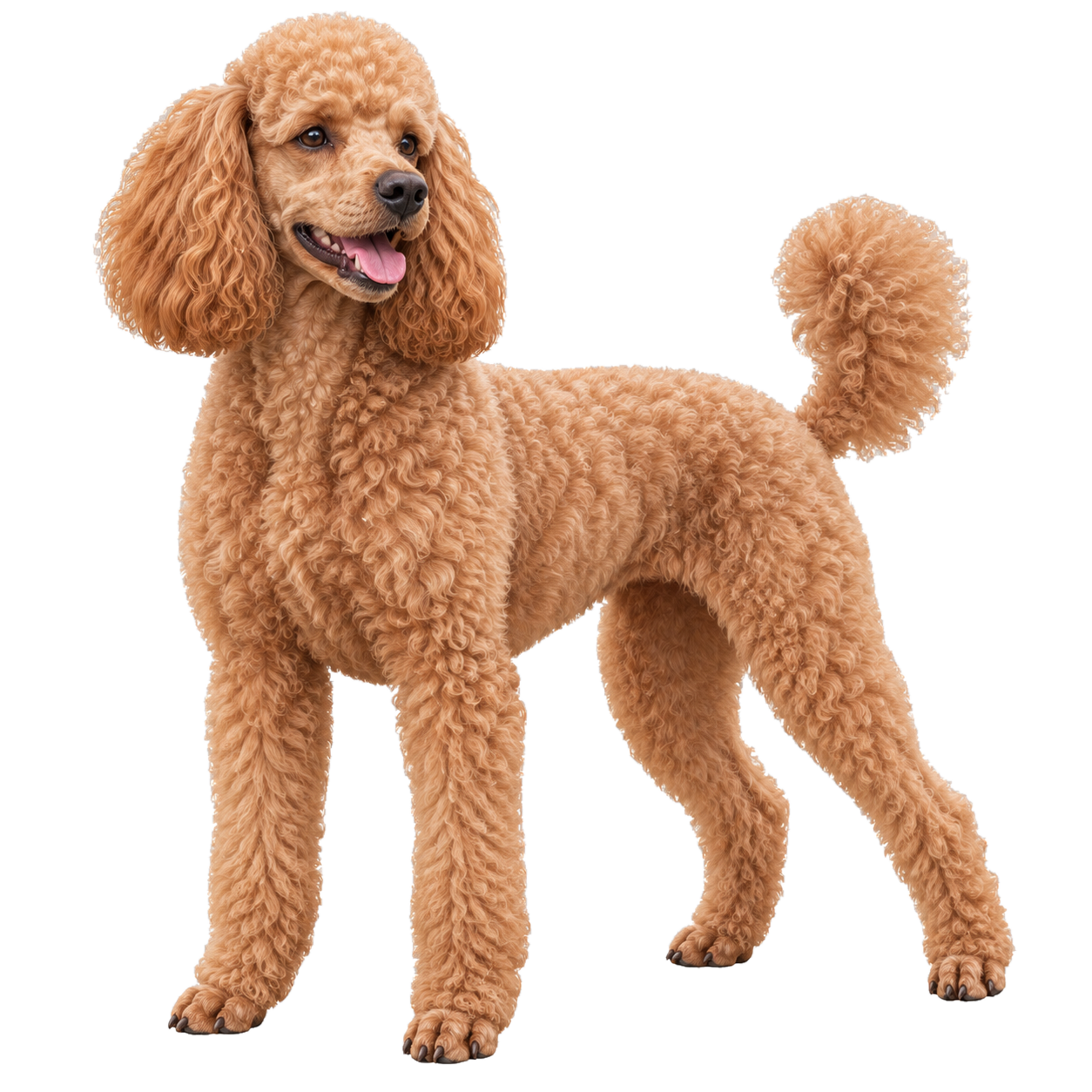 Miniature Poodle vs Standard PoodlePoodle size, exercise, trainability, low shedding, and intensive coat care.Compare →
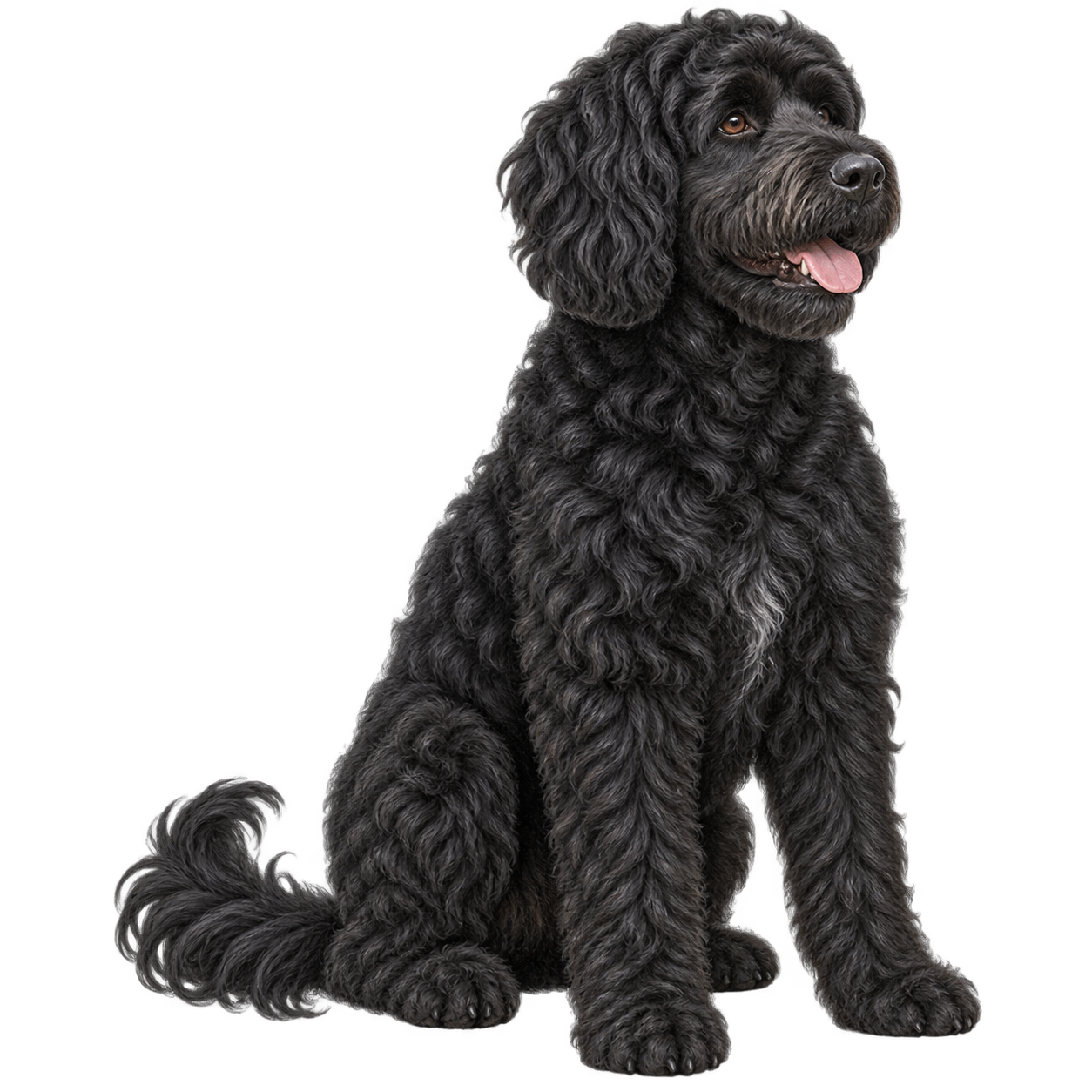 Portuguese Water Dog vs Standard PoodleAthletic life, trainability, low shedding, and intensive coat care.Compare →
Your routine matters
Breed-level tendencies are a starting point. Check them against your own time, home, and constraints.