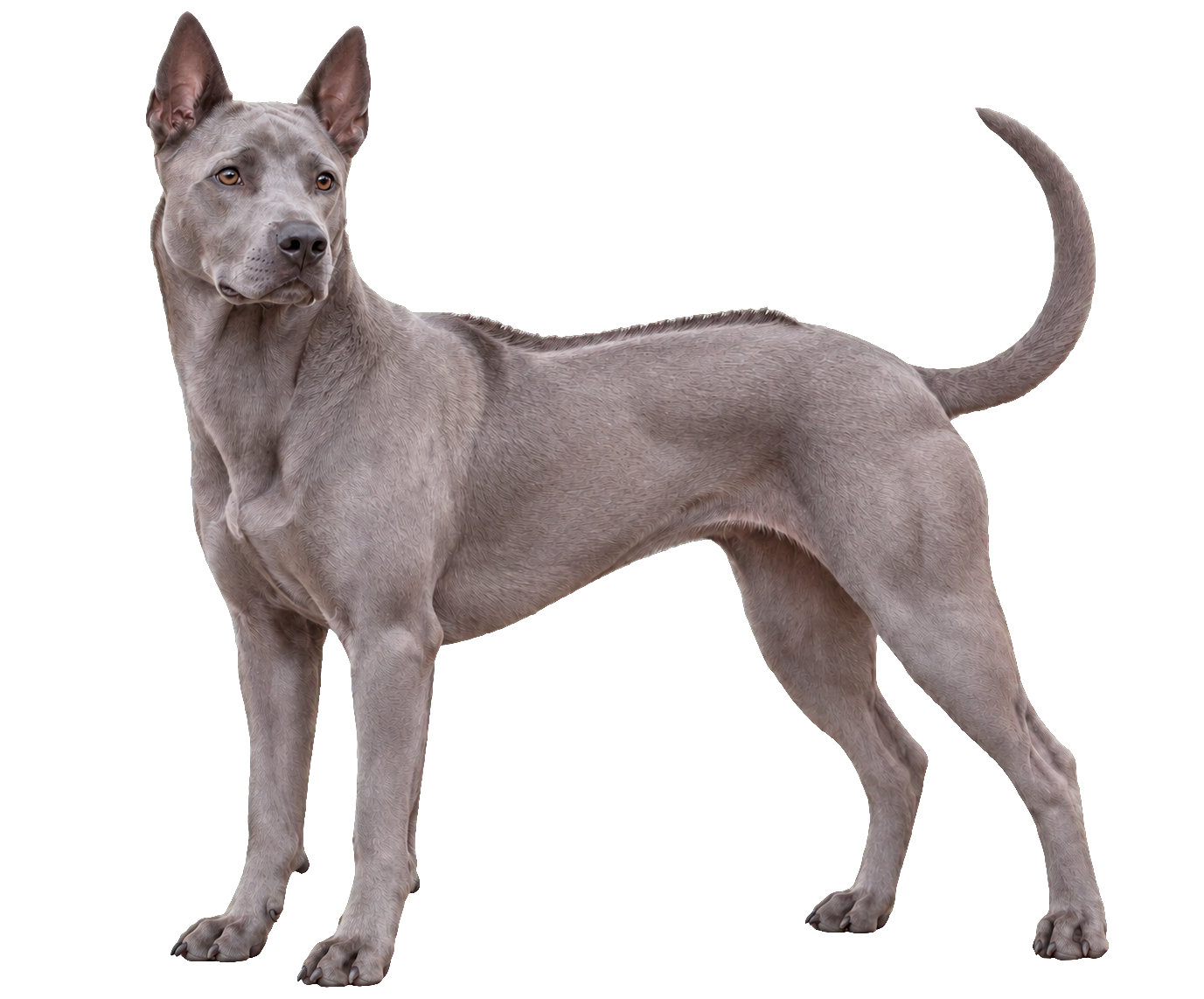
Thai Ridgeback
An athletic Thai primitive hunting dog with family loyalty, reserve, independence, and formidable jumping ability that demand secure experienced handling.
Open breed profile →Evidence-backed comparison
See where their everyday needs align, where they differ, and which practical trade-offs deserve a closer look.
An athletic Thai primitive hunting dog with family loyalty, reserve, independence, and formidable jumping ability that demand secure experienced handling.
Open breed profile →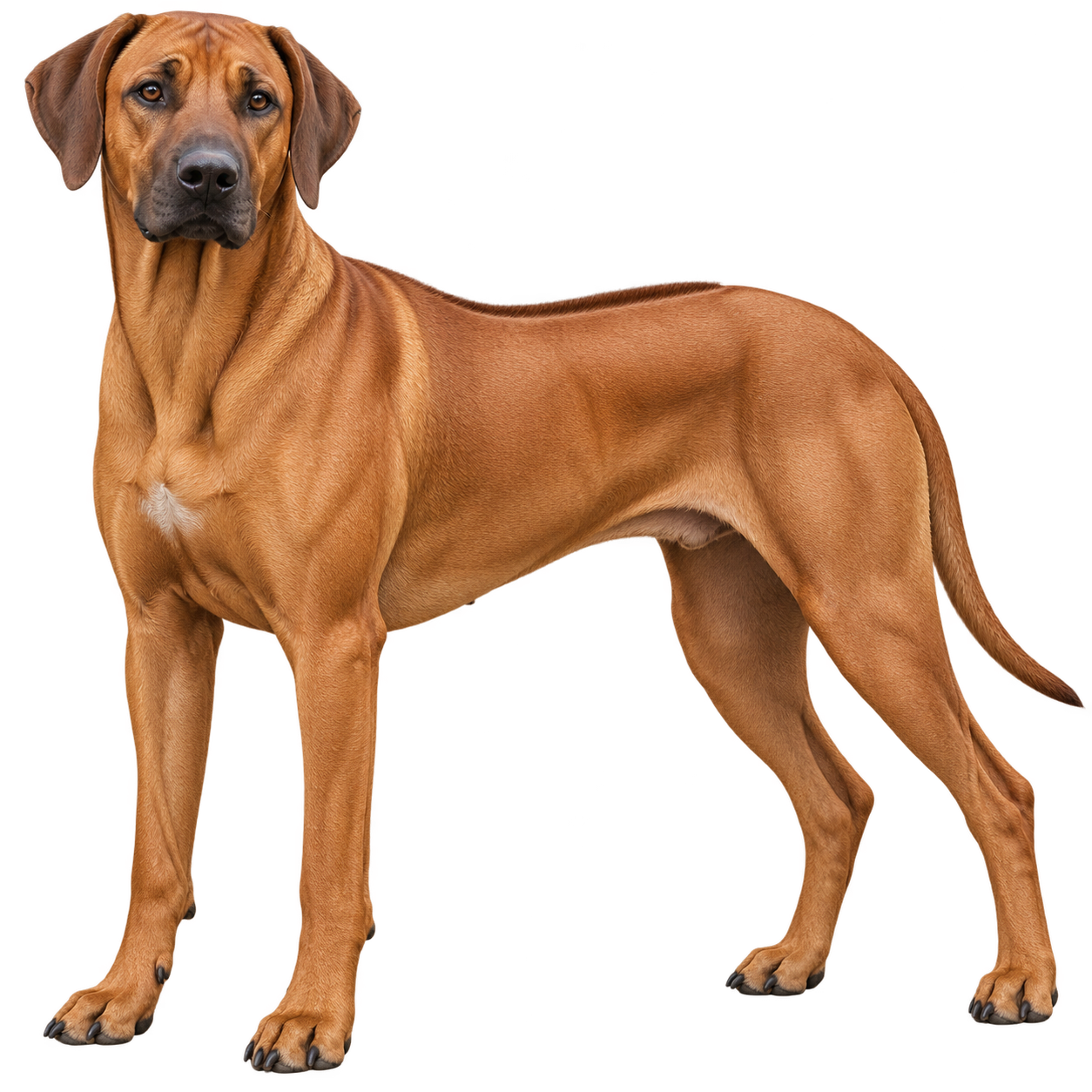
A large, independent, athletic hound that needs secure exercise, patient training, and prey-drive management.
Open breed profile →The clearest contrasts
The FCI standard describes a tough active dog with excellent jumping ability.
Endurance and coursing ability support a need for substantial daily movement.
Athleticism, hunting heritage, reserve, and jumping ability demand secure experienced management.
Size, independence, prey drive, and secure containment create meaningful management.
The very short coat tends to release less visible hair than a heavy double coat.
The short coat sheds routinely but is simple to brush.
The short coat needs minimal routine grooming.
Short-coat care is relatively straightforward.
Common ground
Primitive hunting and guarding work benefit from purposeful training and exploration.
Training, scent work, and varied activity help engage an independent hound.
Loyalty supports partnership while primitive independence requires patient methods.
They can learn well but often require patient motivation and consistency.
Family loyalty should not be read as universal sociability.
The standard describes an even temperament with reserve toward strangers.
The breed standard identifies hunting as a traditional function.
Coursing and hunting history support strong pursuit behavior.
Before you decide
Keep exploring
See how either breed compares with another realistic alternative.
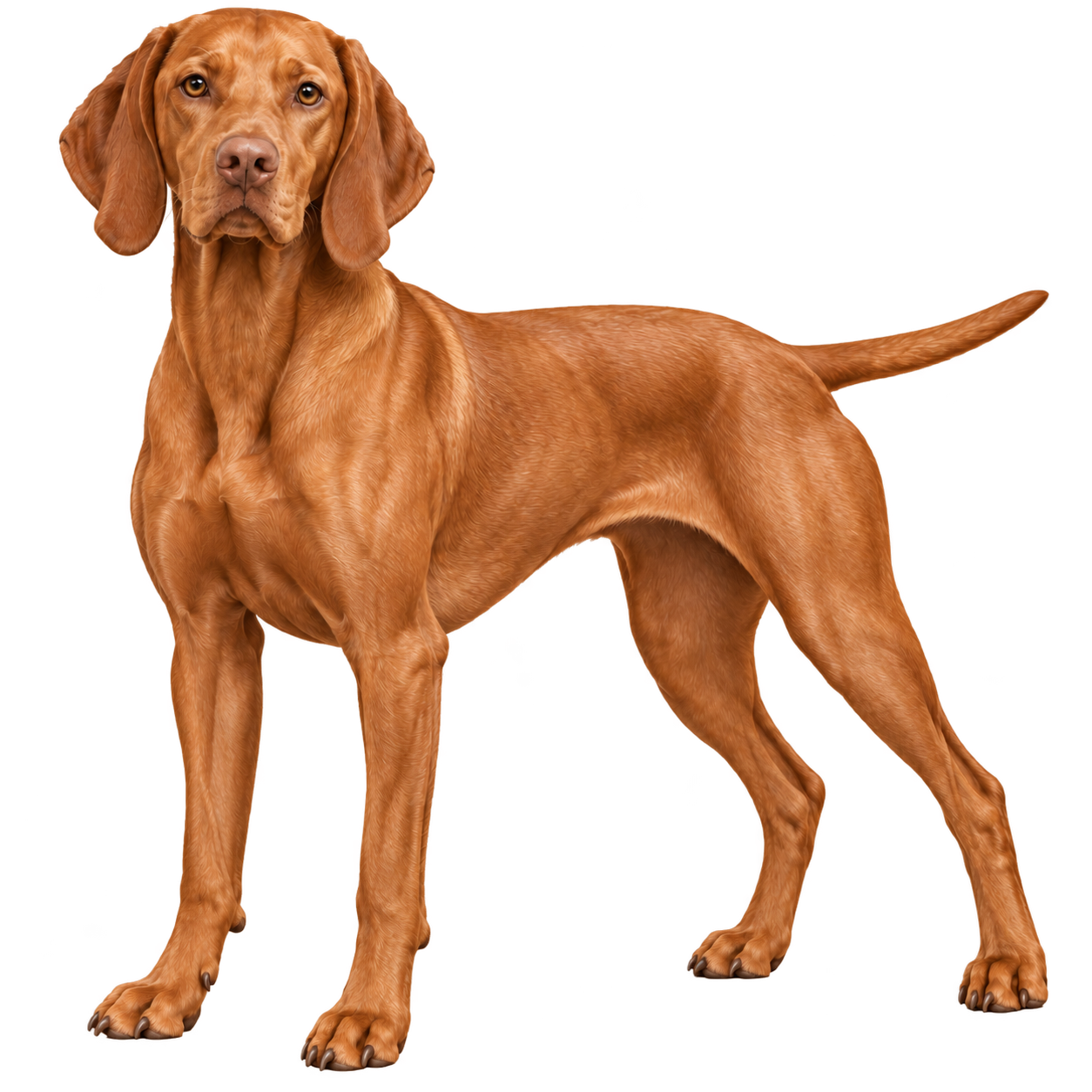 Rhodesian Ridgeback vs VizslaExercise, independence, prey drive, and close companionship.Compare →
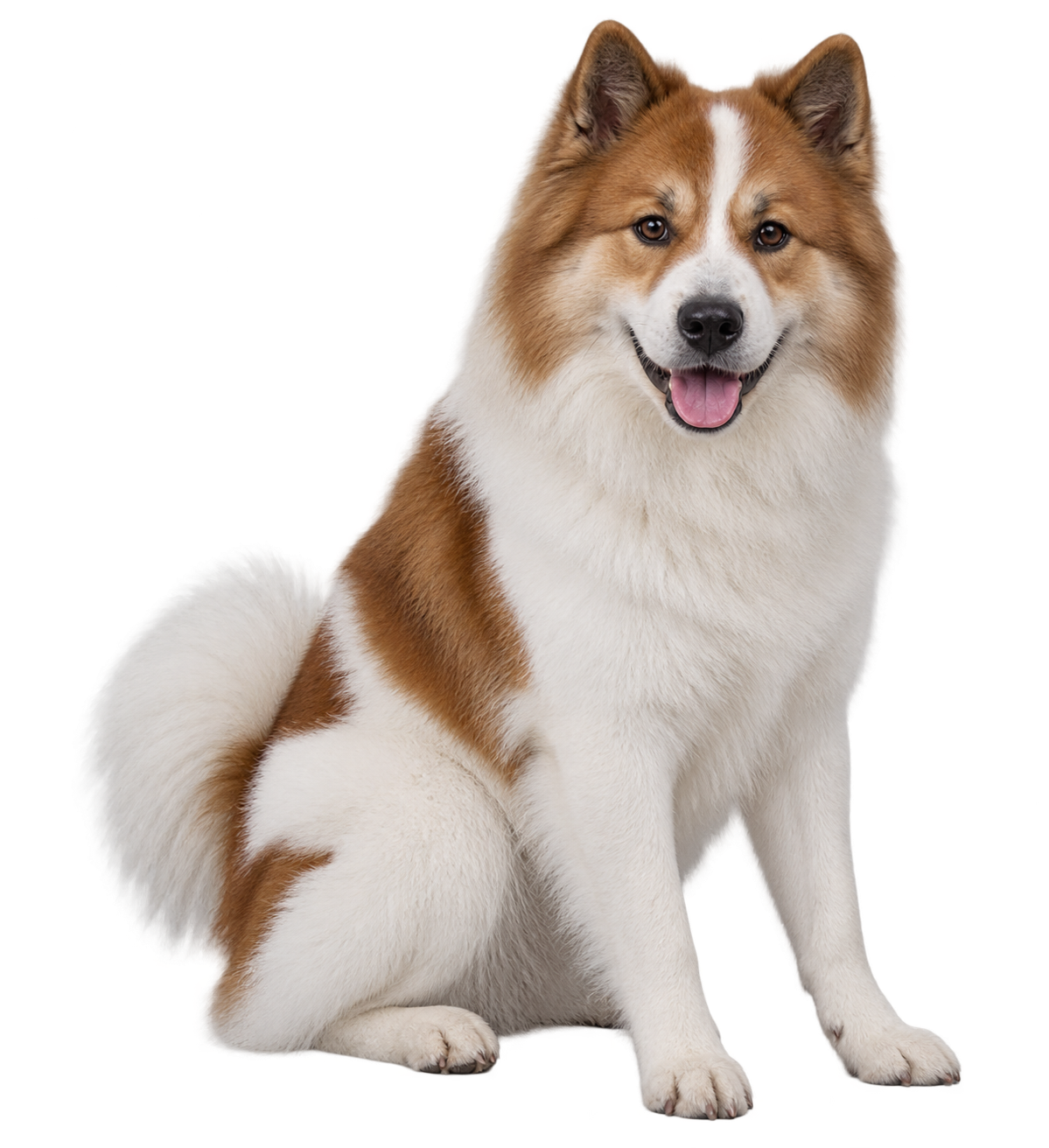 Thai Bangkaew Dog vs Thai RidgebackThai watchdog and hunting heritage, family loyalty, stranger reserve, activity, trainability, coat, and secure handling.Compare →
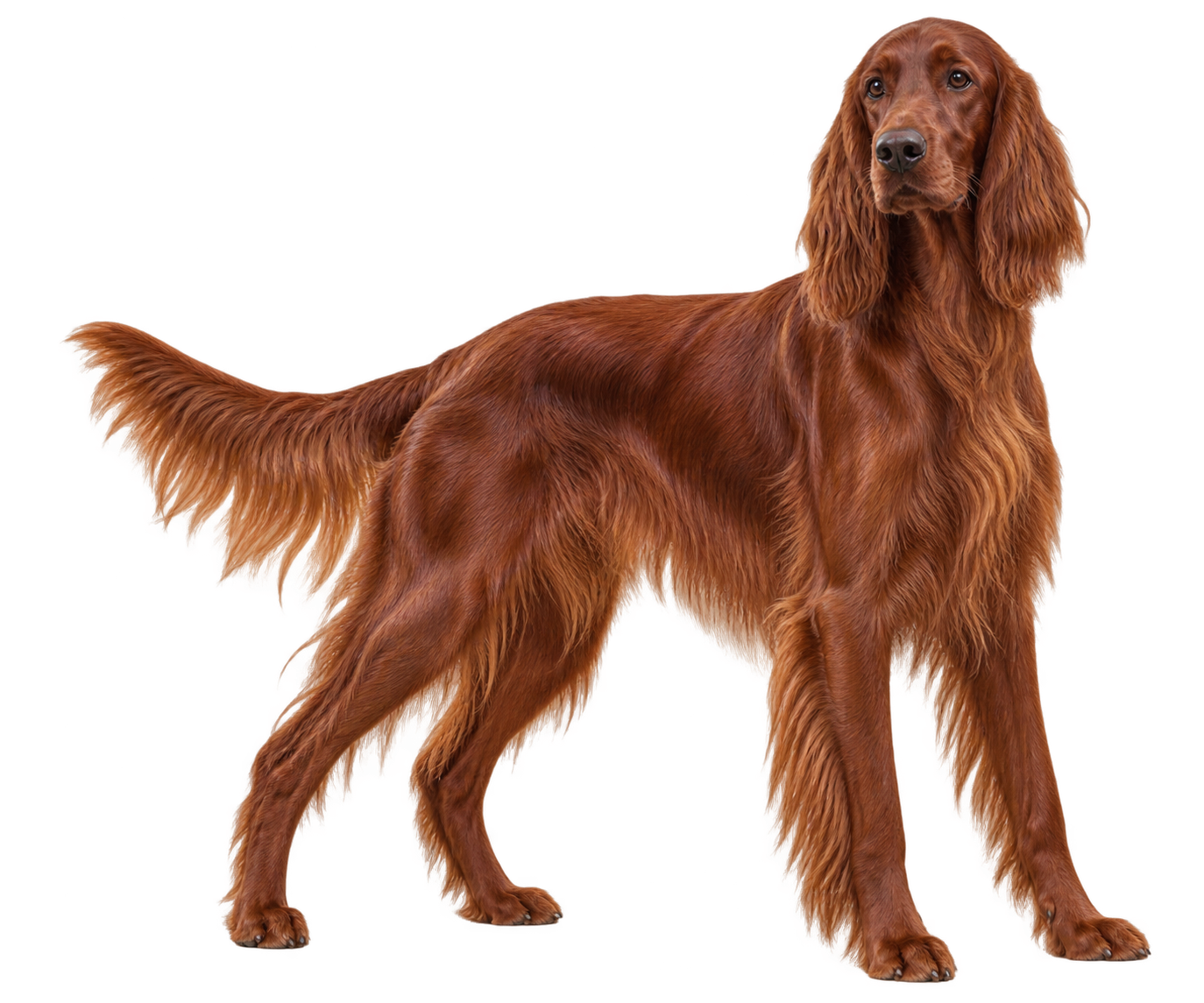 Irish Setter vs VizslaSporting energy, trainability, companionship, and grooming.Compare →
Your routine matters
Breed-level tendencies are a starting point. Check them against your own time, home, and constraints.