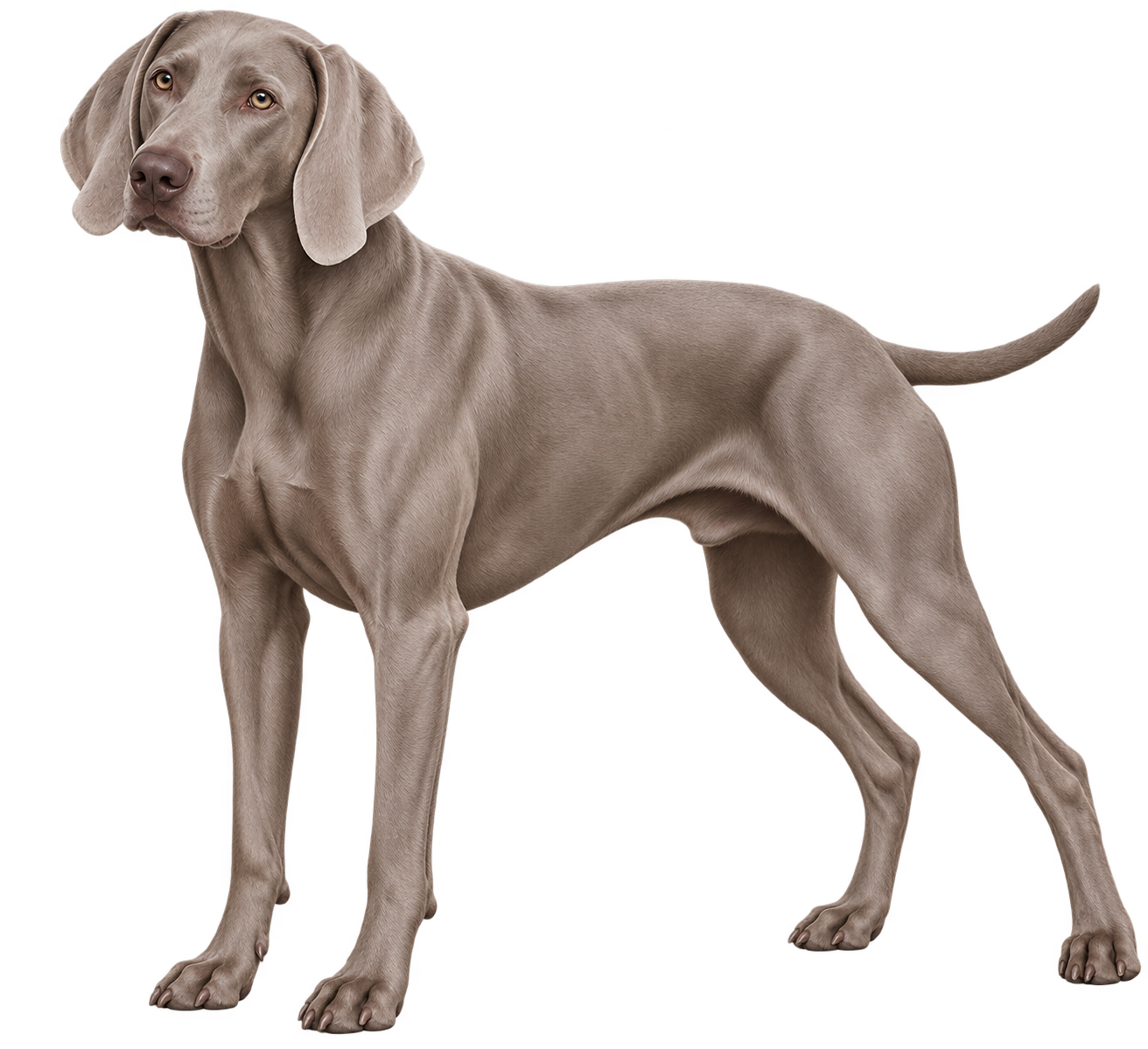
Weimaraner
A sensitive, athletic hunting companion that needs substantial exercise, mental work, and plenty of human time.
Open breed profile →Evidence-backed comparison
See where their everyday needs align, where they differ, and which practical trade-offs deserve a closer look.
A sensitive, athletic hunting companion that needs substantial exercise, mental work, and plenty of human time.
Open breed profile →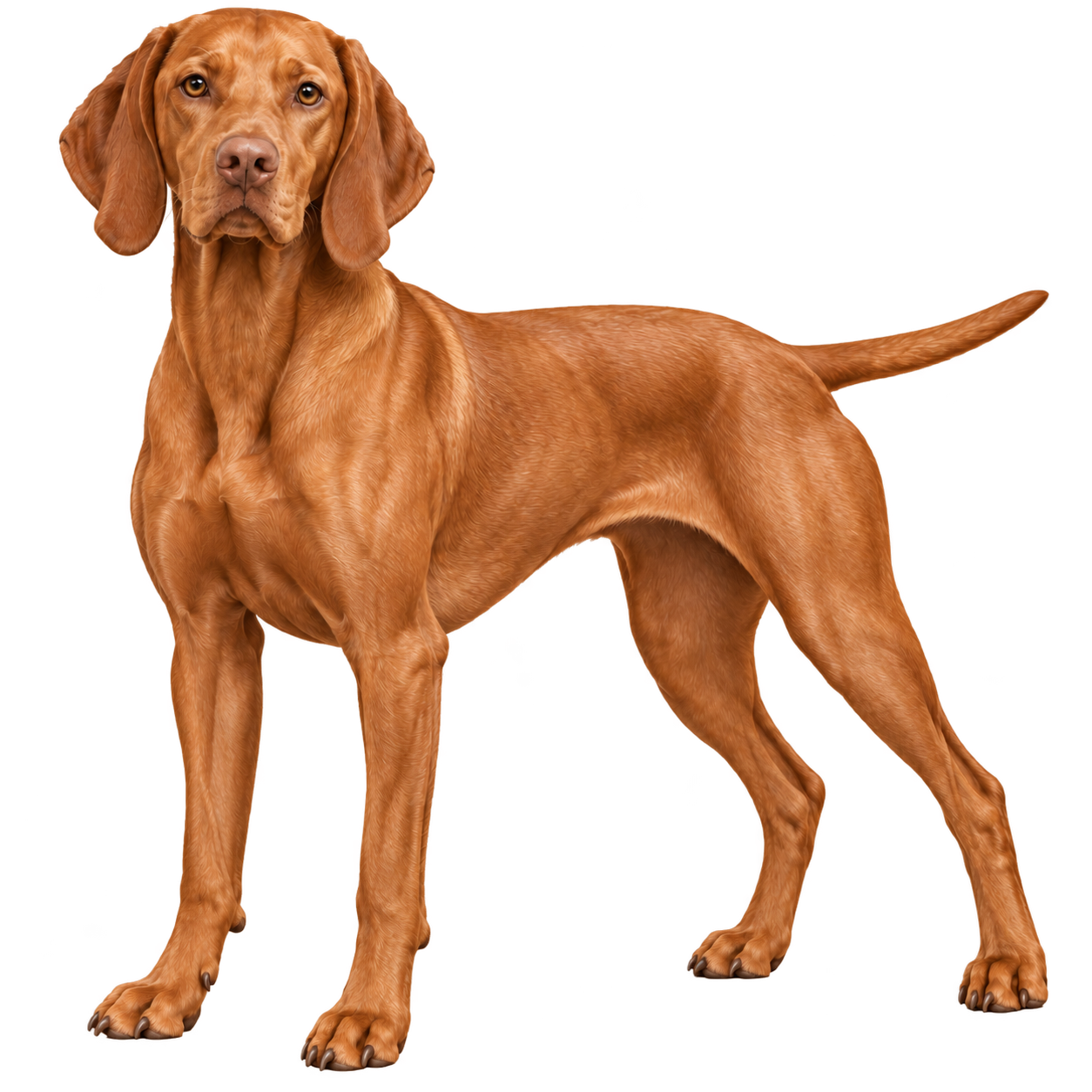
A sensitive, athletic hunting companion built for substantial exercise and close human partnership.
Open breed profile →The clearest contrasts
The breed is described as obedient and capable when consistently trained.
The standard describes above-average ability to take training.
They are friendly and strongly oriented toward their people.
Vizslas are demonstrably affectionate and form close bonds with people.
The short coat sheds routinely.
The short, close coat sheds modestly compared with heavy double coats.
Hunting heritage makes secure exercise and recall work important.
Natural hunting ability and scenting drive create strong pursuit motivation.
Common ground
This athletic hunting breed needs substantial daily exercise.
A lively multipurpose hunting dog needs substantial daily physical activity.
Mental challenges and training are needed alongside physical activity.
Hunting ability and intelligence benefit from training and purposeful work.
High energy and a strong need for company make daily structure demanding.
High energy, sensitivity, and close attachment require time and gentle consistency.
Short-coat care is relatively simple.
The short coat has relatively light routine grooming needs.
Alert companionship can include routine vocal warning, but voice is not the breed’s defining demand.
Protective awareness may produce alert barking, though evidence is limited.
Before you decide
Keep exploring
See how either breed compares with another realistic alternative.
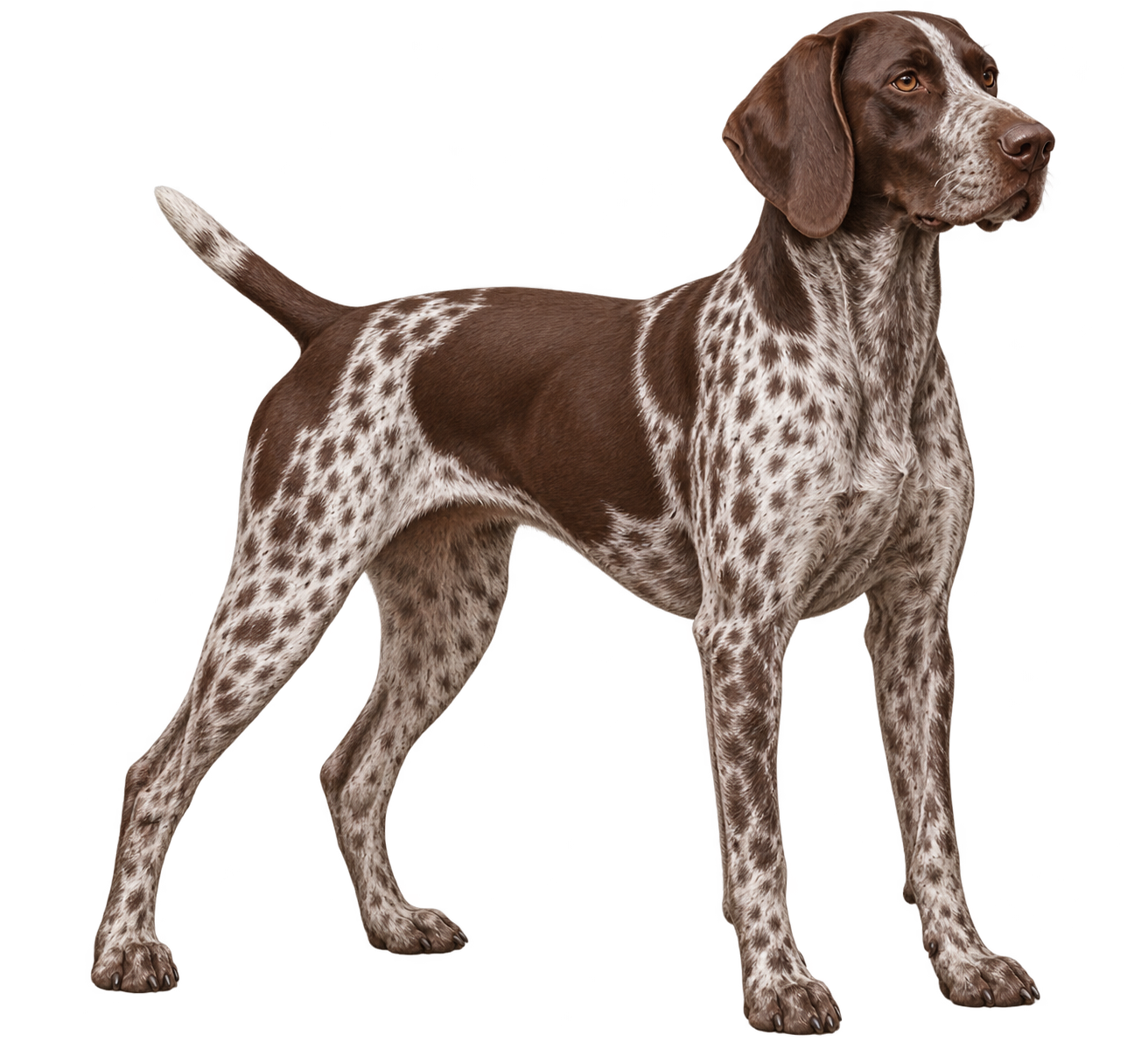 German Shorthaired Pointer vs WeimaranerSporting intensity, training, companionship, and secure exercise.Compare →
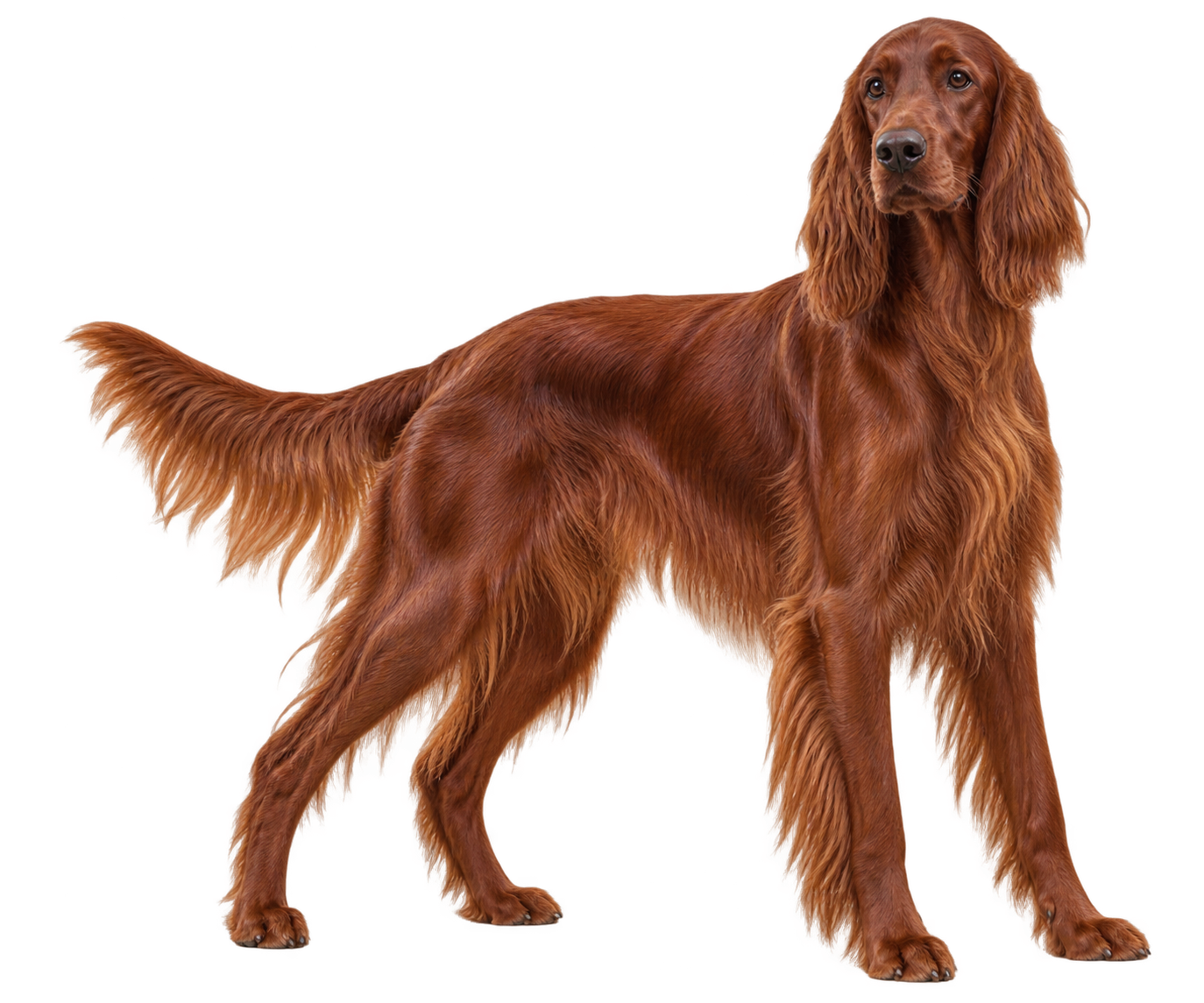 Irish Setter vs VizslaSporting energy, trainability, companionship, and grooming.Compare →
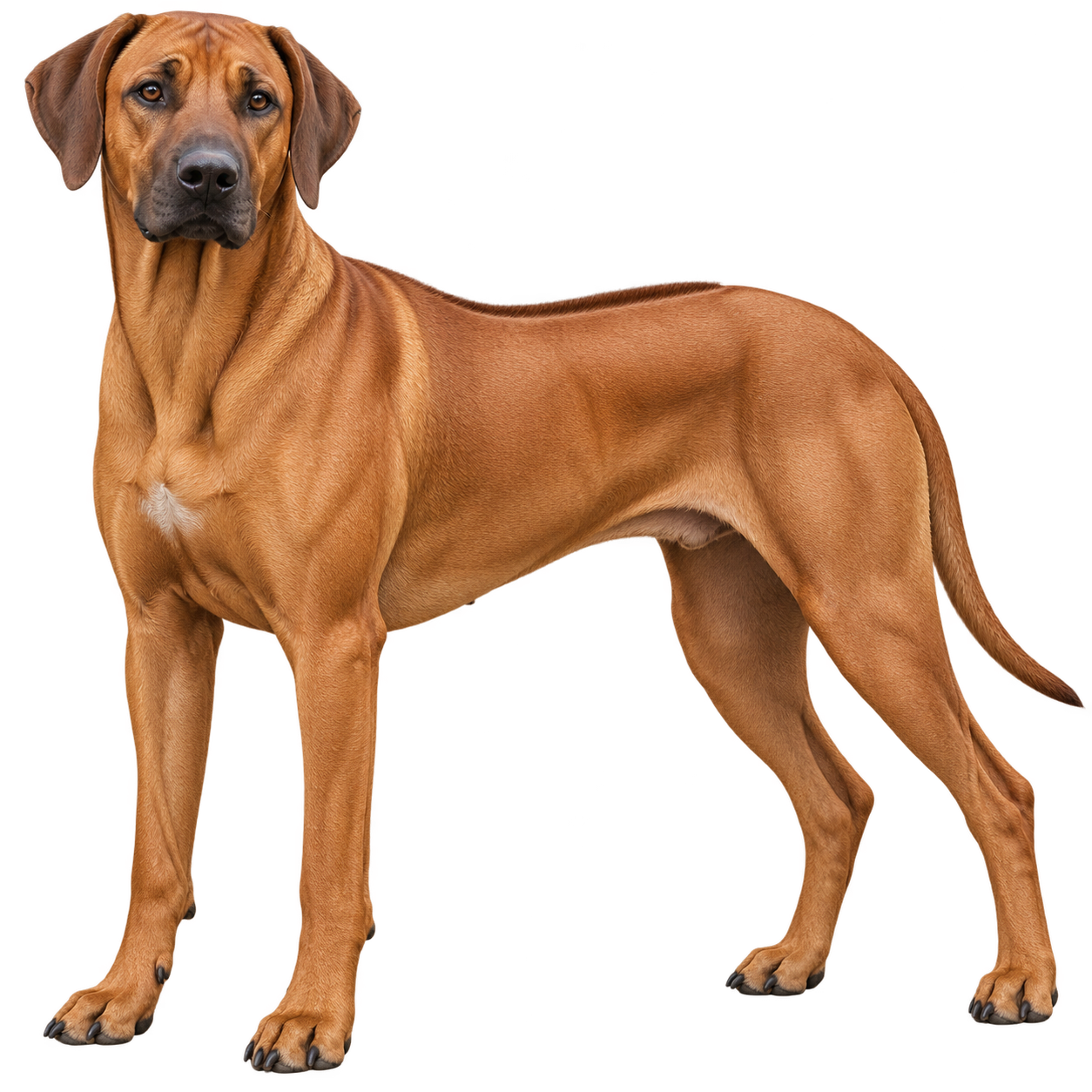 Rhodesian Ridgeback vs VizslaExercise, independence, prey drive, and close companionship.Compare →
Your routine matters
Breed-level tendencies are a starting point. Check them against your own time, home, and constraints.