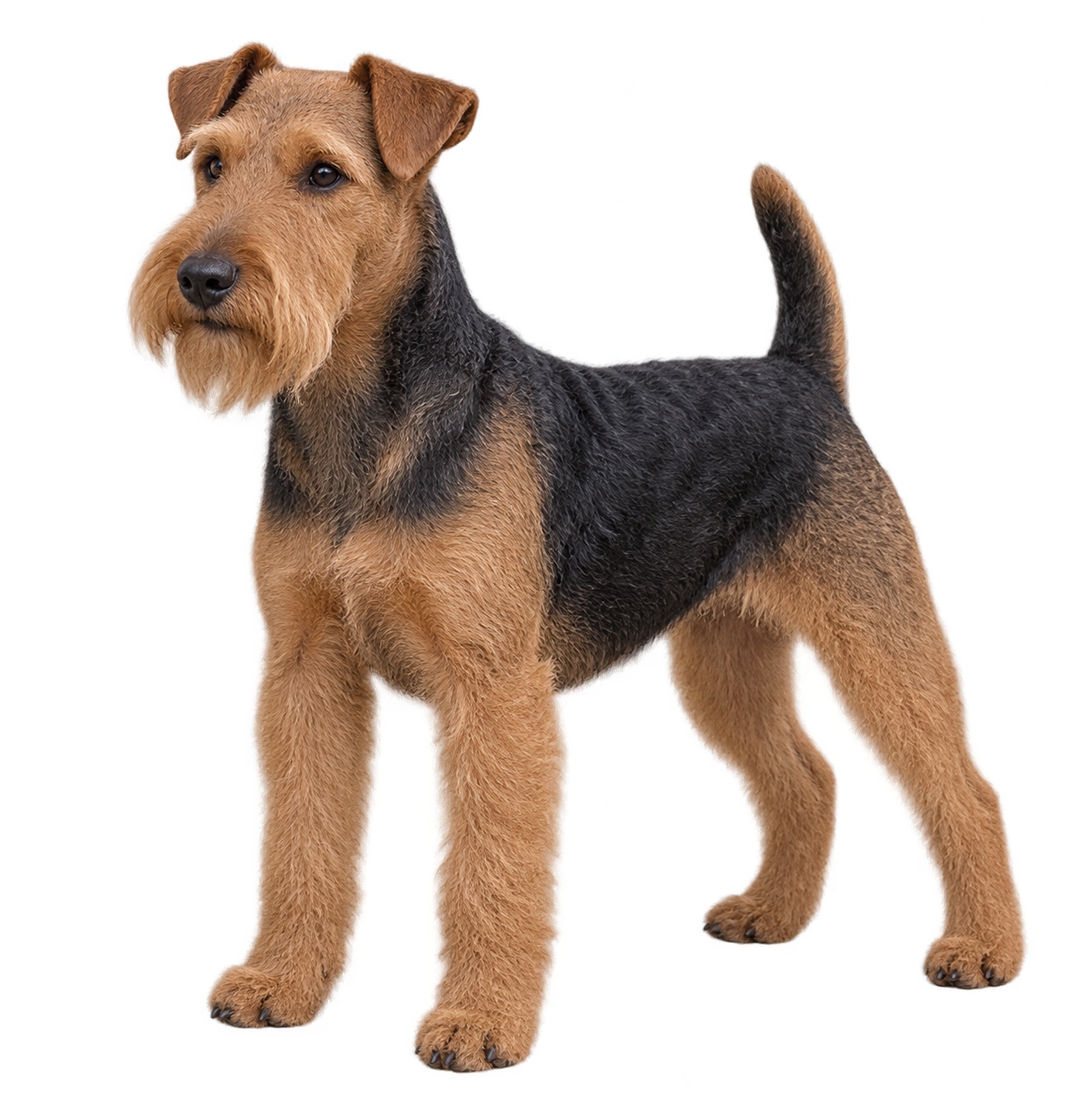
Welsh Terrier
A spirited, compact terrier with a wiry coat, strong prey interest, and more self-possession than many terriers—but still a need for active training.
Open breed profile →Evidence-backed comparison
See where their everyday needs align, where they differ, and which practical trade-offs deserve a closer look.
A spirited, compact terrier with a wiry coat, strong prey interest, and more self-possession than many terriers—but still a need for active training.
Open breed profile →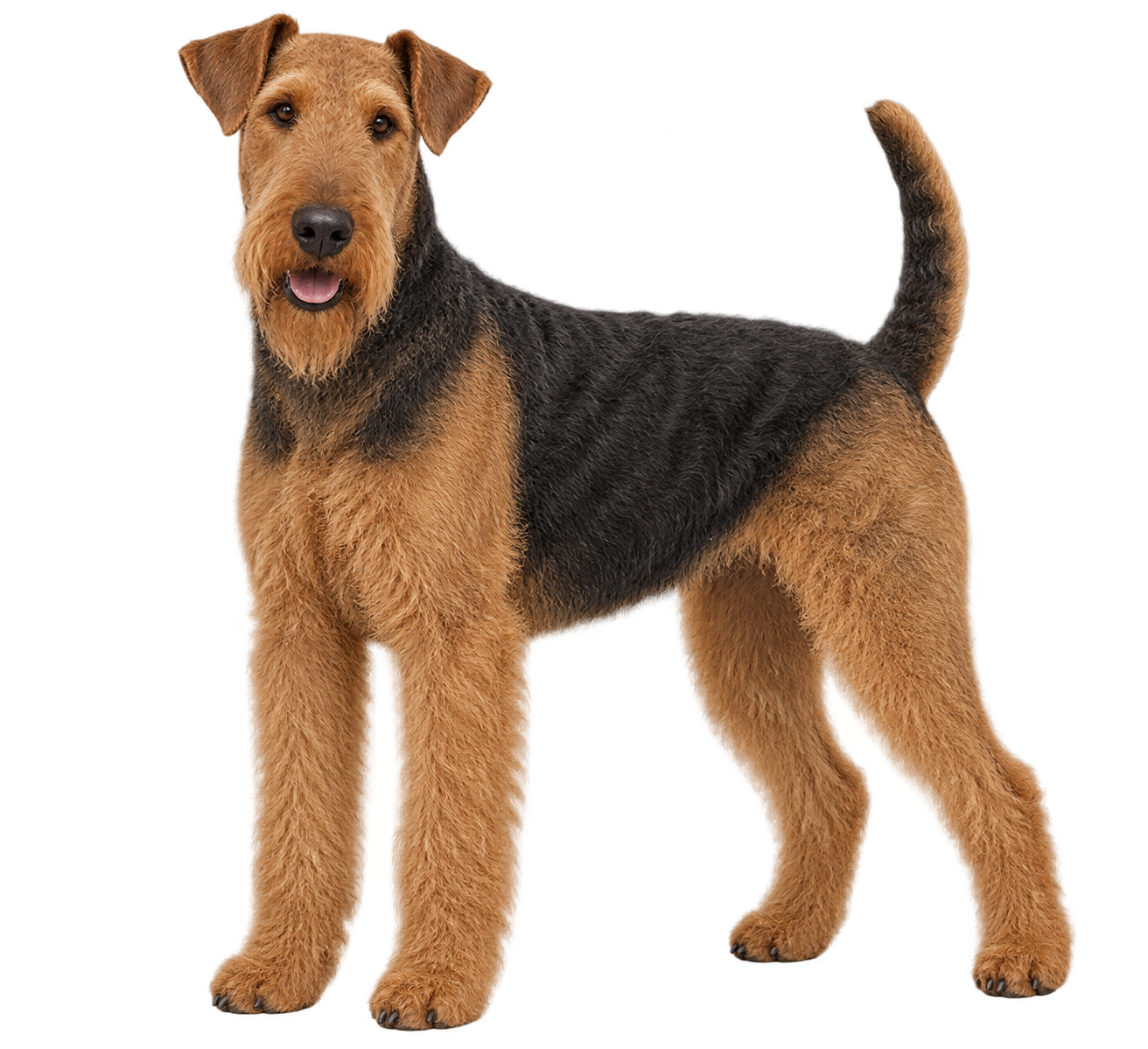
A large, versatile terrier combining athletic energy, curiosity, and a coat that needs regular skilled care.
Open breed profile →A practical first cut
These are breed-level tendencies, not a promise about an individual dog.
You want the smaller terrier and can provide vigorous exercise, reward-based training, secure management of prey interest, and regular stripping or clipping of the wiry coat.
You want a substantially larger, powerful all-purpose terrier and have the time and skill for structured activity, consistent training, early socialization, and specialist coat care.
You want a highly compliant, low-maintenance dog or cannot manage terrier independence, pursuit behavior, energetic play, and ongoing wiry-coat maintenance.
The clearest contrasts
Intelligence supports learning, while terrier independence requires patient reinforcement.
Airedales learn readily but terrier independence rewards engaging, consistent methods.
Prey drive, terrier persistence, and coat maintenance call for consistent handling.
Size, energy, persistence, and prey interest require active management.
The breed is spirited and companionable but not indiscriminately sociable.
They are commonly outgoing and affectionate with their people.
Common ground
An active working terrier benefits from daily walks, play, and purposeful exercise.
Substantial daily exercise suits this athletic, versatile working terrier.
Training games and scent work give this alert terrier useful outlets.
Training, scent work, play, and varied tasks help prevent self-directed projects.
The wiry coat tends to shed less visibly than many smooth or double coats.
The wiry coat sheds relatively little when properly maintained.
A hard wiry coat needs regular brushing and periodic stripping or skilled trimming.
Regular brushing plus clipping or hand stripping is a continuing commitment.
Development for hunting small quarry makes prey interest a core breed trait.
Terrier hunting history supports secure exercise and careful introductions to small animals.
Before you decide
Keep exploring
See how either breed compares with another realistic alternative.
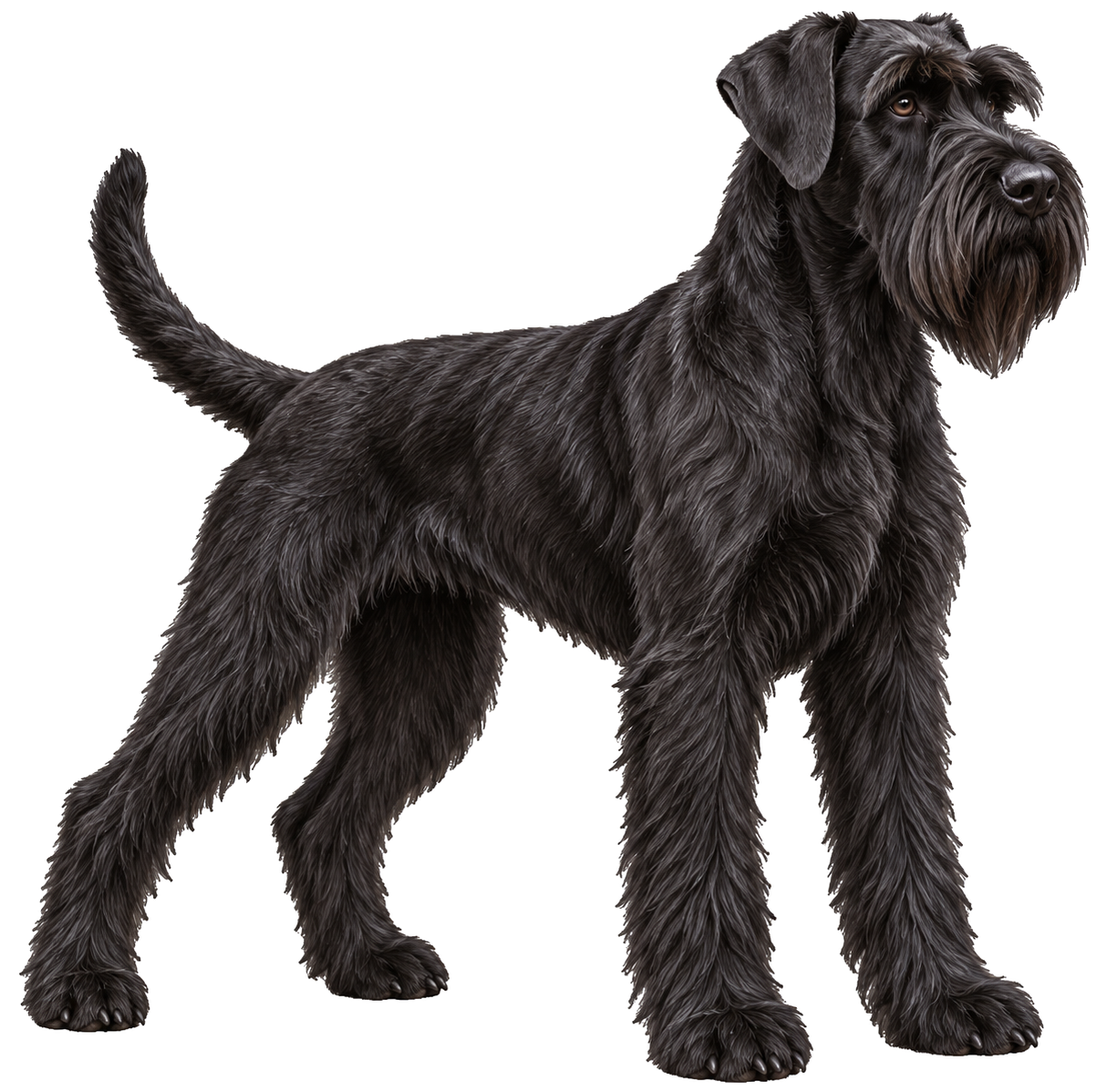 Airedale Terrier vs Giant SchnauzerWorking energy, trainability, guarding, and professional coat care.Compare →
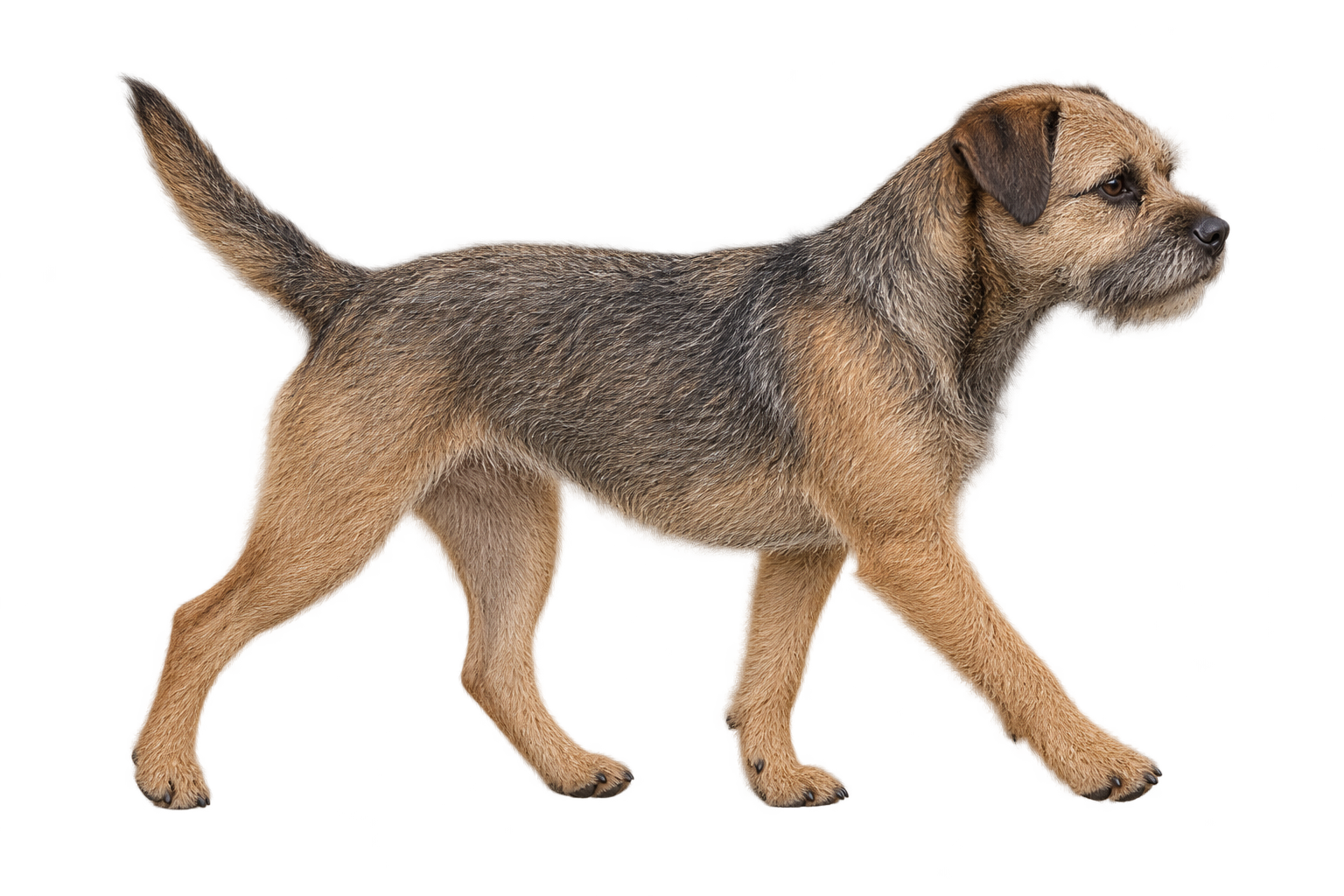 Border Terrier vs Airedale TerrierTerrier size, exercise, prey drive, and wiry coat care.Compare →
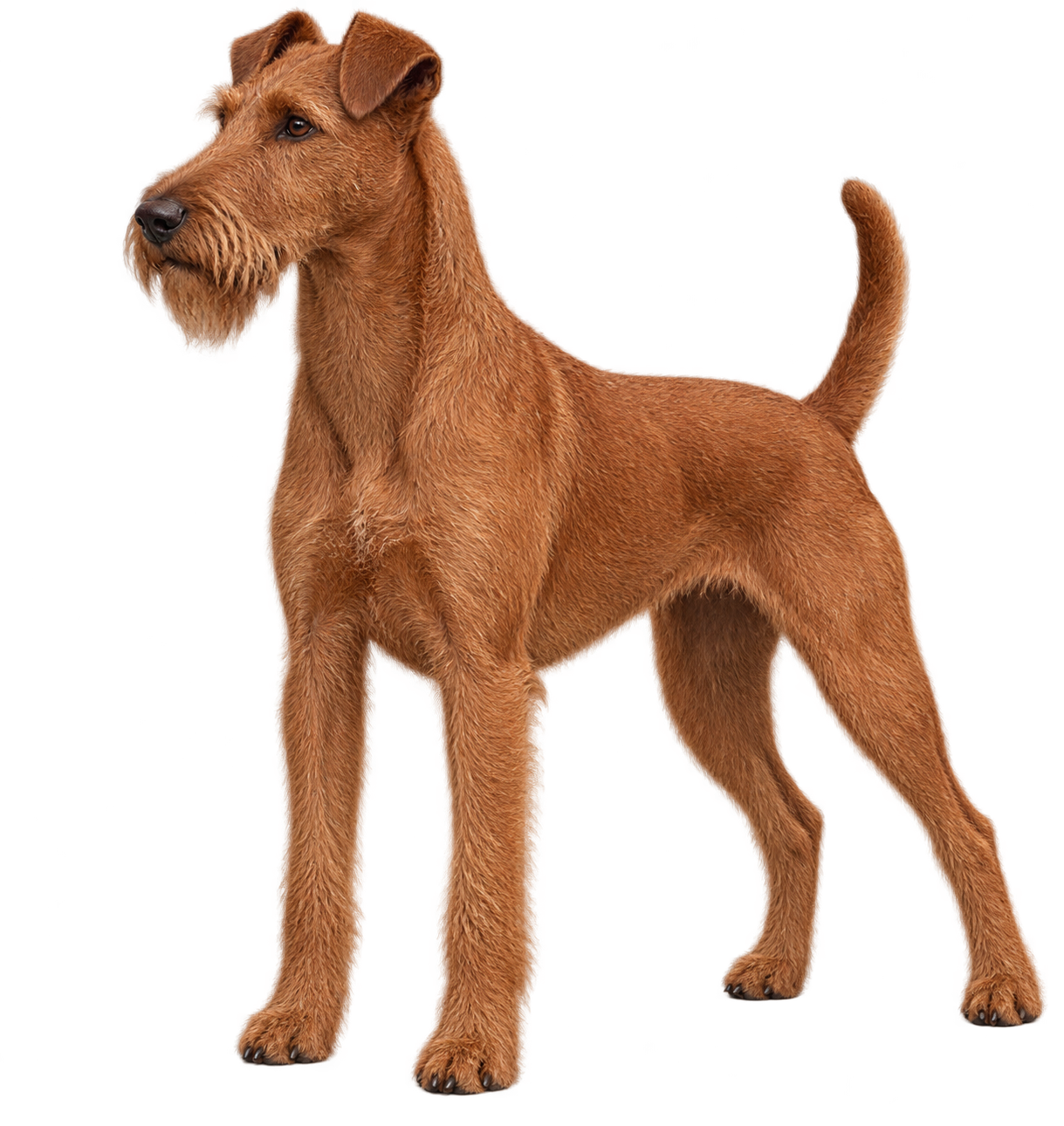 Irish Terrier vs Airedale TerrierRed-terrier energy, prey drive, training, size, and wiry coat care.Compare →
Your routine matters
Breed-level tendencies are a starting point. Check them against your own time, home, and constraints.