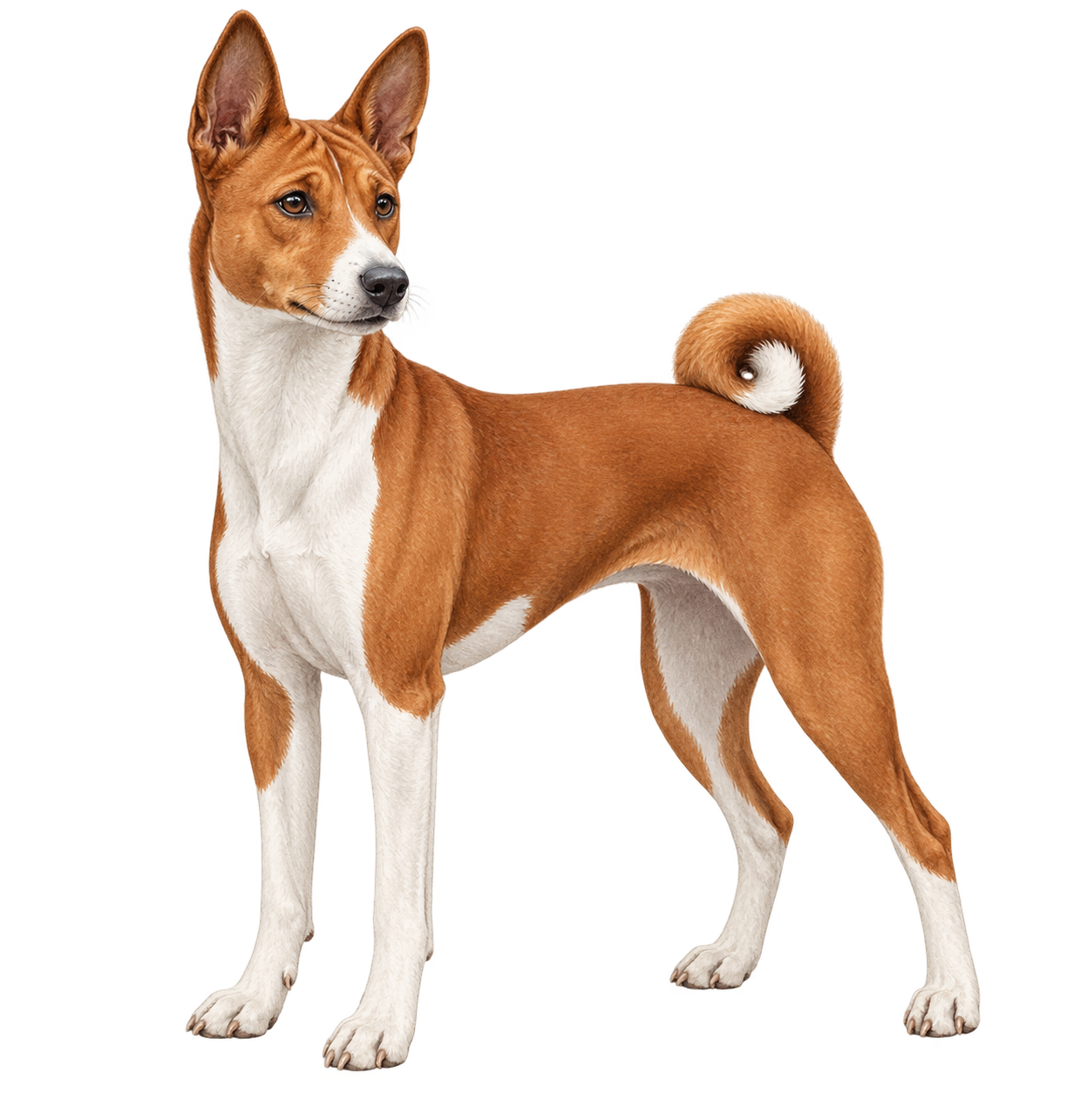
Exercise need
HighDaily active exercise and secure opportunities to move are important for this hunting breed.
BreedCue field profile
A clean, curious hunting hound known for independence, speed, and unusual vocalizations rather than barking.
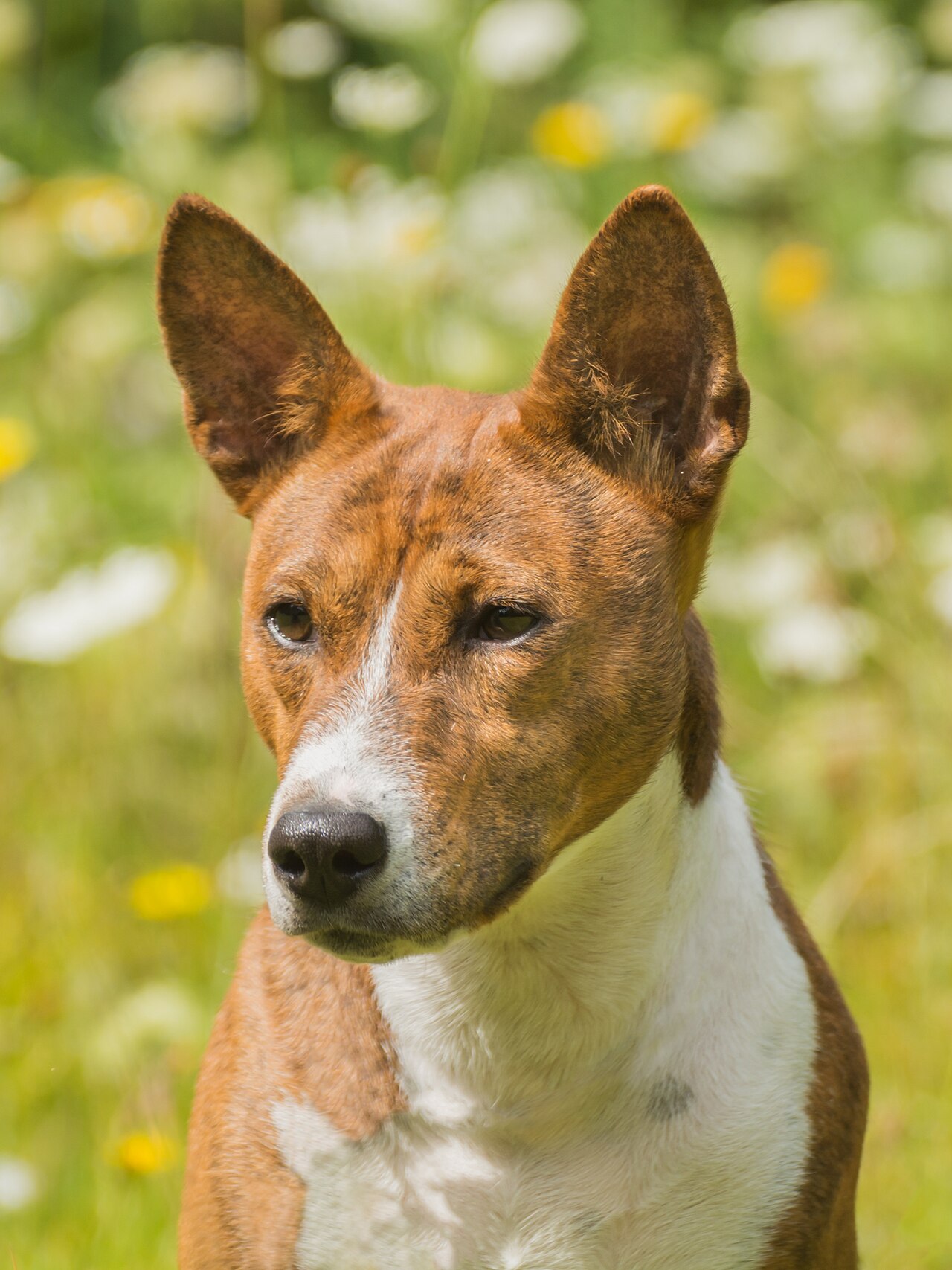
At a glance
Levels summarize the strongest applicable evidence currently in BreedCue.
Exercise need
HighDaily active exercise and secure opportunities to move are important for this hunting breed.
Mental stimulation
HighCuriosity and independence call for varied enrichment and problem-solving.
Trainability
LowBasenjis learn quickly but often make independent choices, rewarding patient training.
Handling complexity
HighSpeed, climbing ability, independence, and escape risk require secure management.
People sociability
ModerateAffection with family can be paired with reserve toward unfamiliar people.
Living with children
ModerateRespectful older children and careful supervision are a better fit than rough handling.
Shedding
LowThe short, fine coat sheds lightly.
Grooming need
Very lowMinimal brushing is generally needed for the short, self-cleaning coat.
Barking tendency
Very lowBasenjis rarely bark, but they are not silent and may yodel or vocalize.
Chase drive
Very highHunting heritage and speed make leash control and secure fencing essential.
Hot-climate tolerance
HighAfrican origins and a short coat generally suit warmth, with normal heat precautions.
We have not found strong enough breed-level evidence for these traits yet:
Day to day
A practical reading of the documented tendencies below—not a prediction about every individual dog.
Daily active exercise and secure opportunities to move are important for this hunting breed.
Curiosity and independence call for varied enrichment and problem-solving.
Hunting heritage and speed make leash control and secure fencing essential.
Pilot · quick answers
Direct answers from the same documented adult breed tendencies used throughout BreedCue. Individual dogs still vary.
How much exercise does Basenji need?
Could Basenji suit apartment living?
Is Basenji a reasonable first dog?
Does Basenji shed heavily?
What does the evidence say about Basenji and children?
What might people underestimate about Basenji?
Before you decide
Basenjis rarely bark, but they are not silent and may yodel or vocalize.
Compare your shortlist
Three nearby alternatives selected from the current catalog. Similar does not mean interchangeable.
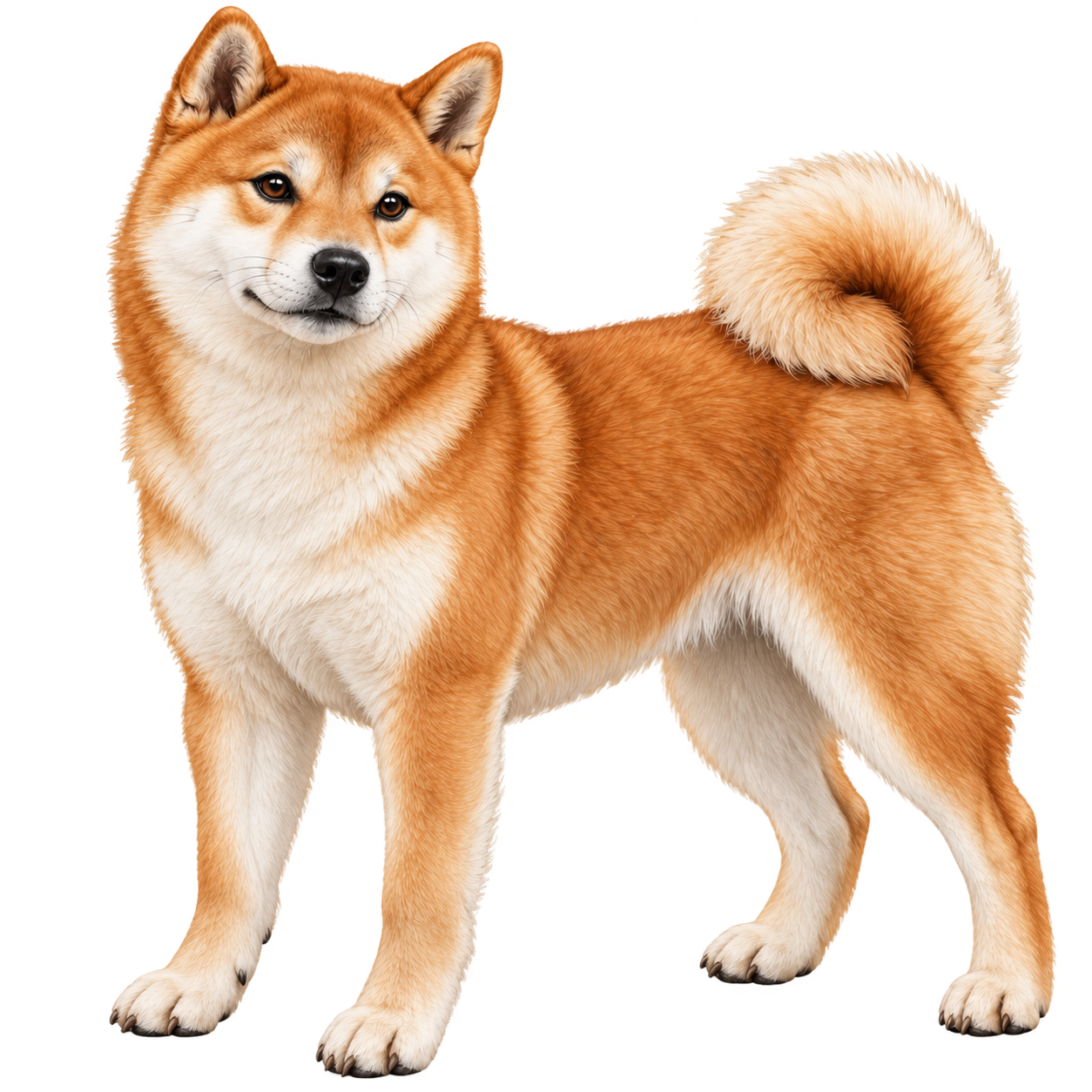 Shiba InuClosest on exercise and mental stimulation; compare the trade-offs.Compare Basenji vs Shiba Inu →
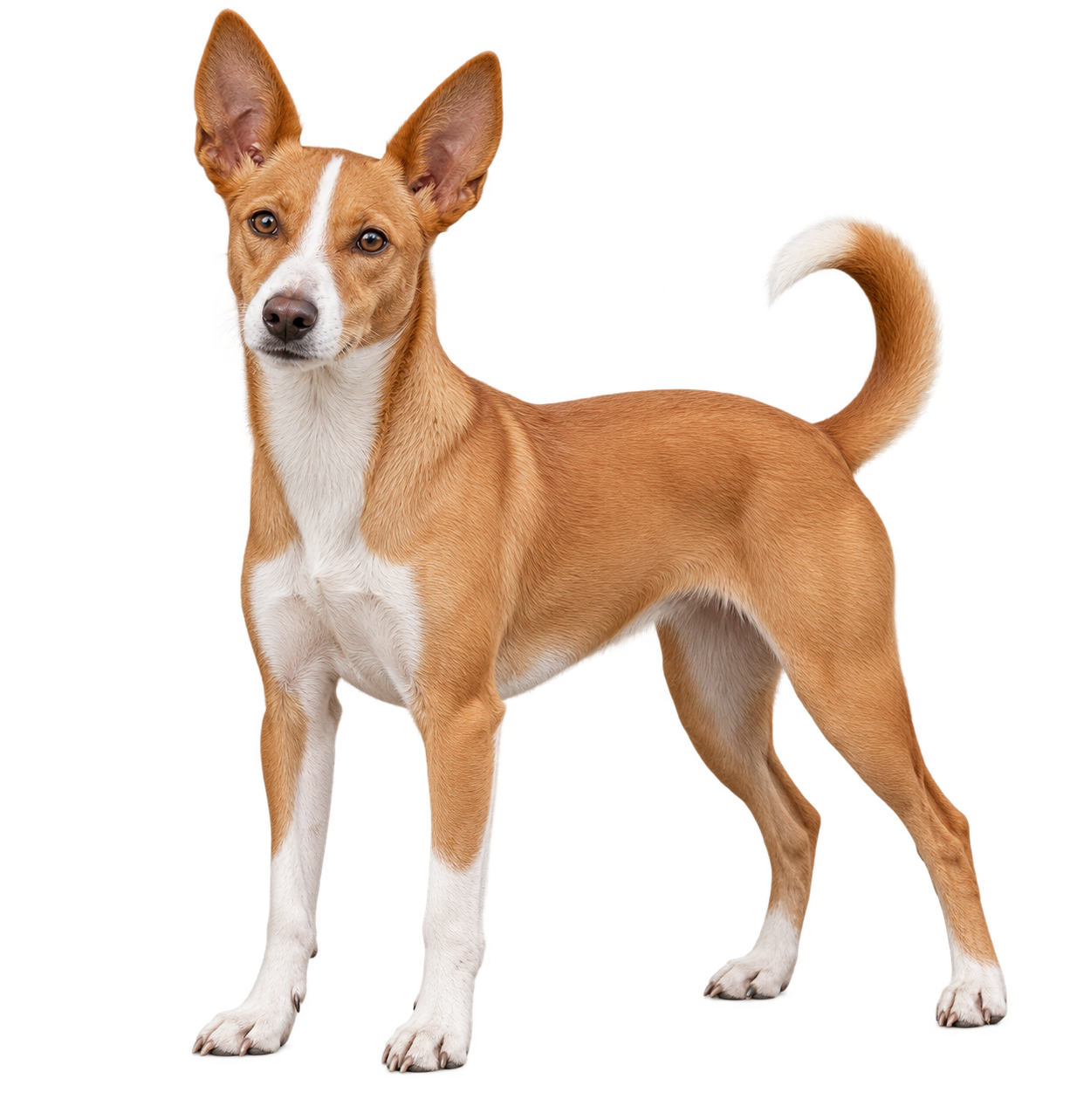 Portuguese Podengo PequenoClosest on exercise and mental stimulation; compare the trade-offs.Compare Basenji vs Portuguese Podengo Pequeno →
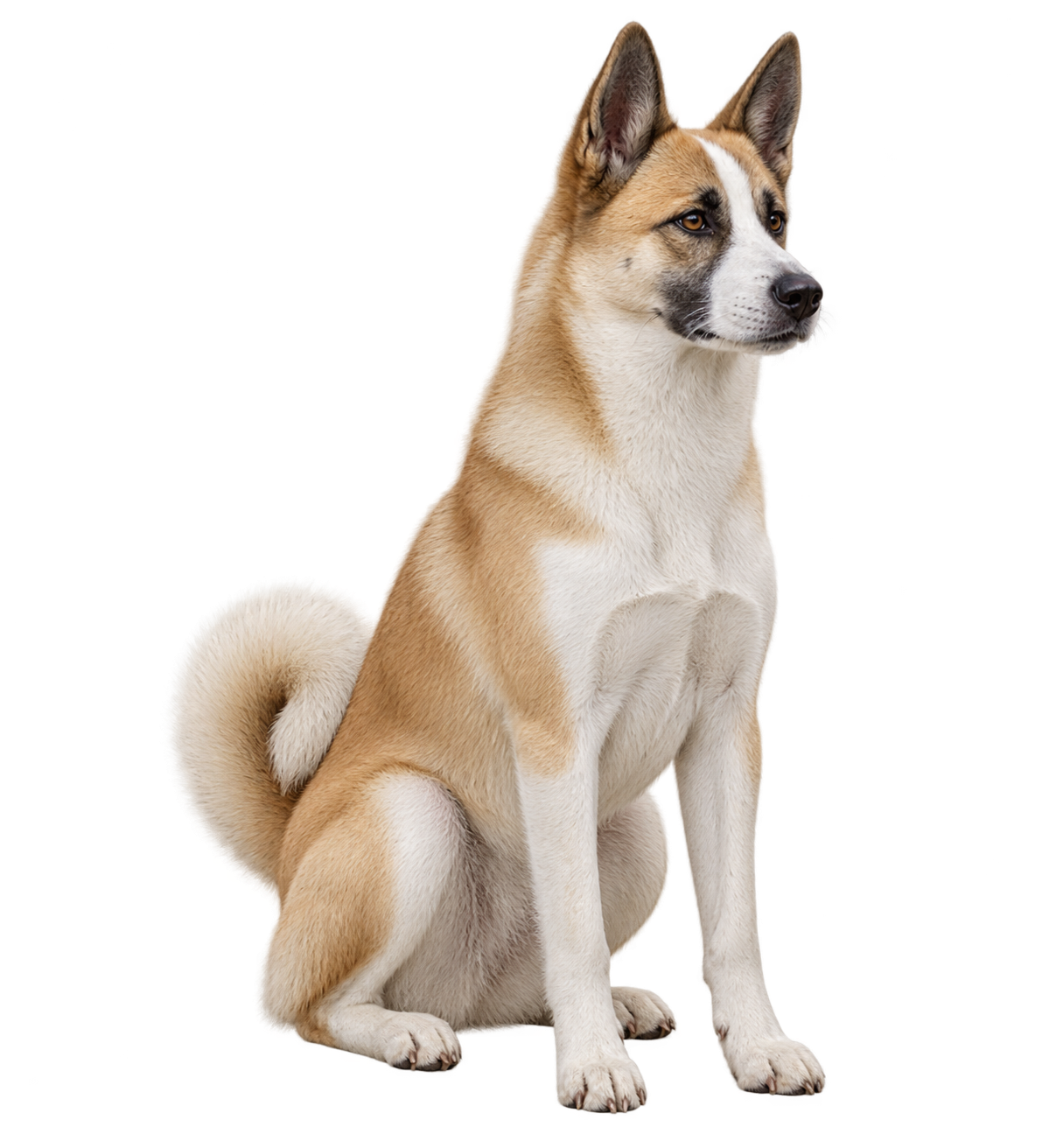 Canaan DogClosest on exercise and mental stimulation; compare the trade-offs.Compare Basenji vs Canaan Dog →
Transparency
BreedCue favors breed-club, veterinary, welfare, and established kennel-organization sources. Evidence describes breed-level tendencies; individual dogs vary.
Your life matters too
Check this profile against the time, home environment, and trade-offs you can realistically support.