Exercise need
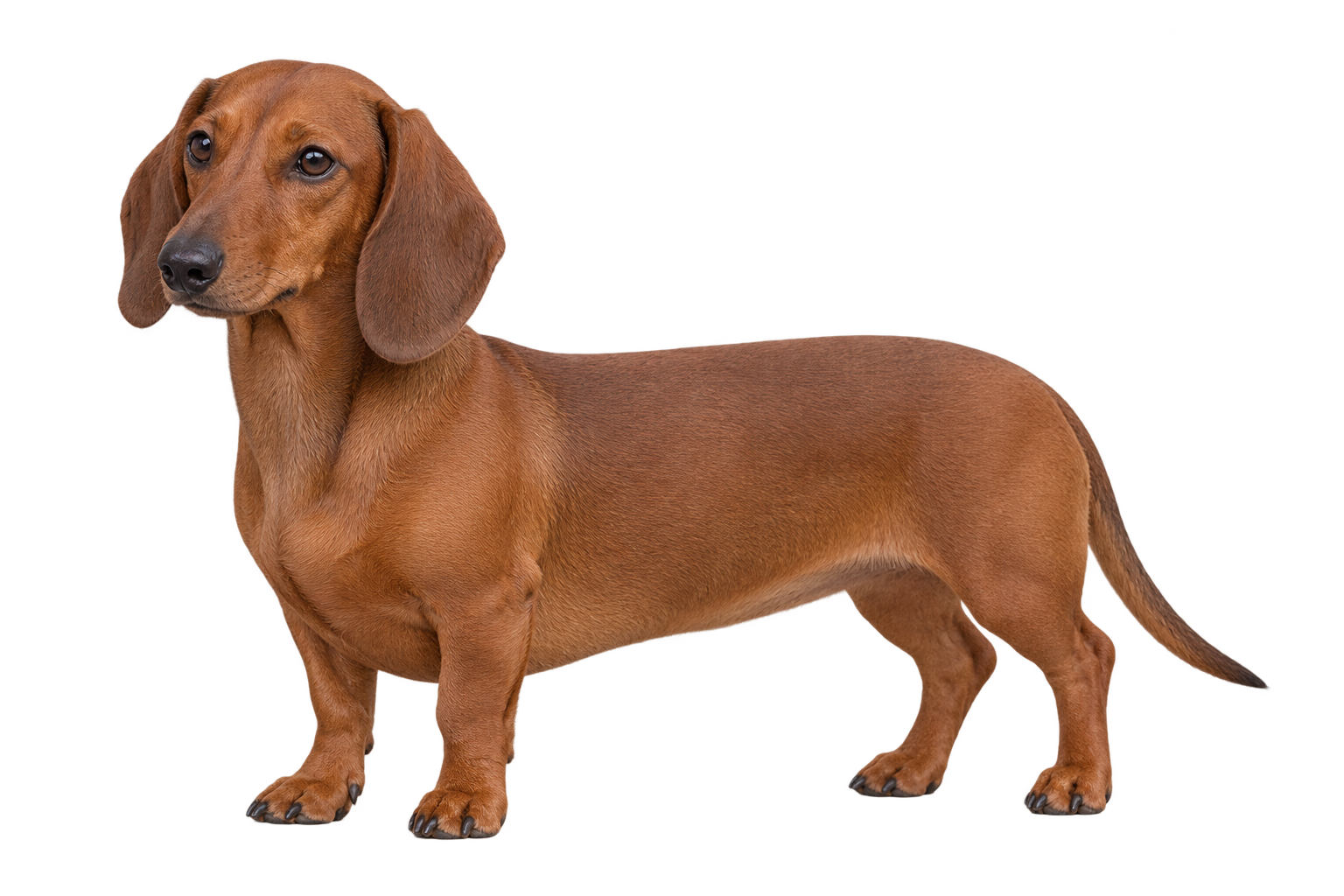
ModerateDachshunds need a daily routine of controlled walks and play to maintain fitness and supporting muscle tone.
BreedCue field profile
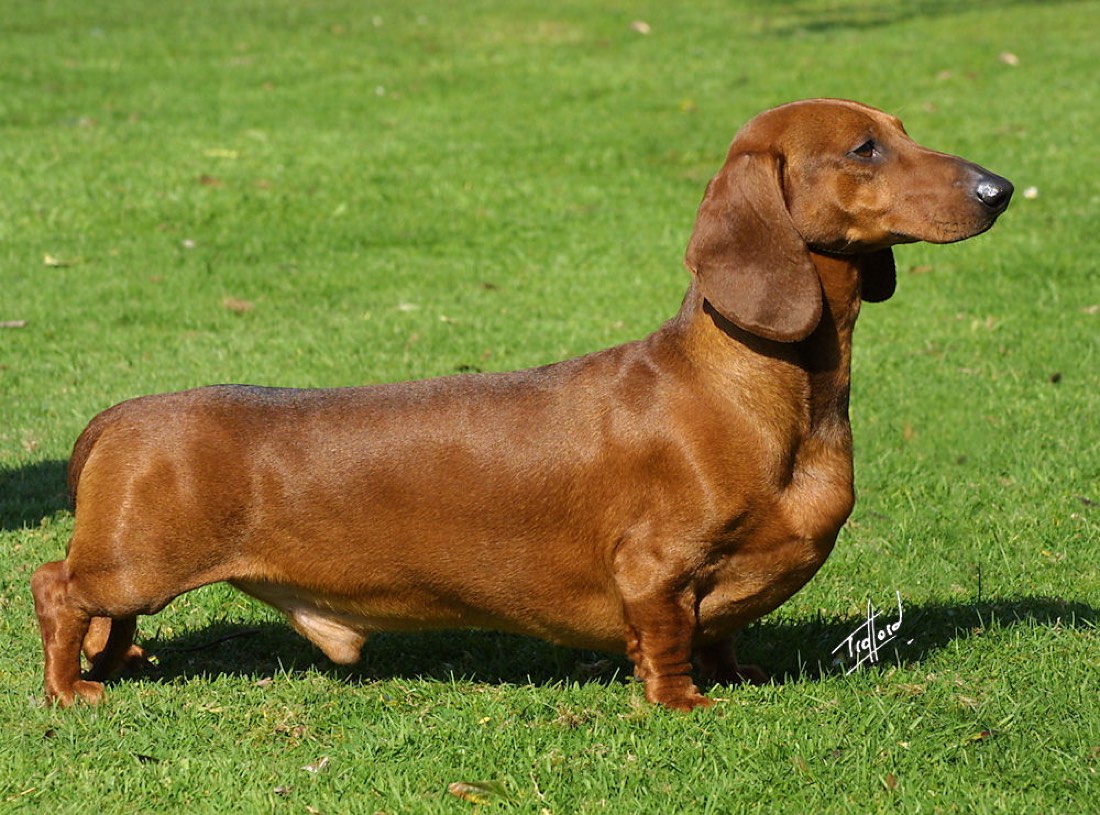
A bold, independent small hound whose long back calls for thoughtful handling and weight control.
At a glance
Levels summarize the strongest applicable evidence currently in BreedCue.
Exercise need
ModerateDachshunds need a daily routine of controlled walks and play to maintain fitness and supporting muscle tone.
Mental stimulation
ModerateRegular activity, positive training, and appropriate outlets for an intelligent hunting dog help keep a Dachshund engaged.
Trainability
ModerateIntelligence supports learning, while independence and persistence require patient, consistent reward-based training.
Handling complexity
HighA Dachshund’s long back requires thoughtful lifelong management. Maintain a healthy weight, provide regular controlled exercise, and reduce repeated jumping from furniture or running on stairs.
People sociability
HighDachshunds are affectionate, playful companion dogs that thrive on human interaction and can be friendly with socialization.
Living with children
ModerateDachshunds can live well in families, but their body shape and temperament make responsible handling and supervision especially important around young children.
Shedding
ModerateDachshunds shed moderately, while the practical grooming routine varies among smooth, longhaired, and wirehaired coats.
Grooming need
ModerateGrooming varies materially among smooth, longhaired, and wirehaired Dachshunds, so coat variety determines the brushing, trimming, or hand-stripping routine.
Barking tendency
HighDachshunds are vigilant and vocal watchdogs, making barking a meaningful household consideration.
Chase drive
Very highA strong prey drive and persistent hunting focus can draw attention away from the owner and toward scents or moving animals.
We have not found strong enough breed-level evidence for these traits yet:
Day to day
A practical reading of the documented tendencies below—not a prediction about every individual dog.
Dachshunds need a daily routine of controlled walks and play to maintain fitness and supporting muscle tone.
Regular activity, positive training, and appropriate outlets for an intelligent hunting dog help keep a Dachshund engaged.
A strong prey drive and persistent hunting focus can draw attention away from the owner and toward scents or moving animals.
New pilot · practical routine preview
See how Dachshund could fit into ordinary mornings, workdays, evenings, care, and training — before you decide.
Next step · practical preparation
Use a private checklist for source questions, home setup, the first week, recurring costs, and warning signs.
Before you decide
A Dachshund’s long back requires thoughtful lifelong management. Maintain a healthy weight, provide regular controlled exercise, and reduce repeated jumping from furniture or running on stairs.
Compare your shortlist
Three nearby alternatives selected from the current catalog. Similar does not mean interchangeable.
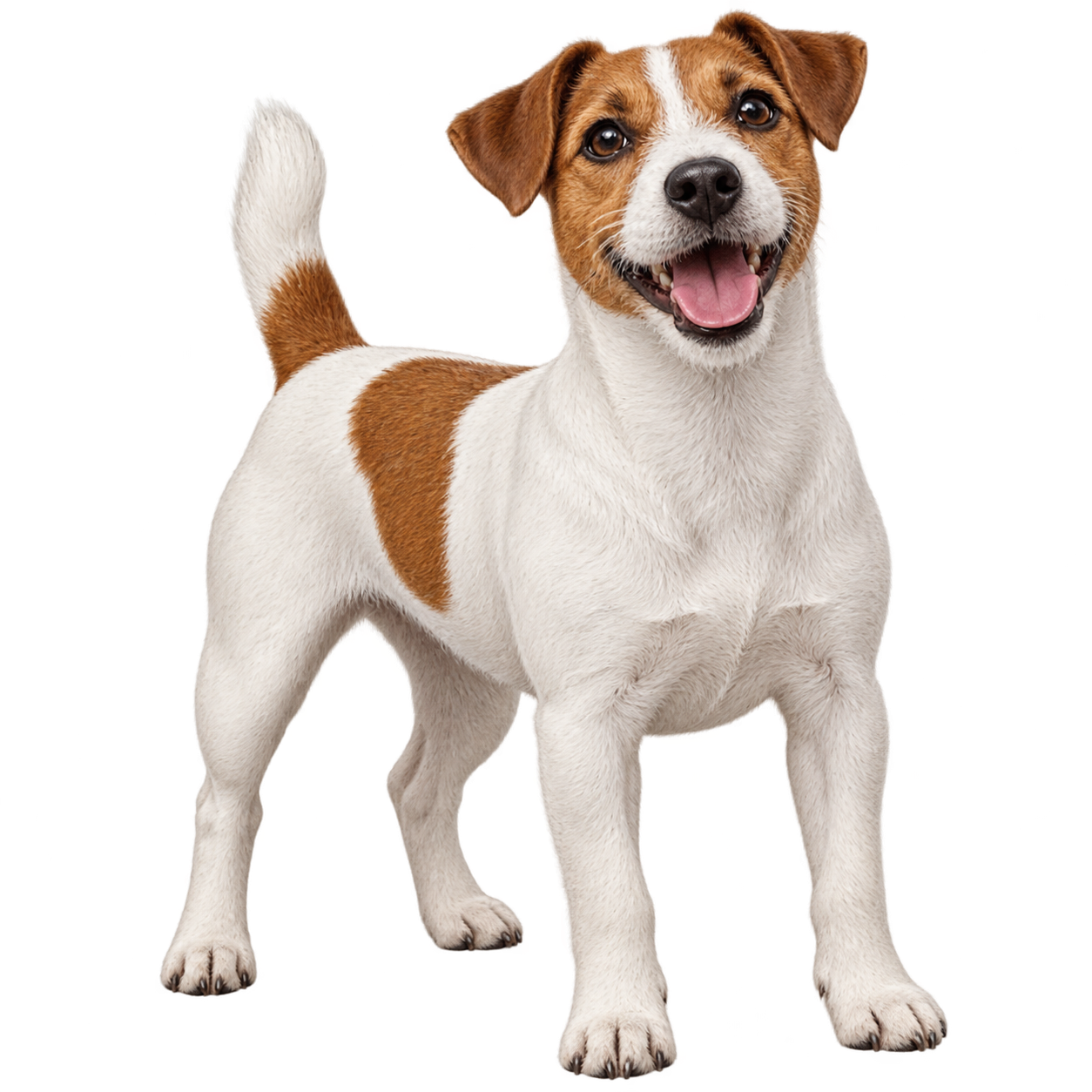 Jack Russell TerrierClosest on handling and sociability; compare the trade-offs.Compare Dachshund vs Jack Russell Terrier →
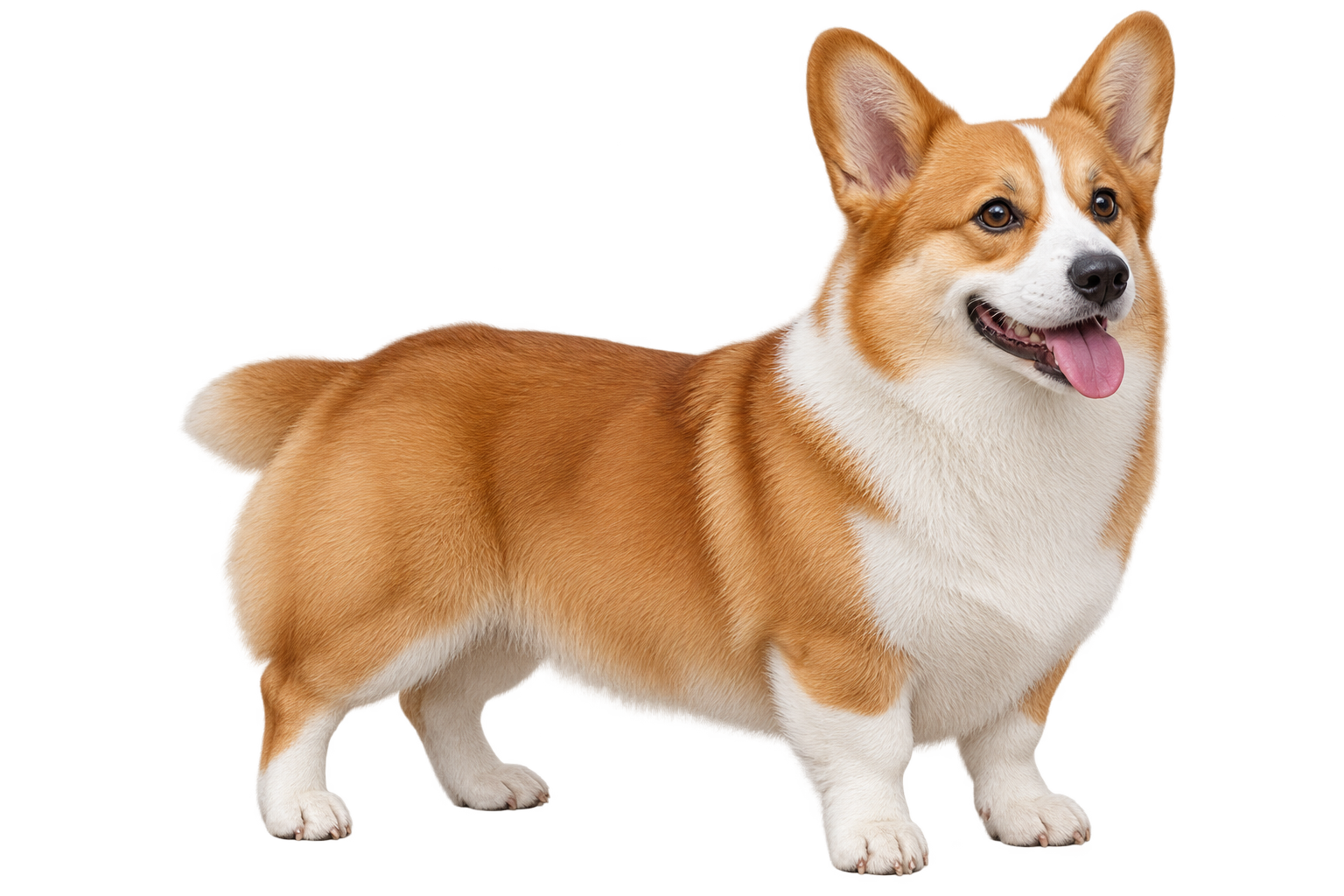 Pembroke Welsh CorgiClosest on exercise and handling; compare the trade-offs.Compare Dachshund vs Pembroke Welsh Corgi →
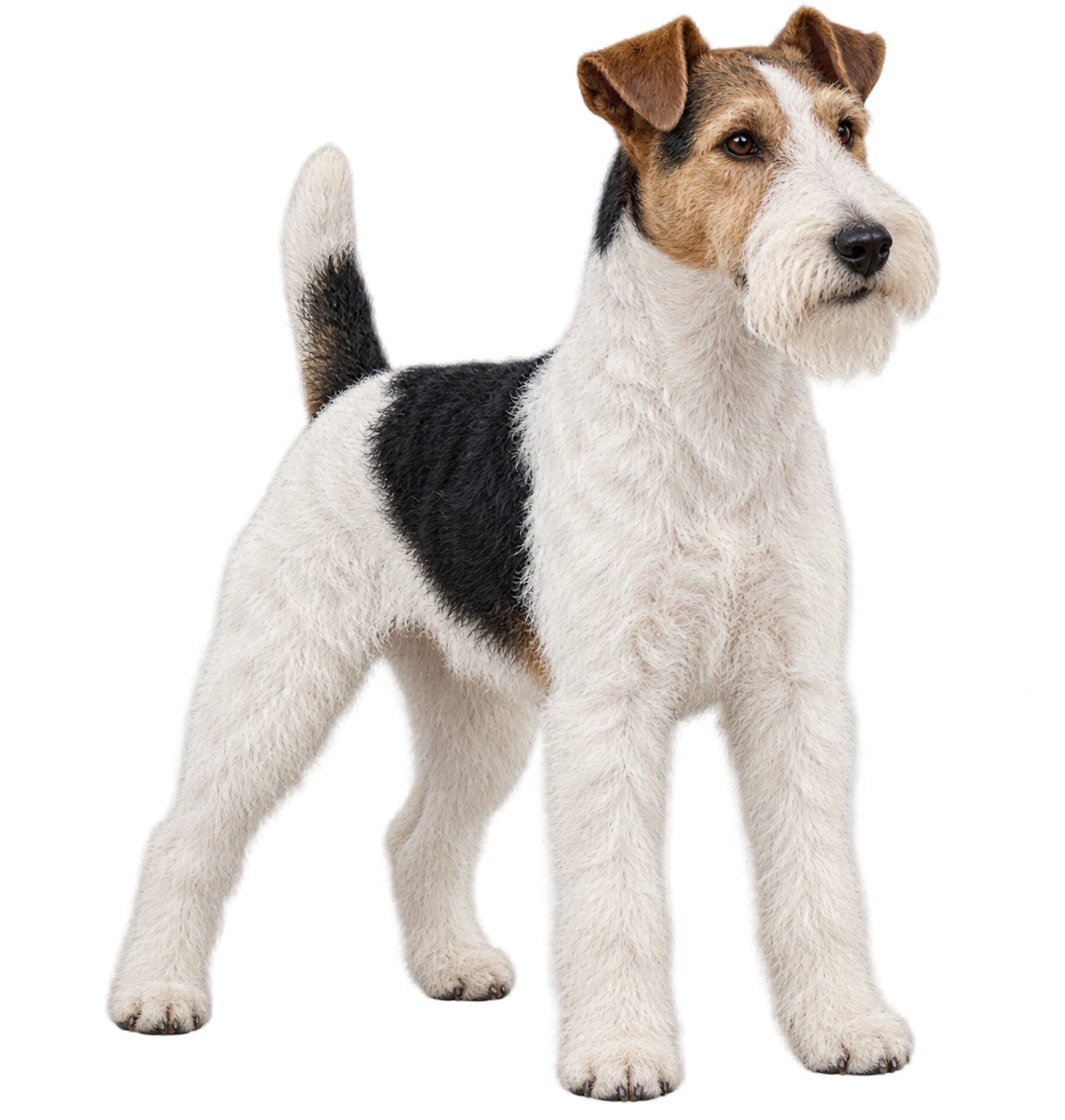 Wire Fox TerrierClosest on handling and sociability; compare the trade-offs.Compare Dachshund vs Wire Fox Terrier →
Transparency
BreedCue favors breed-club, veterinary, welfare, and established kennel-organization sources. Evidence describes breed-level tendencies; individual dogs vary.
Your life matters too
Check this profile against the time, home environment, and trade-offs you can realistically support.