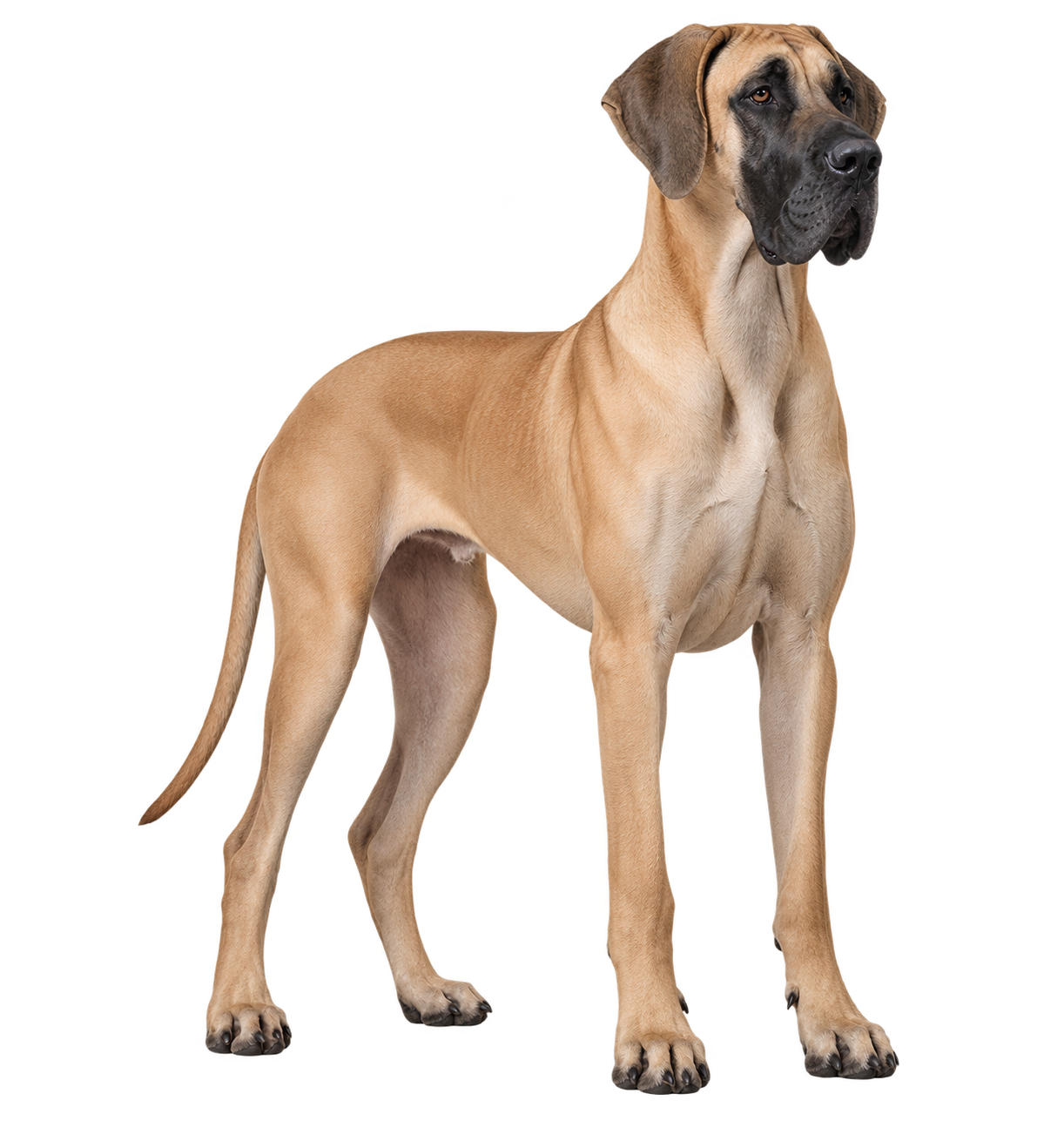
Exercise need
ModerateAdult Great Danes need regular moderate exercise and may enjoy walks, hikes, or jogging when physically mature.
BreedCue field profile
A calm giant companion whose size brings substantial space, cost, and health considerations.
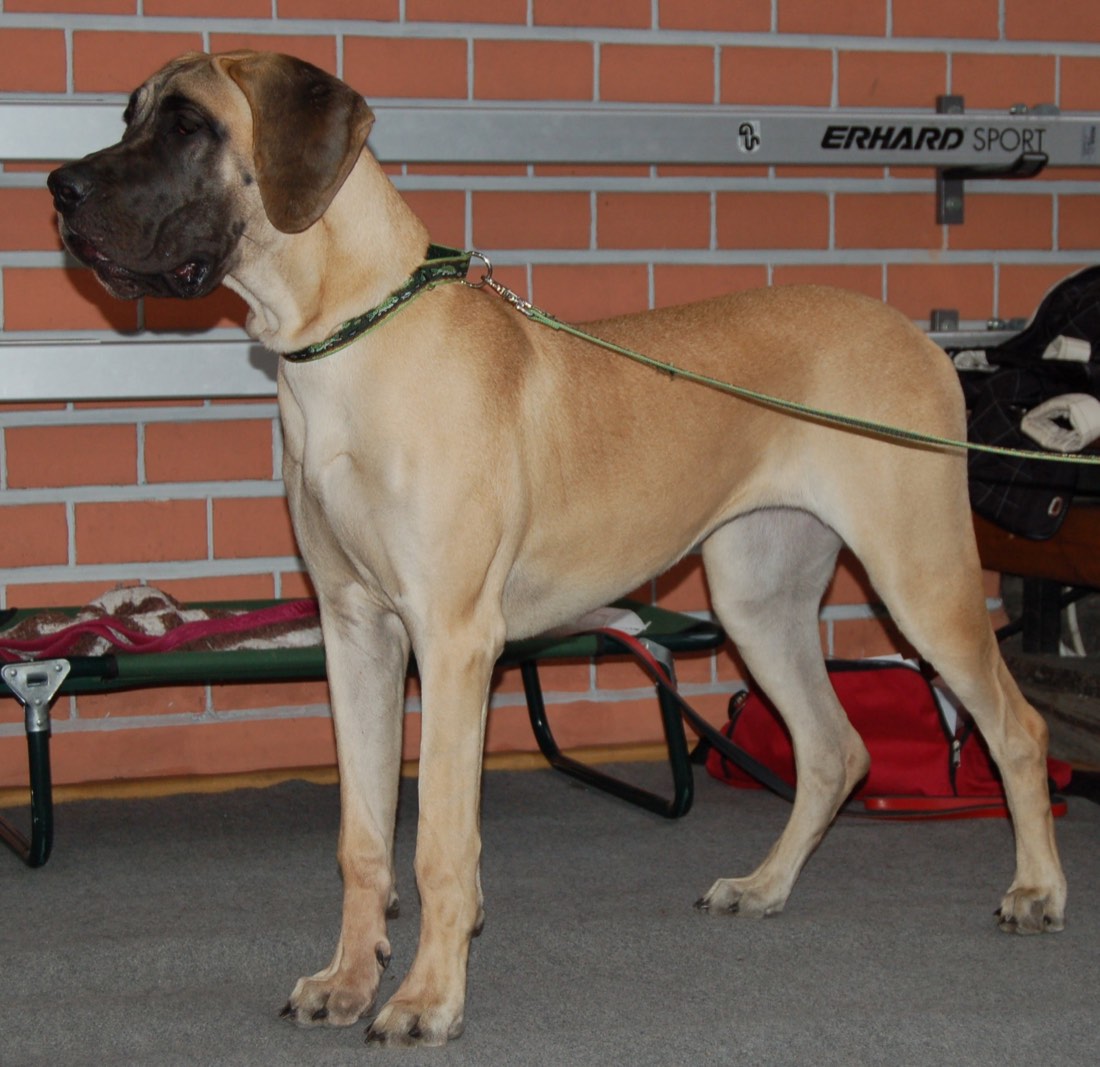
At a glance
Levels summarize the strongest applicable evidence currently in BreedCue.
Exercise need
ModerateAdult Great Danes need regular moderate exercise and may enjoy walks, hikes, or jogging when physically mature.
Mental stimulation
ModerateTraining, socialization, companionship, and suitable activities provide important regular mental engagement.
Trainability
HighGreat Danes are eager to please and generally responsive, but early obedience and socialization are essential because of their size and strength.
Handling complexity
Very highGiant size changes space, transport, equipment, food, veterinary cost, physical handling, training, and age-sensitive exercise requirements.
People sociability
Very highAKC guidance describes Great Danes as friendly, agreeable, devoted dogs that thrive around people and other animals.
Living with children
HighGreat Danes are commonly patient and devoted with children, while sheer size requires supervision and careful household management.
Shedding
ModerateThe short coat sheds modestly through much of the year, but the dog’s large body and seasonal shedding can still produce substantial hair.
Grooming need
LowWeekly brushing, occasional bathing, nail care, and routine maintenance are generally sufficient for the short coat.
We have not found strong enough breed-level evidence for these traits yet:
Day to day
A practical reading of the documented tendencies below—not a prediction about every individual dog.
Adult Great Danes need regular moderate exercise and may enjoy walks, hikes, or jogging when physically mature.
Training, socialization, companionship, and suitable activities provide important regular mental engagement.
Giant size changes space, transport, equipment, food, veterinary cost, physical handling, training, and age-sensitive exercise requirements.
Before you decide
Great Danes have a serious risk of gastric dilatation-volvulus (bloat) and important inherited health concerns. Learn the emergency signs, discuss prevention with a veterinarian, and ask breeders for hip, heart, thyroid, and eye screening.
Compare your shortlist
Three nearby alternatives selected from the current catalog. Similar does not mean interchangeable.
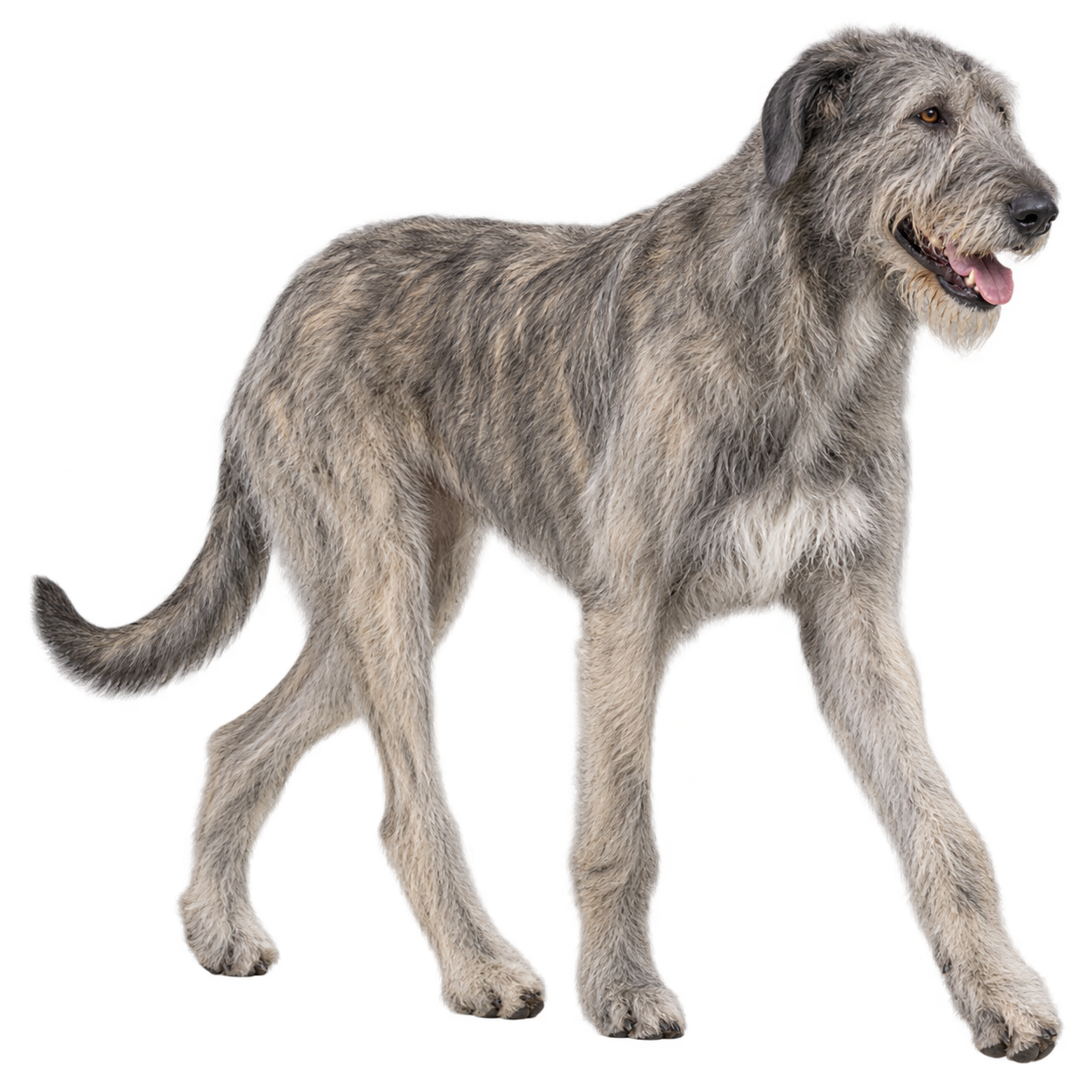 Irish WolfhoundClosest on exercise and mental stimulation; compare the trade-offs.Compare Great Dane vs Irish Wolfhound →
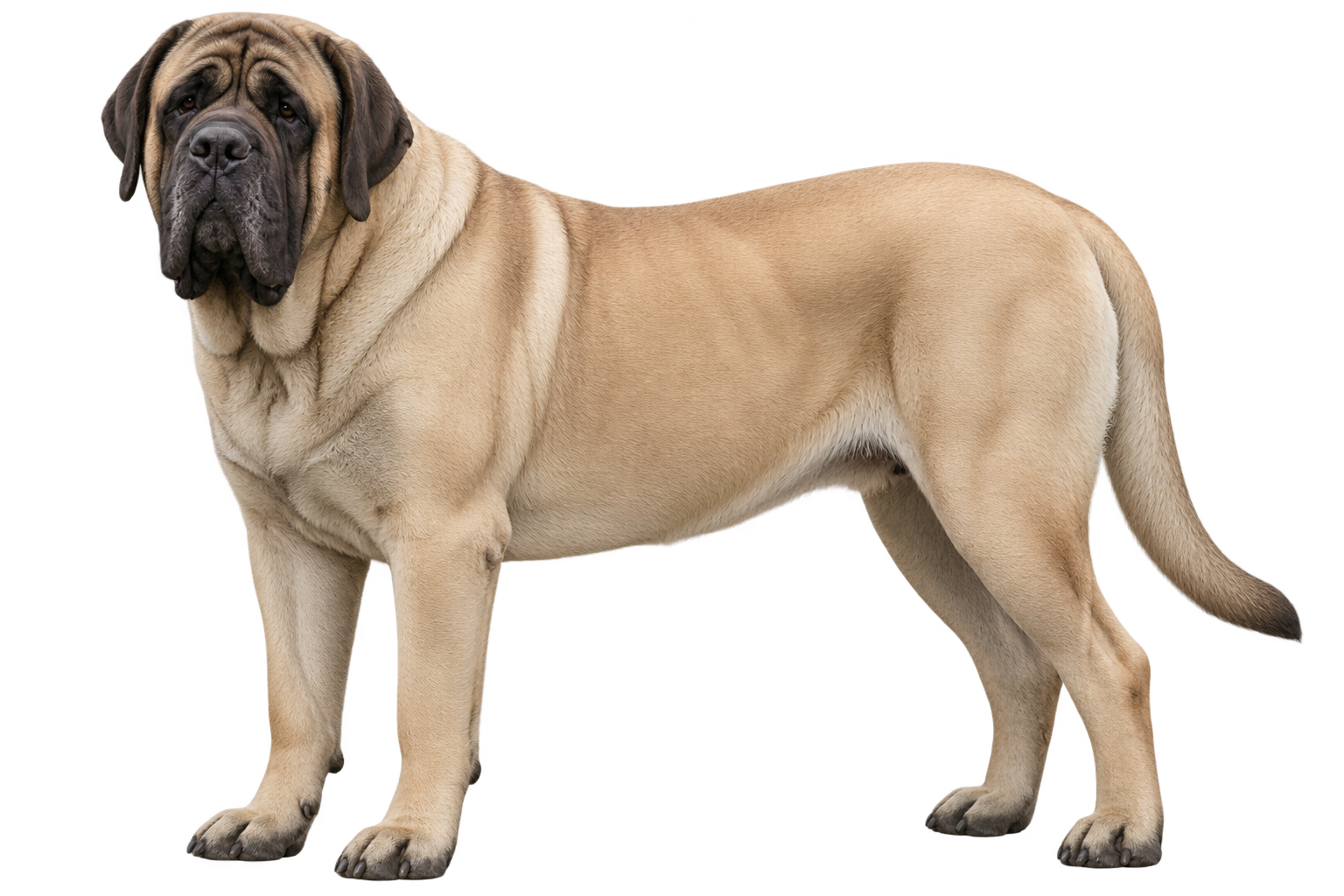 MastiffClosest on mental stimulation and handling; compare the trade-offs.Compare Great Dane vs Mastiff →
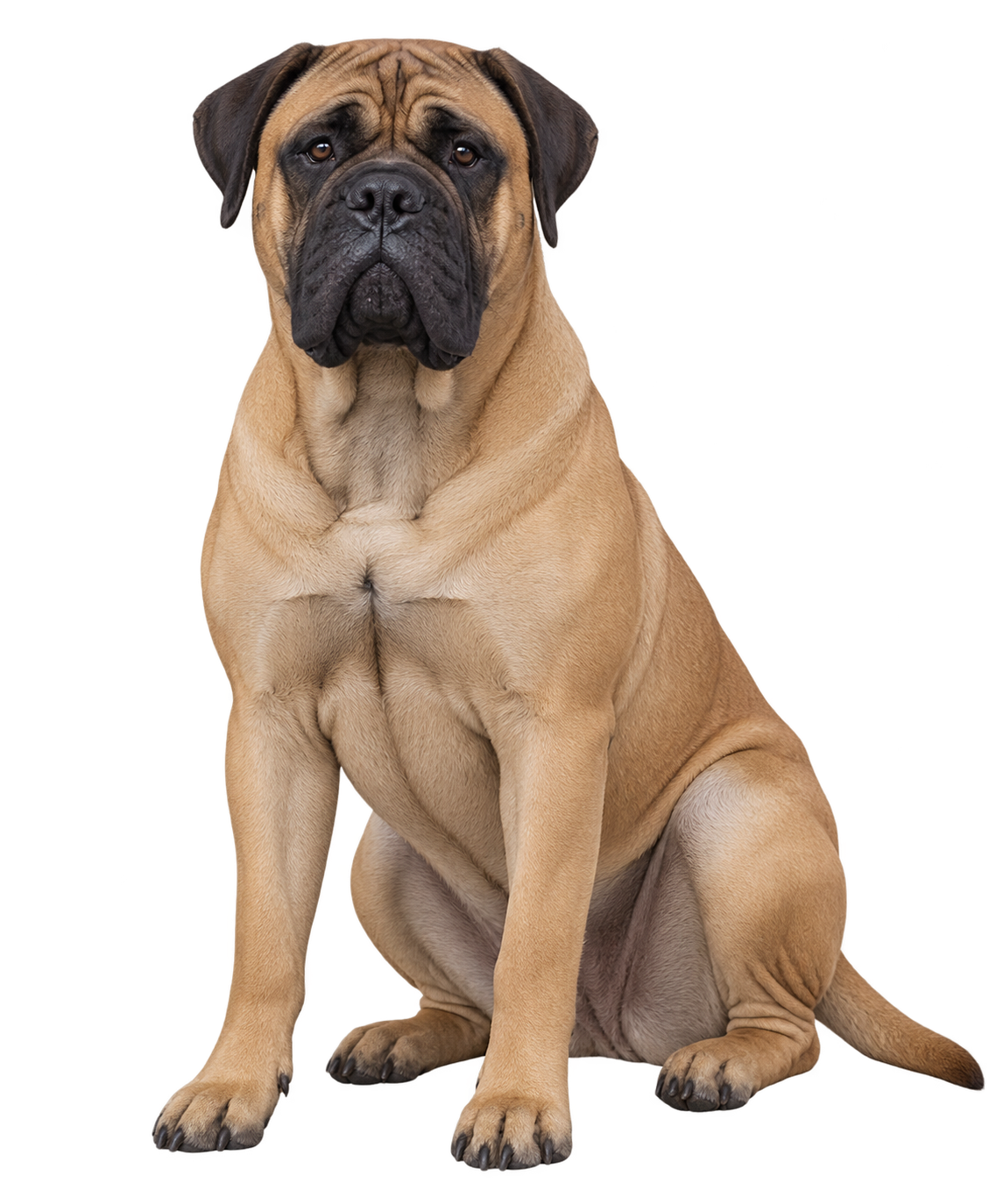 BullmastiffClosest on exercise and mental stimulation; compare the trade-offs.Compare Great Dane vs Bullmastiff →
Transparency
BreedCue favors breed-club, veterinary, welfare, and established kennel-organization sources. Evidence describes breed-level tendencies; individual dogs vary.
Your life matters too
Check this profile against the time, home environment, and trade-offs you can realistically support.