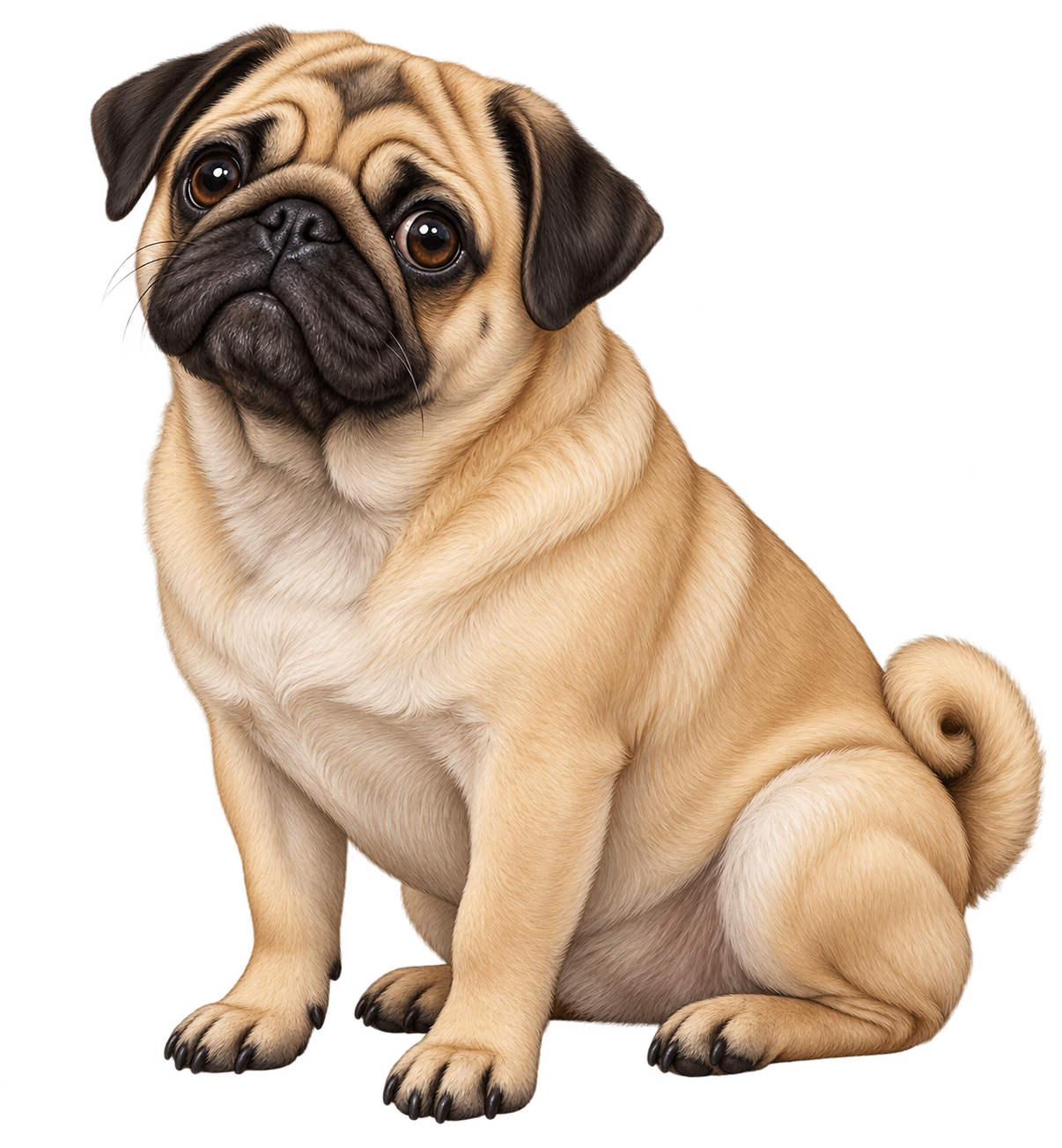
Exercise need
ModerateModerate daily exercise can suit a Pug, while strenuous activity in hot or humid weather should be avoided.
BreedCue field profile
An affectionate, easygoing companion whose flat face requires serious heat and breathing awareness.
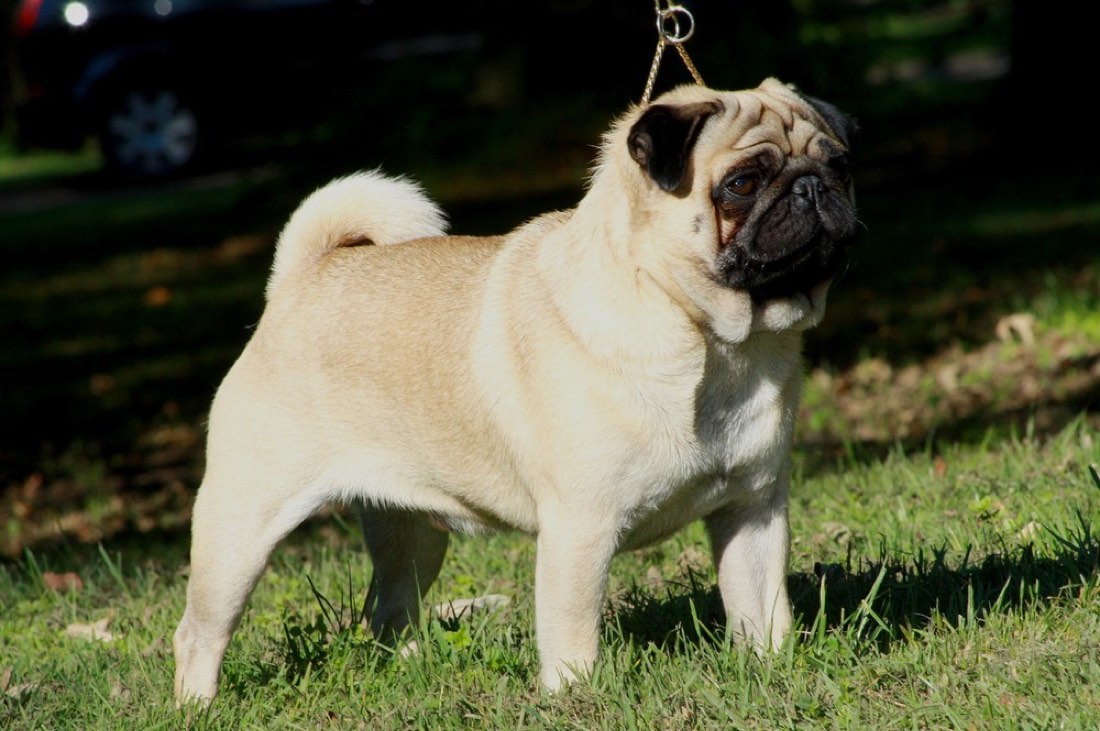
At a glance
Levels summarize the strongest applicable evidence currently in BreedCue.
Exercise need
ModerateModerate daily exercise can suit a Pug, while strenuous activity in hot or humid weather should be avoided.
Mental stimulation
ModerateShort reward-based training, play, and close social interaction provide appropriate enrichment without relying on strenuous exercise.
Trainability
HighCompanion-bred and eager to please, Pugs usually respond well to gentle positive training.
Handling complexity
HighOwners must manage breathing, heat, weight, and routine veterinary care.
People sociability
Very highFriendly, even-tempered, playful, and outgoing companion temperament.
Living with children
HighPugs are described as adaptable family companions that are generally good with children.
Shedding
ModerateThe short coat is easy to groom but commonly sheds.
Grooming need
LowShort coat needs modest grooming, with attention to skin folds.
Hot-climate tolerance
Very lowBrachycephalic structure makes heat and humidity a meaningful safety concern.
We have not found strong enough breed-level evidence for these traits yet:
Day to day
A practical reading of the documented tendencies below—not a prediction about every individual dog.
Moderate daily exercise can suit a Pug, while strenuous activity in hot or humid weather should be avoided.
Short reward-based training, play, and close social interaction provide appropriate enrichment without relying on strenuous exercise.
Owners must manage breathing, heat, weight, and routine veterinary care.
Pilot · quick answers
Direct answers from the same documented adult breed tendencies used throughout BreedCue. Individual dogs still vary.
How much exercise does Pug need?
Could Pug suit apartment living?
Is Pug a reasonable first dog?
Does Pug shed heavily?
What does the evidence say about Pug and children?
What might people underestimate about Pug?
Before you decide
Brachycephalic structure makes heat and humidity a meaningful safety concern.
Compare your shortlist
Three nearby alternatives selected from the current catalog. Similar does not mean interchangeable.
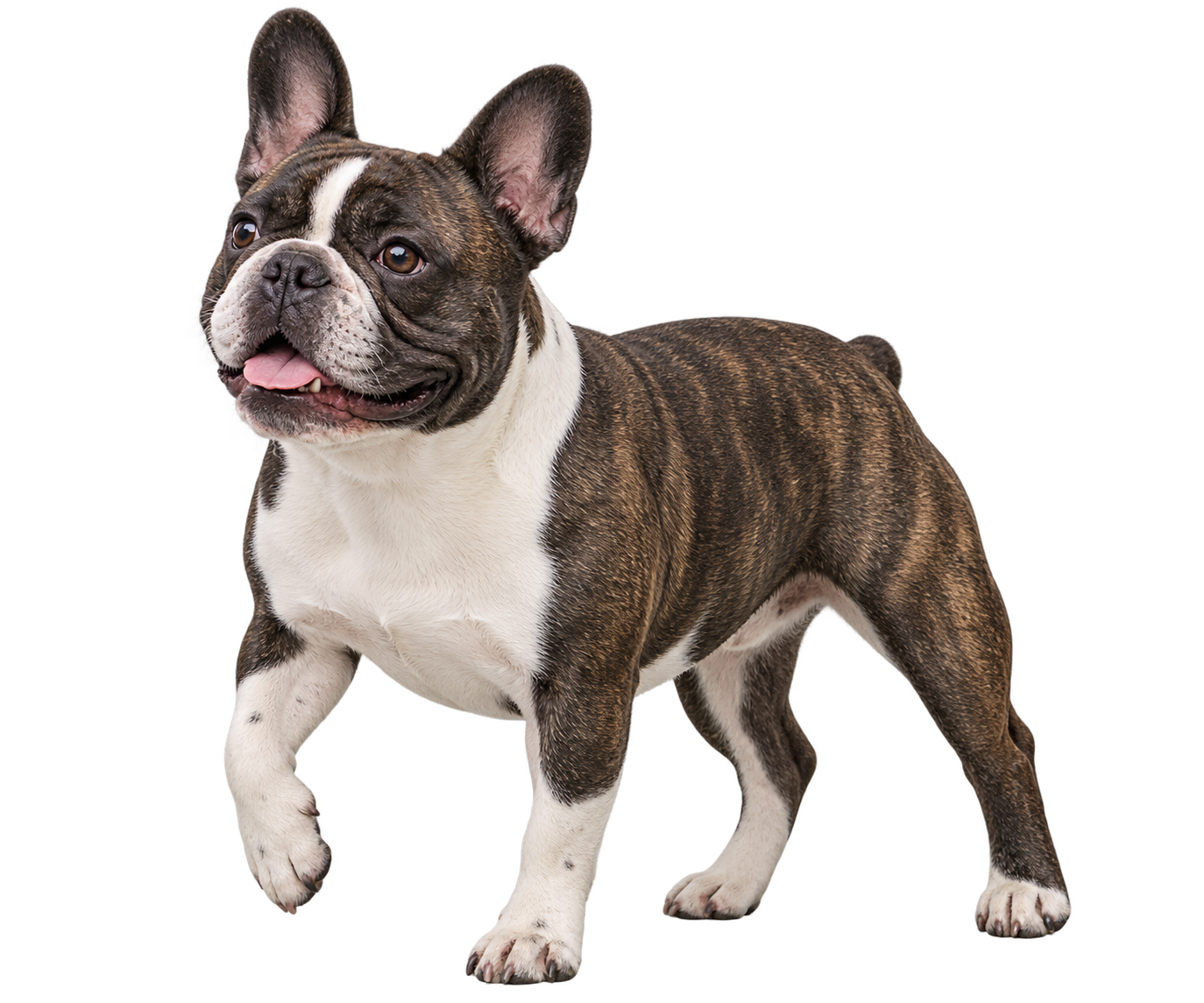 French BulldogClosest on sociability and family fit; compare the trade-offs.Compare Pug vs French Bulldog →
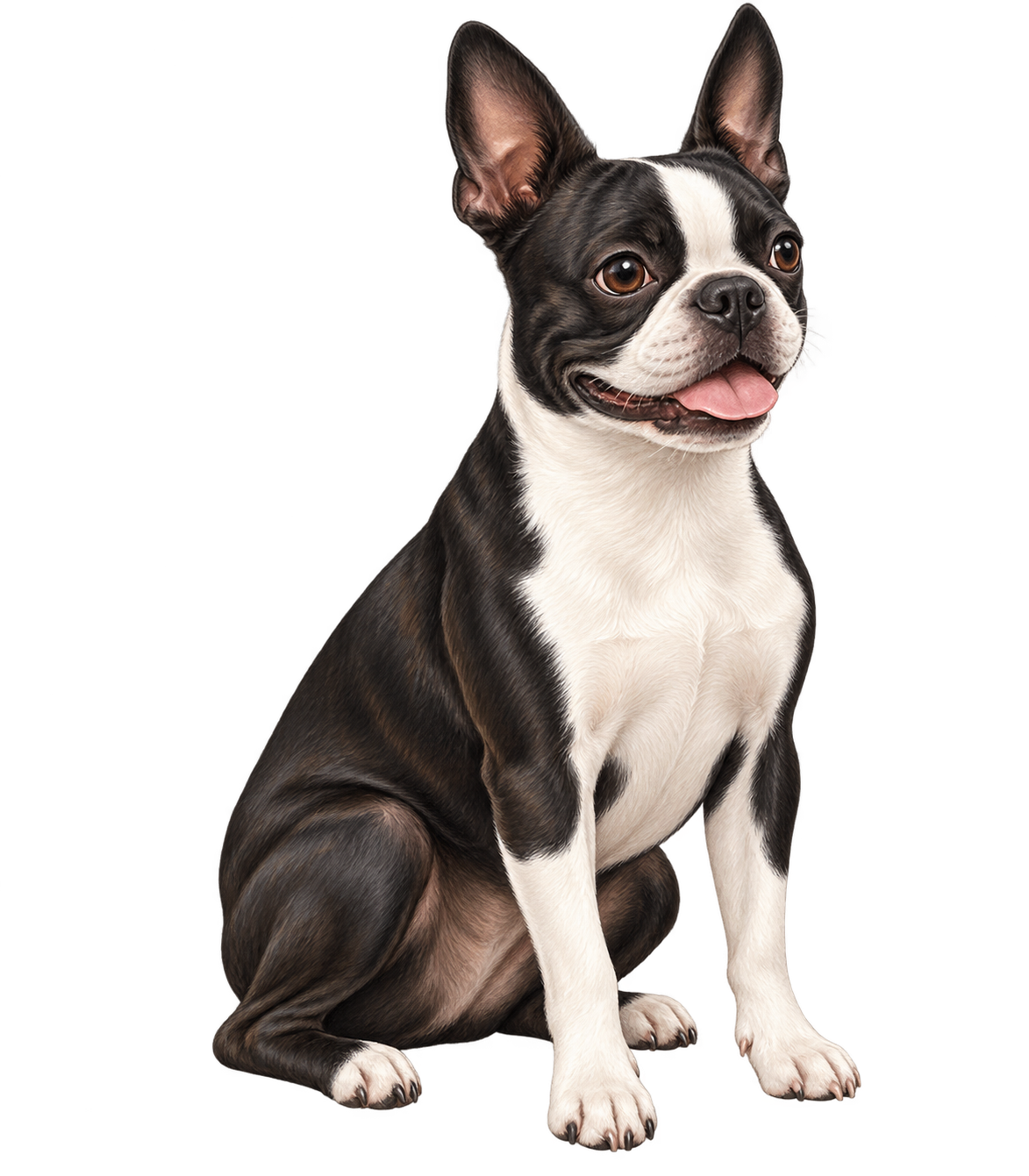 Boston TerrierClosest on exercise and mental stimulation; compare the trade-offs.Compare Pug vs Boston Terrier →
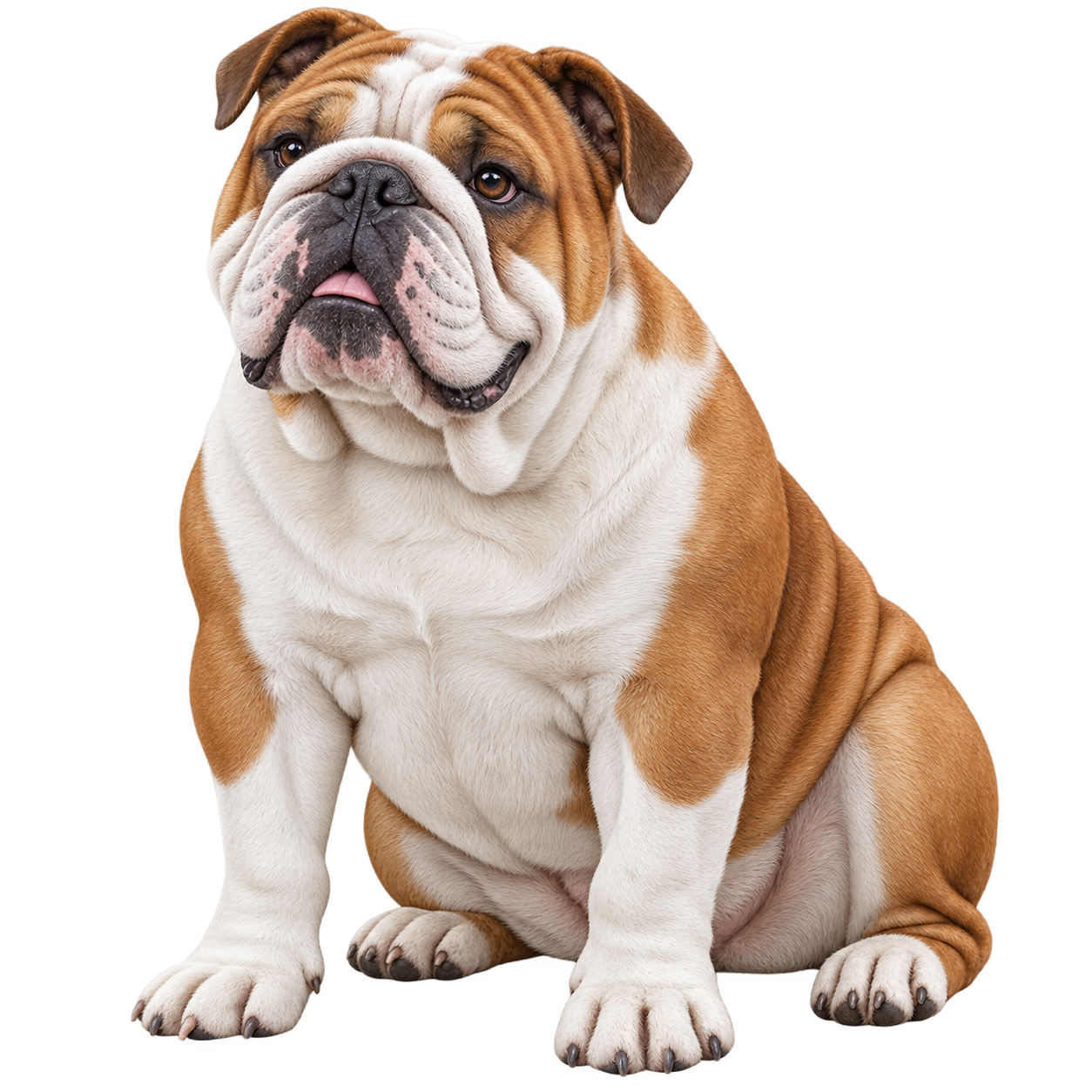 BulldogClosest on mental stimulation and family fit; compare the trade-offs.Compare Pug vs Bulldog →
Transparency
BreedCue favors breed-club, veterinary, welfare, and established kennel-organization sources. Evidence describes breed-level tendencies; individual dogs vary.
Your life matters too
Check this profile against the time, home environment, and trade-offs you can realistically support.