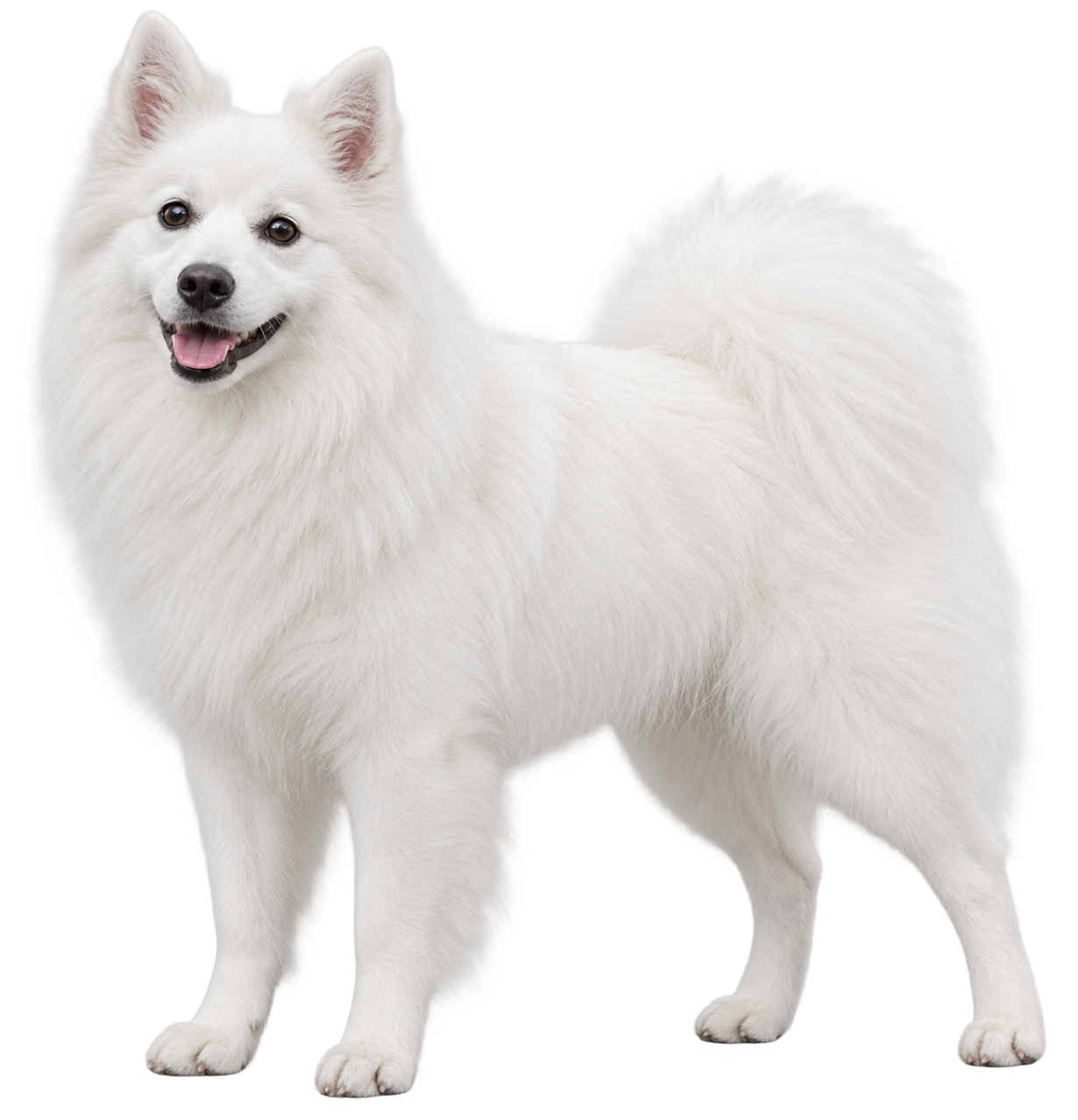
American Eskimo Dog
A bright, alert companion spitz whose quick learning, watchdog voice, and abundant white coat need regular outlets and care.
Open breed profile →Evidence-backed comparison
See where their everyday needs align, where they differ, and which practical trade-offs deserve a closer look.
A bright, alert companion spitz whose quick learning, watchdog voice, and abundant white coat need regular outlets and care.
Open breed profile →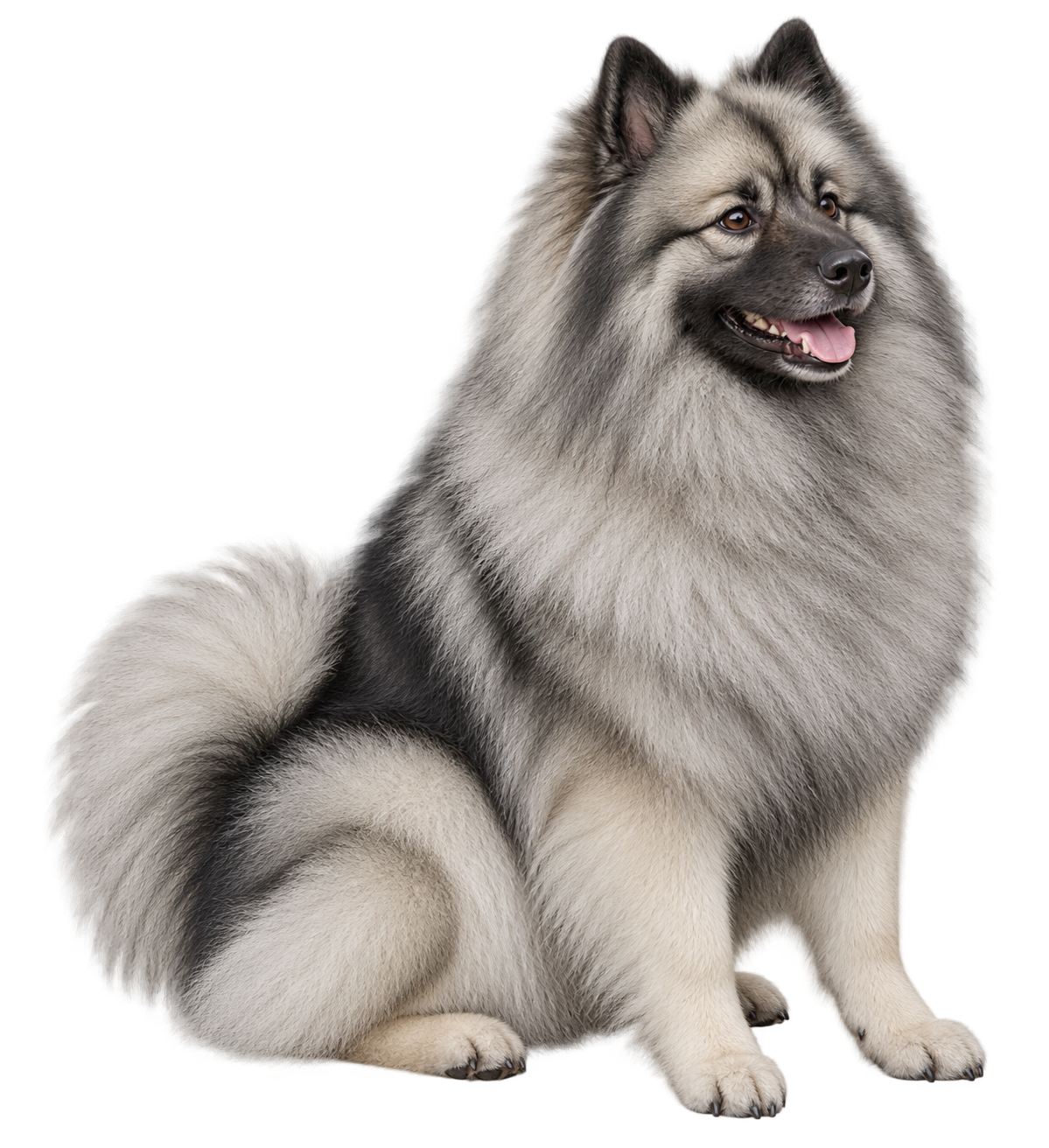
A sociable, alert medium spitz with a conspicuous voice, close family attachment, and a dense coat that sheds heavily.
Open breed profile →The clearest contrasts
Regular brisk exercise and active play suit this agile companion spitz.
Regular walks and play suit this active but adaptable medium spitz.
The breed learns tasks quickly and is commonly eager to work with people.
Responsiveness and close attention to people support consistent reward-based training.
Friendly family attachment is typical, with some reserve during new introductions.
The breed is notably people-oriented and typically wants to participate in family life.
The abundant double coat sheds and needs routine hair management.
The abundant double coat sheds heavily, especially during seasonal coat changes.
Common ground
A quick, clever mind benefits from frequent training and problem-solving.
Training and family involvement help engage an intelligent, alert dog.
Trainability helps, while alertness, voice, energy, and coat still require routine management.
Sociability helps daily life, while voice and a dense coat add recurring management.
An engaged, playful temperament can suit considerate family life with supervision.
A friendly companion temperament can work well in supervised family settings.
Regular brushing is needed to maintain the dense white double coat.
Thorough regular brushing is needed to manage the dense double coat.
Watchdog alertness can create frequent announcement barking without training.
Watchdog heritage and alertness can make the breed conspicuously vocal.
The dense double coat calls for conservative exercise and cooling in warm weather.
A heavy double coat calls for conservative activity and cooling in warm weather.
Before you decide
Keep exploring
See how either breed compares with another realistic alternative.
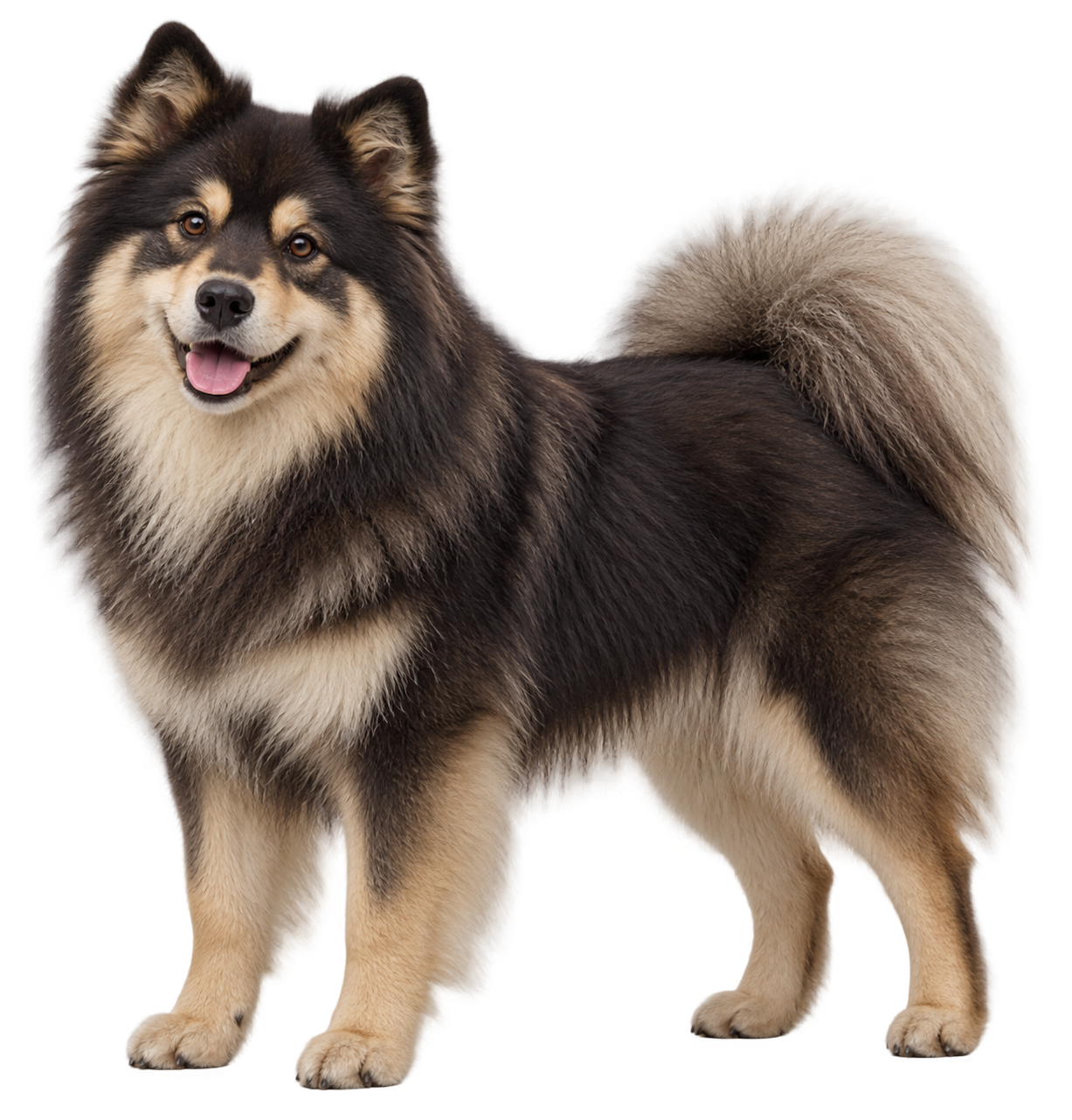 Finnish Lapphund vs KeeshondNorthern companionship, exercise, voice, shedding, and warm-weather management.Compare →
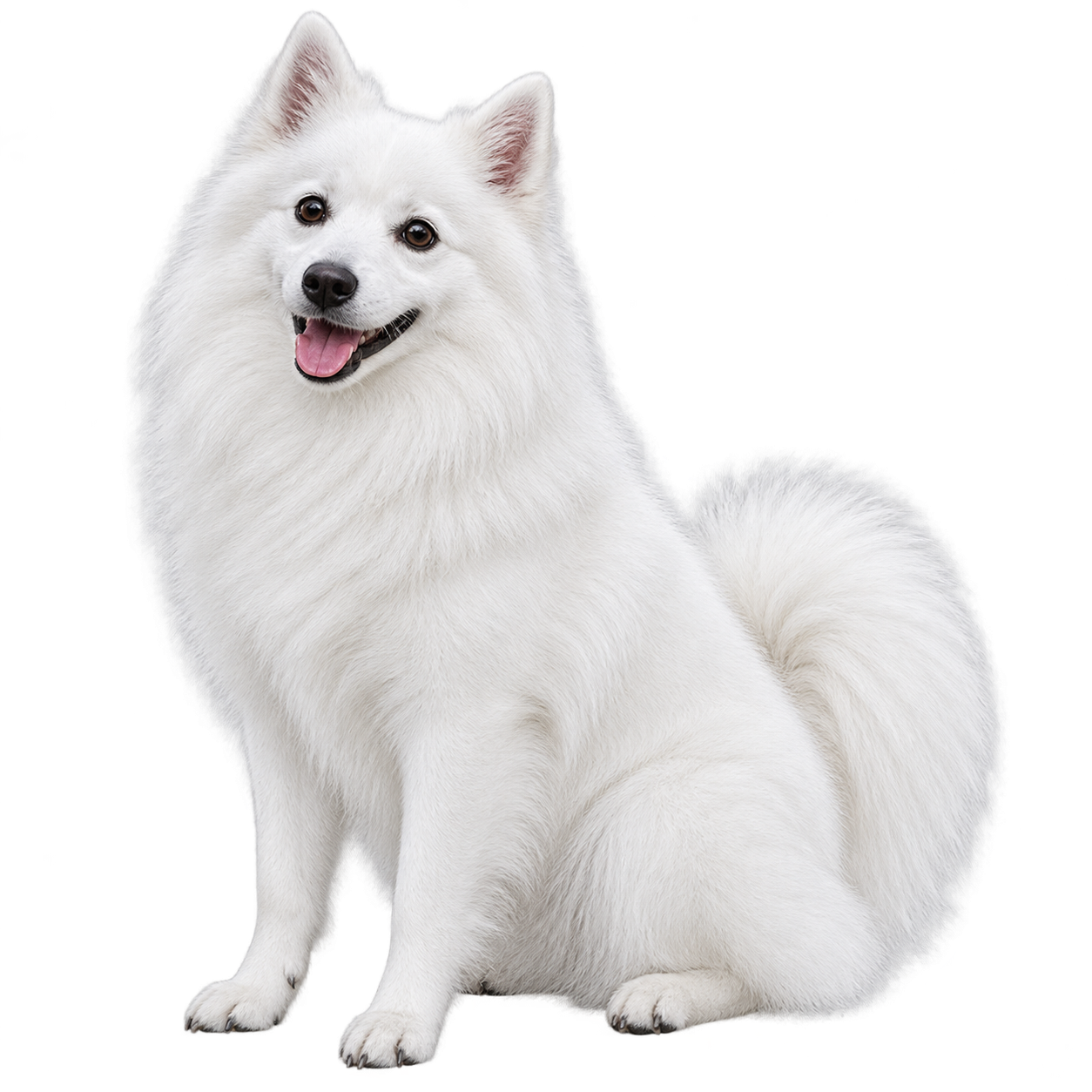 Japanese Spitz vs American Eskimo DogWhite companion-spitz activity, training, alerting, shedding, and warm-weather care.Compare →
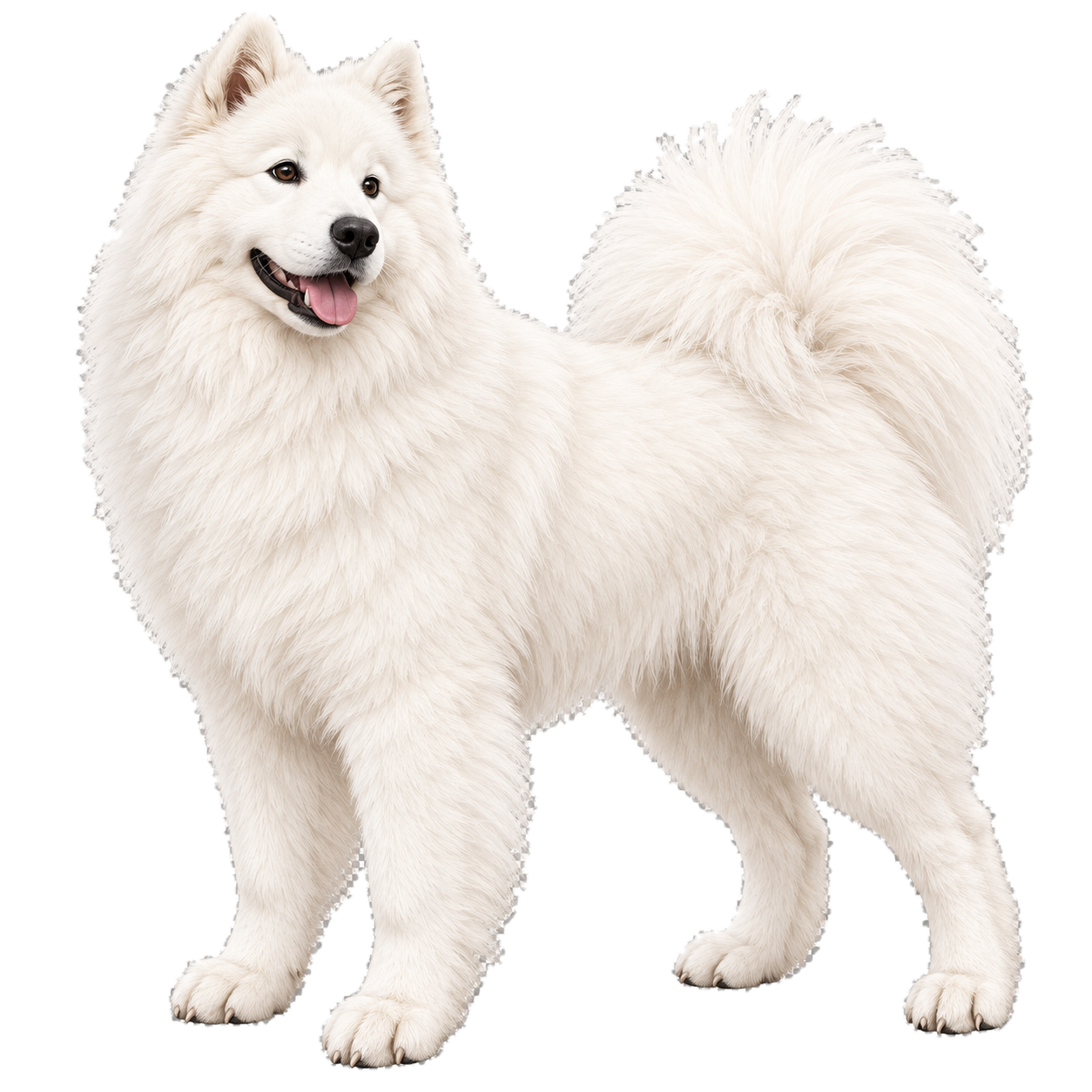 Keeshond vs SamoyedSpitz sociability, voice, exercise, shedding, and warm-weather management.Compare →
Your routine matters
Breed-level tendencies are a starting point. Check them against your own time, home, and constraints.