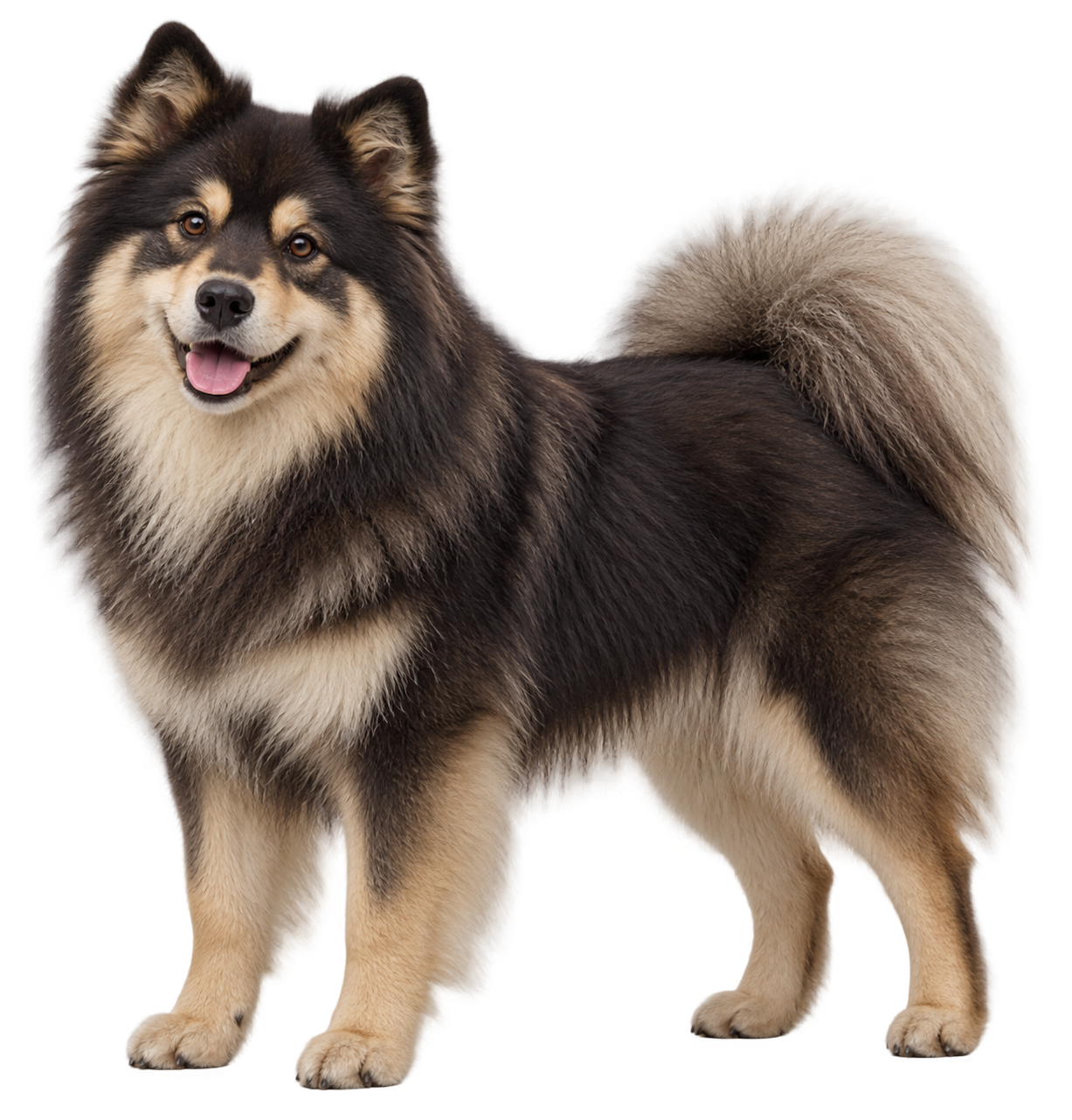
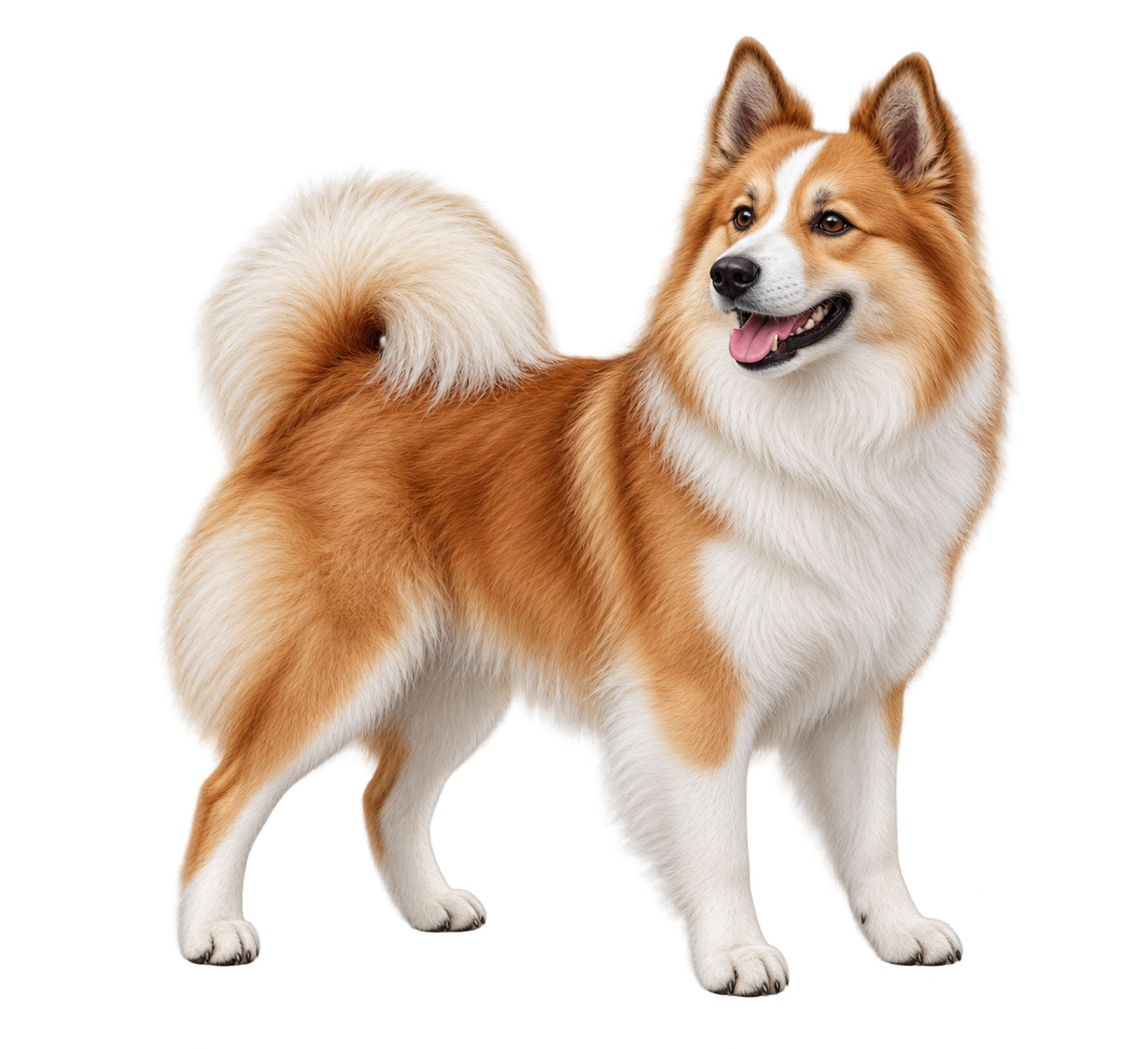
Finnish Lapphund
A friendly Arctic herder with an adaptable nature, an alert voice, and a profuse weatherproof coat made for colder conditions.
Open breed profile →Evidence-backed comparison
Both are sociable, vocal, double-coated spitz breeds that need regular grooming, patient training, and careful heat management. A Finnish Lapphund may suit someone seeking a more active herding companion, while a Keeshond may suit someone prioritizing close household companionship and somewhat lighter exercise; individual temperament and breeding line still matter.
A friendly Arctic herder with an adaptable nature, an alert voice, and a profuse weatherproof coat made for colder conditions.
Open breed profile →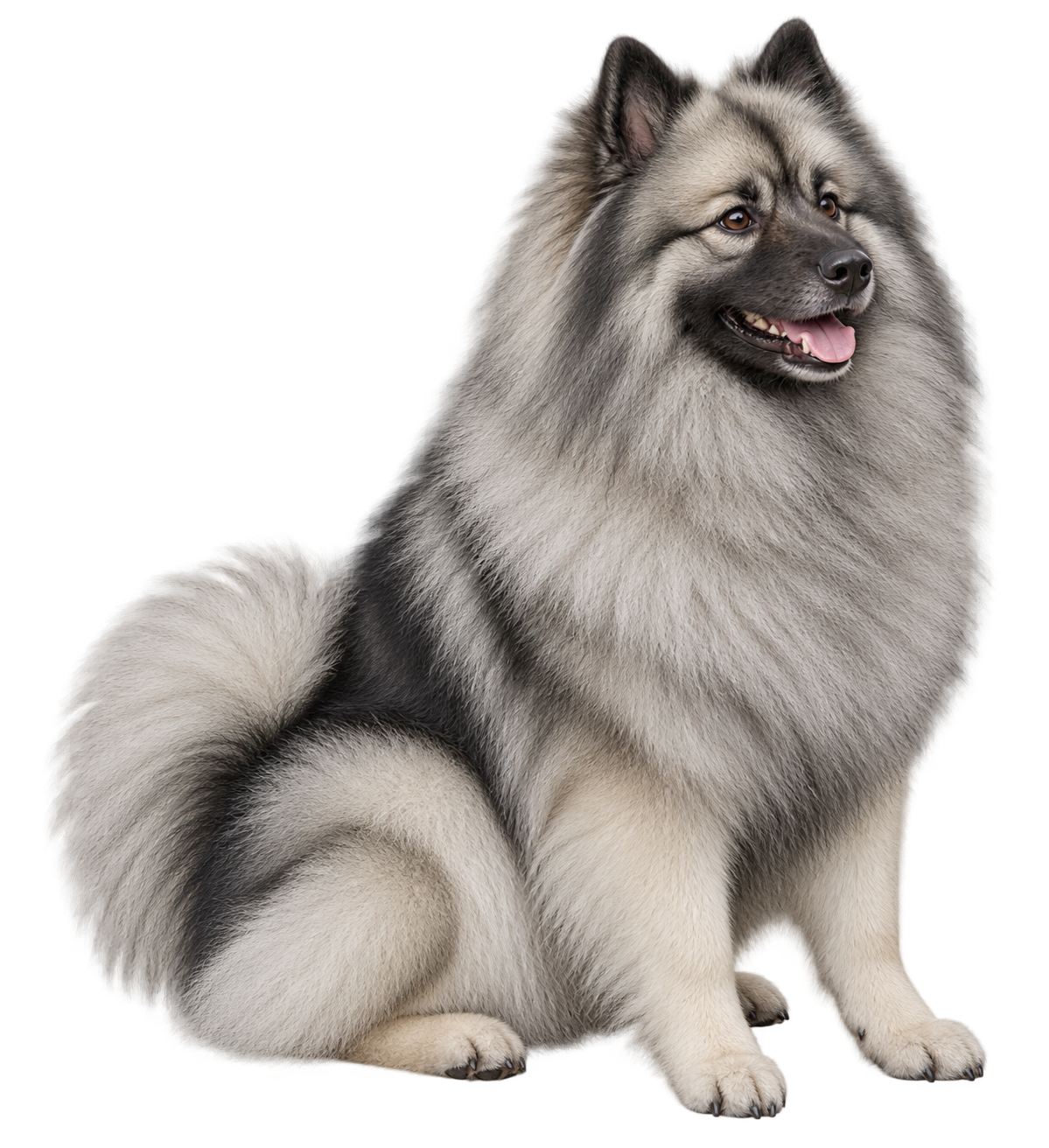
A sociable, alert medium spitz with a conspicuous voice, close family attachment, and a dense coat that sheds heavily.
Open breed profile →A practical first cut
These are breed-level tendencies, not a promise about an individual dog.
You want a friendly, cooperative northern herder and can provide high daily activity, varied training, regular brushing, and careful warm-weather management.
You prefer a people-oriented companion with more moderate exercise needs and are still prepared for alert barking, close family involvement, heavy shedding, and dense-coat care.
You need a quiet or low-shedding dog, or cannot plan cooling, hydration, and adjusted exercise for a profuse double coat in warm weather.
The clearest contrasts
Daily walks, play, and active outings suit this capable reindeer herder.
Regular walks and play suit this active but adaptable medium spitz.
Common ground
Training and varied activities help engage an intelligent working background.
Training and family involvement help engage an intelligent, alert dog.
An empathetic, people-oriented temperament generally supports cooperative training.
Responsiveness and close attention to people support consistent reward-based training.
Friendliness helps daily life, while voice, activity, shedding, and heat management need planning.
Sociability helps daily life, while voice and a dense coat add recurring management.
The breed is notably friendly and tends to value close companionship.
The breed is notably people-oriented and typically wants to participate in family life.
A friendly, responsive temperament can suit considerate family life with supervision.
A friendly companion temperament can work well in supervised family settings.
The profuse Arctic double coat sheds heavily, especially during seasonal coat changes.
The abundant double coat sheds heavily, especially during seasonal coat changes.
Regular thorough brushing is needed to manage the dense weatherproof coat.
Thorough regular brushing is needed to manage the dense double coat.
Herding history and alertness are commonly accompanied by a ready voice.
Watchdog heritage and alertness can make the breed conspicuously vocal.
The Arctic coat requires shade, cooling, hydration, and adjusted exercise in warm climates.
A heavy double coat calls for conservative activity and cooling in warm weather.
Before you decide
Keep exploring
See how either breed compares with another realistic alternative.
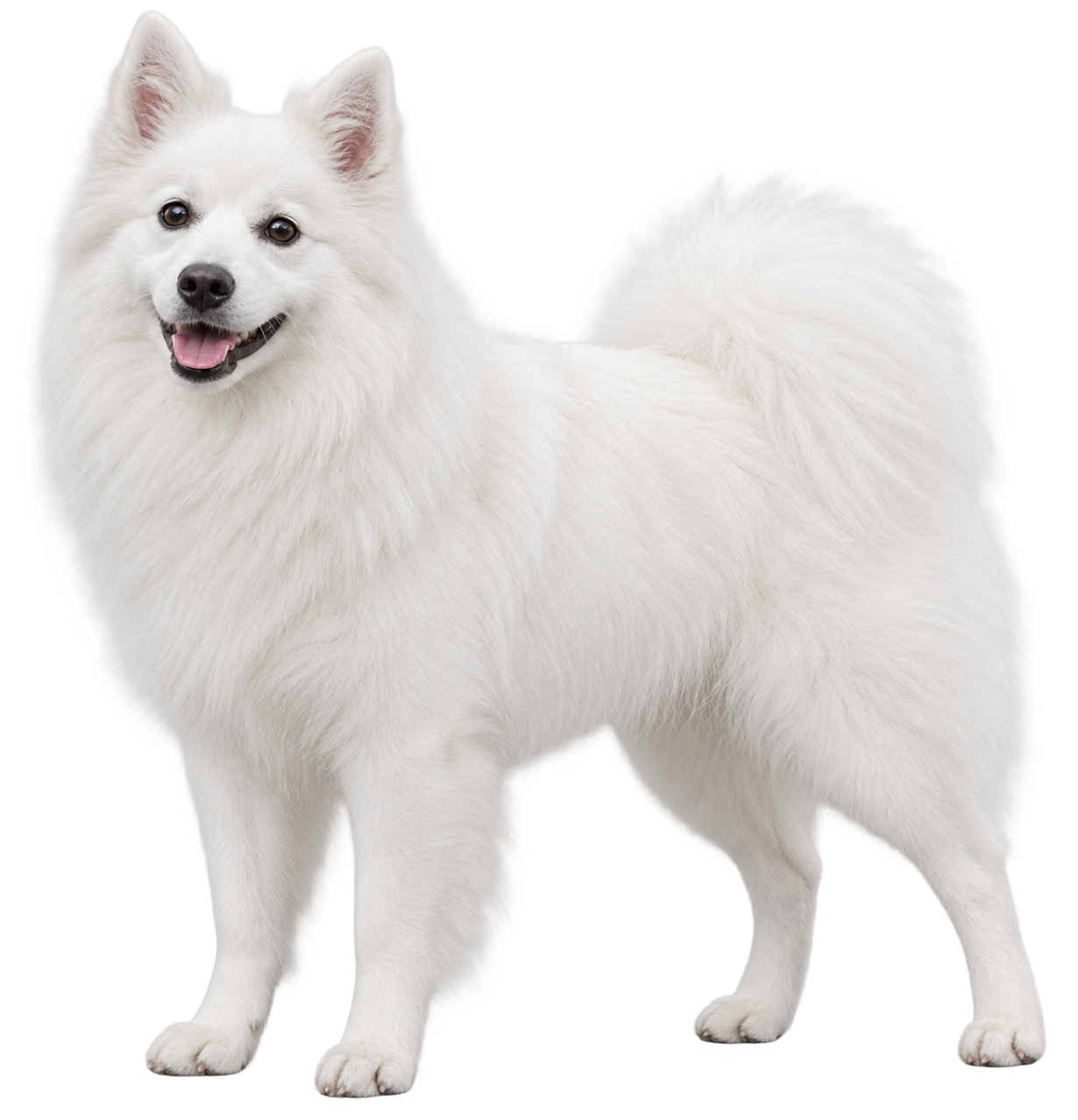 American Eskimo Dog vs KeeshondCompanion-spitz trainability, voice, activity, shedding, and coat care.Compare →
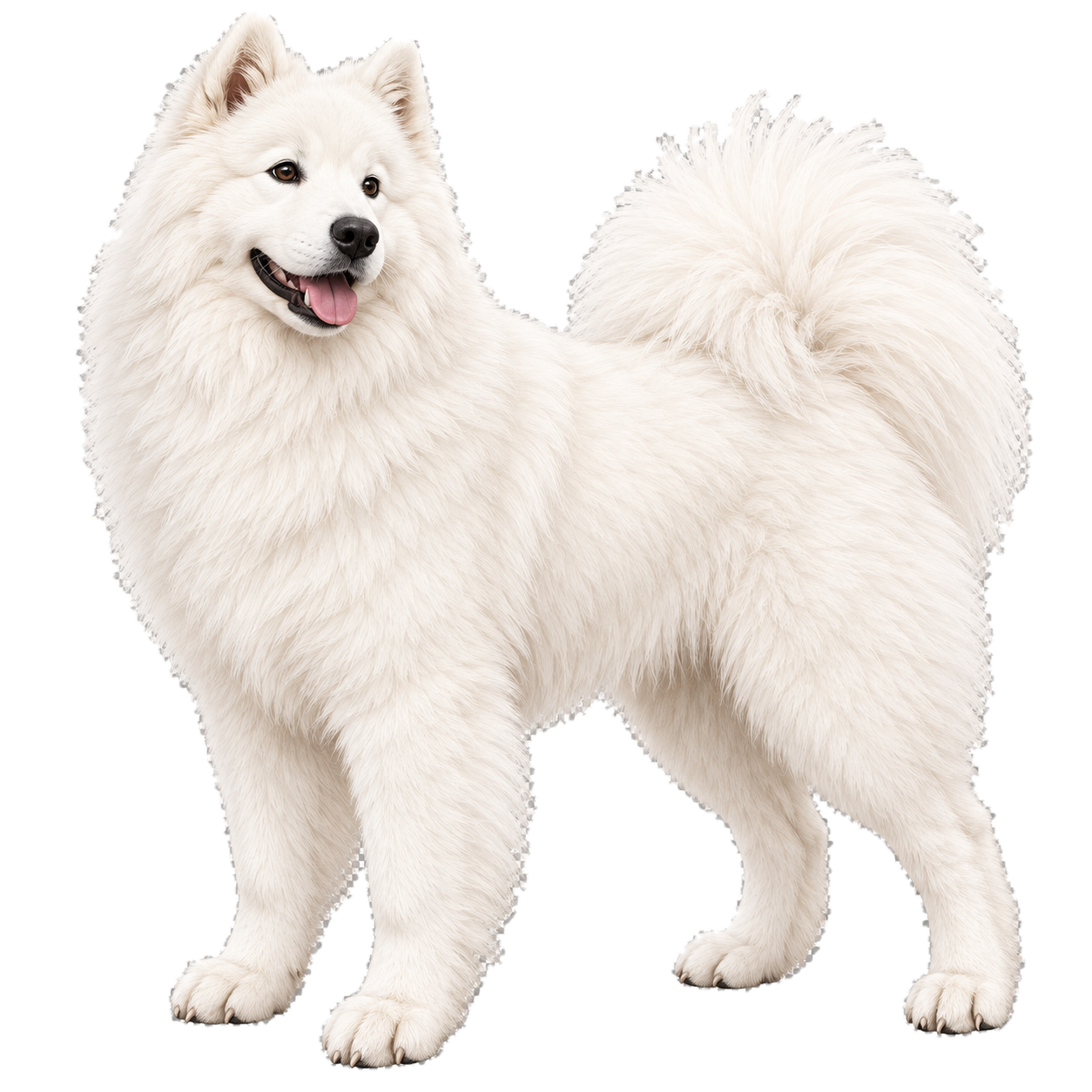 Finnish Lapphund vs SamoyedNorthern companionship, activity, voice, shedding, and warm-weather management.Compare →
 Icelandic Sheepdog vs Finnish LapphundNordic-herder sociability, activity, voice, shedding, and warm-weather care.Compare →
Your routine matters
Breed-level tendencies are a starting point. Check them against your own time, home, and constraints.