Dachshund
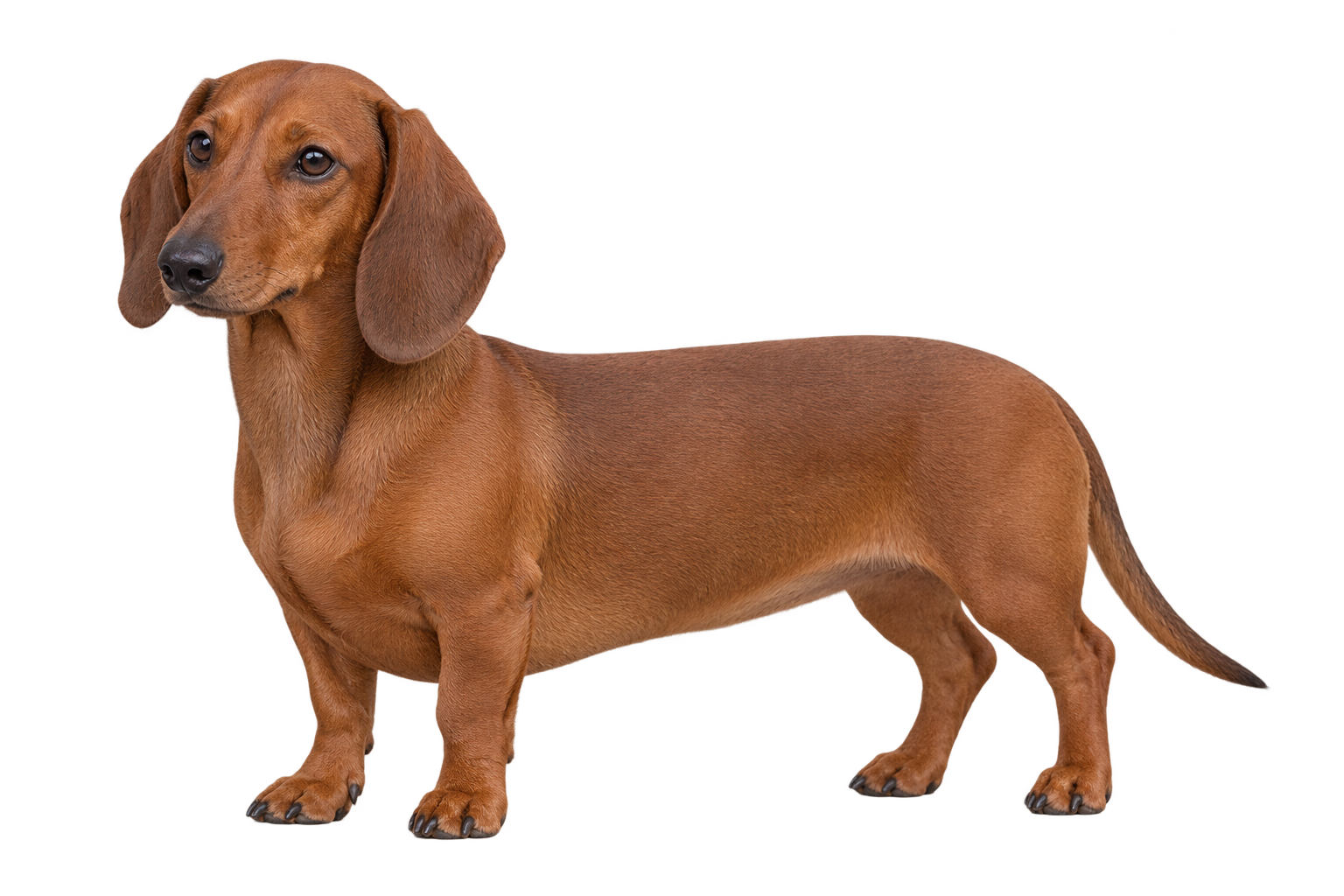
A bold, independent small hound whose long back calls for thoughtful handling and weight control.
Open breed profile →Evidence-backed comparison
See where their everyday needs align, where they differ, and which practical trade-offs deserve a closer look.
A bold, independent small hound whose long back calls for thoughtful handling and weight control.
Open breed profile →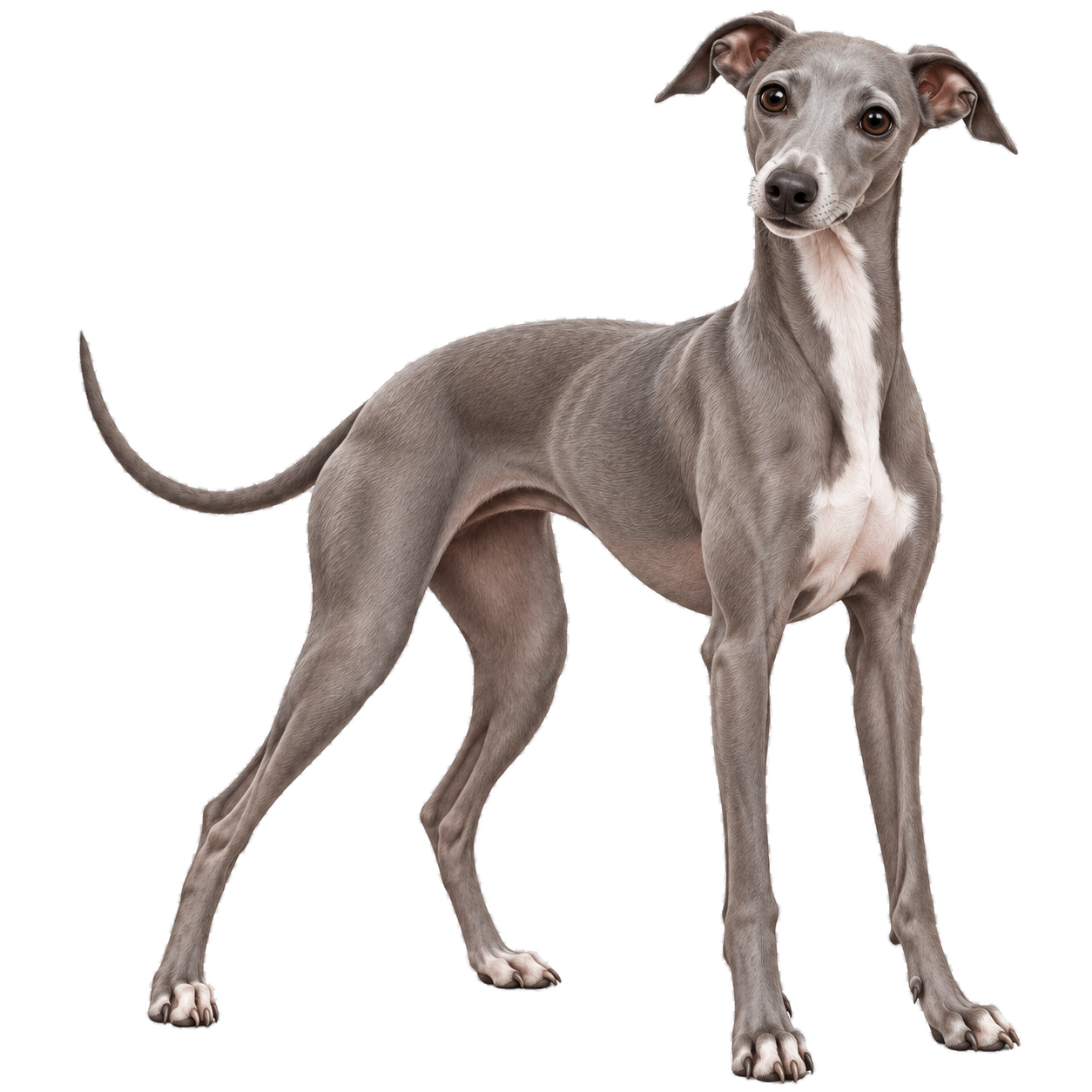
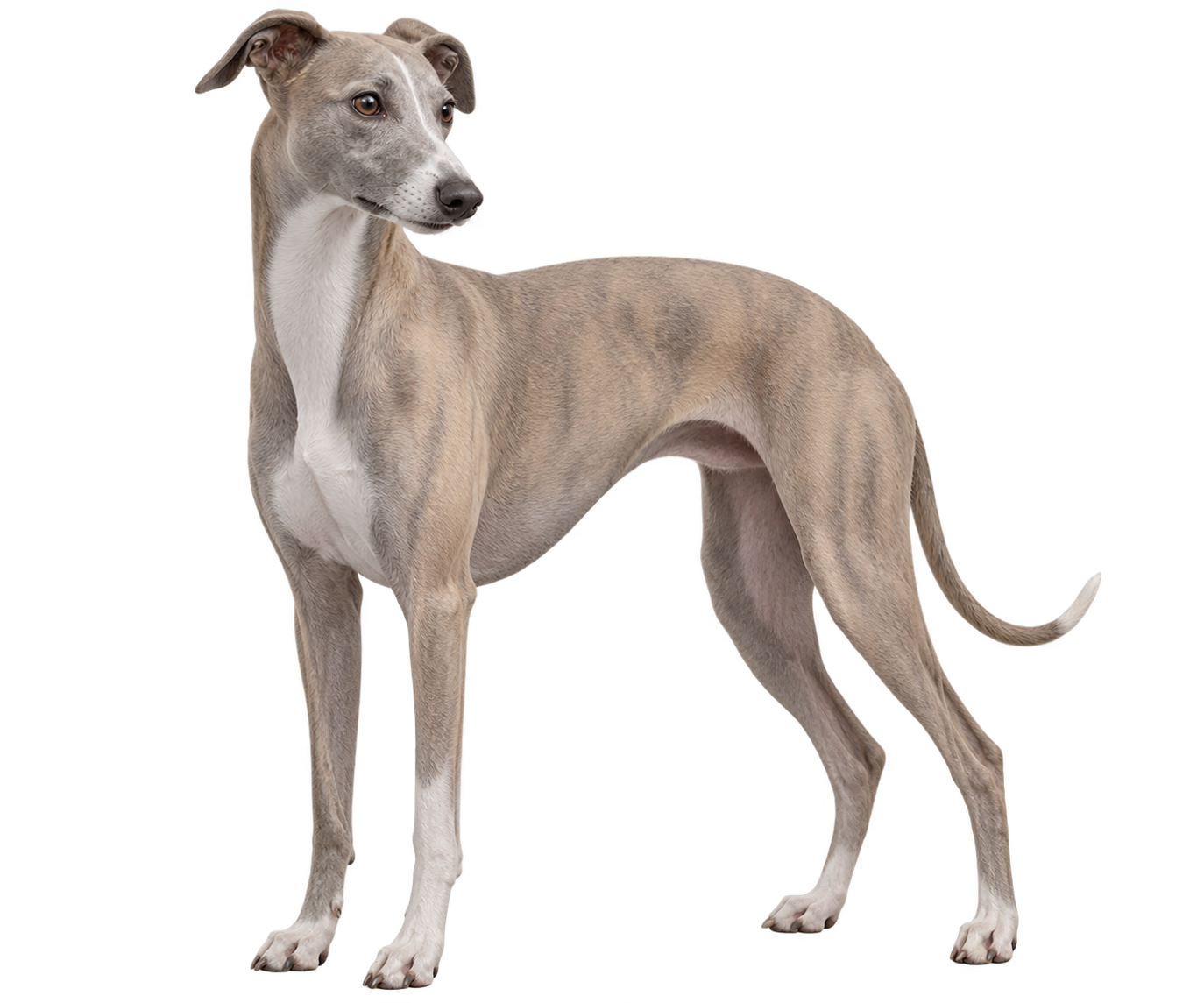
A sensitive miniature sighthound suited to close indoor life, careful handling, and secure exercise.
Open breed profile →The clearest contrasts
Dachshunds can live well in families, but their body shape and temperament make responsible handling and supervision especially important around young children.
A fine-boned build is a poor match for rough play or very young children.
Dachshunds shed moderately, while the practical grooming routine varies among smooth, longhaired, and wirehaired coats.
The short fine coat sheds little and is simple to maintain.
Common ground
Dachshunds need a daily routine of controlled walks and play to maintain fitness and supporting muscle tone.
Regular walks and safe opportunities to run support this active small sighthound.
Regular activity, positive training, and appropriate outlets for an intelligent hunting dog help keep a Dachshund engaged.
Short positive training and play provide useful daily engagement.
Intelligence supports learning, while independence and persistence require patient, consistent reward-based training.
Sensitive, reward-based training is more effective than harsh correction.
A Dachshund’s long back requires thoughtful lifelong management. Maintain a healthy weight, provide regular controlled exercise, and reduce repeated jumping from furniture or running on stairs.
Leg safety, dental care, and weather protection require attentive management.
Dachshunds are affectionate, playful companion dogs that thrive on human interaction and can be friendly with socialization.
They form close bonds and prefer life near their people.
Grooming varies materially among smooth, longhaired, and wirehaired Dachshunds, so coat variety determines the brushing, trimming, or hand-stripping routine.
Coat care is minimal, but nails and especially teeth need frequent attention.
A strong prey drive and persistent hunting focus can draw attention away from the owner and toward scents or moving animals.
Sighthound chase instinct makes secure fencing and leashed exercise important.
Before you decide
Keep exploring
See how either breed compares with another realistic alternative.
Your routine matters
Breed-level tendencies are a starting point. Check them against your own time, home, and constraints.