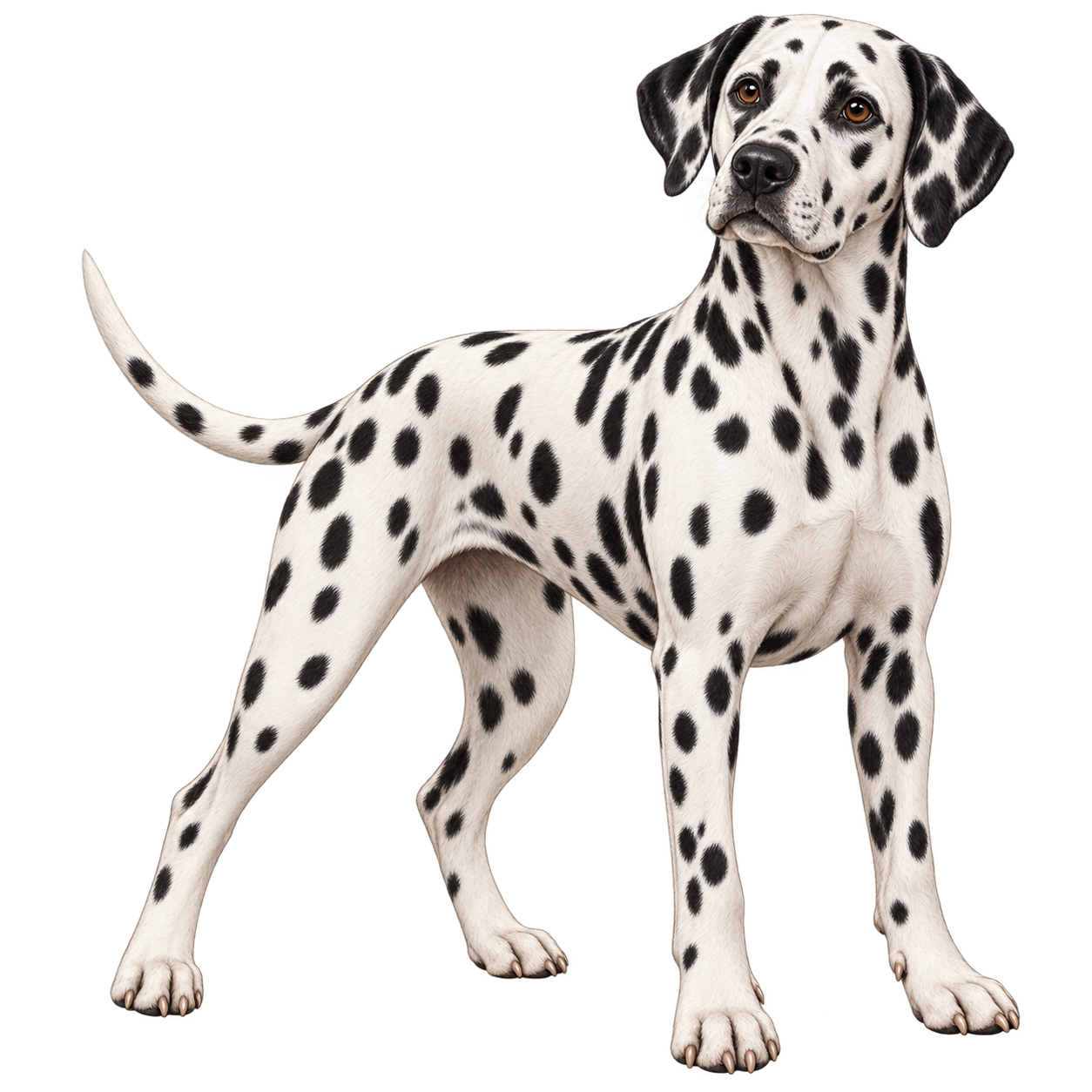
Dalmatian
An athletic, distinctive companion that needs sustained exercise, training, and breed-specific health planning.
Open breed profile →Evidence-backed comparison
See where their everyday needs align, where they differ, and which practical trade-offs deserve a closer look.
An athletic, distinctive companion that needs sustained exercise, training, and breed-specific health planning.
Open breed profile →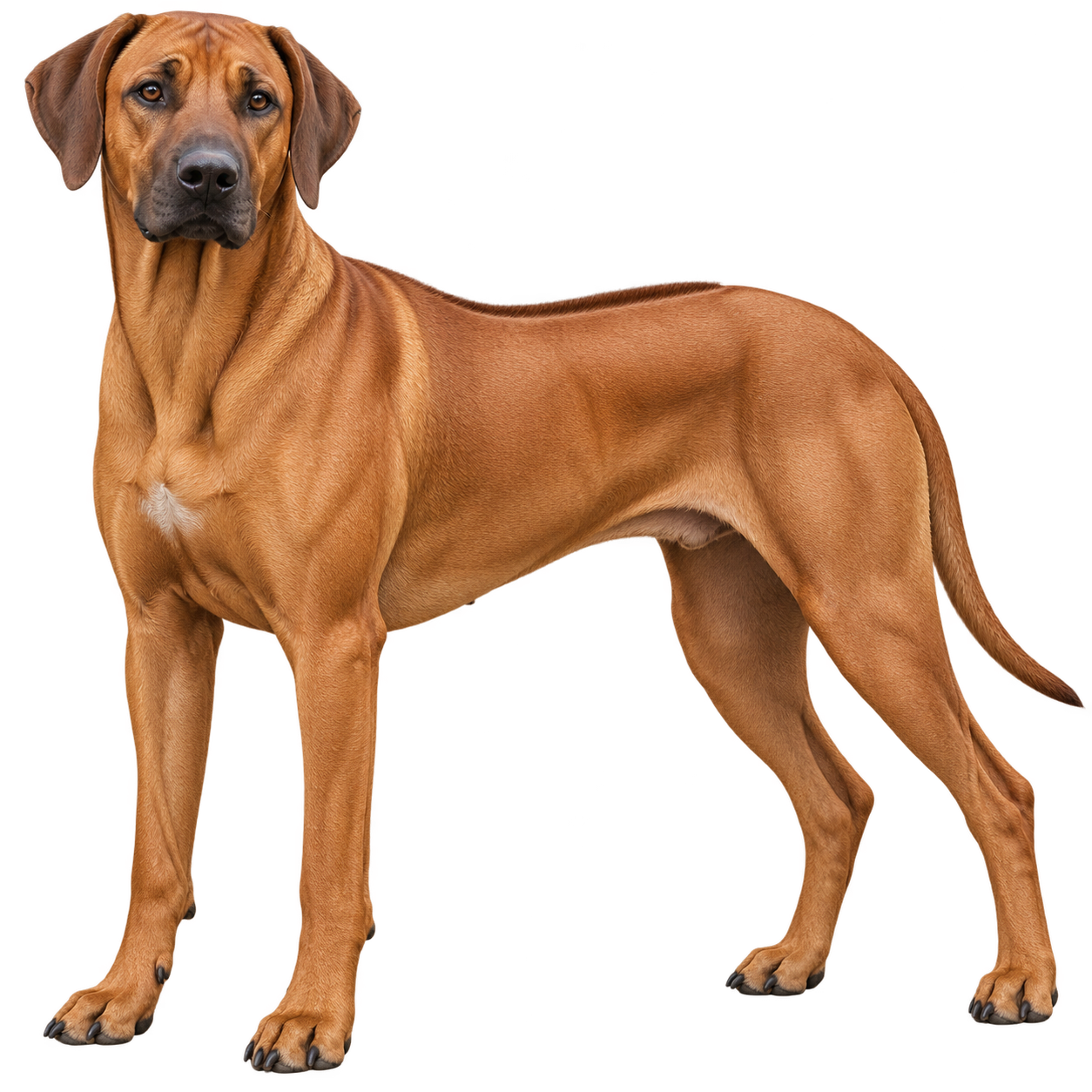
A large, independent, athletic hound that needs secure exercise, patient training, and prey-drive management.
Open breed profile →The clearest contrasts
Dalmatians are athletic dogs that need frequent, vigorous daily activity.
Endurance and coursing ability support a need for substantial daily movement.
Positive, consistent training channels intelligence and athletic drive.
They can learn well but often require patient motivation and consistency.
Common ground
Training and varied mental work are important alongside physical exercise.
Training, scent work, and varied activity help engage an independent hound.
BAER hearing status should be known, and congenital deafness changes training and safety planning.
Size, independence, prey drive, and secure containment create meaningful management.
Loyal with family, while some reserve around unfamiliar people makes socialization important.
The standard describes an even temperament with reserve toward strangers.
They can suit families with older children who can share an active, respectful routine.
Family living requires supervision around a large, powerful, athletic dog.
The short coat still benefits from regular brushing to manage loose hair.
The short coat sheds routinely but is simple to brush.
A short coat generally needs simple weekly brushing rather than intensive grooming.
Short-coat care is relatively straightforward.
Before you decide
Keep exploring
See how either breed compares with another realistic alternative.
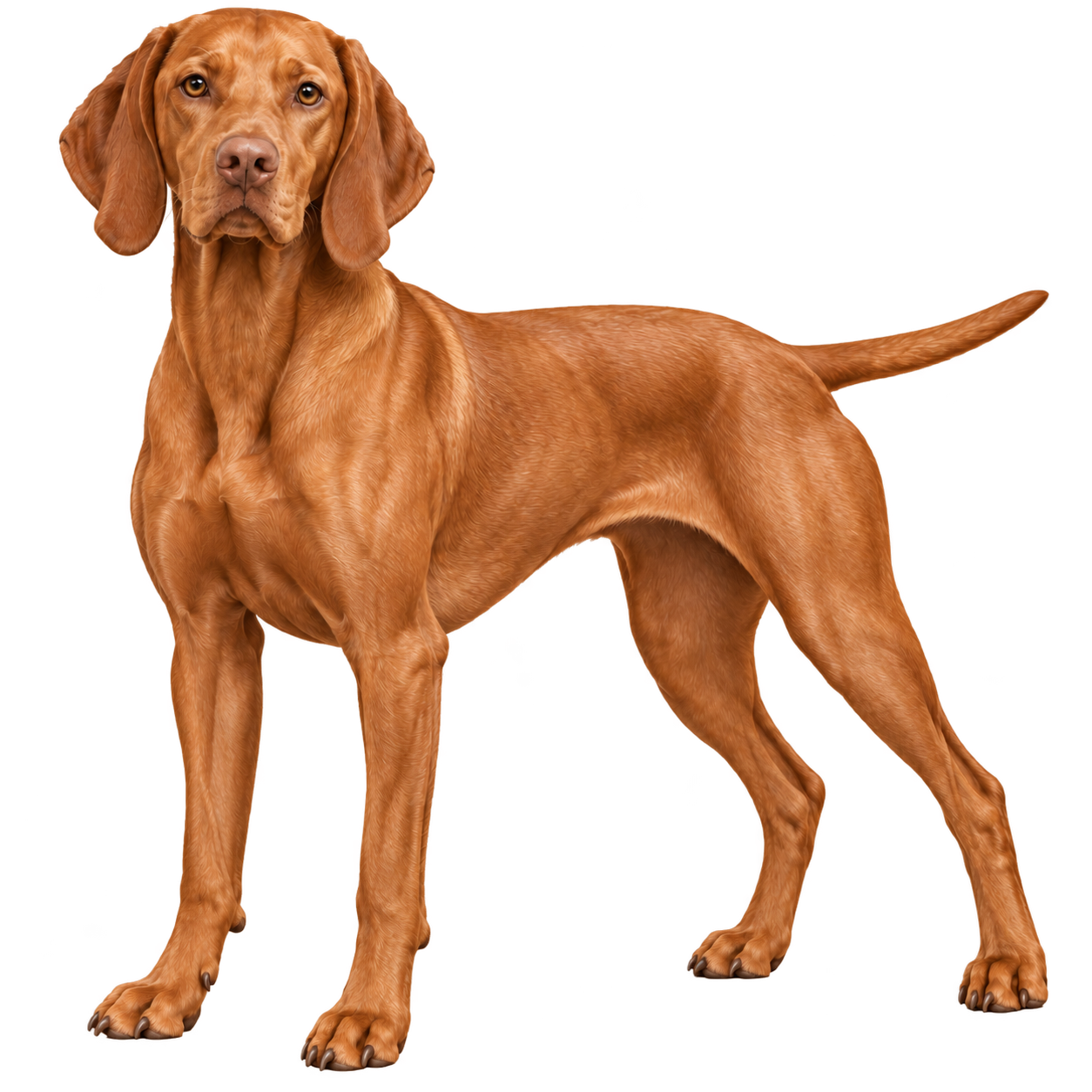 Rhodesian Ridgeback vs VizslaExercise, independence, prey drive, and close companionship.Compare →
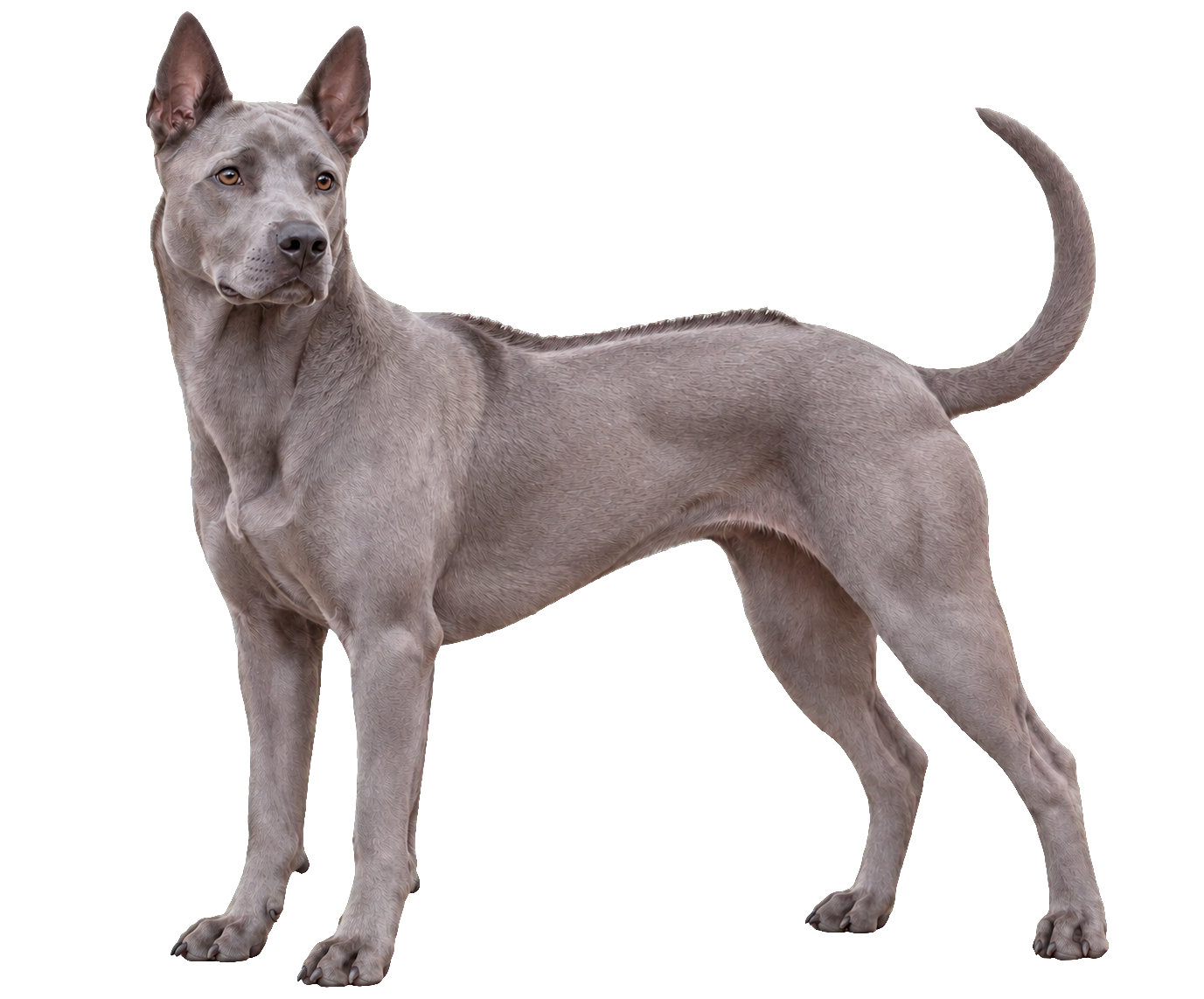 Thai Ridgeback vs Rhodesian RidgebackRidgeback size, athleticism, independence, reserve, prey drive, and secure management.Compare →Vizsla vs DalmatianAthletic life, training, closeness, and health planning.Compare →
Your routine matters
Breed-level tendencies are a starting point. Check them against your own time, home, and constraints.