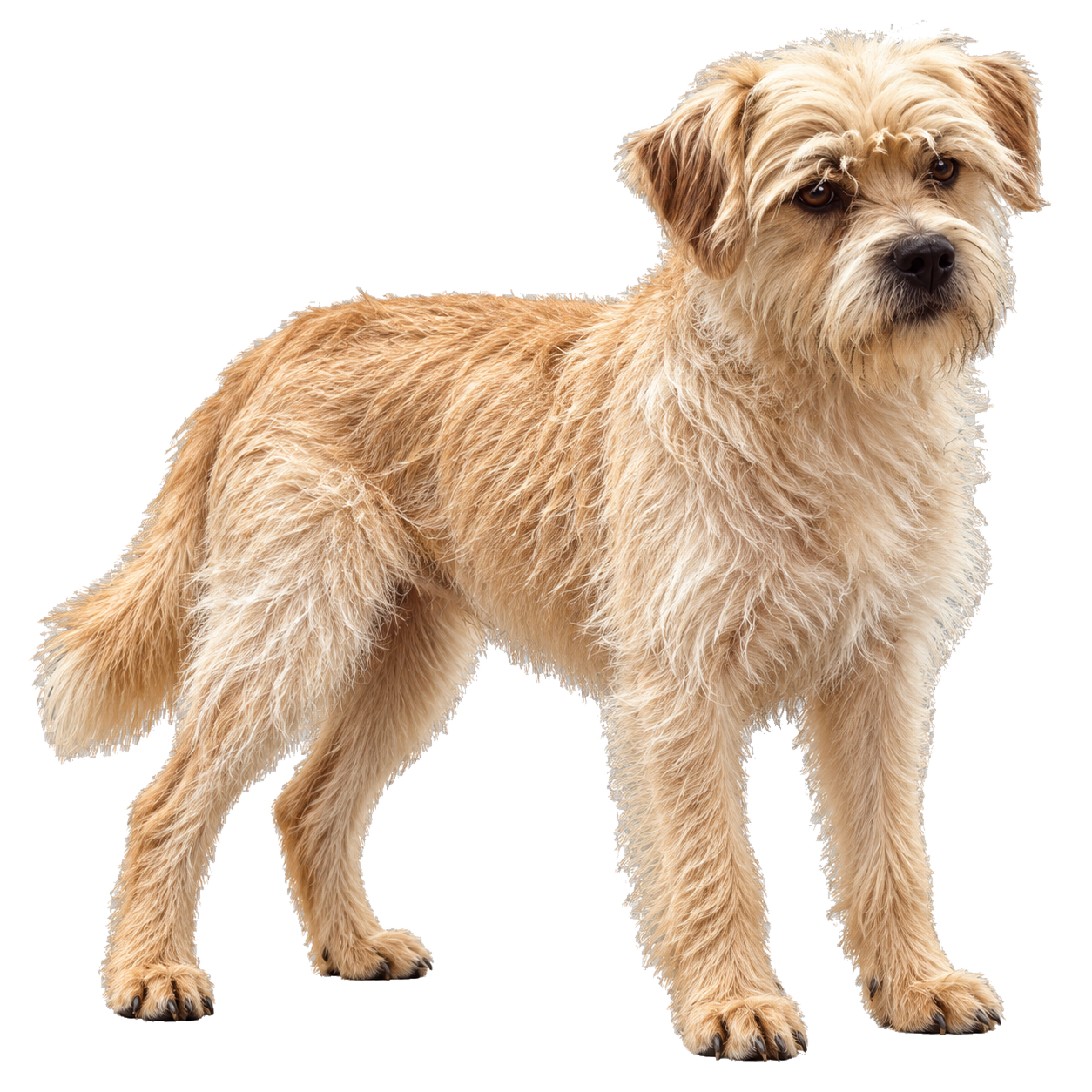
Dutch Smoushond
A lively, affectionate Dutch companion with a sturdy build, rough yellow coat, friendly temperament, and an alert history around stables.
Open breed profile →Evidence-backed comparison
See where their everyday needs align, where they differ, and which practical trade-offs deserve a closer look.
A lively, affectionate Dutch companion with a sturdy build, rough yellow coat, friendly temperament, and an alert history around stables.
Open breed profile →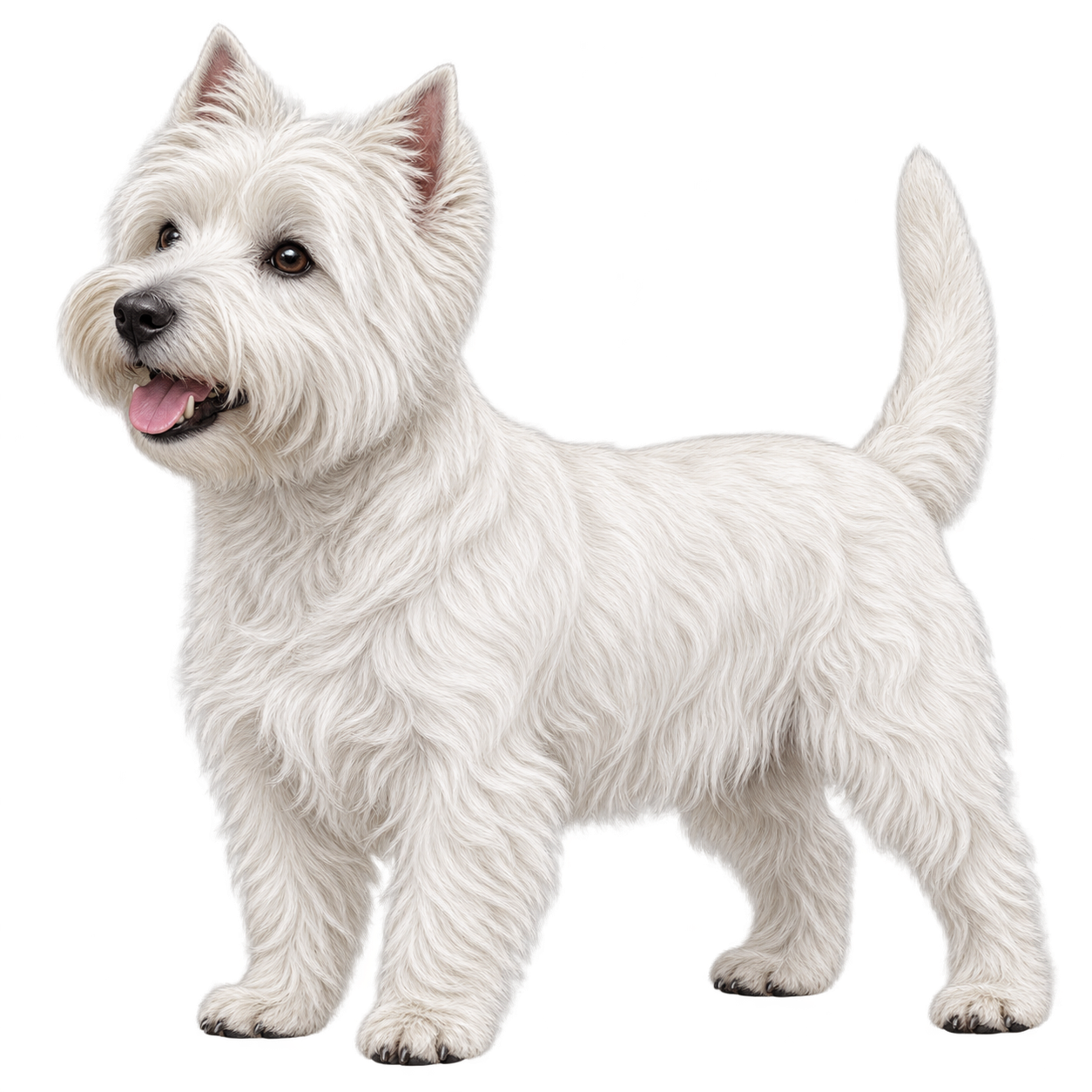
A confident small terrier combining adaptable companionship with real coat-care and prey-drive needs.
Open breed profile →The clearest contrasts
A lively companion with a stable-ratting history benefits from games, training, and opportunities to explore.
Terrier curiosity benefits from training, play, and opportunities to investigate.
Affectionate, friendly, stable companion temperament supports cooperative everyday learning.
Positive consistency is useful when independent terrier priorities appear.
Common ground
The breed is lively and active but specifically described as not nervously over-active.
Daily walks and active play support this sturdy small terrier.
Compact size and stable temperament are manageable, but activity and rough-coat care remain real commitments.
Skin, coat, and breed-health monitoring add ongoing management.
The standard describes the breed as affectionate, cheerful, friendly, and free spirited.
Westies are generally confident, social companions.
The harsh rough coat is managed through grooming rather than relying on heavy seasonal coat loss.
The harsh double coat tends to release less loose hair than many breeds.
The characteristic rough coat, beard, moustache, and eyebrows require regular specialist coat maintenance.
Regular brushing, trimming, and often professional coat care are required.
The breed history explicitly includes catching rats in stables.
Earth-dog ancestry supports pursuit of small animals.
Before you decide
Keep exploring
See how either breed compares with another realistic alternative.
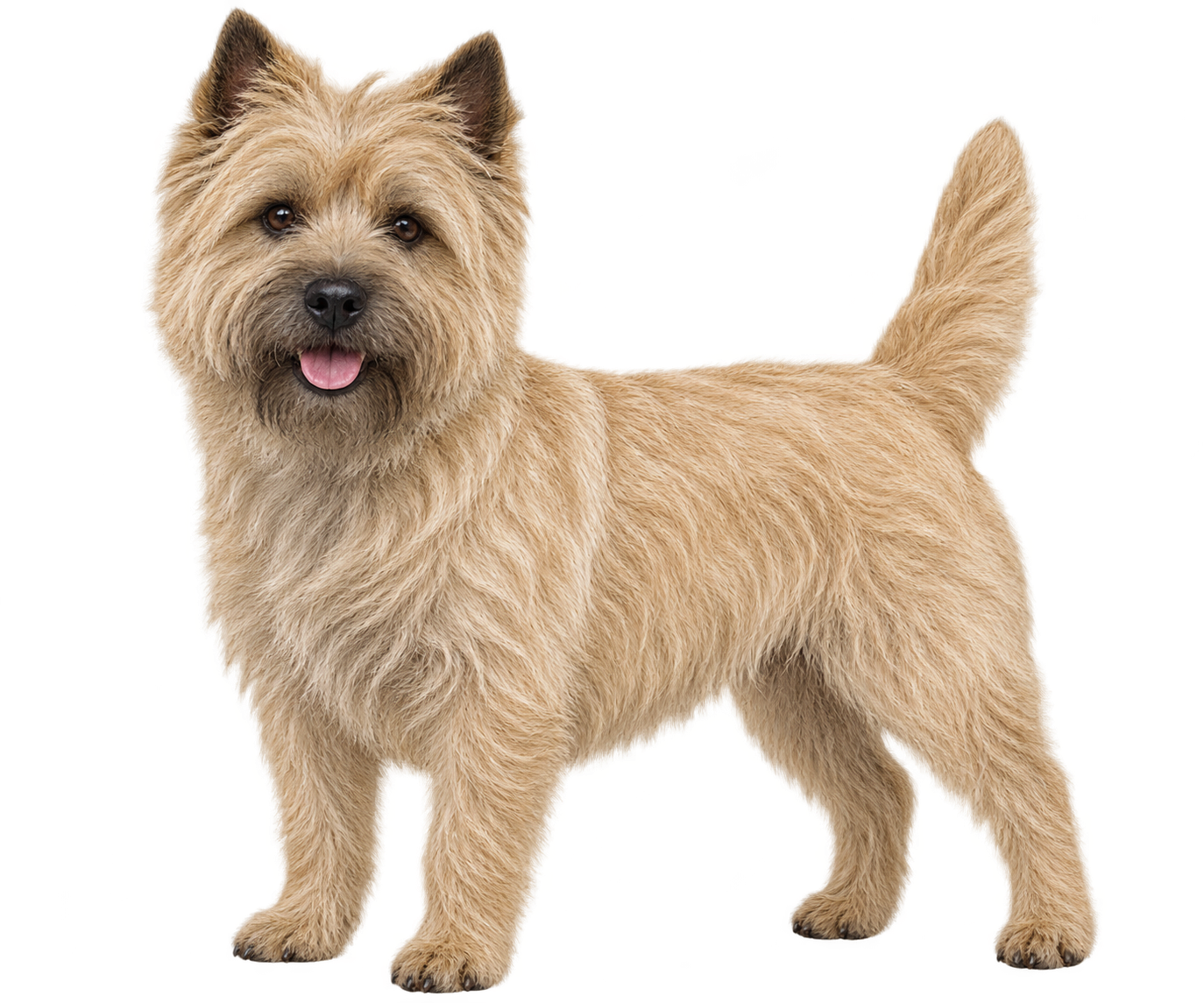 Cairn Terrier vs West Highland White TerrierSmall-terrier energy, prey drive, voice, and wiry coat care.Compare →
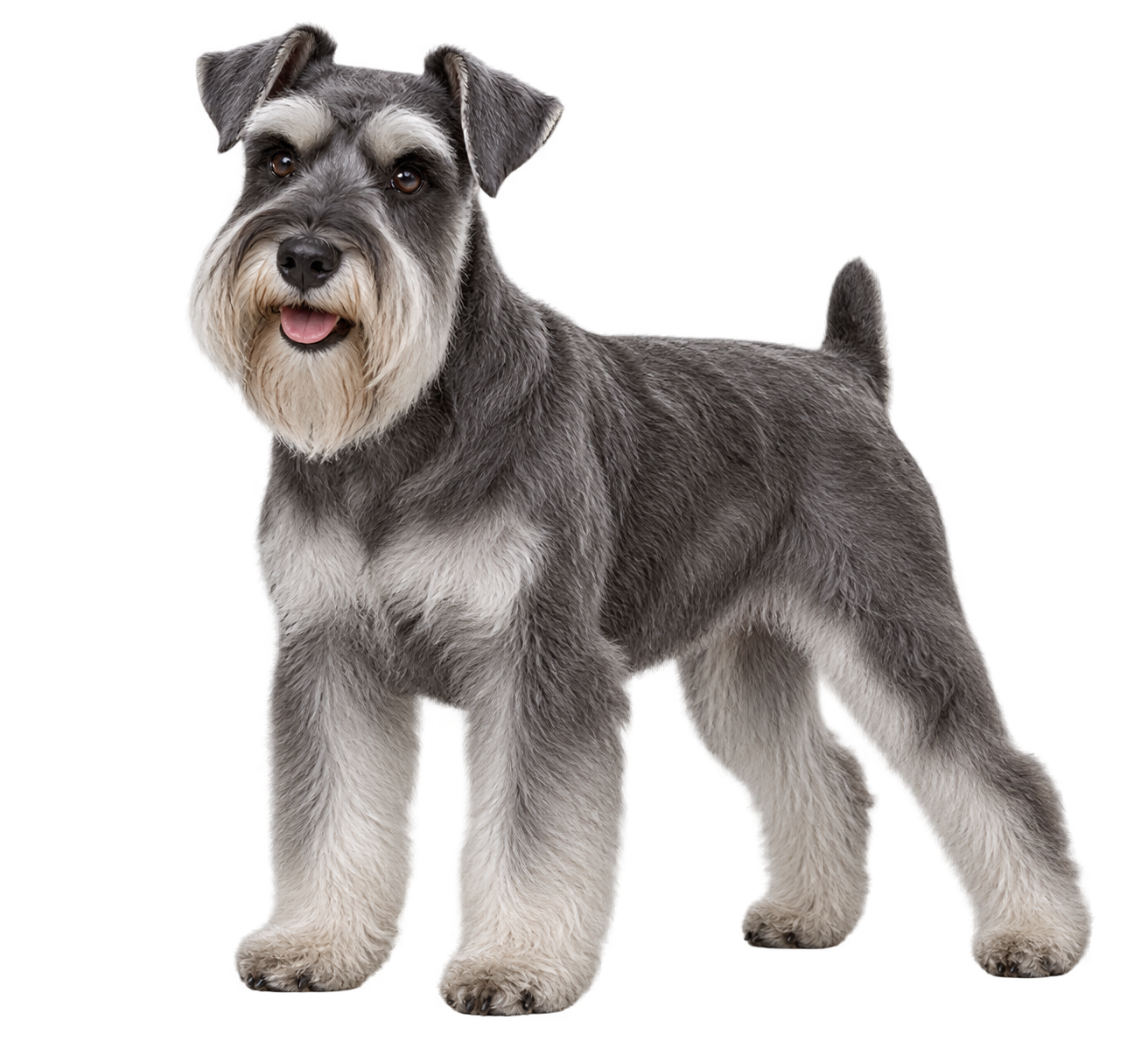 Dutch Smoushond vs Miniature SchnauzerCompact rough-coated companionship, alertness, activity, trainability, sociability, grooming, and prey interest.Compare →
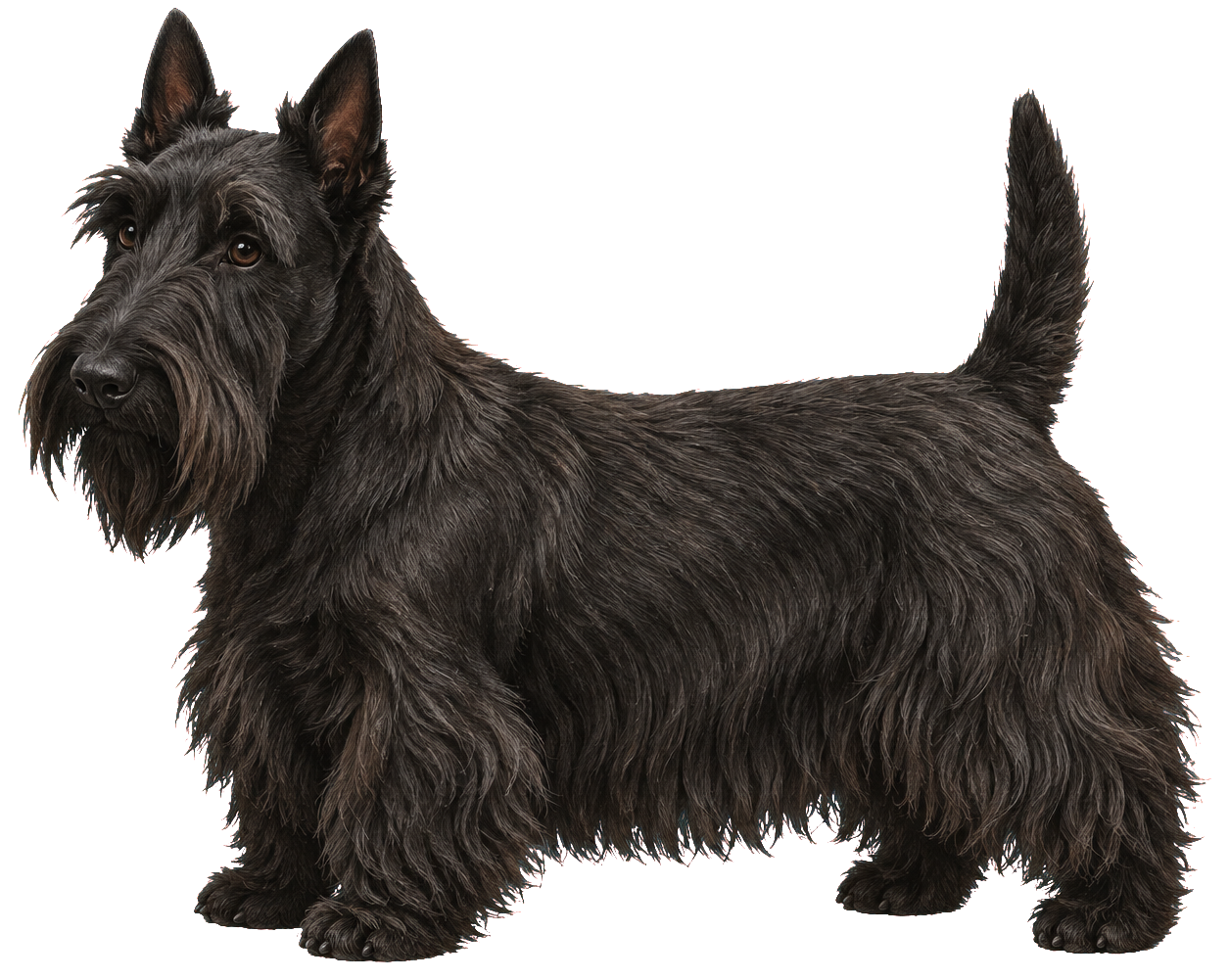 Scottish Terrier vs West Highland White TerrierTerrier independence, activity, prey drive, and grooming.Compare →
Your routine matters
Breed-level tendencies are a starting point. Check them against your own time, home, and constraints.