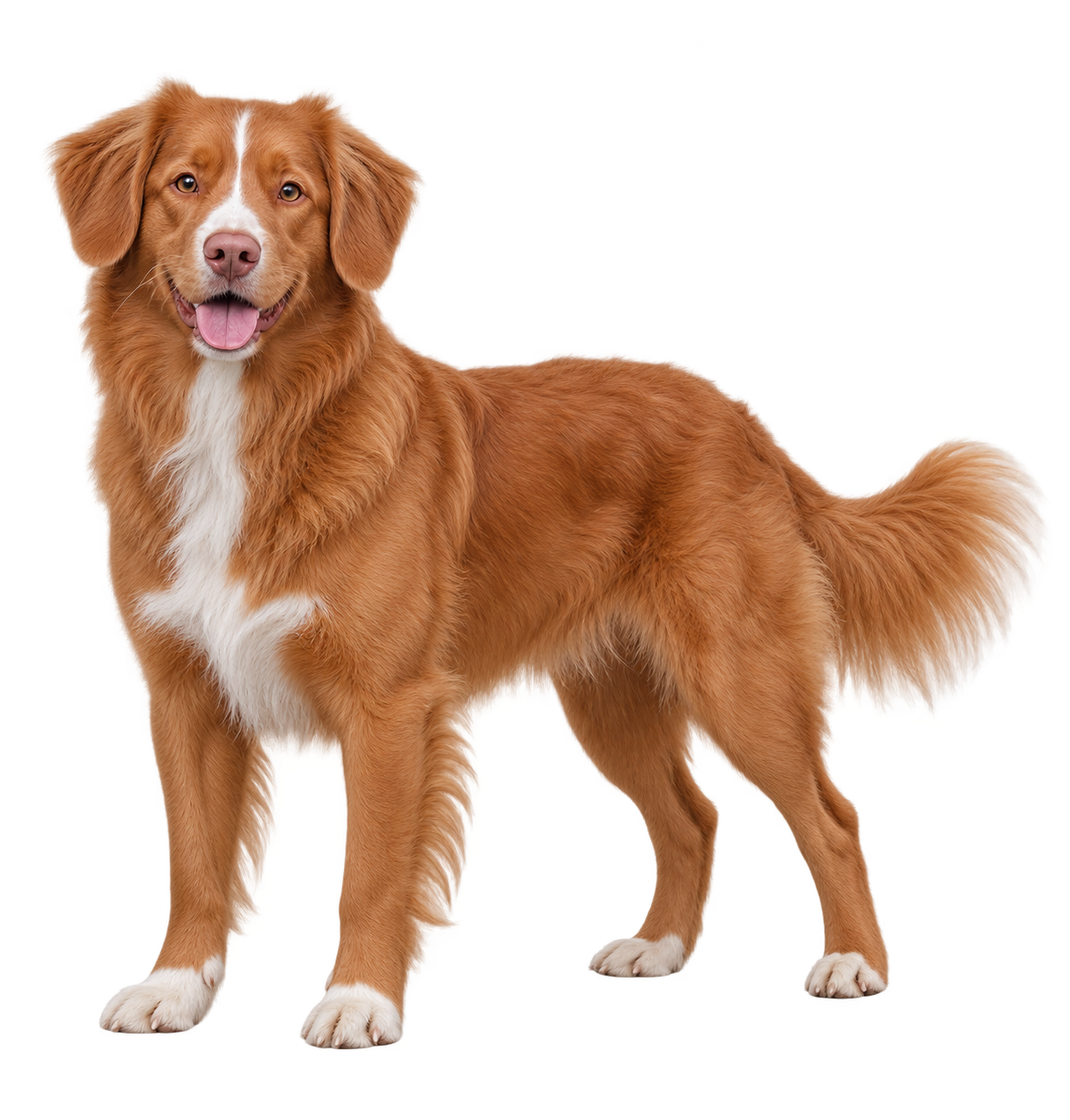
Nova Scotia Duck Tolling Retriever
A compact, intense retriever needing challenging physical work, mental outlets, and an engaged household.
Open breed profile →Evidence-backed comparison
See where their everyday needs align, where they differ, and which practical trade-offs deserve a closer look.
A compact, intense retriever needing challenging physical work, mental outlets, and an engaged household.
Open breed profile →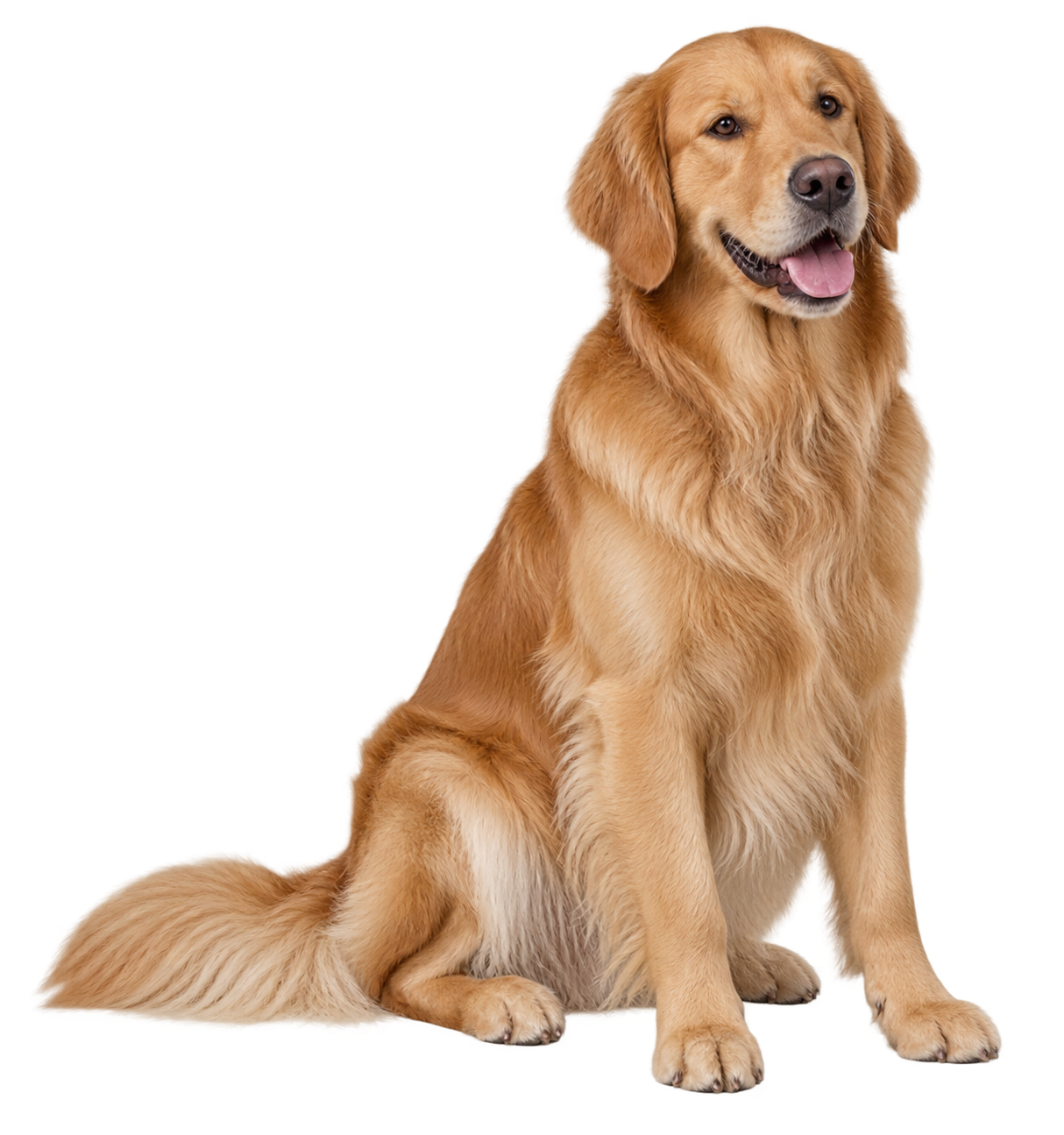
A friendly, trainable sporting dog that needs daily activity, company, and coat care.
Open breed profile →The clearest contrasts
Tollers are intense sporting dogs that need sustained daily physical activity.
Adults continue to benefit from regular vigorous activity for physical and mental fitness.
Complex training, retrieving, and scent games provide important mental work.
Training, retrieving, tracking, field work, and other shared activities are appropriate outlets; exercise alone in a yard is not sufficient.
Intelligence and working drive support advanced reward-based training.
Early socialization and training are important and support calm, well-mannered adult behavior.
High arousal, sensitivity, and workload make this a demanding companion despite medium size.
A mature trained Golden may adapt to a less active lifestyle but still needs regular activity and close family involvement.
Tollers are devoted to family but may be more reserved than many retrievers.
Goldens are strongly people-oriented and need to live as members of the family rather than in social isolation.
Active families may fit with supervision and respect for the dog’s arousal and rest needs.
Most well-raised Goldens are good with children when adults provide appropriate supervision, exercise, and training.
Excitement can produce a distinctive high-pitched vocalization that households should anticipate.
Some adults bark at activity outside the home, but the typical Golden is friendly rather than strongly protective.
Common ground
The water-resistant double coat sheds, especially seasonally.
Coat loss occurs throughout the year with a major shedding cycle generally occurring about once per year.
Regular brushing manages the double coat and feathering.
Weekly brushing is usually sufficient, while daily brushing is close to mandatory during major shedding periods.
Before you decide
Keep exploring
See how either breed compares with another realistic alternative.
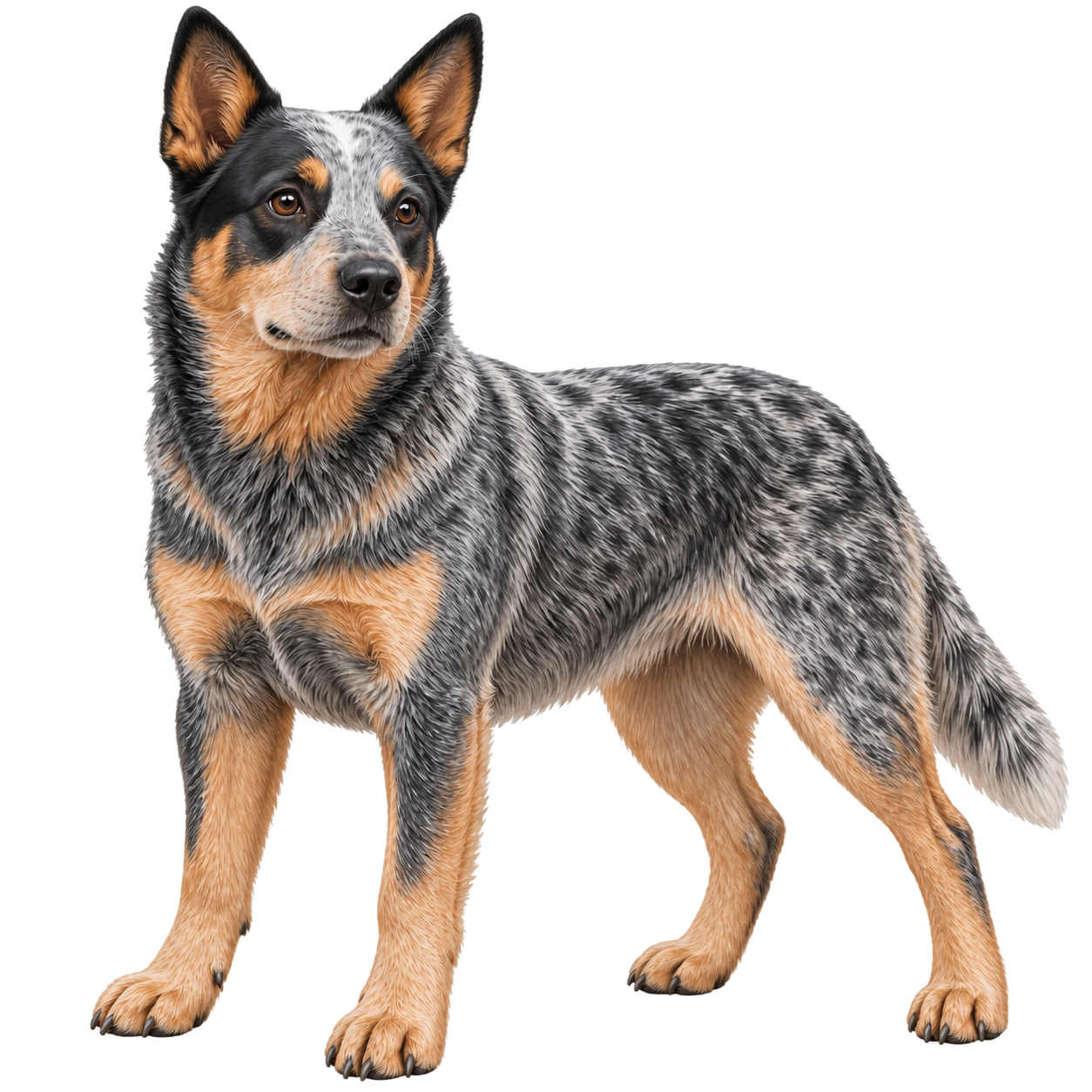 Australian Cattle Dog vs Nova Scotia Duck Tolling RetrieverHigh-drive working lifestyles, trainability, herding or retrieving outlets, voice, shedding, and coat care.Compare →
 Labrador Retriever vs Golden RetrieverExercise, trainability, grooming, and family life.Compare →
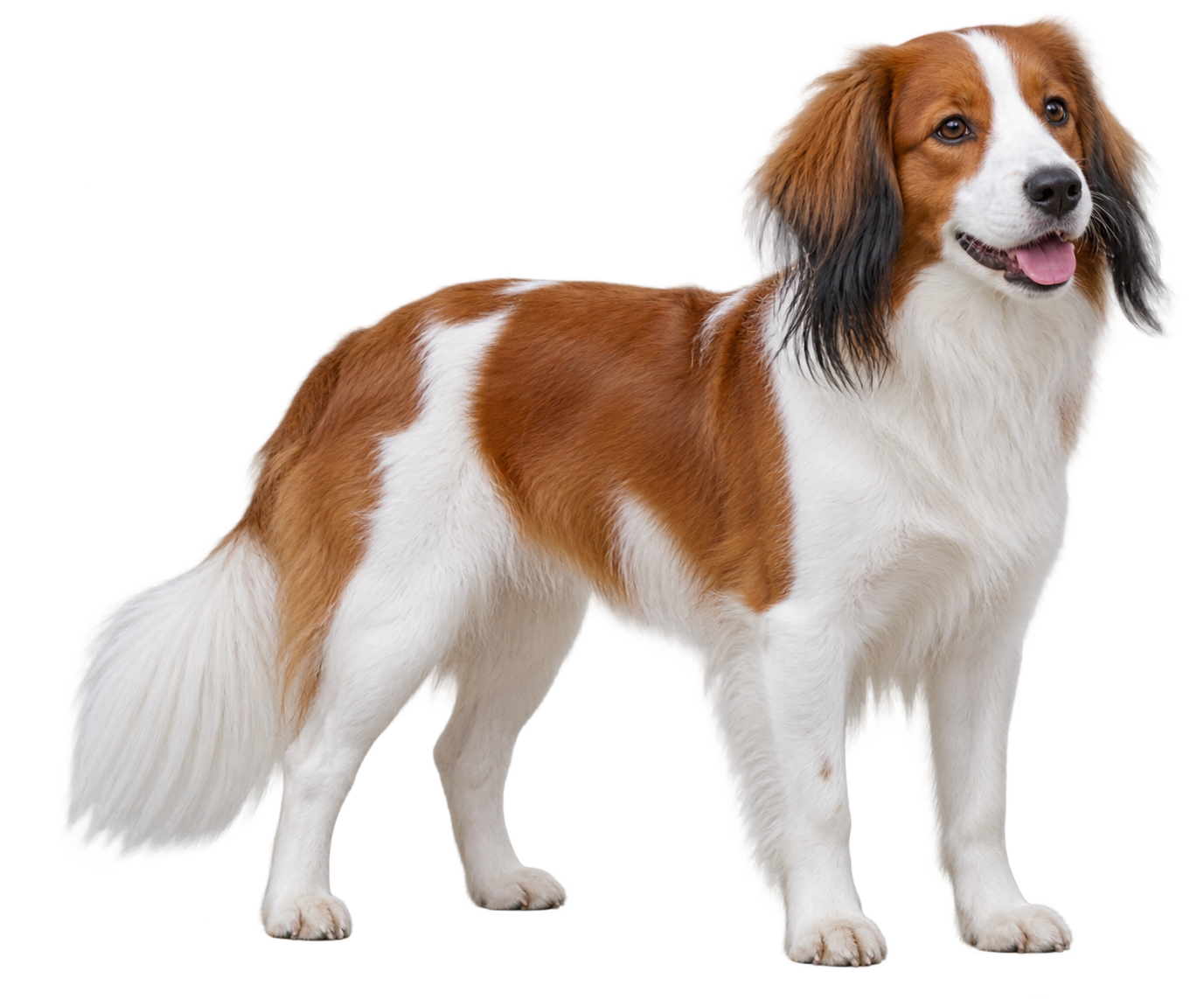 Nederlandse Kooikerhondje vs Nova Scotia Duck Tolling RetrieverLively waterfowl-dog exercise, training, sensitivity, family fit, and feathered-coat care.Compare →
Your routine matters
Breed-level tendencies are a starting point. Check them against your own time, home, and constraints.