
Exercise need
HighAdults continue to benefit from regular vigorous activity for physical and mental fitness.
BreedCue field profile
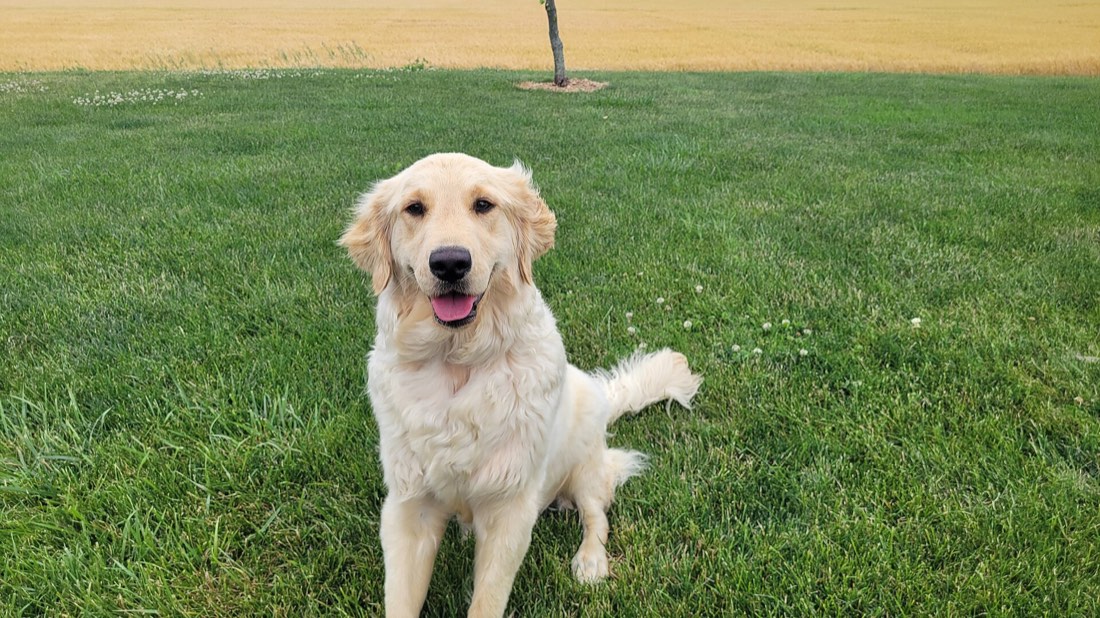
A friendly, trainable sporting dog that needs daily activity, company, and coat care.
At a glance
Levels summarize the strongest applicable evidence currently in BreedCue.
Exercise need
HighAdults continue to benefit from regular vigorous activity for physical and mental fitness.
Mental stimulation
HighTraining, retrieving, tracking, field work, and other shared activities are appropriate outlets; exercise alone in a yard is not sufficient.
Trainability
HighEarly socialization and training are important and support calm, well-mannered adult behavior.
Handling complexity
ModerateA mature trained Golden may adapt to a less active lifestyle but still needs regular activity and close family involvement.
People sociability
Very highGoldens are strongly people-oriented and need to live as members of the family rather than in social isolation.
Living with children
HighMost well-raised Goldens are good with children when adults provide appropriate supervision, exercise, and training.
Living with cats
HighAKC guidance identifies Golden Retrievers as potentially strong cat companions because they are adaptable and outgoing, while emphasizing introductions, training, and individual personality.
Shedding
HighCoat loss occurs throughout the year with a major shedding cycle generally occurring about once per year.
Grooming need
ModerateWeekly brushing is usually sufficient, while daily brushing is close to mandatory during major shedding periods.
Barking tendency
LowSome adults bark at activity outside the home, but the typical Golden is friendly rather than strongly protective.
Hot-climate tolerance
LowRoyal Kennel Club health guidance lists Golden Retrievers among breeds with increased heatstroke risk and notes that energetic dogs and thicker coats can make cooling more difficult.
We have not found strong enough breed-level evidence for these traits yet:
Day to day
A practical reading of the documented tendencies below—not a prediction about every individual dog.
Adults continue to benefit from regular vigorous activity for physical and mental fitness.
Training, retrieving, tracking, field work, and other shared activities are appropriate outlets; exercise alone in a yard is not sufficient.
Weekly brushing is usually sufficient, while daily brushing is close to mandatory during major shedding periods.
Pilot · quick answers
Direct answers from the same documented adult breed tendencies used throughout BreedCue. Individual dogs still vary.
How much exercise does Golden Retriever need?
Could Golden Retriever suit apartment living?
Is Golden Retriever a reasonable first dog?
Does Golden Retriever shed heavily?
What does the evidence say about Golden Retriever and children?
What might people underestimate about Golden Retriever?
New pilot · practical routine preview
See how Golden Retriever could fit into ordinary mornings, workdays, evenings, care, and training — before you decide.
Next step · practical preparation
Use a private checklist for source questions, home setup, the first week, recurring costs, and warning signs.
Before you decide
A mature trained Golden may adapt to a less active lifestyle but still needs regular activity and close family involvement.
Compare your shortlist
Three nearby alternatives selected from the current catalog. Similar does not mean interchangeable.
 Labrador RetrieverClosest on mental stimulation and handling; compare the trade-offs.Compare Golden Retriever vs Labrador Retriever →
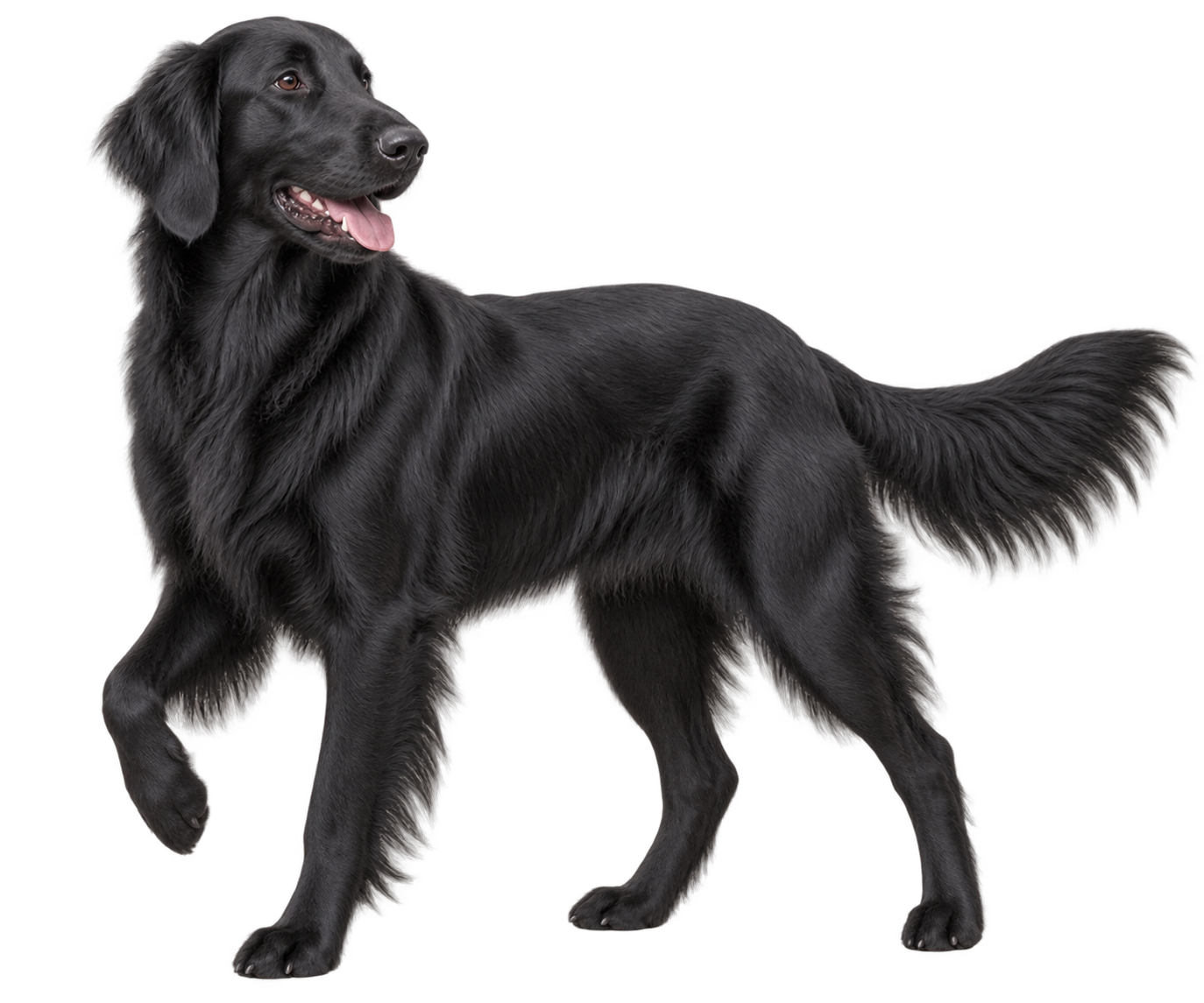 Flat-Coated RetrieverClosest on mental stimulation and trainability; compare the trade-offs.Compare Golden Retriever vs Flat-Coated Retriever →
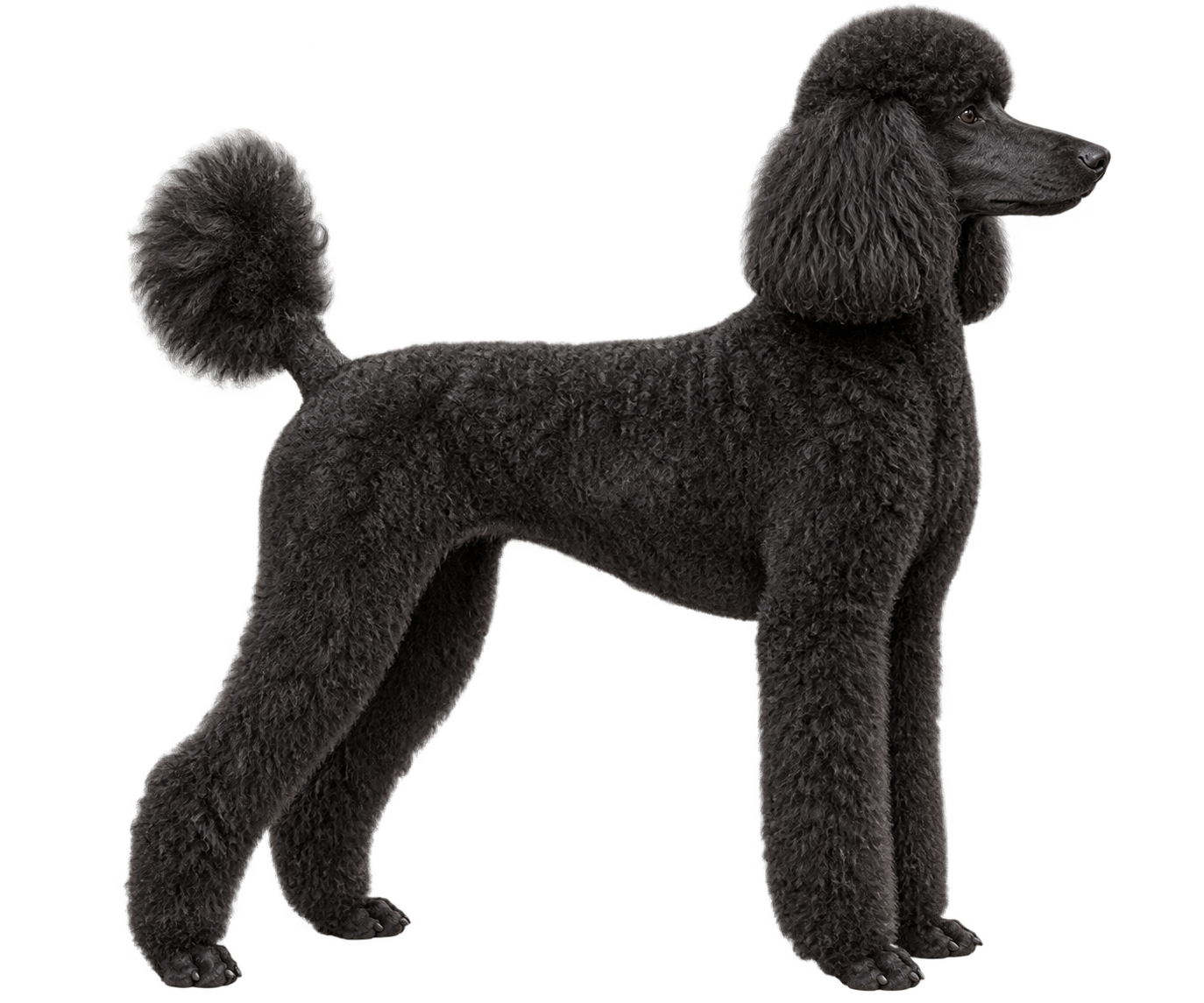 Standard PoodleClosest on exercise and family fit; compare the trade-offs.Compare Golden Retriever vs Standard Poodle →
More comparisons featuring this breed
Transparency
BreedCue favors breed-club, veterinary, welfare, and established kennel-organization sources. Evidence describes breed-level tendencies; individual dogs vary.
Your life matters too
Check this profile against the time, home environment, and trade-offs you can realistically support.